Wayfinder Wines Margaret River Opens Its Farm Restaurant in August
Wayfinder Winery & Farm Restaurant opens in August on a solar-powered Cowaramup estate, with Brendan Pratt in the kitchen.
HM
Director of Editorial Standards
Hugo Marchetti
Filed July 8, 2026
8 min read
Brendan Pratt walked a solar-powered, off-grid estate in Cowaramup in March and made a decision. The 0.4 hectare market garden was already in the ground. The dam had already been converted into a gravity-fed winery. The vineyards were already under organic and regenerative management. What sealed it was not the infrastructure but the people.
"Even though they knew what they wanted, their approach was more 'this is how we think we'll get there' instead of 'this is how it's going to be done,'" Pratt has said of that first visit. Four months later, he is executive chef of Wayfinder Winery & Farm Restaurant, which opens its 60-seat dining room in August.
The Sunday letter
Get our new stories in your inbox every Sunday.
One email with our newest profiles and guides. See a sample before you subscribe.
For anyone tracking where Margaret River's food-and-wine offer is heading, this is the opening to watch.
Wayfinder Wines Margaret River: What the New Winery and Farm Restaurant Actually Is
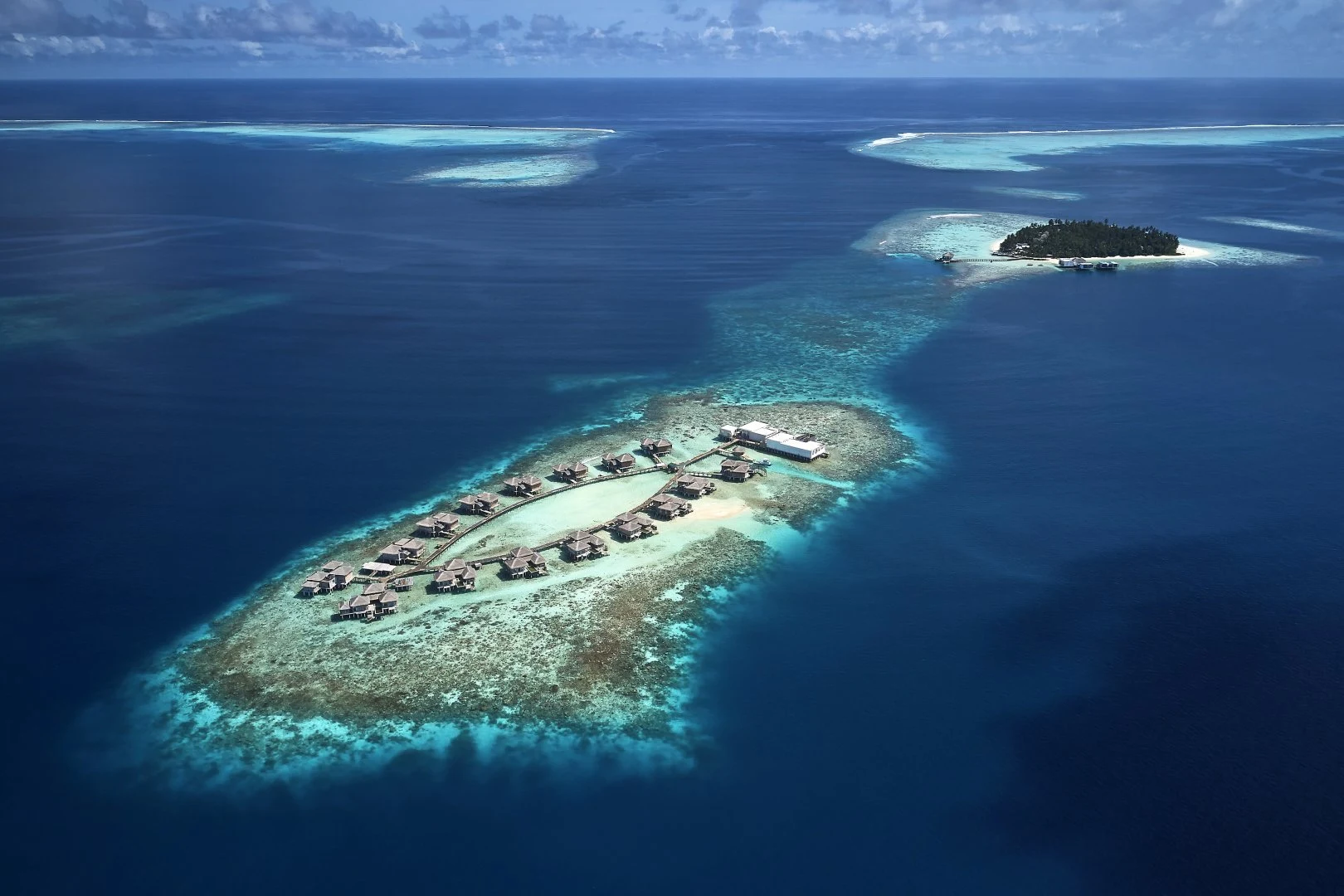
Wayfinder Winery & Farm Restaurant sits on an established estate in Cowaramup, one of the quieter pockets of the Margaret River wine region, roughly midway between the town of Margaret River and Dunsborough. The property arrived with infrastructure already in place: vineyards now managed under organic and regenerative farming practices, and a dam converted into a gravity-fed winery. Gravity-fed production uses natural elevation rather than pumps to move juice and wine through the process, which is gentler on the fruit and reduces energy consumption. The estate is solar-powered and fully off-grid.
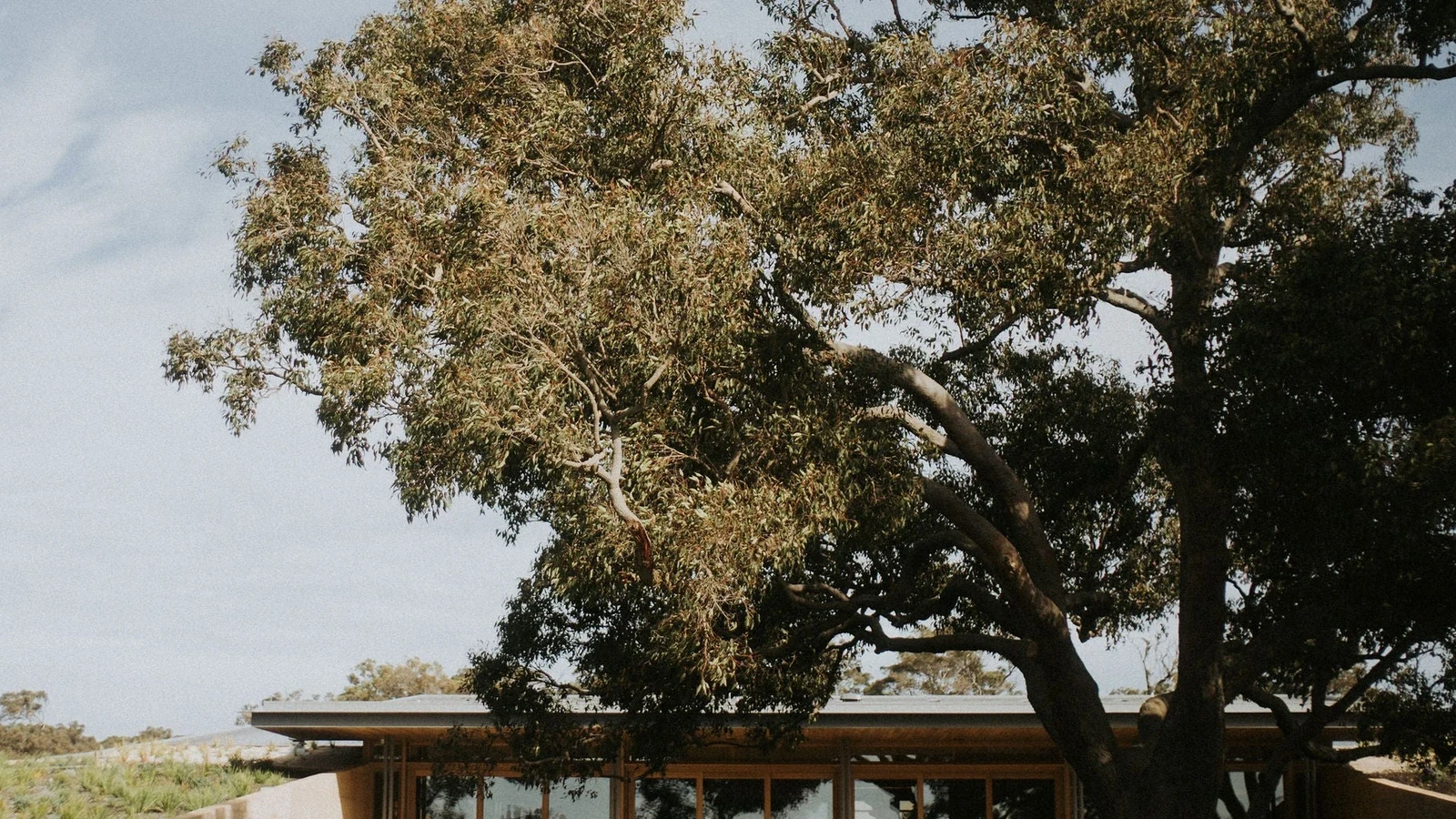
Wayfinder, the Cowaramup winery building, is seen during its construction phase with a worker walking across the unfinished floor.
The dining room, which seats 60, was designed by Kerry Hill Architects, the practice responsible for the State Buildings, Walyalup Koort, and the State Theatre Centre in Perth. At Wayfinder, Kerry Hill Architects have used rammed earth walls and timber salvaged from the property itself, materials that carry the logic of the estate into the room. The result is a cellar door restaurant that reads as a considered extension of the land rather than a building placed on top of it.
Alongside the main dining room, the property will offer a casual snack menu for guests on the lawn, a format suited to families and anyone arriving straight from the coast. Plans also include community market days, garden workshops, and other activities on a purpose-built pavilion on the property. The intent, as Pratt has put it, is to be something for the locals as well, not only a destination for visitors passing through.
The Chef Behind the Kitchen: Brendan Pratt's Pedigree and What He's Cooking
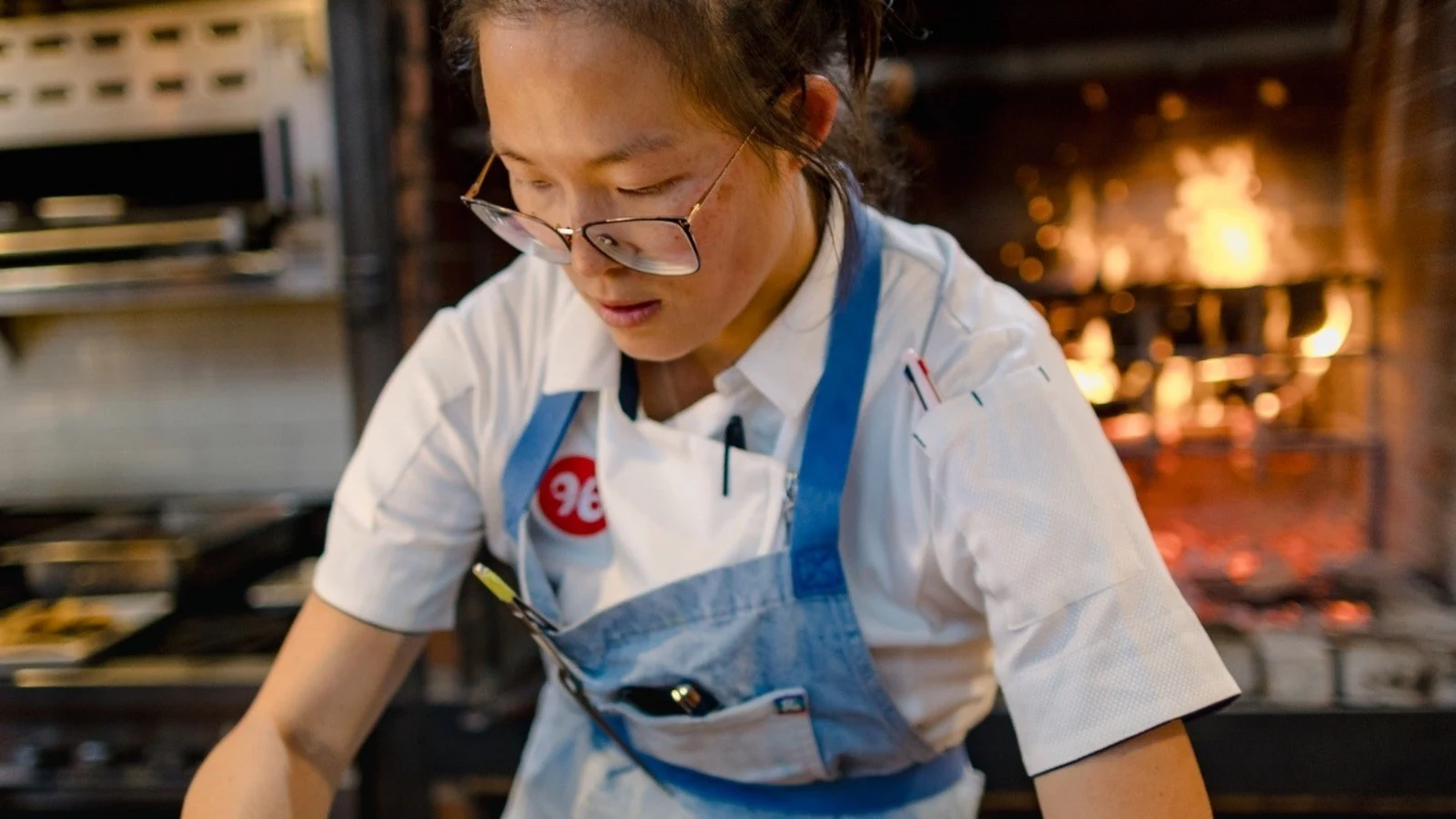
Pratt's two-decade career includes stints at British powerhouses The Fat Duck and The Ledbury, as well as local pioneer Vasse Felix. Most recently, he served as culinary director for the Parker Group, where his remit ran from pub kitchens to fine dining. That range matters here. Wayfinder is not a single-register restaurant. It needs to hold a tasting menu at one end and a lawn snack at the other, and the chef running it needs to understand both without condescending to either.
The kitchen's sourcing logic follows the estate's. Pratt will work with vegetables, fruits, eggs, and honey grown on the property's 0.4 hectare market garden, supplemented by meat, seafood, and other ingredients from West Australian producers whose farming practices align with Wayfinder's own. Expect fermentation and pickling to run through the menu; house-made pastas and bread will anchor it. Both tasting menu and à la carte options will be available from opening. In a region where destination dining rooms book out months in advance, a 60-seat room with this kitchen behind it will not stay easy to get into for long.
On the equipment side, Pratt has invested in a Zesti Icarus grill, a locally made electric grill that replicates the char of a traditional charcoal grill without the combustion. For red meat, the plan is to cook only Wayfinder's own regeneratively farmed lamb. These are not incidental choices. They are the kitchen's version of the same argument the winery is making in the cellar: less intervention, less waste, more attention to what the land is already producing.
The philosophy Pratt brings to the table holds accessibility and depth in the same hand. "The food needs to be able to be enjoyed without thinking about it too much. But if you do want to dive in and think about it too much, then you'll find a lot to talk about," he said.1 Menus that work on both levels, as pleasure and as argument, require a kitchen that has earned the right to make the argument in the first place. Pratt's two decades on the tools, across kitchens as different as The Fat Duck and a Parker Group pub, suggest he has.
Regenerative Viticulture and an Off-Grid Estate in Cowaramup
The vineyards at Wayfinder were already established when the current team took over the Cowaramup estate. The shift has been in how they are managed: organic and regenerative farming practices now govern the blocks, a decision that shapes not only the wines but the kitchen's sourcing and the broader identity of the project. Regenerative viticulture prioritises soil health and biodiversity over yield maximisation. It tends to produce fruit with lower intervention requirements in the winery, which aligns directly with the gravity-fed, low-energy production setup already in place.
Winemaker Andrew Trio is locally raised and returns to the southwest after spending a decade making wine in America. That arc, away and back, shapes what the wines are likely to become.
A decade working in a different wine culture, with different varieties, different climates, and different production philosophies, tends to produce winemakers who are less attached to received orthodoxy. Trio comes back to Margaret River with the region in his bones and a decade of distance in his hands.
The first releases from a gravity-fed, regeneratively farmed estate under a winemaker with that formation will be the collector signal to watch when the label launches.
The gravity-fed winery, converted from a dam on the property, is the physical expression of the project's founding logic. Using elevation rather than pumps to move wine through the cellar reduces mechanical stress on the fruit at every stage, from crush through to bottling. Combined with solar power and off-grid infrastructure, the setup is as close to a closed-loop production system as a working winery can reasonably get. These are engineering decisions that cost money and time to execute, and they set the baseline for every wine that will carry the Wayfinder label.
What Wayfinder Fills in Margaret River's Dining Picture
Margaret River has been producing Cabernet Sauvignon and Chardonnay that hold their own against any Australian appellation for decades.
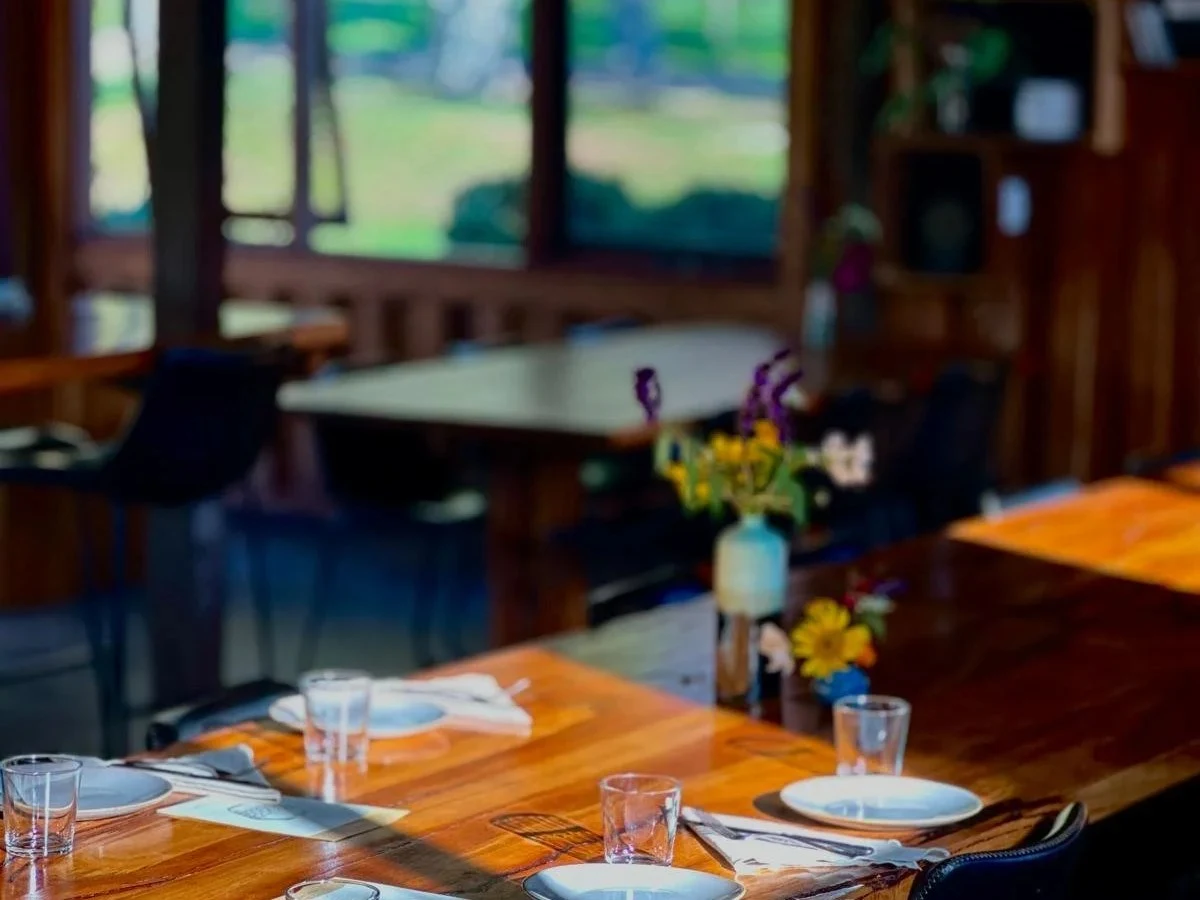
Glenarty Road, the Margaret River farm-to-table restaurant, features a warm dining room with a long communal table set for guests.
The food side of the equation has taken longer to catch up, though Glenarty Road in Karridale, the farm-to-table operation that gardeners Amy Dyson and Bec Davie both worked at before joining Wayfinder, has been one of the clearest signals that the region can sustain a kitchen built around its own land.
Dyson and Davie bring that lineage directly into Wayfinder's garden program; their time at Glenarty Road is not incidental background but the practical knowledge that will determine what the kitchen can actually cook from week to week.
Restaurant manager Cat Houlberg arrives from Old Young's Kitchen in the Swan Valley, another WA venue that has built a reputation around produce-driven hospitality. CEO Paul McArdle's background includes consulting to Must Winebar in Perth, one of the city's most enduring wine-focused venues. The team has been assembled with care, and the collective CV reads as a set of deliberate choices rather than available hires.
What Wayfinder Wines Margaret River is attempting is an integration that few estates in the region have managed: a winery where the farming philosophy, the production method, the kitchen sourcing, and the dining room design all follow the same argument. Each element reinforces the others. The rammed earth walls echo the regenerative farming.
The gravity-fed winery echoes the Zesti Icarus grill. The market garden feeds the kitchen, which feeds the story the wines are already telling. When these systems align, the rammed earth and the garden and the cellar read as a single decision, not a set of amenities assembled for a brochure.
That is what separates a destination worth returning to from one worth visiting once.
For food-and-wine travellers planning a Margaret River itinerary, a 60-seat restaurant in a region where destination dining books out months in advance is worth securing early. The August opening gives visitors a narrow window to be among the first through the door before the room fills on reputation alone. Pre-opening awareness is the advantage here; act on it before the bookings open and the window closes.
Practical Details: When to Visit and What to Expect
Wayfinder Winery & Farm Restaurant is due to open in August on its Cowaramup estate in Margaret River. The dining room seats 60, with tasting menu and à la carte options both available from launch. A casual lawn menu will run alongside the main restaurant, suited to a more relaxed visit or a family afternoon on the property. Community market days and garden workshops are also planned, opening the estate to a broader audience beyond the dining room.
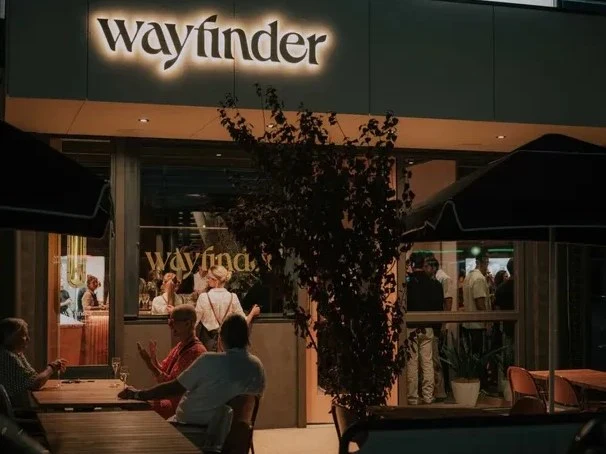
Nighttime at Wayfinder, the Margaret River Region venue, with guests enjoying the outdoor seating area.
The kitchen will draw primarily from the estate's own 0.4 hectare market garden and from West Australian producers, with house-made bread and pasta, fermentation and pickling, and estate-grown produce at the centre of the menu. The only red meat Pratt plans to cook is Wayfinder's own regeneratively farmed lamb. The Zesti Icarus grill handles the char work without charcoal.
For those following the Wayfinder label as a wine proposition, Andrew Trio's return to Margaret River after a decade in America is the detail to track across the first few vintages. The wines from a gravity-fed, regeneratively farmed estate under a winemaker with that kind of formation will tell you a great deal about where the label is headed. Wayfinder Wines Margaret River is not yet open, but the people behind it have given every reason to follow it closely before the doors do. Made By follows the people who shape what you eat and drink. Subscribe, and the next dispatch from the bench, the cellar, or the kitchen comes to you.
The Sunday letter
Get the next Made By guide in your inbox.
We send one email every Sunday morning with the guides and profiles we published that week.