The advisor calls from a number not yet saved in your phone, or the letter arrives on cream stock. On the line is the authorised retailer, telling the client that a name has moved.
That call is where years of smaller purchases, counter conversations, and returns to the same boutique become a conversation about an annual calendar or a bespoke dial. For most collectors, it is the closest they come to the bench at Patek Philippe.
The house does not publish a waitlist portal, run a public ballot, or sell its most requested references outside its authorised dealer network. The route that holds is slower: a purchase history with one authorised retailer, kept over time and without pressure.
How Patek Philippe Allocation Works
Patek Philippe keeps production tight and does not disclose quantities publicly. The references that draw the most requests, the Nautilus 5711, the Aquanaut 5167, the annual calendar complications, reach authorised retailers in numbers that do not meet demand. A single boutique in a major city may receive one or two examples of a given reference in a calendar year, against a list of clients who have already waited considerably longer.
The house works through a global network of authorised retailers and its own Patek Philippe salons. The Patek Philippe Salons and Maisons are the only places where visitors can discover the entire current collection.1 Access to the most allocated references moves through that network exclusively; grey-market supply exists, but at prices shaped by scarcity rather than retail. The gap between authorised retail and secondary market prices on the most sought references has, by most accounts, run to multiples of the retail figure for the better part of a decade, which is why the authorised channel remains the path for a collector who wants the watch at retail and the relationship recorded at the counter. The house does not publish retail prices centrally in a way that can be verified consistently across markets; pricing varies by country and is confirmed at point of sale by the retailer.
Allocation is not a simple measure of enthusiasm. It is the authorised retailer, not Patek Philippe directly, who chooses which clients will receive a coveted allocated watch.2 Retailers allocate to clients whose purchase history shows breadth across the catalogue, loyalty to a single boutique, and a relationship that predates the current period of peak demand. A client who arrives asking only for a Nautilus, with no prior history, is unlikely to receive one. The useful step is plain: choose one authorised point of contact, then let the record build there before asking for the hard watch.
The Authorised Retailer Route, and What Auction Can Do Instead
Retail allocation has one channel: the authorised retailer. Patek Philippe does not sell watches through its website, operate a public waiting list, or accept commissions from unknown clients directly through the Geneva manufacture. The retailer is the point of contact; the relationship at the boutique is the method.
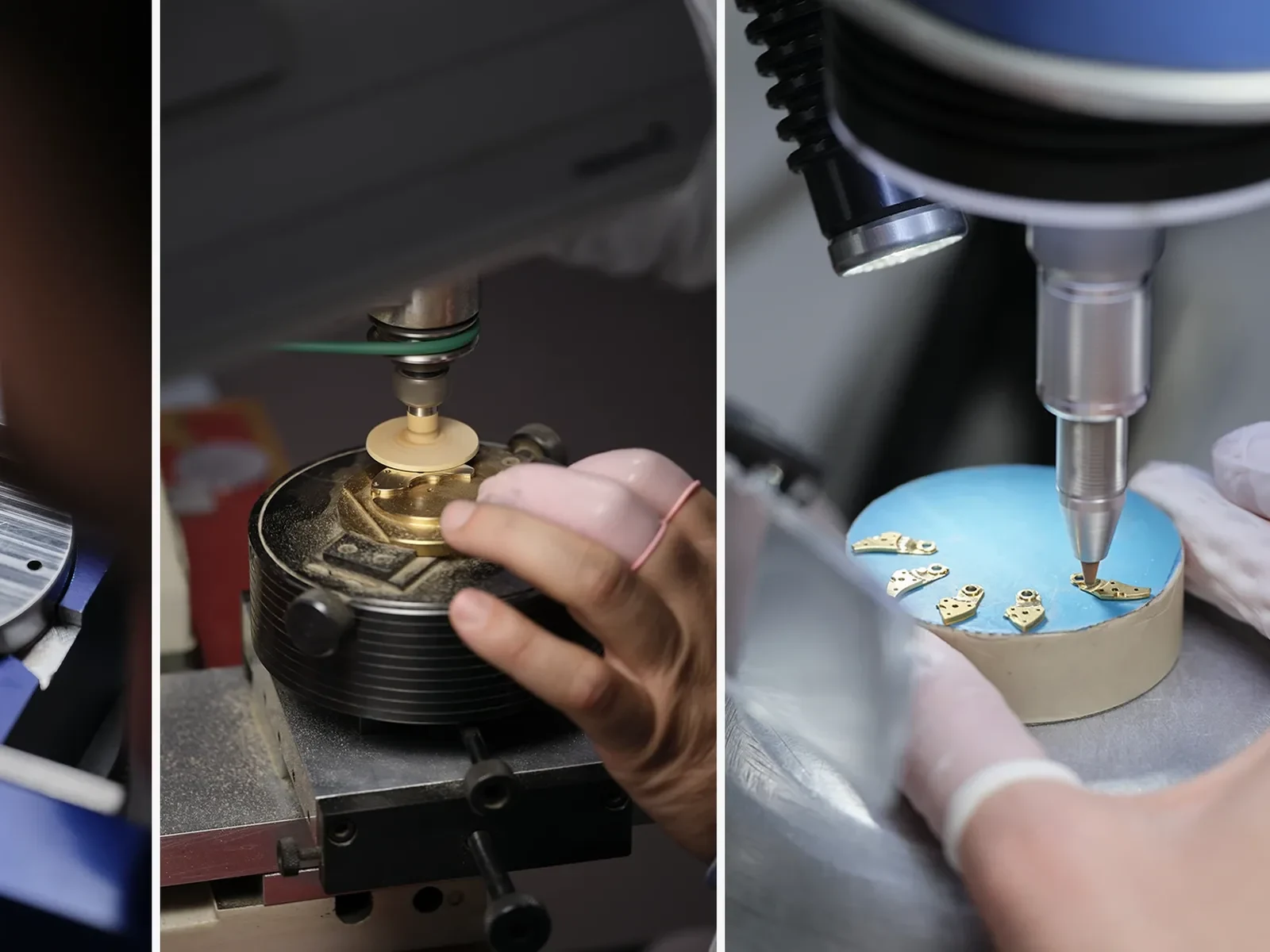
Within the authorised channel, there are gradations. Patek Philippe operates exclusive salons in Geneva, London, Paris, Shanghai, and Beijing.3 These are the house's own retail rooms, staffed by Patek-employed advisors, and they carry the full catalogue including complications that some multi-brand retailers do not stock. Patek Philippe Salons often carry limited-edition and boutique-only pieces unavailable elsewhere.4 Independent authorised retailers, jewellers and watch specialists who carry Patek alongside other houses, also receive allocations, and in some markets they hold client relationships that predate the salons themselves.
For a bespoke commission, the request travels from the retailer to the manufacture. The house's Atelier programme handles special dials, engravings, and certain case modifications; access to that programme is not open to the public directly and is initiated by the retailer on the client's behalf, after the client relationship is established. The Patek Philippe website provides a retailer locator as the starting point for finding an authorised point of contact.
Grey-market dealers and auction houses (Christie's, Sotheby's, Phillips) offer a parallel route to ownership, but not to retail pricing or to the bespoke commission process. Choose auction if you want a specific reference immediately and are prepared to pay the secondary market premium; stay with the authorised retailer if a commission or a retail allocation is the goal.
When the Patek Philippe Commission Conversation Begins
Patek Philippe and its authorised retailers do not publish a schedule for when allocations are offered to clients. There is no drop date, calendar window, or annual ballot. The retailer contacts the client when a piece becomes available and when the client's purchase history and relationship justify the offer. The timeline sits entirely with the retailer.

For a bespoke commission through the Atelier, lead times are not published centrally and vary by the complexity of the work. The house does not confirm timelines publicly; the retailer is the correct point of contact for a realistic estimate. Patek does not publish a lead-time figure, and any number circulating in collector forums should be treated as anecdotal until confirmed with the retailer handling the commission.
There is no release window to time. Access is made continuously, through purchase history and a kept relationship. If you need a watch by a specific date, auction is the cleaner route; if you want retail allocation or Atelier access, the retailer relationship has to come first.
How to Improve Your Odds at One Boutique
Buy across the catalogue, not only toward the target reference. Retailers track what clients purchase and what they ask for. A client who buys a Calatrava, a dress watch complication, and a ladies' piece over several years has shown engagement with the house's range. A client who declines everything except the Nautilus has shown a preference for the secondary market premium, not a relationship with the maker.
Work with one retailer, not several simultaneously.Hopping between waiting lists at different authorised dealers is frowned upon by Patek Philippe.5 The authorised network is smaller than it appears, and retailers are aware when a client spreads enquiries across multiple boutiques. Consolidating purchases and conversations at a single point of contact builds the history that matters.
Do not ask about the waitlist directly, and do not apply pressure. The mistake collectors report most often is treating the retailer relationship as a transaction to be optimised rather than a relationship to be kept. Advisors who feel pressured do not accelerate allocations; they note the pressure and move on to clients who are easier to work with.
Do not buy to flip. The house and its retailers monitor secondary market activity. A client whose purchases consistently appear at auction shortly after acquisition is unlikely to receive further allocations. This is not a written policy that is publicly confirmed, but it is consistent with how the authorised network operates by most accounts.
Understand the cost structure before the conversation begins.Entry-level Patek Philippe pieces start around $20,000 for mechanical references,6 with the current flagship Nautilus 5811/1G retailing at approximately $82,000.7 For a bespoke commission, Atelier work, including dial engraving and special finishing, adds costs to the base reference price; the retailer will provide a breakdown before the commission is confirmed. No deposit structure is published centrally, so confirm the payment schedule with the retailer at the outset.
Inside the Patek Philippe Salon
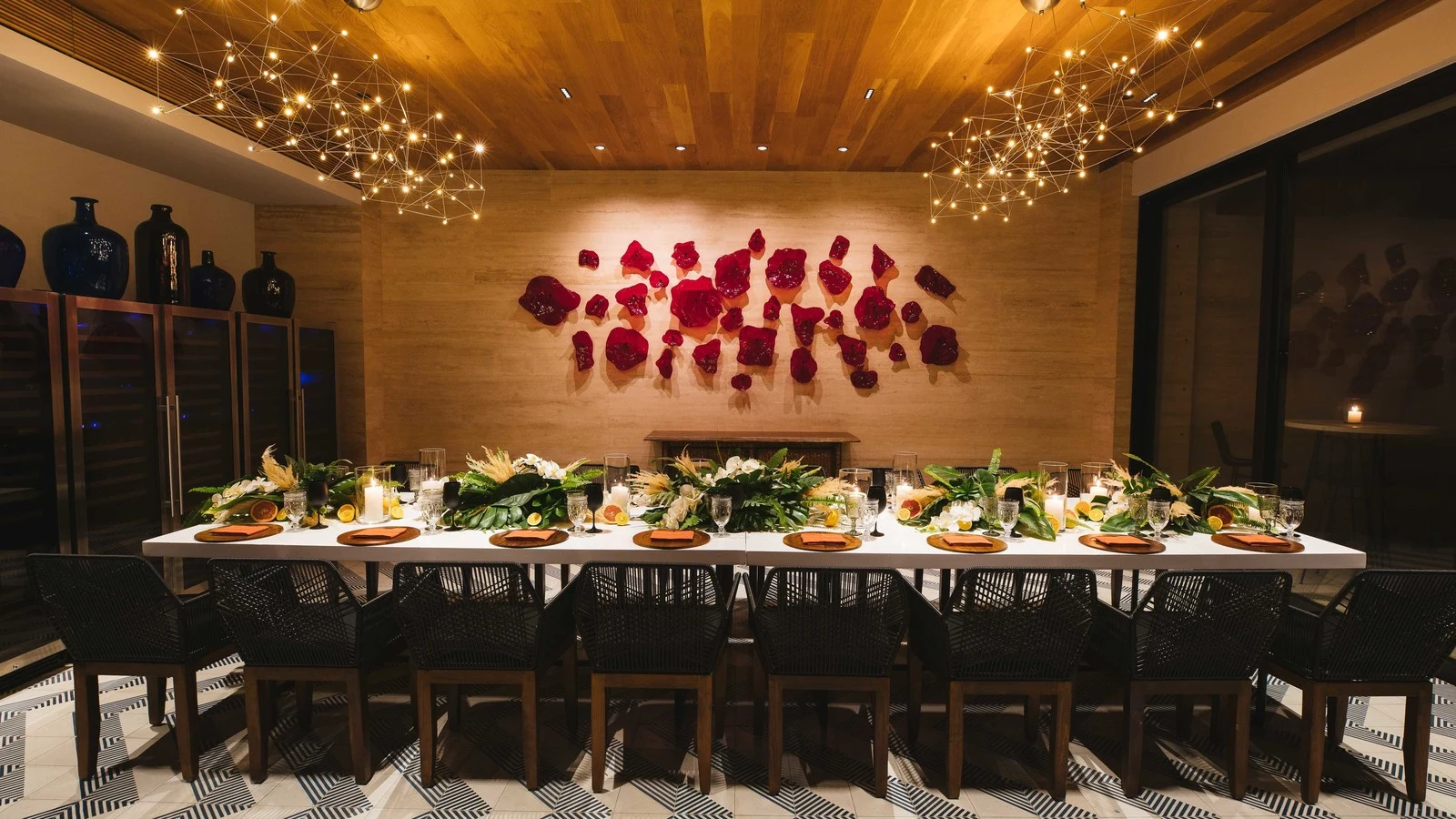
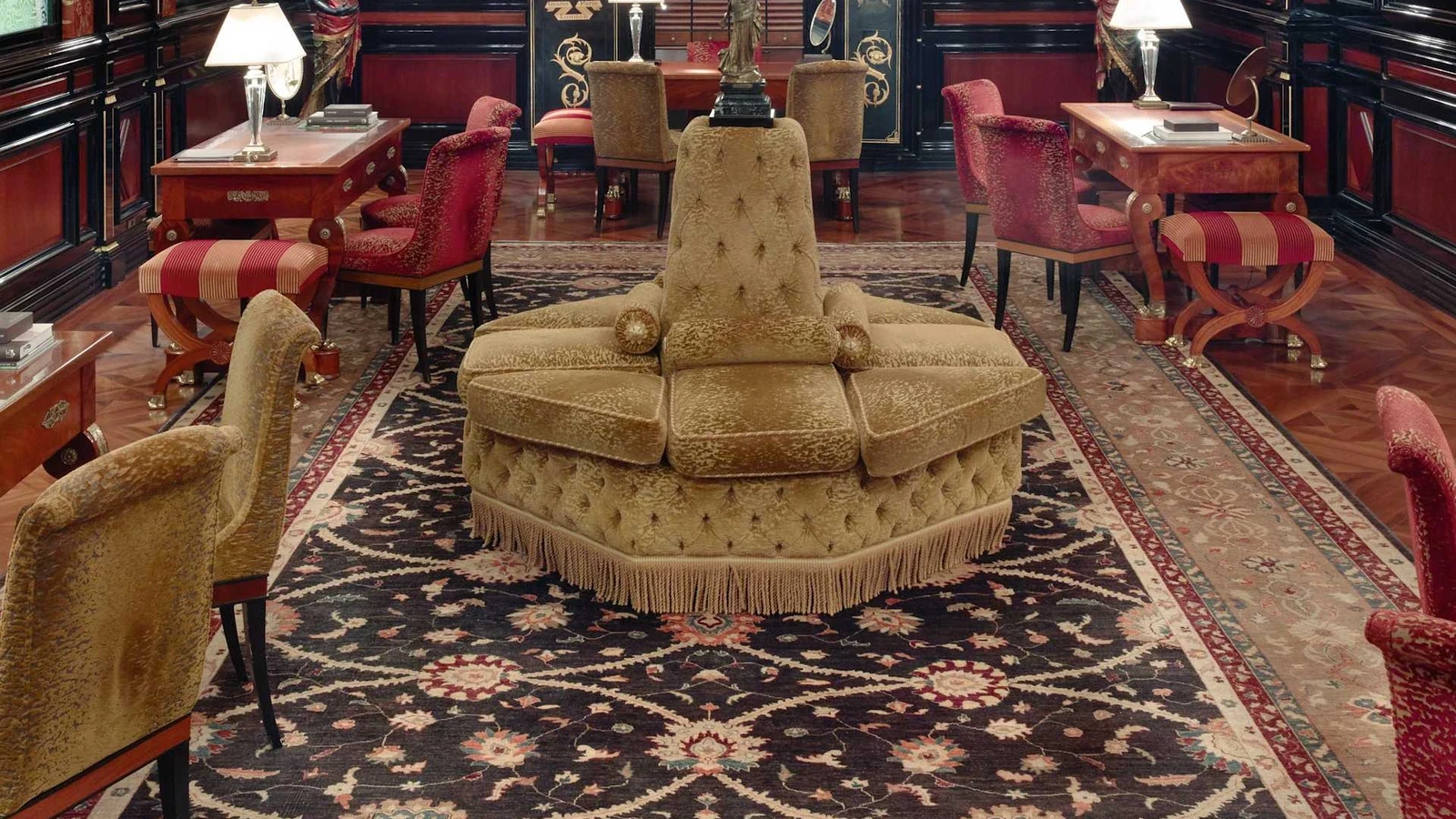
The Patek Philippe salons are quiet rooms. The Geneva salon sits at Rue du Rhône 41, 1204 Geneva,8 and is open Monday through Friday 10:00 AM to 6:30 PM and Saturday 10:00 AM to 6:00 PM.8 Each salon is arranged to slow the transaction down. The watches are presented in sequence, not arrayed for browsing. An advisor sits with the client, asks about the collection, and works through references that fit the stated interest and the purchase history on file.
For a standard purchase, the conversation covers the reference, the movement, the case metal, and the strap options. For a complication, the advisor will typically walk through the function of the mechanism, the setting procedure, and the service interval. The venue does not publish a universal service schedule; confirm the current guidance for the specific calibre directly with the salon.
For a bespoke commission, the conversation is longer and involves more decisions. Dial colour, applied indices versus printed, engraving on the caseback or the movement, strap material and stitching: each choice is documented and confirmed before the commission is submitted to the manufacture. The client does not visit the manufacture directly; the salon is the interface. Samples of dial colours and finishing options may be shown, but the final result is confirmed only when the piece is complete.
The salon moves at its own pace by design. There is no pressure to decide in the room. The advisor's role is to present the options accurately and to manage the client's expectations about timing and availability. What the salon cannot do is accelerate an allocation that has not been received from the manufacture, and a good advisor will say so plainly.
Patek Philippe Alternatives and Immediate Ownership Routes
If the brief is retail allocation, the Patek Philippe authorised retailer remains the route. If the brief is immediate ownership, or comparable craft without the same pressure on every reference, the choices separate quickly.
| Route | Difficulty | Cost vs. Retail | Lead Time | How to Access |
|---|---|---|---|---|
| Patek Philippe authorised retailer (allocation) | Very high, relationship-dependent | Retail price (unpublished centrally; confirmed at point of sale) | Unpublished; years in practice | Build purchase history at one boutique |
| Patek Philippe Atelier bespoke commission | Very high, requires established retailer relationship | Retail + Atelier premium (unconfirmed publicly) | Unpublished; confirm with retailer | Initiated by retailer on client's behalf |
| Auction (Christie's, Sotheby's, Phillips) | Low barrier to entry; competitive bidding | Secondary market premium, often significant | Immediate on lot availability | Register as bidder; no prior relationship required |
| A. Lange & Söhne (authorised retailer) | High, but allocation pressure lower than Patek on most references | Retail price; comparable tier | Shorter in practice on many references | Authorised retailer network; retailer locator |
| F.P. Journe (direct or authorised) | High on most sought references; direct relationship with the house possible | Retail; secondary market premium on key references | Unpublished; varies by reference | Boutiques in Geneva, Paris, New York, Tokyo |
A. Lange & Söhne. The Glashütte manufacture produces complications at a comparable level of finishing and at a similar price tier. The Lange 1, the Datograph, and the Zeitwerk each come from a distinct discipline; the Datograph's flyback chronograph mechanism, assembled and regulated by a single watchmaker, is among the most studied calibres in independent horology. Allocation pressure exists but is, by most accounts, lower than Patek on the majority of references. The authorised retailer network is the correct starting point.
F.P. Journe. François-Paul Journe produces watches in small numbers from his Geneva manufacture, and the house maintains boutiques where the relationship with the maker is more direct than at a multi-brand retailer. The Chronomètre Bleu, the Tourbillon Souverain, and the Octa series each carry a movement finished to a standard that rewards close study. Allocation on the most sought references is tight; the boutique relationship is the method here as well.
Auction for immediate ownership. If the goal is to own a specific Patek reference now, Phillips, Christie's, and Sotheby's each run dedicated watch sales where examples appear regularly. The secondary market premium is real and should be part of the decision; for a collector who values time over price, it is the direct route.
Voutilainen. Kari Voutilainen's atelier in Môtiers, Switzerland, produces a small number of watches each year, and the commission process is more direct than at a large manufacture. The waiting period is long; the relationship with the maker is genuine. For a collector whose interest is in the craft of the movement rather than the brand lineage, Voutilainen is worth the conversation.
Who Should Pursue a Patek Philippe Commission
The authorised Patek Philippe route suits collectors who are already engaged with the house's catalogue across multiple references and who are prepared to keep a single retailer relationship over years without a guaranteed outcome. It is the correct path for someone building a collection with a long horizon, not for someone who wants a specific reference by a specific date.
The bespoke commission is for clients who have already established the retailer relationship and who have a specific brief: a dial colour that does not exist in the standard catalogue, an engraving that marks a particular occasion, a case modification that the Atelier can accommodate. It is not a route to jumping the allocation queue; it is an additional layer of personalisation available to clients who are already inside the system.
Anyone whose primary interest is the Nautilus or the Aquanaut as a financial asset should be clear-eyed about whether the authorised route is the right one. The secondary market exists precisely for that transaction.
There is no shortcut into the Patek Philippe allocation system that does not involve either a long purchase history or a significant secondary market premium. The authorised retailer relationship, built over years and across the catalogue, is the only route that reliably works for retail pricing and for access to the Atelier commission programme.
For collectors who are earlier in that process, A. Lange & Söhne and F.P. Journe offer comparable craft at a comparable tier, with allocation dynamics that are, by most accounts, somewhat more accessible on the majority of references. Auction remains the direct route for immediate ownership, with the premium priced in.
The commission process, when it finally opens, has its own terms: a conversation about the movement, the dial, the finishing, conducted without pressure in a room built for that purpose. The piece that results carries the record of that conversation in its caseback. That is what the patience buys, a form of ownership the secondary market cannot supply.
Patek Philippe Commission FAQ
No. The Nautilus 5711 and similarly allocated references are not available for walk-in purchase at authorised retailers or Patek Philippe salons. Availability is offered to clients with an established purchase history at a specific boutique. The salon will take your details and note your interest, but there is no public waitlist to join and no timeline that can be confirmed at the point of first contact.
How long does a Patek Philippe Atelier bespoke commission typically take?The house does not publish lead times for Atelier commissions centrally, and the timeline varies by the complexity of the work requested. Collector accounts suggest waits of a year or more on complex dial or engraving commissions, but these figures are anecdotal. The authorised retailer handling the commission is the correct source for a realistic estimate before the commission is confirmed.
Does Patek Philippe publish retail prices, and what should you expect to pay at the Geneva salon?Patek Philippe does not maintain a single publicly verifiable retail price list that is consistent across all markets. Prices are set by the house, vary by country, and are confirmed by the authorised retailer at point of sale. For a bespoke commission, the base reference price is supplemented by Atelier costs that are quoted by the retailer before the commission is submitted; no deposit structure is published centrally.
Is buying a Patek Philippe at auction a legitimate alternative to the authorised retailer route?Yes, for immediate ownership of a specific reference. Phillips, Christie's, and Sotheby's each run dedicated watch sales where Patek Philippe examples appear regularly, including grand complications and discontinued references. The secondary market price will typically exceed the authorised retail price, sometimes significantly. Auction does not provide access to the Atelier commission programme or to the retailer relationship that governs future allocations.
Will spreading purchases across multiple Patek Philippe authorised retailers simultaneously improve your allocation chances?No. Spreading purchases across several boutiques divides your purchase history rather than consolidating it, and retailers are generally aware when a client is working multiple relationships simultaneously. Collectors with successful allocation histories tend to keep all purchases and conversations at a single authorised retailer over time.