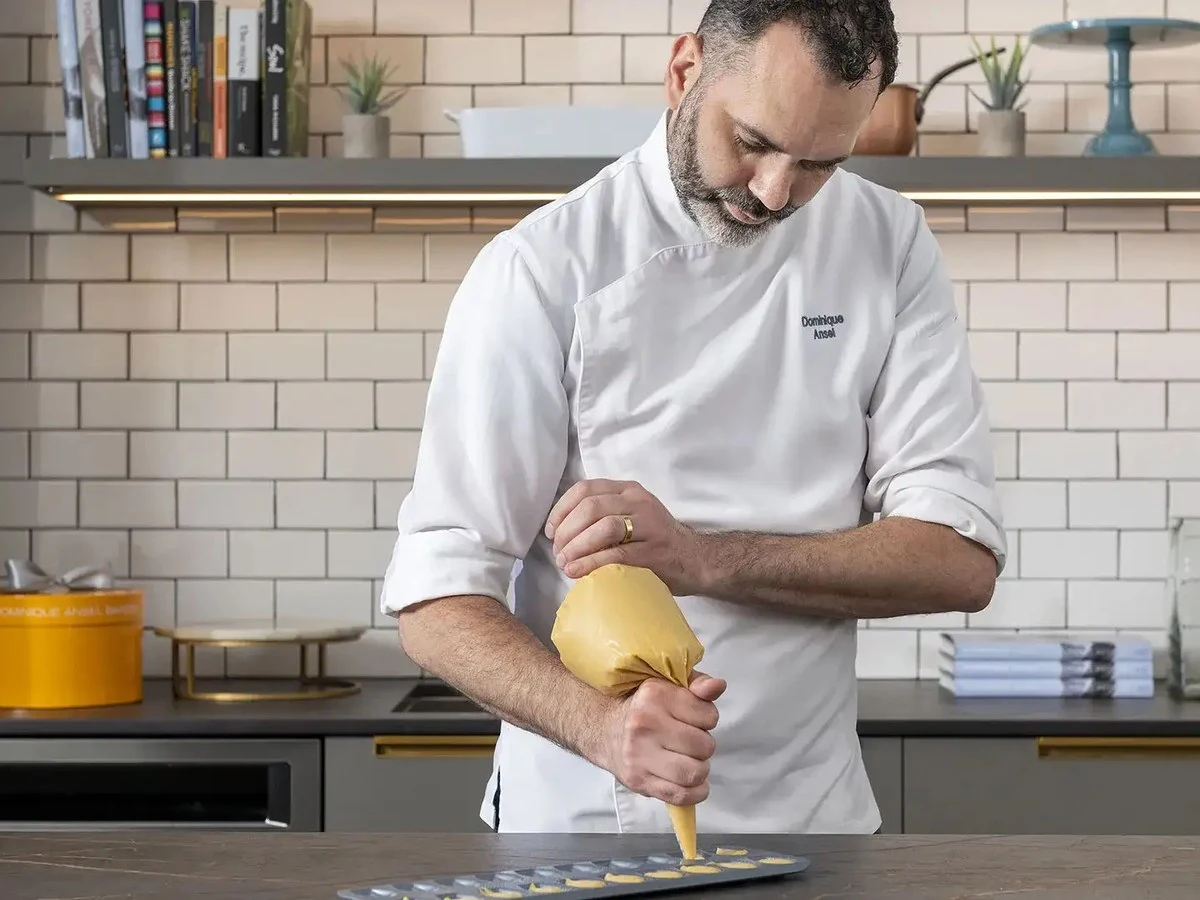
The choux at the West Village kitchen is still piped by hand, a detail that has not changed through the years since the kitchen established its reputation in the West Village. That detail matters here, because the access question for the pastry chefs who are seriously advancing the dessert course at the highest level of fine dining is not simply "can you get a table?" It is: can you commission the work, sit close enough to watch it happen, and understand what you are eating well enough to carry the method home with you? Access varies sharply by maker. Some counters are bookable tonight; others have waitlists measured in months. The single best route for most readers is a direct approach to the studio or restaurant, made early, with a clear brief.
Why the Dessert Counter Books Out Before the Savory Kitchen Does
The pastry course at a serious tasting menu restaurant is produced by a team that is almost always smaller than the savory kitchen. Where a brigade of twelve might execute the first eight courses, the final three often rest with two or three people, sometimes one. Capacity is structural: the number of covers a pastry chef can genuinely attend to in a single service is not a policy choice but a physical one, set by the size of the station, the number of components in each plate, and the time required to execute them at temperature.
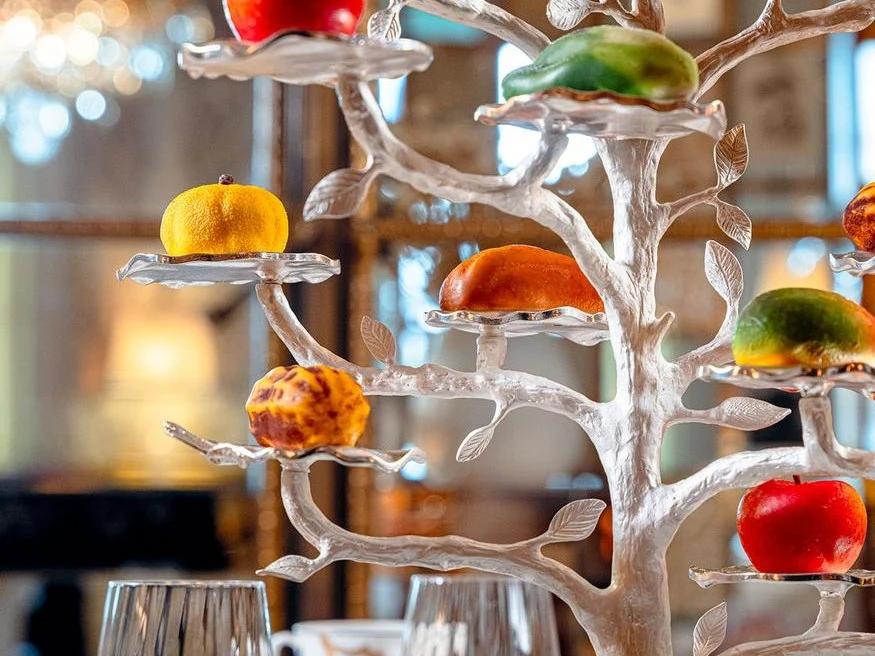
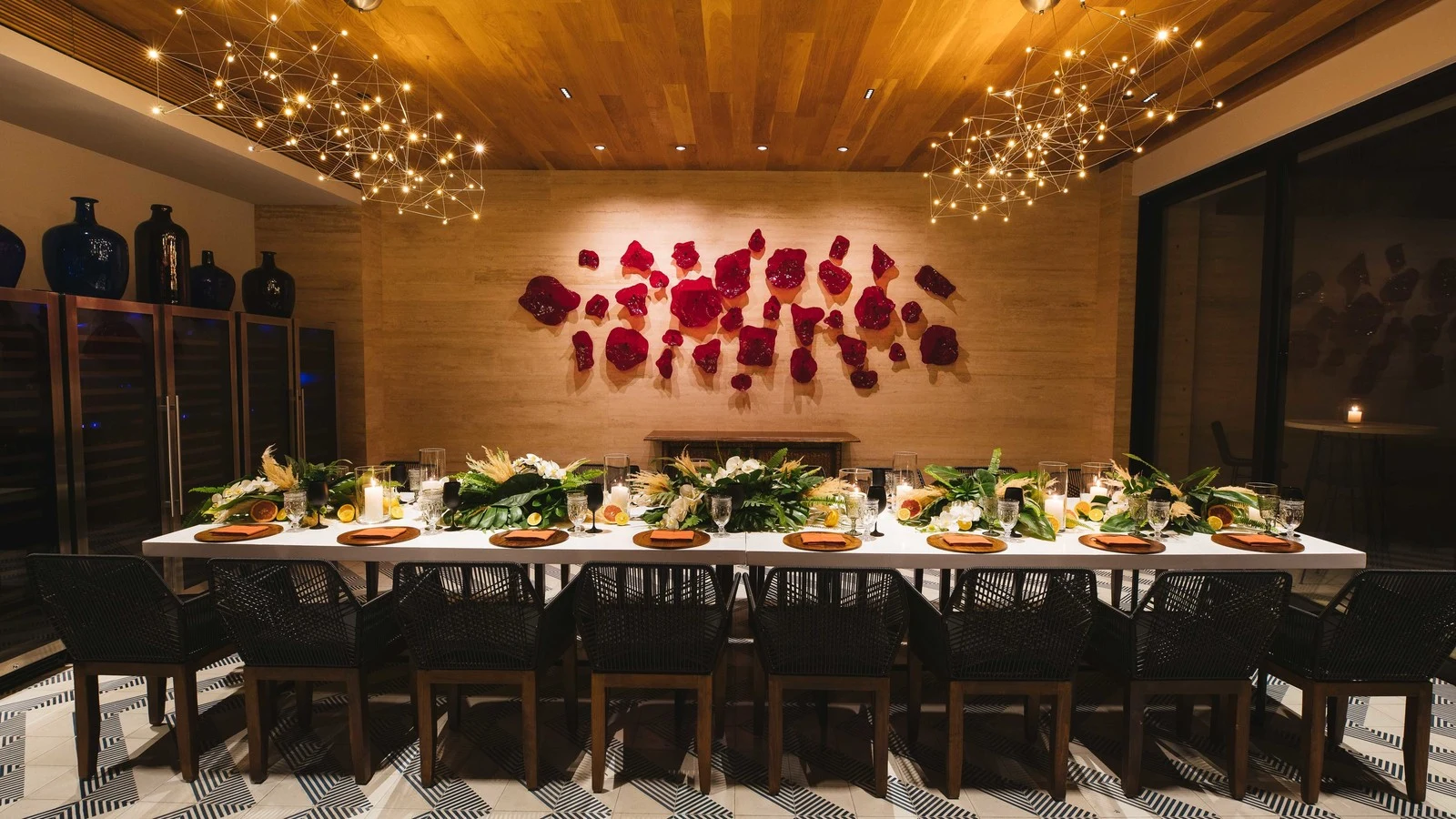
The chefs who have moved the discipline furthest tend to run the smallest programs. A chef's counter focused on the dessert course, or a tasting menu where the pastry chef holds equal billing with the savory chef, rarely seats more than a dozen covers at a time. The venue does not publish seat counts in most cases; confirm capacity directly before planning around it. At U.P., the dessert tasting experience at Dominique Ansel Kitchen, the table seated eight, and the format ran eight courses. That is the physical ceiling for a single service.
Demand compounds the scarcity. The pastry chefs who have earned the most sustained critical attention draw an audience that includes other professionals, food journalists, and collectors of culinary experience who plan well in advance. Jessica Préalpato held the title of World's Best Pastry Chef in 2019 at Alain Ducasse au Plaza Athénée in Paris; Cédric Grolet's trompe-l'oeil work at Le Meurice has drawn practitioners from across the industry. The competition for a seat is not casual.
How to Actually Reach the Maker: Channels That Work
For a bespoke commission, the process begins with a direct approach to the studio or restaurant's private dining or events contact. Most of the pastry chefs working at this level do not advertise commission availability publicly; the work comes through relationships, through the restaurant's events team, or through a direct inquiry that demonstrates real knowledge of the maker's method.
For a tasting menu seat where the pastry course is the draw, the booking surface is almost always the restaurant's own reservation platform. At U.P., tickets are sold by the pair on the venue's website, seven weeks out;1 the two-ticket minimum applies across all standard bookings.1 For Paris-based makers like Grolet, the restaurant's own booking system is the primary channel; OpenTable and TheFork carry some availability, but the most reliable route is direct.
For a bespoke commission, the money-vs-time tradeoff is real. A commission arranged through a restaurant's events team, with full consultation and a dedicated tasting session, will carry a significant premium over a standard tasting menu seat. At U.P., private bookings of the eight-seat table on select weeknights carry a $1,000 fee, plus food costs.1 The venue does not publish commission pricing for bespoke work; contact the studio directly for a current brief. The patient route, joining the mailing list and waiting for a workshop or masterclass to open, costs less but requires lead times that can stretch considerably at the most sought-after programs; the venue does not publish a standard workshop schedule, so monitor the venue's own channels directly.
When the Books Open and What the Calendar Actually Looks Like
The release schedule for tasting menu reservations at the restaurants where these pastry chefs work is not standardized. Some venues open a rolling window; others release blocks seasonally. The venue does not publish a universal release schedule; confirm directly with the restaurant before planning around a specific drop time.
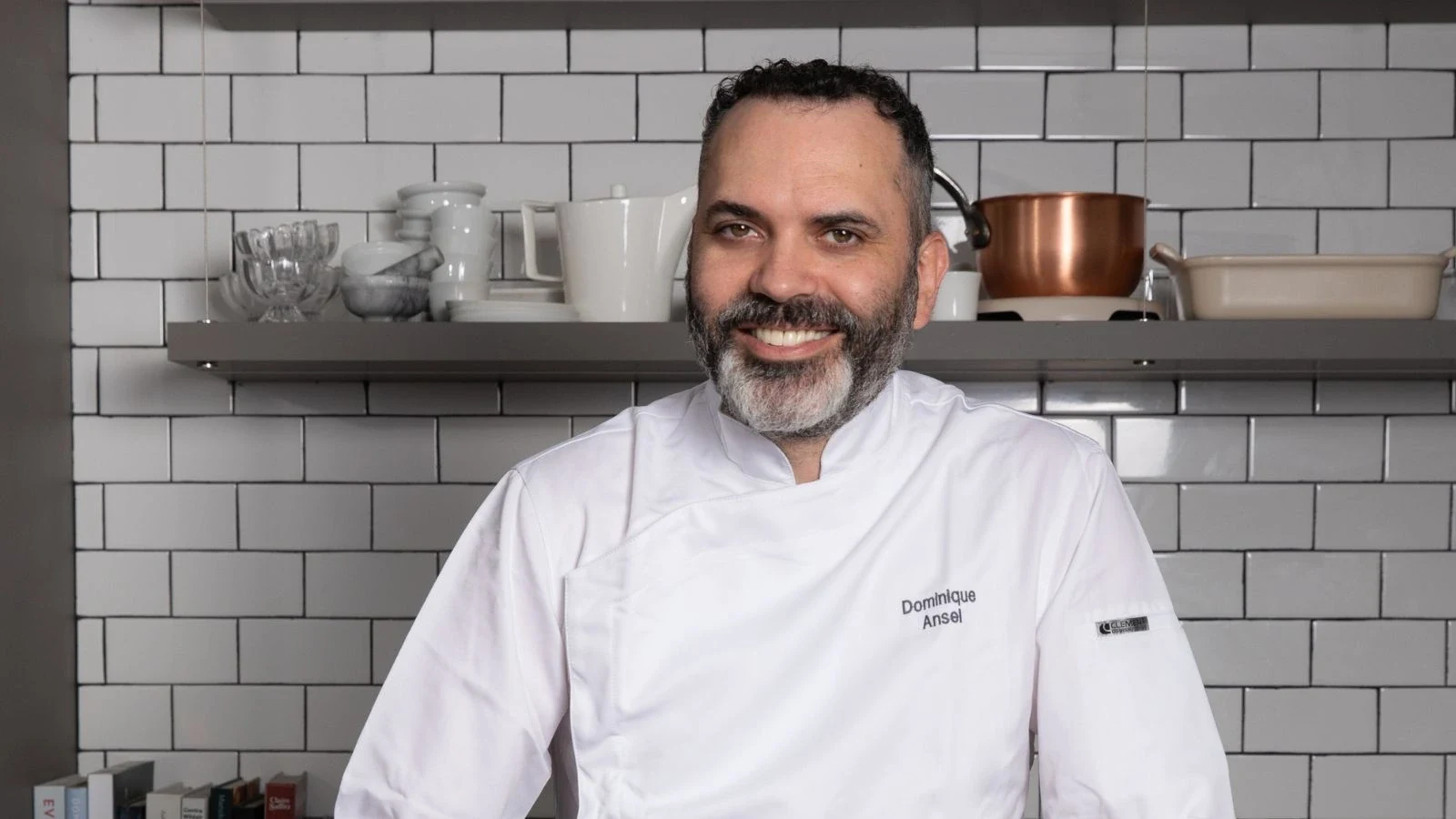
For workshops and masterclasses, announcements typically come through the chef's own social channels and the restaurant's mailing list. Dominique Ansel's kitchen has run structured workshop formats in New York and London; current dates and formats are not publicly confirmed; monitor the venue's own channels.
For a bespoke commission, the lead time is set by the complexity of the brief and the maker's current schedule. A commission that requires a new technique or a seasonal ingredient will take longer than one that draws on an established repertoire. The venue does not publish a standard lead time for bespoke work; initiating contact well in advance, and expecting that the most sought-after makers will ask for longer, is the practical approach.
The Strategy That Improves Your Odds at the Bench
The practitioners who consistently secure access to the best pastry programs share a few habits. First, they approach the maker as a peer, not a consumer: the inquiry that lands is the one that demonstrates knowledge of the method, names a specific technique or ingredient, and asks a question that shows the writer has done the background reading. An opening that references a specific technique or a named season of work will be read differently from one that simply requests a private experience.
Second, they treat the mailing list as the primary intelligence channel, not as a backup. The mailing list is where workshop dates, new formats, and commission availability are announced first, often before social media. Sign up directly through the venue's site.
Third, they are flexible on format. The chef's counter at a tasting menu restaurant is the hardest seat; a workshop, a masterclass, or a private dining format with a pastry-focused menu is often more accessible and, for practitioners, more useful. The hands-on format puts you at the bench, not just at the table.
The money-vs-time tradeoff resolves differently depending on what you are actually after. If the goal is a commission, the expensive-but-direct route is to approach the restaurant's events team and accept the premium for a fully managed process. At U.P., the tasting menu runs $85 per person,1 with an optional cocktail and wine pairing at an additional $35.1 If the goal is proximity to the method, the patient route, a workshop or masterclass booked through the mailing list, costs less and yields more for the practitioner.
At the Bench: What the Pastry Course Looks Like from the Inside
The experience of watching a serious pastry chef work a service is different from watching the savory kitchen. The pace is longer; the components are assembled closer to service, not during it. A plated dessert at a tasting menu might involve a component that has been proofed for an extended period, a gel set at a precise temperature, and a garnish cut to a specific angle, all brought together in the final minutes before the plate leaves the pass.
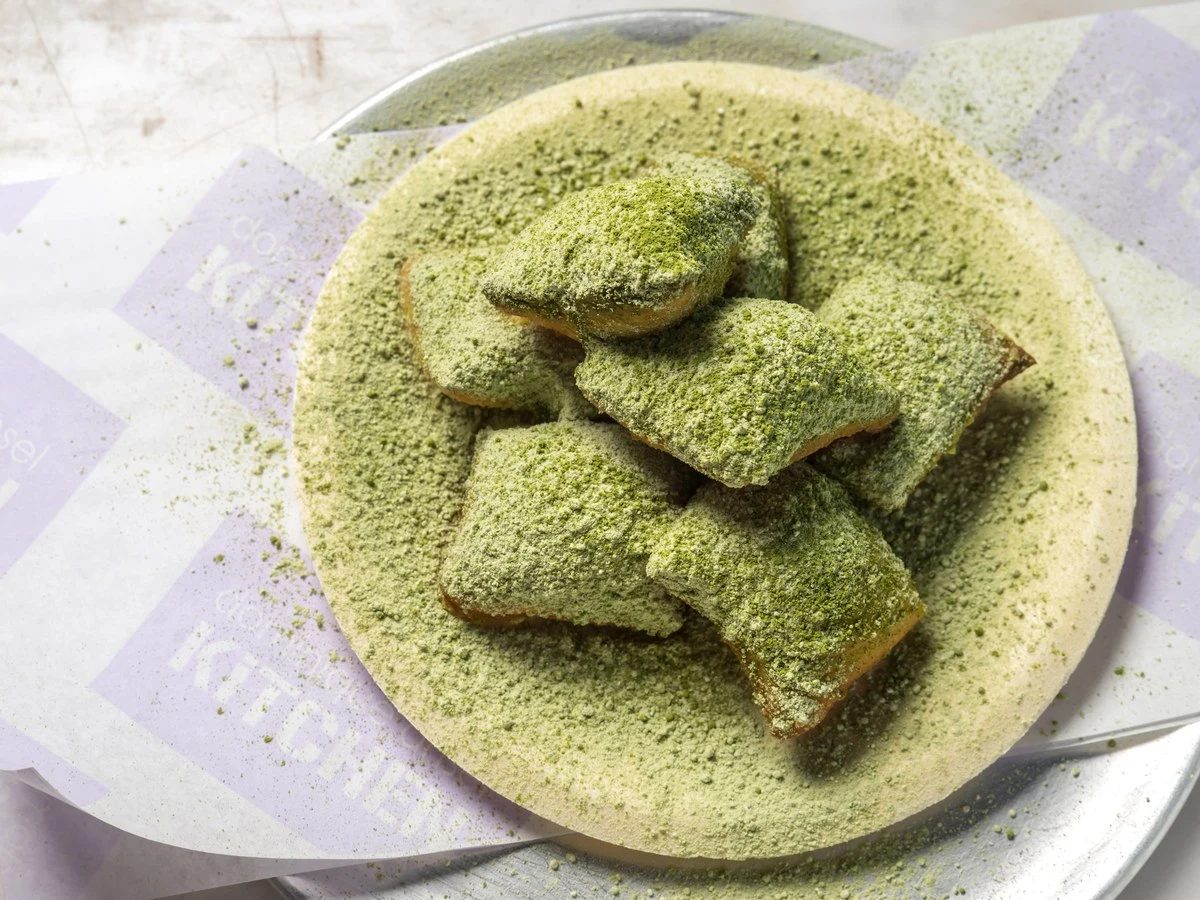
At the level of the chefs discussed here, the dessert course is not a coda to the meal. It is a separate argument about flavor, texture, and season.
Préalpato's approach at Ducasse, which she has described in interviews as "desseralité," involves reducing refined sugar in favor of fruit-forward sweetness and fermented dairy; the method requires a different calibration of acidity and fat than classical French pastry, and the result reads as lighter on the plate without sacrificing structure.
Grolet's trompe-l'oeil fruit sculptures at Le Meurice are built from a ganache core, a praline layer, and a mirror glaze tinted to match the skin of the fruit being referenced; the technique is classical in its precision and contemporary in its reference.
A workshop format puts you close enough to see the hand position on the piping bag, the angle of the palette knife, the moment the chef decides a component is ready. That proximity is what the tasting menu seat, however good, cannot fully replicate. If the goal is to carry the method back to your own bench, the workshop is the right format.
Pastry Chef Access: Formats, Difficulty, and How to Book
| Maker / Venue | Primary Format | Access Difficulty | Lead Time (reported) | How to Book |
|---|---|---|---|---|
| Dominique Ansel Kitchen (U.P., New York) | Eight-course dessert tasting;1 workshops; private events | Moderate (counter); High (private commission) | Tickets released seven weeks out1 | Direct via venue website (pairs only);1 mailing list for workshops |
| Cédric Grolet (Le Meurice / Paris) | Tasting menu; pastry boutique | High (tasting menu); Moderate (boutique) | N/A (venue does not publish) | Direct via Le Meurice reservations; boutique walk-in |
| Room4Dessert (Ubud, Bali) | 20-seat counter; dessert tasting menu2 | Moderate | N/A (confirm with venue) | Phone or WhatsApp: +62 813-3705-0539;3 open 16:00 to 22:00, closed Mondays3 |
Where to Go When the First Choice Is Closed
When the tasting menu at the top of your list is fully booked, or when the commission waitlist is longer than your timeline allows, there are four routes that address the same need without the same friction.
Amaury Guichon's Pastry Academy in Las Vegas runs structured programs for practitioners at multiple levels. The format is explicitly educational; you are at the bench, not at the table, and the curriculum covers technique in the kind of depth that a tasting menu seat cannot. For practitioners who want to study the method rather than consume the result, this is the more useful format.
Grolet's pastry boutique in Paris, separate from the Le Meurice tasting menu, offers the trompe-l'oeil fruit sculptures as individual purchases without the reservation friction of the restaurant. The boutique is a walk-in format; the queue is real, but the access is not gated by a reservation system.
The pastry course at a serious regional tasting menu restaurant, one where the pastry chef has trained under a named mentor and holds the station with genuine authority, often delivers comparable craft at lower access friction. The lineage matters: a pastry chef who has spent time in a Ducasse kitchen or under a named program carries that method into their own work; the venue does not publish training histories in most cases, but the chef's own biography is usually findable through the restaurant's press materials.
Online masterclass formats, including those offered by Guichon and by several of the chefs who have contributed to the MasterClass platform, provide access to the method at a fraction of the cost of a live commission. The limitation is obvious: you cannot ask a follow-up question about ganache temperature in real time. But for a practitioner building a foundation, the recorded format is a legitimate starting point.
Who Should Chase This and When
The reader who will get the most from a commission or a workshop with one of these makers is a practitioner: a pastry cook, a chef building a dessert program, a serious home baker who has already worked through the classical curriculum and wants to understand where the discipline is going. The tasting menu seat rewards the curious eater; the workshop rewards the person who wants to carry something back to their own bench.
The occasions that justify the effort and the cost are the ones where the experience is the point: a milestone, a professional development investment, a research trip. The person who books a tasting menu at Le Meurice to celebrate a birthday will have a good evening; the person who books a workshop with Guichon to study sugar work will have a different kind of return on the investment.
The reader who should skip the commission route, at least for now, is the one who has not yet worked through the foundational curriculum. The conversation with a maker at this level assumes a shared vocabulary; arriving without it wastes the maker's time and your own.
The Verdict: Commission the Work or Study the Method
The pastry chefs who are seriously advancing the discipline are not inaccessible, but they are not easy. The tasting menu seat at the top of the list requires patience, a direct approach, and a willingness to plan well ahead. The commission requires all of that plus a clear brief and a budget that the venue does not publish in advance. The workshop is the most accessible format and, for most practitioners, the most useful one.
The mailing list is the only route that reliably surfaces availability before it disappears. Sign up directly through the venue's site, not through a third-party aggregator. When a workshop date appears, move quickly; the seats at the bench go faster than the seats at the table.
For the reader who wants the commission and has the timeline, the direct approach to the restaurant's events team is the right move. For the reader who wants proximity to the method without the full commission cost, the workshop or masterclass format is the smarter chase. The tasting menu seat is the middle path: it puts you close to the work without putting you at the bench, and it rewards the eater more than the practitioner.
The lineage here runs from Ducasse to Préalpato, from Ansel's years at Daniel to his own program, from Grolet's early work in Lyon to the trompe-l'oeil sculptures that now define a generation of pastry aesthetics. The access problem is real, but it is solvable with patience and a direct approach; the makers are worth the effort of finding the right door.
Frequently Asked Questions
How far in advance should I contact Dominique Ansel Kitchen's events team to arrange a private booking of the U.P. table?
The studio does not publish a standard lead time for bespoke commissions. For the private booking of the eight-seat U.P. table, which carries a $1,000 venue fee plus food costs on select weeknights, initiating contact well before your intended date is the practical approach; the venue does not publish a booking window for private events. Contact the venue directly through the reservations or events contact on the official site for current availability.
Can you walk into Cédric Grolet's pastry boutique in Paris without a reservation?
The boutique format is a walk-in experience, separate from the tasting menu at Le Meurice, which requires a reservation. A queue is typical, particularly on weekends and during peak tourist season. The tasting menu at Le Meurice does require a reservation; the venue does not publish a release schedule publicly, so confirm directly with the restaurant for current availability.
What does the U.P. tasting menu at Dominique Ansel Kitchen cost, and how are tickets sold?
The U.P. tasting menu is priced at $85 per person, with an optional cocktail and wine pairing available for an additional $35. Tickets are sold by the pair via the venue's website, with availability opening seven weeks before the seating date. The two-ticket minimum applies to all standard bookings.
Does Jessica Préalpato at Alain Ducasse au Plaza Athénée offer any public workshops separate from the tasting menu?
There is no publicly confirmed standalone workshop or masterclass program from Préalpato... The most reliable way to find out whether any such format exists is to contact the restaurant directly or monitor the chef's own public channels for announcements.
Are online pastry masterclasses from these chefs a genuine substitute for a live commission or workshop at Room4Dessert or U.P.?
For building a foundational vocabulary in technique, recorded masterclass formats are a legitimate starting point. The limitation is the absence of real-time feedback: you cannot ask a follow-up question about ganache temperature or knife angle in the moment. Room4Dessert in Ubud, for instance, operates as a 20-seat counter with reservations taken by phone or WhatsApp, a format that puts you in the room with the work in a way no recording replicates. For a practitioner who has already worked through the classical curriculum and wants to refine a specific technique, the live workshop or commission is the more productive investment.