The confirmation email arrives, and with it a list: bring a notebook, wear closed-toe shoes, arrive fifteen minutes early. That is the first signal that the instructor you have booked time with is not a demonstrator you watch from a velvet seat but someone who will stand beside you at a bench, correcting what you do wrong.
The chefs and instructors who run serious kaiseki and sushi programs in Japan have spent years learning to do one thing at a time, correctly, and they teach the same way. The route to them is more open than the reputation of either cuisine suggests, but the programs worth taking fill quickly, do not advertise loudly, and reward the student who contacts the studio or school directly.
Why the Best Instructors Cap Enrollment Tightly
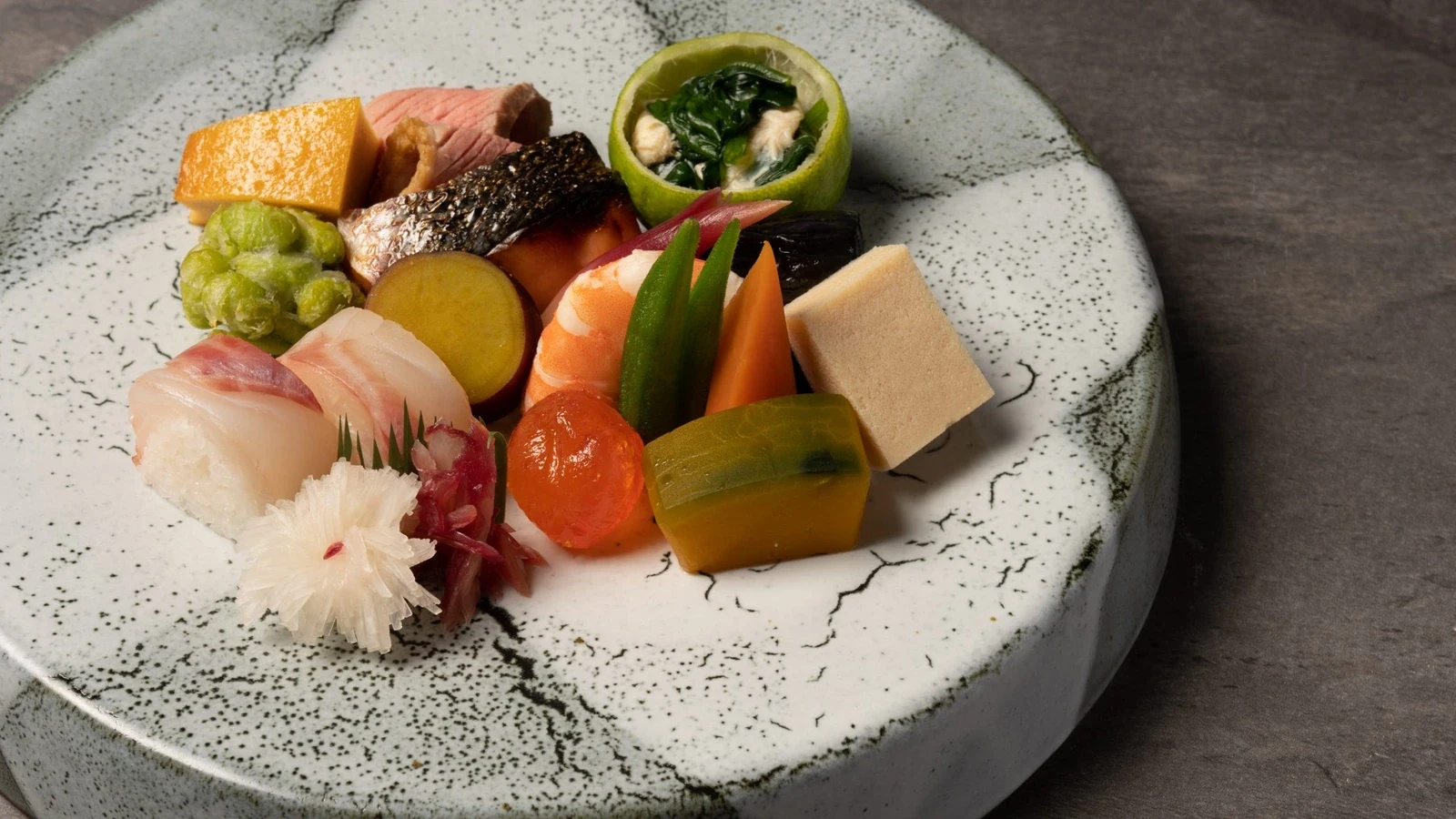
The chefs who teach kaiseki and sushi at a level worth studying built their own training on ratio and sequence. A kaiseki meal moves through eight or more courses, each tied to a season, a vessel, a cutting technique, a temperature.
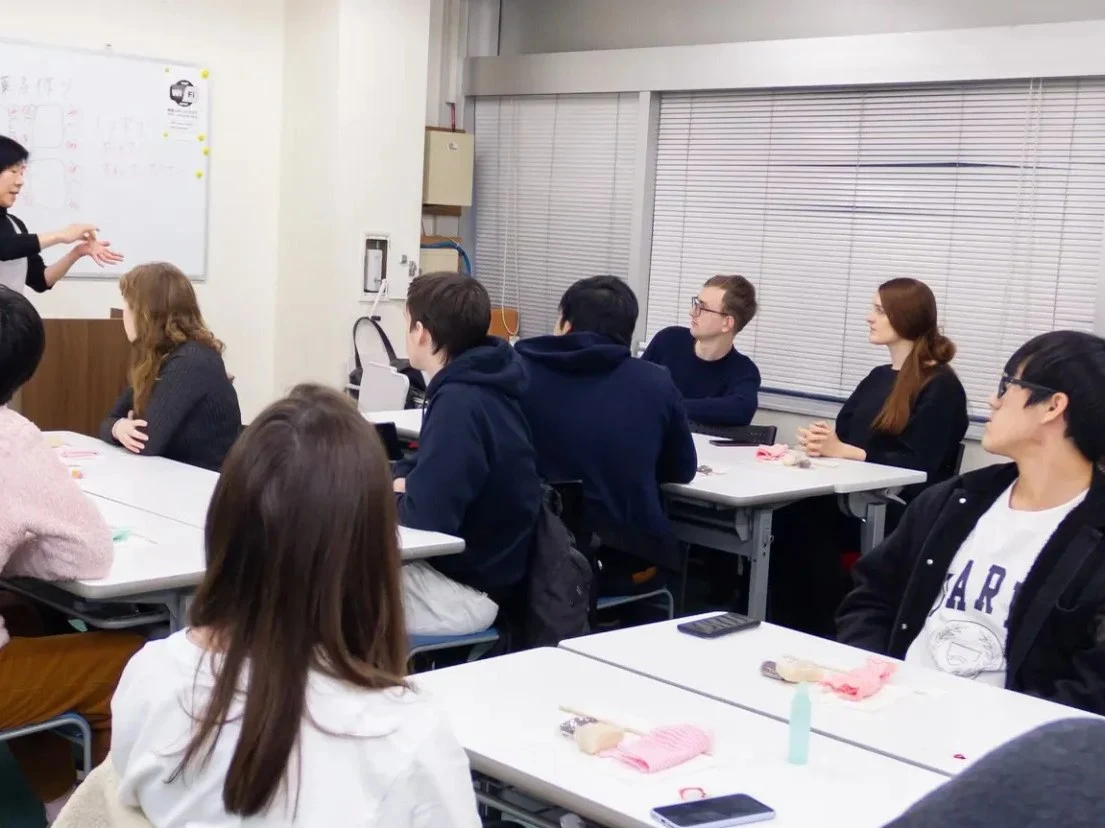
Sushi instructors at the level worth studying require you to understand rice seasoning (the ratio of vinegar to sugar to salt shifts by house and by season), knife maintenance, and the geometry of nigiri construction before they let you touch a single piece of fish. These are not skills a large open class can absorb in a short session, and the instructors know it.
The chefs running these programs cap enrollment tightly because they need to correct grip, angle, and timing at each station. That constraint is structural, not artificial scarcity.
The compression of serious instruction into small cohorts means that the best programs in Tokyo, Kyoto, and the handful of Western cities with credible Japanese culinary schools run at near-permanent capacity during peak travel seasons, typically March through May and October through November. A student who plans around those windows without booking well in advance will find the instructor's calendar closed. The programs that still have seats in peak season are usually the ones whose instructors have not yet earned the word-of-mouth that fills the better ones.
Where to Reach the Instructors Directly
The most direct route is the instructor's own website or the school where they teach. In Japan, chefs at established culinary schools and restaurant-attached workshops typically accept inquiries by email or through a contact form, and many require a brief exchange before confirming a seat, partly to assess your level and partly to confirm the language of instruction. If you are booking from outside Japan, that exchange is worth initiating early; some instructors offer English sessions only on specific days.
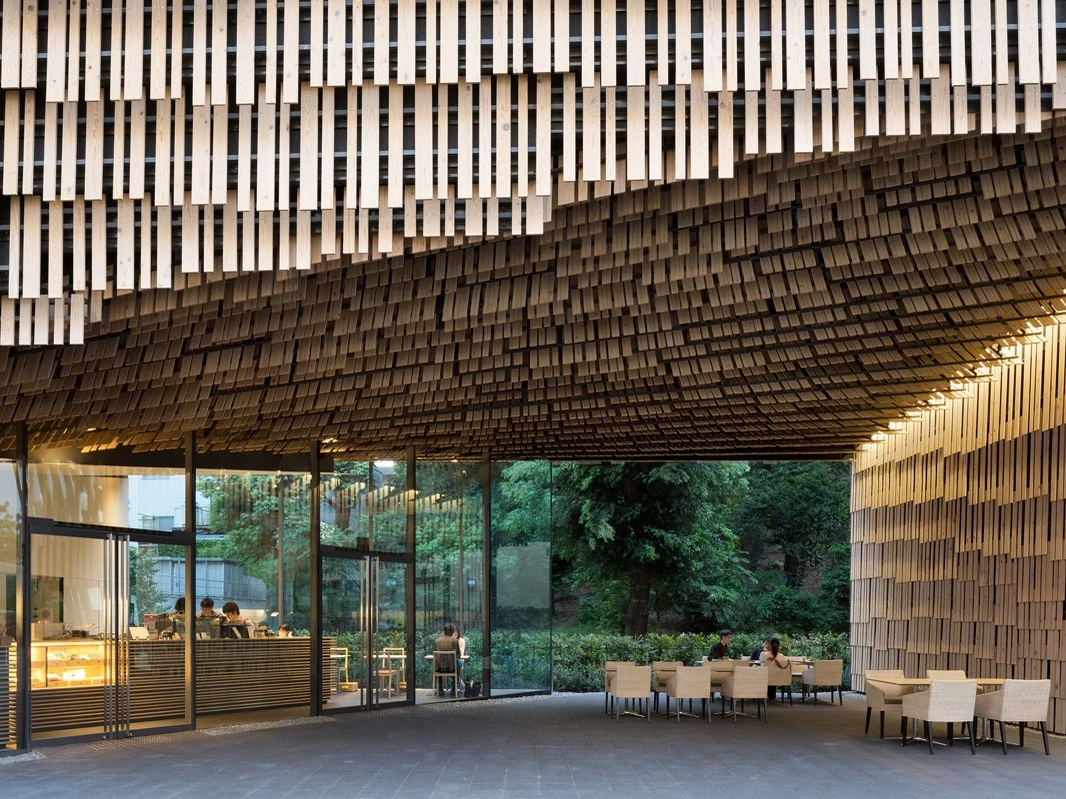
For programs in Tokyo and Kyoto, a small number of booking intermediaries have built relationships with chefs whose restaurant-attached workshops do not maintain their own English-language booking infrastructure. For serious instruction, the more reliable channel is a concierge at a hotel with strong culinary relationships, or a specialist travel company that has vetted the instructors directly. The team at Toki Tokyo, for instance, runs a kaiseki cooking workshop that accommodates up to fifteen people [source]1 and is booked by contacting them directly via inquiry rather than through an aggregator [source].1 Pricing requires a direct inquiry to confirm [source].1 Several Osaka-based chefs maintain their own enrollment systems; contact them directly rather than through an aggregator.
The instructor does not always publish real-time availability online. Where a chef's booking page shows no open dates, a direct email inquiry is worth sending; cancellations open seats that never reappear on the public calendar.
When the Instructors Open Enrollment and What Their Calendars Look Like
The chefs who publish enrollment windows typically open them well in advance for peak-season dates. Off-peak windows, January through February and July through August in Japan, often have shorter lead times and more flexibility. The specific release schedule varies by instructor and is not standardized across the sector; individual chefs do not publish drop times as a rule, so the practical advice is to contact the instructor directly and ask when the next enrollment window opens rather than waiting for a listing to appear.
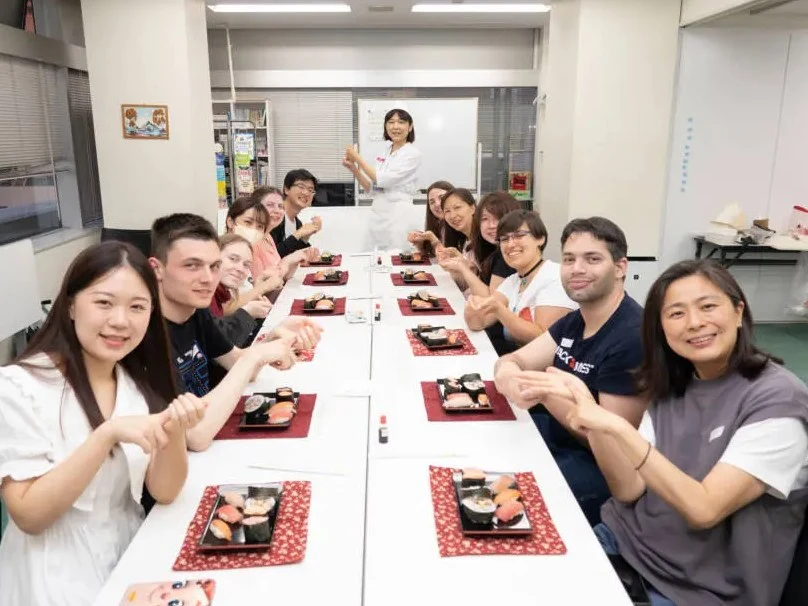
Some instructors, particularly those attached to working restaurants, run on a rolling inquiry basis rather than a fixed enrollment calendar. A student who emails in October asking about March availability is more likely to secure a seat with that chef than one who emails in February asking about the same month. At Kudan Japanese Institute in Tokyo, for example, applicants must apply at least a month and a half before the course starts and complete payment at least one month before the start date [source];2 their next sushi course begins July 6, 2026 [source].2
The Money-vs-Time Tradeoff in Reaching the Right Chef
The expensive-but-immediate route runs through a luxury hotel concierge or a specialist culinary travel company. These intermediaries charge a premium above the instructor's own fee, but they absorb the logistics: language, timing, dietary communication, and the follow-up that a direct booking requires. For a traveler with limited time and a specific travel window, that premium can be worth paying to reach the right chef.
The patient route is direct enrollment with an instructor, initiated well in advance. Instructor fees vary considerably by format and duration. Entry-level private sushi workshops in Kyoto, such as those listed on Pixidia, start from £40 per person in small groups of four to eight [source].3 Emika teaches a fully private class at her home covering sushi or obanzai with a tea ceremony starting from £80 [source],3 with your group alone in the house [source].3 On Traveling Spoon, Midori teaches a cooking class in Kyoto for USD $169 per person [source],4 accommodating one to eight guests [source],4 and the cooking portion runs about 1.5 hours [source].4 For serious multi-day kaiseki instruction, the investment is substantially higher. The instructors at Japan Culinary Institute's Special Kaiseki Summer Course (one week) charge US$3,300 including enrollment fee [source];5 their sushi instructors run courses from US$2,900 for one week [source]5 up to US$9,900 for seven weeks [source].5
The time-rich, budget-conscious route is enrollment in a longer program at a culinary school. The instructors at Kudan Japanese Institute run a one-month sushi course at 200,000 yen plus a 4,000 yen bank fee for international transfers [source],2 with lessons held twice a week on Tuesday and Friday afternoons, 14:30 to 16:30, for sixteen lessons [source].2 The cohort is capped at eight, with a minimum of three required to run the course [source].2 Chefs who offer week-long or month-long intensives provide more instruction per yen than a single-session workshop, and the cohort tends to be more serious, which raises the quality of the room.
At the Bench: What the Instructors Actually Put You Through
A serious sushi instructor begins with the rice. The chef, typically with years of restaurant service behind them, demonstrates the washing sequence first: the number of rinses, the resting time before cooking, the temperature of the water.
Students work at individual stations, each with a wooden hangiri (the flat-bottomed tub used for cooling and seasoning), a rice paddle, and a small bowl of awasezu, the seasoned vinegar mixed to the house ratio. The instructor moves bench to bench, correcting the angle of the paddle and the speed of the folding motion.
The rice is not mixed; it is cut and turned, and the instructor is clear that the distinction matters because bruised rice loses its texture.
The knife work comes after. In a kaiseki context, the instructor might cover katsuramuki, the rotary peeling technique used to produce paper-thin sheets of daikon or cucumber, which requires a blade held at a consistent angle against a vegetable that is rotated slowly with the other hand. The chef demonstrates at speed, then slows the motion for the class. Students attempt it. The first sheets are uneven. The instructor does not describe the error; they adjust the student's wrist angle and ask them to try again.
A full kaiseki workshop typically runs three to six hours. The instructors at Toki Tokyo, for instance, run a three-hour kaiseki workshop with start times at 10:00am or 1:00pm, adjustable on request [source].1 They cover dashi preparation (the ratio of kombu to katsuobushi, the temperature at which the kombu is removed, the steeping time for the bonito), one or two seasonal dishes, and plating. The plating session is where the instructor reveals kaiseki as a spatial practice: the chef places a single piece of vegetable on a lacquer dish and explains the negative space around it as a compositional decision, not an accident.
The room is quiet during the working periods. Questions are encouraged but tend to be specific: what is the water temperature, how long does the dashi steep, what is the ratio. The instructor answers in kind. The session ends with a meal of what the students have made, eaten at the bench or at a small table nearby. That meal is the clearest assessment of the morning's work.
How to Improve Your Odds of Reaching the Right Instructor
Book directly with the chef or school, not through an aggregator, and do so as early as the enrollment window allows. In your inquiry, state your level honestly: whether you have cooked Japanese food before, whether you have professional kitchen experience, and what specifically you want to learn. Instructors who ask these questions are the ones worth studying with; the answer shapes which session you are placed in and which chef you work with.
If the instructor you want is fully booked, ask to be placed on a cancellation list and specify your travel dates. Cancellations before a session are common, particularly for programs that attract international travelers whose plans change; the chef does not publish cancellation rates, so confirm the policy directly when you inquire.
For kaiseki specifically, a student who has read about the structure of the meal before arriving, the sequence of courses, the seasonal logic, the vessel vocabulary, will absorb more from the session. The instructor does not have time to explain the architecture of kaiseki from the beginning; they assume a baseline and build from it.
Off-peak enrollment, particularly in January and February, often yields access to more senior instructors who are less available during the high-demand spring season. The trade is a quieter city for a better bench.
Kaiseki and Sushi Instructors: A Practical Comparison
| Program | Difficulty to Book | Lead Time | Session Length | How to Book |
|---|---|---|---|---|
| Toki Tokyo kaiseki workshop (Tokyo, up to 15 people) | Moderate; inquiry-based | N/A (contact for availability) | 3 hours [source]1 | Direct inquiry via Toki Tokyo[source]1 |
| Kudan Japanese Institute sushi course (Tokyo, max 8 people) | Moderate; apply 6 weeks ahead | At least 1.5 months before start [source]2 | 1 month; 16 lessons [source]2 | Kudan Japanese Institute website |
| Private class at Emika's home, Kyoto (sushi or obanzai + tea ceremony) | Low; fully private | N/A (contact for availability) | N/A | Pixidia from £80 [source]3 |
| Traveling Spoon class with Midori, Kyoto (1 to 8 guests) | Low; flexible scheduling | Days to weeks | ~1.5 hours cooking [source]4 | Traveling Spoon at USD $169/person [source]4 |
Other Instructors Worth Considering If Your First Choice Is Full
Culinary school instructors running intensives. Chefs who teach week-long or month-long intensives in Japanese cuisine provide more instruction per yen than a single-session workshop, and the cohort tends to be more serious. The instructors at Japan Culinary Institute's four-week sushi course charge US$5,300 [source];5 their 22-week Japanese Cuisine Chef Training Course totals US$29,000 [source]5 for those seeking a full professional grounding.
Knife skills and dashi instructors as entry points. Several Tokyo chefs offer single-subject workshops, a half-day on knife sharpening and maintenance, or a focused session on dashi preparation, that are easier to book than a full kaiseki program and provide genuine technical grounding. A student who has spent a morning learning to maintain a Japanese knife at the correct angle with a chef who knows the work is better prepared for a sushi masterclass than one who has not.
Market-to-table instructors in Kyoto. A small number of chefs combine a morning visit to Nishiki Market with an afternoon cooking session, covering ingredient selection, seasonal logic, and preparation. The home cooking plus supermarket visit class near Fushimi Inari, for example, runs four hours, starts from £84, and takes a maximum of six people [source].3 These are not kaiseki masterclasses in the strict sense, but the instructors teach the sourcing intelligence that underlies the cuisine.
Instructors in Western cities with serious Japanese culinary communities. San Francisco, New York, and London each have chefs with genuine training in Japanese technique who offer workshops outside Japan. For a student who cannot travel, a well-credentialed instructor in a Western city is a better use of time than a poorly credentialed one in Japan.
Who Should Seek Out These Instructors and When
A serious kaiseki or sushi instructor suits the student who already cooks, who understands knife safety, who can follow a ratio and adjust it, and who is willing to spend several hours at a bench doing one thing repeatedly until the chef says it is correct. It is not the right format for a traveler who wants a cultural experience with a cooking component; for that, a market tour or a shorter introductory class is more honest about what it delivers.
The best occasions are a culinary trip built around the craft, a longer stay in Japan that allows for follow-up practice, or a professional development investment for a cook who wants to understand Japanese technique at a structural level. A single session with these instructors will not produce a sushi chef. It will produce a cook who understands why the rice matters, which is a different and more durable thing.
Students traveling with a partner who does not cook should consider whether the format suits both of them. A multi-hour kaiseki workshop is not a shared experience in the way a meal is; one person may be engaged and the other waiting. Some instructors offer observer seats; ask when booking.
Worth the Chase?
The instructors worth studying with are the ones who treat you as a practitioner in training, not an audience. They are identifiable by their enrollment process: they ask about your level, they cap the class, they start with the rice or the dashi before they let you near the fish. Those chefs fill their calendars early, and the route to them is direct contact, initiated months before your travel window, not a last-minute aggregator search.
The introductory instructors available through booking platforms are not without value, particularly for a first encounter with the cuisine. But a student who has spent a short session making a handful of nigiri in a large group has been introduced to sushi, not trained in it. The distinction matters if you are deciding how to spend a day in Kyoto or Tokyo.
For most readers, the practical path is this: identify two or three instructors who match your level and travel dates, contact them directly in the same week, and book the first one that confirms availability. The cancellation list is a real route, not a consolation. Off-peak dates in January and February consistently yield better access to senior chefs and smaller cohorts than the spring season.
The craft of kaiseki and sushi is built on the long way: years at the bench, one technique at a time, corrected by someone who has done it longer. A masterclass is a single session with that chef inside that discipline, not a shortcut through it. The instructors who understand this are the ones where the chef's hands remain the most interesting thing in the room, and those are the ones worth the lead time it takes to find them.
Frequently Asked Questions
How far in advance should I contact the instructors at Toki Tokyo for a kaiseki masterclass?The team at Toki Tokyo operates on a direct inquiry basis rather than a published enrollment calendar, so there is no fixed booking window to target. Contact them as early as your travel dates are confirmed. For peak-season travel (March through May, October through November), earlier is always better; off-peak dates in January, February, and August are generally more flexible. The program accommodates up to fifteen people per session and is booked by contacting them directly via their inquiry form.
Does the Kudan Japanese Institute sushi course require prior cooking experience?The instructors at Kudan do not publish a formal prerequisite, but they run the sushi course for a full month with sixteen lessons and structure it for students who want genuine technical grounding, not a single-session introduction. Applicants must be at least fifteen years old and apply at least a month and a half before the course starts. State your background honestly in your application; the small cohort size (maximum eight students) means the instructor can adjust to the group's level.
Do chefs like Emika and Midori teach private sushi and kaiseki classes in English?Some instructors offer English-language instruction as standard; others work through a translator or provide written materials in English alongside Japanese instruction. Private instructors listed on platforms such as Pixidia, including Emika who teaches a fully private class at her home, are typically designed for international visitors and conducted in English. When booking from outside Japan, confirm the language of instruction explicitly before paying. Hotel concierges and specialist travel companies can help identify instructors with reliable English-language options.
Can you walk into a kaiseki or sushi workshop in Japan without a reservation?Not with any instructor worth studying under. The small cohort sizes that make serious instruction possible mean that sessions are fully enrolled well in advance. Walk-in access is not a realistic route. The only exception is a cancellation on the day, which occasionally opens a seat at short notice; calling the chef directly on the morning of a session is a low-probability but real option if you are already in the city.
What distinguishes the instructors at Tokyo Sushi Academy from a chef teaching a single-session sushi workshop in Kyoto?The instructors at Tokyo Sushi Academy run a multi-week International Sushi Chef Course aimed at students pursuing professional credentials, with a certificate awarded on completion; confirm current fees, schedule, and participation requirements directly with the academy. A chef teaching a single-session private workshop in Kyoto, by contrast, covers a narrow slice of technique in one sitting, typically at a fraction of the cost and time commitment. The academy instructors suit a student pursuing professional credentials; the workshop chef suits a serious home cook or traveler who wants a focused technical encounter with the cuisine.