At the bench, a perfumer weighs a fraction of orris butter, lets an accord rest, smells it again after maceration, and may spend between six months and a year and a half1 on one bespoke commission from first consultation to final bottle. Custom perfume creation is not booked like a table. It begins as a collaboration, often with a written approach to the studio, a conversation before any contract, and a willingness to wait. The houses and independent noses that do the work well choose carefully. Most established independent perfumers accept only a small number of new clients each year; some work by referral only. For most readers, the cleanest route is still the direct written inquiry to the perfumer's own studio, where the maker can read intent before deciding whether to begin.
Why Custom Perfume Creation Is Not a Simple Purchase
The scarcity is not staged. A perfumer working at the level where bespoke commissions make sense, someone with years of training in raw materials, accords, and the architecture of a formula, can hold only so many active projects at the bench.
The olfactory memory required to follow a developing brief, smell a formula at different stages of maceration, and know what it needs is finite.
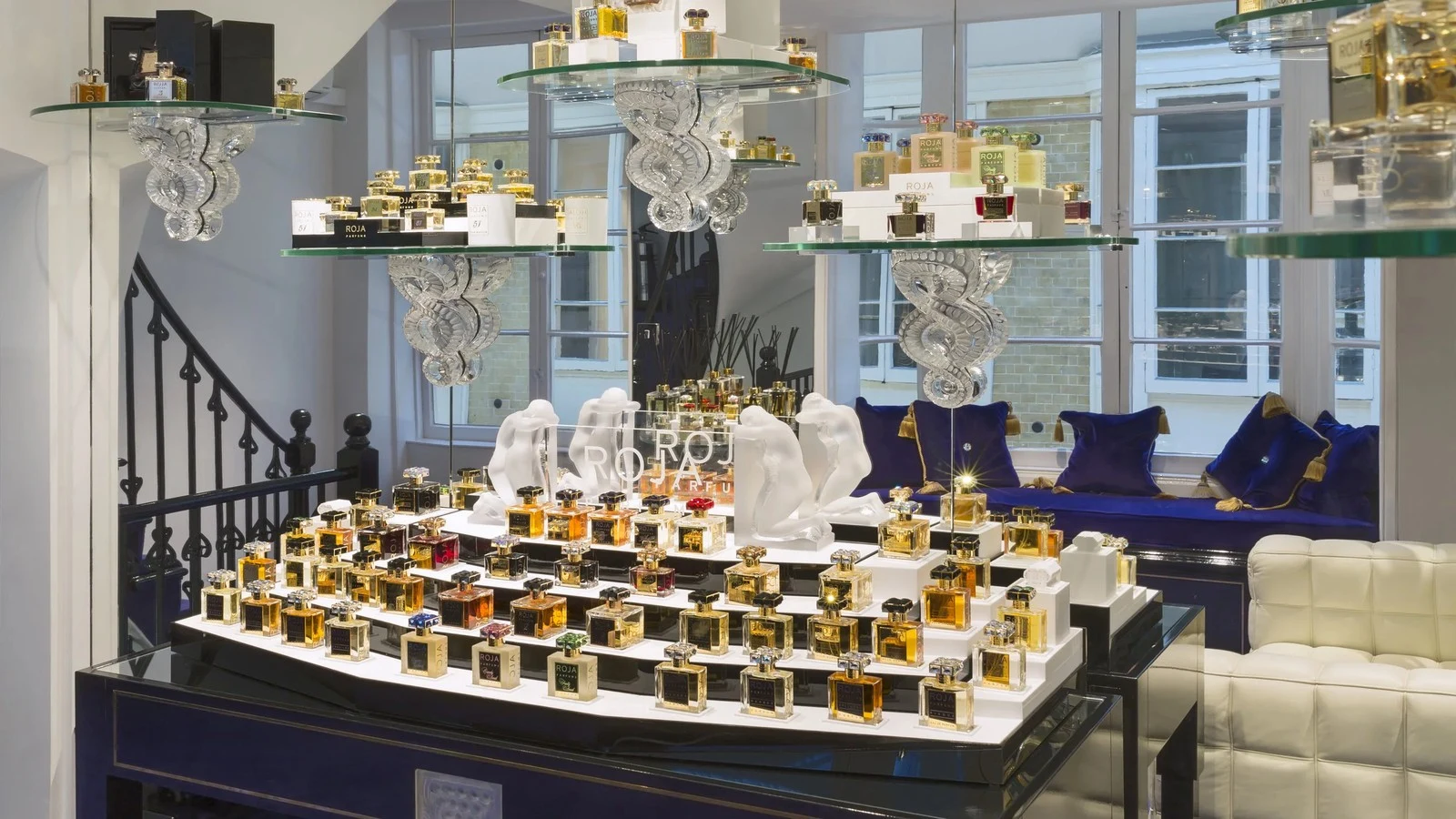
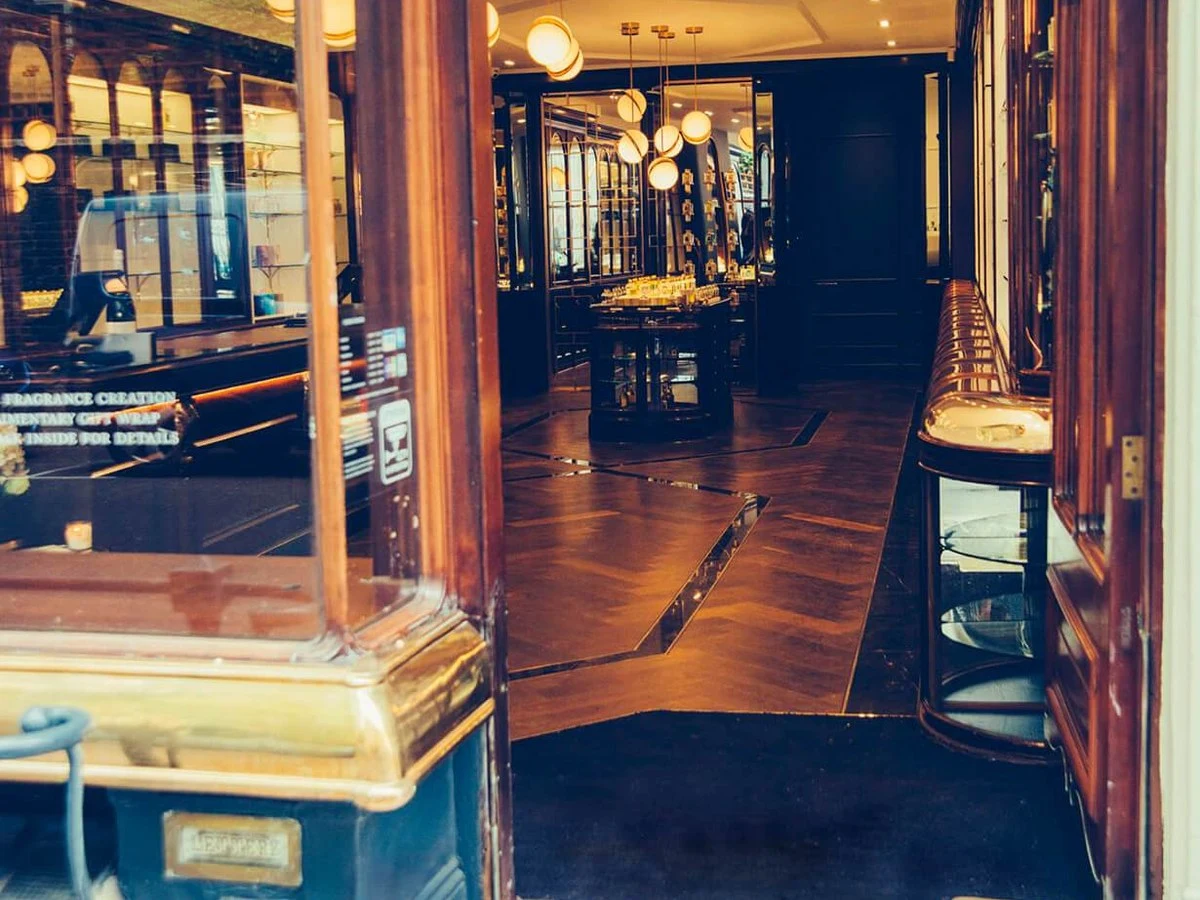
Houses like Roja Parfums, Floris, and Clive Christian have offered bespoke services, but independent perfumers trained under the classical French system, graduates of the Grasse Institute of Perfumery's professional program, or makers who apprenticed under a named nose at a major house tend to work with a roster of perhaps four to eight active bespoke clients at any one time.
The work itself sets the limit.
Materials add their own clock. A perfumer sourcing natural absolutes, aged woods, or rare animalic bases works with ingredients that arrive by season, harvest, supplier, and cellar, not by demand. Rare oud, orris butter, and vintage rose absolutes from Grasse are not warehouse items; the perfumer's studio does not publish sourcing timelines for these materials, and availability shifts by season and supplier. The formula built around them cannot be rushed without becoming another formula.
The client pool for serious bespoke work is not large, but it is concentrated. You may be sharing the perfumer's attention with collectors who have commissioned more than once, clients referred by previous clients, and a small number of institutions, hotels, or fashion houses commissioning a signature scent. The perfumer's time is the thing being allocated, and it does not scale.
How to Reach a Bespoke Perfumer
The useful approaches begin close to the maker:
Direct studio inquiry. This is the primary route. Most independent perfumers who accept bespoke commissions list a studio contact or inquiry form on their own site, separate from any retail presence. A written inquiry that describes your intent, your timeline, and honest context about what you are looking for will be read differently from a generic "I want a custom perfume" message. Perfumers at this level choose their clients as much as clients choose them. Name what draws you to the work already in their hands.
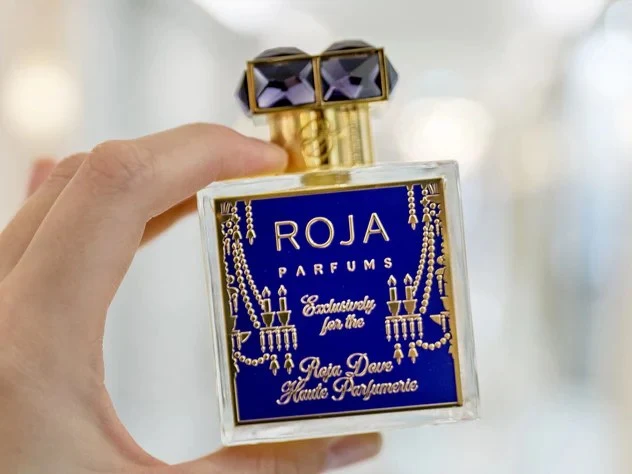
Established houses with bespoke programs. Floris of London,2 founded on Jermyn Street and still operating from that address, has offered bespoke commissions for individual clients and institutions for generations. Clive Christian's bespoke service operates through their London atelier. Roja Parfums offers a bespoke consultation service, and the process there runs between six and twelve months2 from first meeting to delivery. These houses have structured intake processes and are worth contacting directly through their official sites. Neither publishes a fixed price list for bespoke work, and neither publishes a current waitlist length; contact them directly to understand current availability.
Perfumery schools and their alumni networks. The Grasse Institute of Perfumery, ISIPCA in Versailles, and the London College of Fashion's perfumery programs all produce working perfumers who go on to independent practice. Alumni directories and school-affiliated events are legitimate ways to find a perfumer whose training you can trace and whose work you can evaluate before approaching them.
Retail intermediaries. Some luxury department stores, including Harrods and Liberty London, have hosted bespoke fragrance consultations or can facilitate introductions to perfumers. These tend to be structured differently from a direct studio commission, often shorter in scope and less deeply collaborative, but they can let a client study the method before committing to a full commission.
When Bespoke Perfume Books Open
No established independent perfumer publishes a fixed calendar for when their bespoke books open. Availability follows the completion of existing commissions, not a seasonal release window. The practical implication is simple: write when you are ready, not when you imagine a slot might appear.
A perfumer who is full today may have capacity in four months; one who has capacity today may be full by the time you have decided. The houses that publish any scheduling information, such as Floris or Clive Christian, do so through direct correspondence rather than public announcements.
Confirm current availability and lead time directly with the studio before planning around any assumed timeline.
How to Make a Bespoke Fragrance Collaboration Work
Do the olfactory homework first. Before the first consultation, spend time with the perfumer's existing work. Buy or sample the public releases. Know which accords draw you in and which resist you. A client who can say "I find most musks too synthetic but I respond to ambrette seed" gives the perfumer material to work with. A client who says "I want something unique" does not.
Be direct about your budget range early. High-end bespoke perfume service by a trained perfumer costs between 15,000 and 120,000 euros,1 with dermatological tests typically included. Some houses structure it differently, with a consultation fee, a development fee, and a per-bottle production cost. These figures are not universally published, and the range is wide. Ask directly and early. A perfumer who will not discuss cost structure before taking a deposit is not a perfumer you want to work with.
Understand what "exclusive" means in the contract. Some bespoke commissions give the client exclusive rights to the formula; others give the perfumer the right to adapt or re-use elements. If exclusivity matters to you, it needs to be in the agreement before work begins.
Understand the relationship between money and time. The faster, more expensive path is usually a structured bespoke program at an established house, where the intake process is defined and the timeline is managed by the institution. The slower path is an independent perfumer whose work you have followed for years, whose books open when a commission completes, and who may charge less but take longer to reach. They are different working relationships, and they produce different kinds of objects.
Inside Custom Perfume Creation, From First Meeting to Final Bottle
The first consultation is not a brief. It is a listening session. A good perfumer will ask about materials you already wear, memories attached to smell, the context in which you intend to wear the fragrance, and what you want the scent to do for you rather than what you want it to smell like. Some perfumers use a structured questionnaire; others work more freely. Either way, the goal is to build an olfactory portrait of the client before a single formula is sketched.
After the first consultation, the perfumer returns to the bench. The first round of samples, typically two to four accords or early-stage formulas, comes back to the client for evaluation. This is where the collaboration becomes real. The client's work is not to say "I like this" or "I don't like this" but to describe what the sample does and does not do against the brief. A perfumer can work with "the opening is too sharp and I lose the warmth I wanted by the dry-down"; they cannot work with "it's not quite right."
Revision rounds vary by house and by agreement, but two to four rounds before a final formula is settled is a reasonable expectation for a serious commission. Each round takes time: the perfumer reformulates, macerates the new version, and lets it settle before anyone can evaluate it honestly. Rushing this stage produces a formula that smells different in the bottle from how it will smell on skin after extended aging; the studio does not publish a fixed aging minimum, so confirm the expected settling period directly with your perfumer.
The final delivery includes the agreed quantity of the finished fragrance. Quantities can go up to two liters, in the form of Eau de Toilette, Eau de Parfum, or Extract.1 Depending on the agreement, the client may also receive the formula itself or a certificate of exclusivity. Some perfumers offer ongoing production of the formula for the client's lifetime; others produce a fixed quantity and close the commission. Clarify this before signing.
Bespoke Fragrance Routes Compared: Access, Cost, and Lead Time
| Route | Access Difficulty | Typical Cost Range | Lead Time | How to Initiate |
|---|---|---|---|---|
| Independent perfumer (direct) | High; often referral or waitlist | 15,000 to 120,000 EUR (dermatological tests included)1 | 6 months to 1.5 years1 | Written studio inquiry |
| Azzi Glasser bespoke | High; appointment-based | From £18,000 per session; workshop from £8503 | Not published; confirm directly | Direct studio contact |
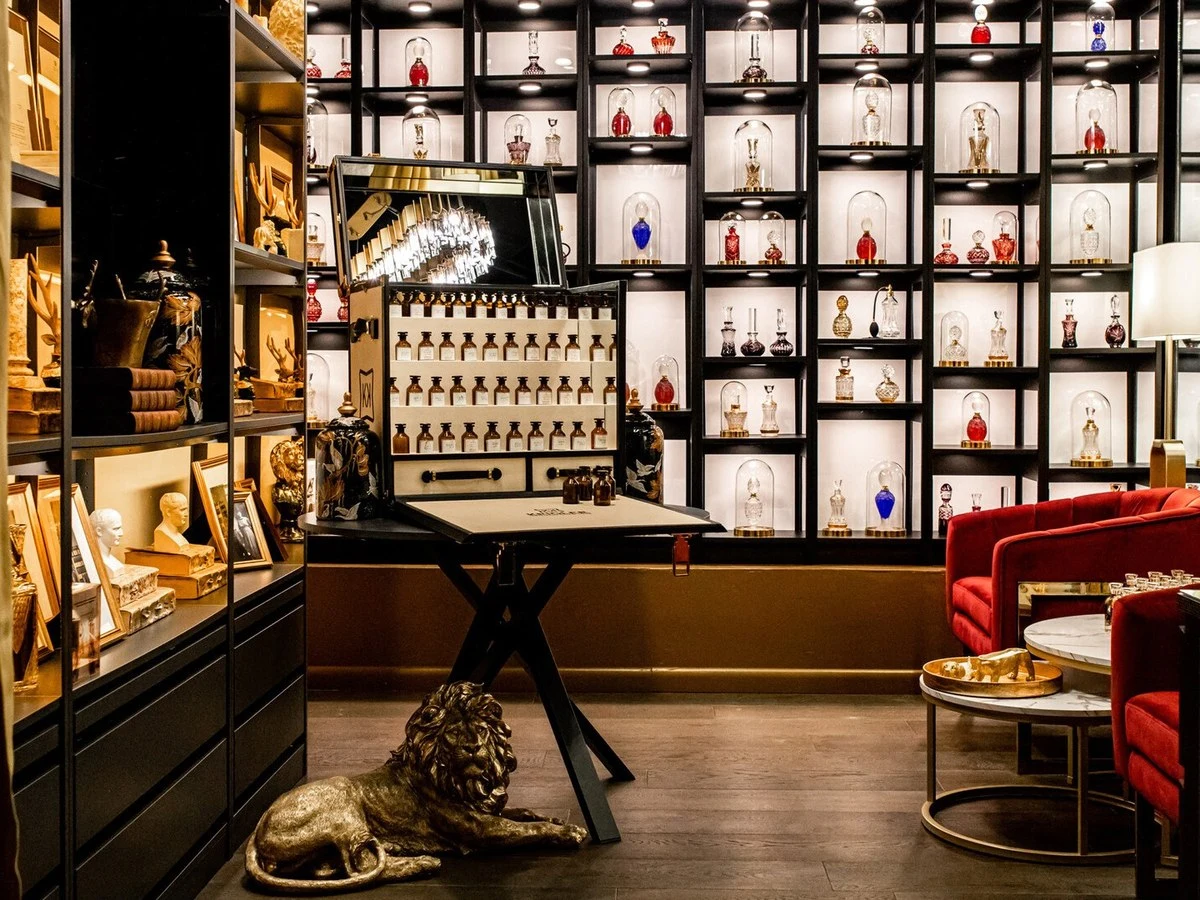
| Le Salon Krigler (Four Seasons Houston) | High; appointment-only4 | Bespoke from USD 80,000; lease from $6,000 to $12,0004 | At least 4 months before delivery5 | Via Four Seasons Houston concierge |
| Roja Parfums bespoke | Moderate; consultation-led | Not publicly listed; contact studio | 6 to 12 months2 | Via Roja Parfums website |
| Department store consultation (Harrods, Liberty) | Lower; walk-in or appointment | Lower entry point; varies by service | Days to weeks | In-store or online booking |
Alternatives to Custom Perfume Creation When Books Are Closed
Perfumery workshops with named perfumers. Several independent perfumers and schools, including the Grasse Institute and London-based studios, run structured workshops where participants build a formula under guidance. Group workshops typically run 1.5 to 3 hours and cost approximately 30 to 150 euros; individual sessions run up to 300 euros.1 This is not a bespoke commission, but it is a legitimate way to develop your olfactory vocabulary and to meet working perfumers whose bespoke practice you might later approach. Most group workshops require a minimum of three participants.1
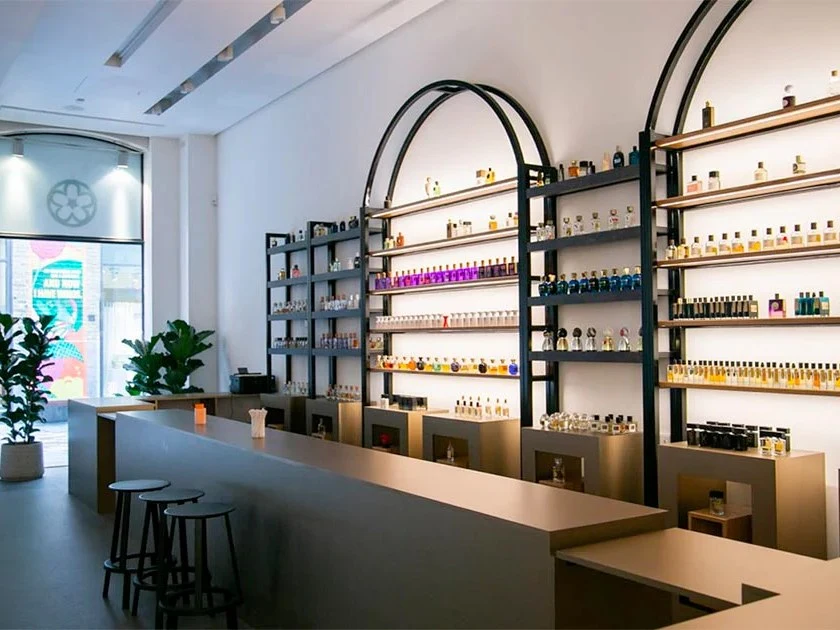
Bespoke blending services at niche retailers. Stores like Bloom Perfumery in London or Osswald in New York offer guided blending sessions with trained staff. The depth of customization is less than a full commission, but the process is accessible and the cost is a fraction of a studio commission.
Personalized fragrance services from established brands. Maison Francis Kurkdjian, Diptyque, and Jo Malone offer engraving, layering consultations, or limited personalization services. These are not bespoke in the strict sense, but they are a structured entry point into thinking about fragrance as a personal object rather than a retail product.
Commissioning a perfumer through a school placement. Some perfumery programs place advanced students with clients for supervised bespoke projects at reduced cost. The output is less polished than a senior perfumer's work, but the process is genuine and the student's training is traceable.
Who Should Commission a Bespoke Fragrance?
This pursuit suits someone who has spent years wearing fragrance seriously, who understands what existing work does and does not do on their skin, and who has the patience and budget for a process that cannot be hurried.
It suits a significant personal milestone, a wedding fragrance, a scent tied to a specific place or memory, or a professional signature for someone whose identity is closely tied to how they present.
It is not the right choice for someone who wants a luxury gift quickly, or who has not yet built the olfactory reference points to give a perfumer something to work with. The collaboration only works when the client can hold up their end of it.
Is a Bespoke Fragrance Commission Worth the Wait?
For the right client, yes. A formula built specifically for your skin chemistry, your olfactory history, and your intended context, by a perfumer who has spent years at the bench learning how to make that brief hold, is a different object from anything bought off a shelf. It is also a slow object. The development period runs six months to a year and a half,1 and that span is not a formality; it is the time the work requires.
The direct studio inquiry is the route that keeps you closest to the maker. Write to the perfumer whose existing work you know. Be specific. Be patient. If the books are closed, ask to be notified when they open. If the budget is not yet there, use the time to develop your olfactory vocabulary through workshops and niche retail, so that when you do sit down with a perfumer, you arrive as a useful collaborator rather than a blank brief.
The houses that do this well, whether Floris on Jermyn Street or an independent nose working from a studio in Grasse or East London, are not hard to find. They are hard to get time with. That is the shape of the access problem, and it is also why the finished formula carries the hand that made it. Made By follows the people behind this kind of work, the perfumers, the apprentices, the makers whose hands are actually at the bench, and tracks whose books are opening and when.
Frequently Asked Questions
How long does a bespoke fragrance commission at Roja Parfums or a comparable house typically take?Most serious bespoke commissions, with a trained independent perfumer and multiple revision rounds, take anywhere from six to eighteen months. The Roja Parfums bespoke process, for instance, runs between six and twelve months from first consultation to delivery. The timeline depends on the complexity of the brief, the perfumer's current workload, and the number of revision rounds required. No established perfumer publishes a fixed turnaround guarantee; confirm the expected timeline directly with the studio before signing any agreement.
What does a full bespoke fragrance commission cost at a senior independent perfumer versus a department store session?Neither Floris nor Roja Parfums publishes a fixed price list for bespoke commissions. At the senior independent level, high-end bespoke service typically costs between 15,000 and 120,000 euros, with dermatological tests included. Azzi Glasser's bespoke service starts at £18,000 per session. Department store blending sessions cost a fraction of that and belong to a different service entirely. Ask directly and early; a studio that will not discuss cost structure before taking a deposit is a red flag.
Do bespoke perfumers at studios like Floris or independent noses work by referral only, or can you approach them cold?It varies by studio. Some independent perfumers work primarily by referral; others accept direct inquiries from new clients. The most reliable approach is a direct written inquiry to the studio, specific about your intent and your familiarity with the perfumer's existing work. A cold inquiry that shows real knowledge of the perfumer's output is treated differently from a generic request.
What does "exclusive formula rights" mean in a bespoke fragrance contract, and should you ask for it?Exclusive formula rights mean the perfumer agrees not to use, adapt, or re-sell the formula developed for your commission to any other client. Not all bespoke agreements include this by default; some perfumers retain the right to adapt elements of a formula for other work. If exclusivity matters to you, it must be specified in the contract before work begins. Ask the studio directly how they handle formula ownership before signing.
Is a Krigler fragrance lease a genuine alternative to commissioning a fully original bespoke scent?Le Salon Krigler offers a distinct model: clients lease an existing Krigler scent for a period of global exclusivity, rather than commissioning an entirely new formula. The lease costs between $6,000 and $12,000 and takes at least four months before delivery, beginning with a 115-question survey. It is a structured, lower-barrier entry into exclusive fragrance ownership, but it is not the same as a ground-up bespoke commission. One begins with an existing Krigler formula and a term of exclusivity; the other begins at the bench with a new brief, new trials, and a longer conversation with the perfumer.