Before any bartender walked onto the stage, judges had already remade the drinks. On March 18, 2026, Tales of the Cocktail Foundation Presents World Class Sponsored by DIAGEO named the 15 U.S. bartenders advancing to the World Class 2026 U.S. National Finals in Chicago, Illinois, from May 11 to 13, 2026.
The 2026 World Class finalists are also the first Top 15 class to receive Tales Scholarships to attend Tales of the Cocktail 2026 in New Orleans.
The announcement reads like awards news, but the useful detail sits in the method: judges recreated original cocktail recipes submitted by the Top 100 competitors, then evaluated each drink for creativity, technique, flavor, and overall execution.
For a bartender, that sequence matters. A recipe sent from a hotel bar, a neighborhood counter, a high-volume station, or a quiet prep bench has to survive translation. Build order, dilution, garnish logic, glass choice, and the relation between spirit and modifier must read clearly enough for another professional to make the drink without the maker in the room. The World Class finalists are not only being recognized for presence under lights. Their specs have already passed through another set of hands.
Meet the 2026 World Class finalists
The field is narrow by design: only 15 U.S. bartenders advance from the Top 100 into the in-person national stage. Tales of the Cocktail Foundation Presents World Class Sponsored by DIAGEO identified the 2026 Top 15 U.S. Finalists as Alexis Ortega, Becky Rose, Bridget Ramsey, Colin Williams, Elliott Reibert, Gonzalo Ramos, Jason Briseno, Jeff Banks, Kai Lucas, Kyler Nolan, Makenzie Helem, Michelle Freed, Peter Hannah, Sierra Knight, and Taylor Jamison-Parrish.
The named finalists and listed cities are: Alexis Ortega of Philadelphia, Pennsylvania; Becky Rose of Aurora, Colorado; Bridget Ramsey of East Brunswick, New Jersey; Colin Williams of New Orleans, Louisiana; Elliott Reibert of Chicago, Illinois; Gonzalo Ramos of New York, New York; Jason Briseno of Los Angeles, California; Jeff Banks of Decatur, Georgia; Kai Lucas of Brooklyn, New York; Kyler Nolan of Brooklyn, New York; Makenzie Helem of Seattle, Washington; Michelle Freed of Los Angeles, California; Peter Hannah of Kissimmee, Florida; Sierra Knight of Cincinnati, Ohio; and Taylor Jamison-Parrish of Chicago, Illinois.
Read the list as a practitioner would. Brooklyn appears twice. Los Angeles appears twice. Chicago appears twice, including the city that hosted the National Finals. New Orleans appears in the arc twice as well: Colin Williams is listed from New Orleans, and the full Top 15 will travel there in July as Tales Scholars. Bar affiliations, mentors, house programs, and years behind the stick were not announced, so keep the profiles to the published names and cities. The names are the signal. The next layer was to watch how these 15 hands translated a submitted drink into an in-person challenge.
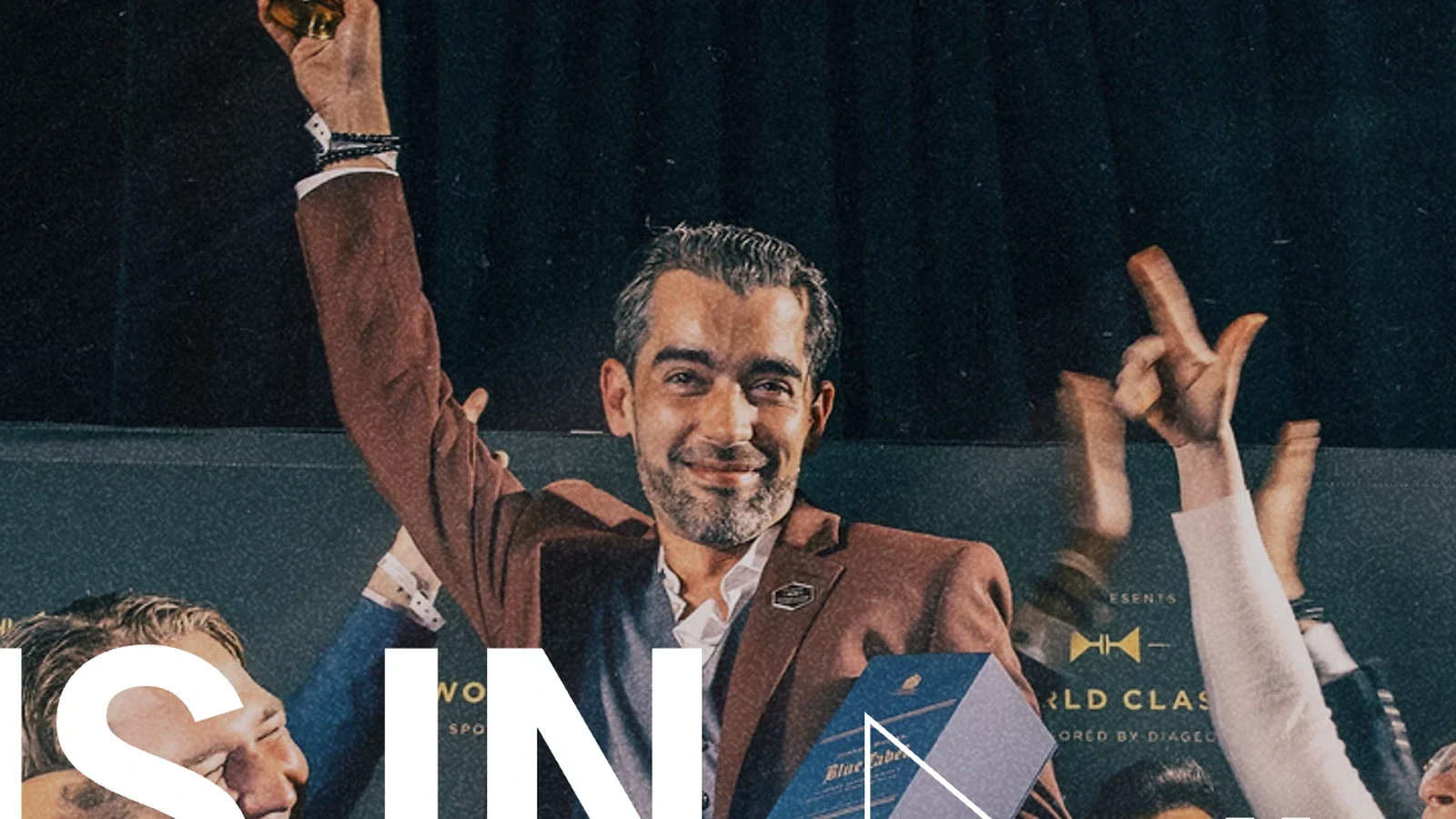
The competition asked each bartender to hold two kinds of discipline at once. The drink must land in the glass, and the method must hold under format, timing, and judges. At the Chicago finals, a Top 5 was named to advance to the final round. Alexis Ortega of Philadelphia was crowned the 2026 World Class U.S. Bartender of the Year and will represent the United States at the DIAGEO World Class Global Finals in fall 2026, against national champions from more than 50 countries.
Why the Tales Scholars tie-in matters
For the first time, each Top 15 finalist will receive a Tales Scholarship to attend Tales of the Cocktail 2026 in New Orleans. That changes the shape of the recognition. A finalist placement already puts a bartender in front of judges and peers. The scholarship places the same bartender inside a July education week, from July 19 to 24, 2026, with access to seminars, workshops, tasting events, industry peers, and mentors.
Charlotte Voisey, Executive Director of Tales of the Cocktail Foundation, framed the connection directly: “We are incredibly proud to welcome this year’s Top 15 World Class U.S. Finalists into the Tales of the Cocktail Foundation family as Tales Scholars,” said Charlotte Voisey.1 The phrasing places the finalists in a learning cohort, not only in a bracket.
Competition can compress a bartender into a score. The Tales Scholars piece widens the frame again. In New Orleans, the Top 15 will be placed among bartenders and hospitality professionals gathered around education, professional advancement, and community support, as described by Tales of the Cocktail Foundation. The finalist does not just leave with a title line. They leave with rooms entered, educators heard, and peers met across programs and countries. Those encounters can change how a bartender writes a menu, teaches a junior bartender to stir to temperature, speaks to a guest about category, or thinks about the next station.
That is the practical value of the tie-in. Access often arrives unevenly in bar work. Some bartenders work under a head bartender who funds travel, opens doors, and sends the staff to trainings. Others build from a quieter bench, one service at a time, with fewer introductions. A scholarship does not make every path equal, but it gives these 15 finalists a defined week in New Orleans and a place inside Tales of the Cocktail 2026. The credential is public; the access is usable.
How judges rebuilt the Top 100 recipes
The first cut of the 2026 World Class finalists did not come from a live round. Judges recreated and evaluated original cocktail recipes submitted by the Top 100 competitors as part of their initial World Class application. Each drink was assessed on creativity, technique, flavor, and overall execution. Those four criteria carry a lot of weight in a short pour.
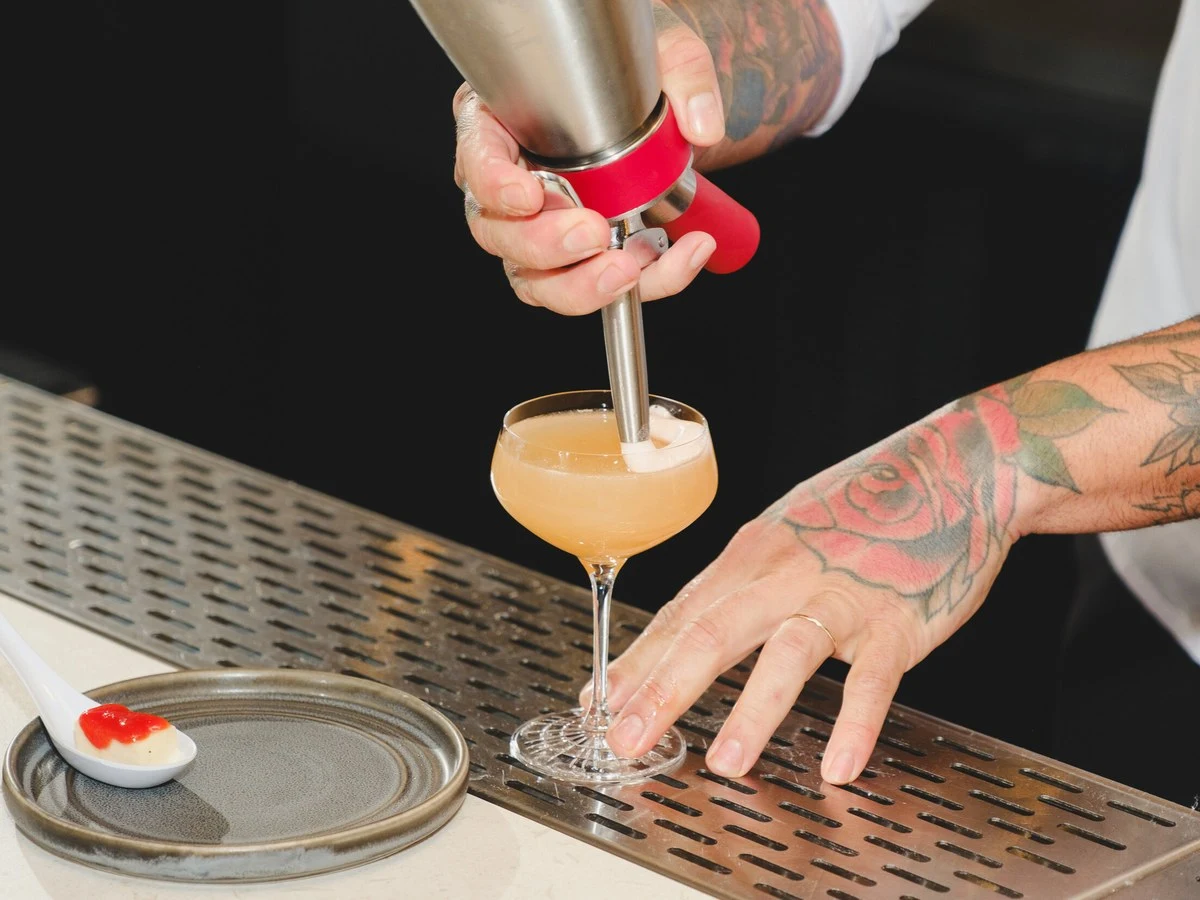
Creativity, here, cannot mean novelty alone. A cocktail spec has to give the judge a reason to make it again, but it also needs enough structure to work outside the competitor’s own station. Technique asks a colder question: can the bartender write a method that another professional can follow? If the drink depends on a shake, the instructions must account for texture and dilution. If it depends on a stirred build, the relation between spirit, modifier, temperature, and water has to be stable. Flavor is the glass itself. Overall execution is the sum of the choices, including the ones that look small on paper.
The reconstruction process rewards clarity. A bartender can speak well in person and still write a weak spec. A bartender can submit a restrained drink that holds because the measurements, sequence, and intent line up. The judges placed the Top 100 recipes into a common testing format. That means the 15 who advanced did so before their gestures, voices, speed, and stage discipline entered the room.
For the trade, that detail gives the list more use than a simple finalist announcement. These World Class finalists have already had their recipes handled by judges. The drinks were not only read. They were made. That is the closest a written application can come to service pressure, where another person has to understand your method well enough to reproduce the result.
Chicago was the next station
The World Class 2026 U.S. National Finals took place in Chicago, Illinois, from May 11 to 13, 2026. The Top 15 competed head-to-head in an in-person National Finals Competition. During that stage, a Top 5 was named to advance to the final round. The Top 5 finalists then competed in additional in-person challenges, and Alexis Ortega was crowned the 2026 World Class U.S. Bartender of the Year.
The dates gave the 15 finalists a short runway. March 18 to May 11 was not a long apprenticeship. It was a period for tightening specs, rehearsing language, checking muscle memory, and learning where a drink breaks under pressure. A bartender does not prepare for a national stage only by repeating a recipe. They prepare by finding the weak line in the method, then fixing it before a judge finds it first.
Chicago also carries a useful tension for the field. Elliott Reibert and Taylor Jamison-Parrish are both listed from Chicago, so they entered a national final in their own listed city. No venue, bar affiliation, or home advantage is stated; none should be assumed. Still, the fact places their names inside the same city where the next cut happened. For everyone else, Chicago became a temporary station: arrive, build, present, adapt, and try to stay inside the Top 5.
Competition rounds test more than recipe memory. The National Finals description names hands-on challenges designed to test craft, creativity, and performance under pressure. That last phrase is familiar to anyone who has worked a busy bar, but a competition changes the pressure. In service, the guest matters most. In competition, the guest becomes criteria, judges, timing, and format. The bartender has to keep the hospitality muscle alive while working inside a scoring frame.
What the Top 15 gives the bar trade to watch
For drinkers, the World Class finalists list is a set of names to keep close. For bartenders, it is a map of peers under pressure. For managers, it is a reminder that competition work can reveal more than charisma. The selection process began with recipes, not a live-room impression. It asked whether the drink could be reconstructed and judged through technique, flavor, creativity, and execution.
The list also offers a practical national spread without overstating what the announcement confirms. The finalists are listed across Philadelphia, Aurora, East Brunswick, New Orleans, Chicago, New York, Los Angeles, Decatur, Brooklyn, Seattle, Kissimmee, and Cincinnati. Some are large cocktail markets, some sit outside the usual shorthand, and the competition places them in the same Top 15 frame. A bartender in Kissimmee and a bartender in Brooklyn now share the same next test. That is the useful part.
Names matter in this trade because bars are not made only by concepts. They are made by the person who tastes citrus before service, changes dilution after the first dozen stirred drinks, trains a new bartender to hold the jigger at eye level, and decides when a spec is finished. Those station-level details are not public for Ortega, Rose, Ramsey, Williams, Reibert, Ramos, Briseno, Banks, Lucas, Nolan, Helem, Freed, Hannah, Knight, or Jamison-Parrish. It gives us the next public marker: these 15 recipes survived recreation and evaluation from the Top 100 pool.
That marker can matter after the competition as much as during it. A finalist may return to a home program with a sharper palate for structure. Another may find a mentor in New Orleans. Another may learn more from missing the Top 5 than from advancing. The point is not to predict the winner. The point is to understand that a competition list is also a list of people doing time on the tools, and this one now carries a scholarship path attached.
From New Orleans to the global finals
The calendar runs in three beats. March 18 named the Top 15. May 11 to 13 brought the U.S. National Finals in Chicago. July 19 to 24 brings Tales of the Cocktail 2026 in New Orleans, where each Top 15 finalist will attend as a Tales Scholar. Fall 2026 brings the DIAGEO World Class Global Finals for the U.S. winner, against national champions from more than 50 countries.
That sequence gives the 2026 class more than one public moment. A bartender can be tested in Chicago, placed in education rooms in New Orleans, and, if they won the U.S. title, sent into a global field later in the year. Even the 14 who did not become U.S. Bartender of the Year still carry the Tales Scholars experience into their next station. That may be the quiet consequence of this announcement.
The award name is long because the structure is layered: Tales of the Cocktail Foundation Presents World Class Sponsored by DIAGEO. Beneath that structure are 15 people: Alexis Ortega, Becky Rose, Bridget Ramsey, Colin Williams, Elliott Reibert, Gonzalo Ramos, Jason Briseno, Jeff Banks, Kai Lucas, Kyler Nolan, Makenzie Helem, Michelle Freed, Peter Hannah, Sierra Knight, and Taylor Jamison-Parrish. The competition reduced the field to a Top 5, then to one U.S. representative. The work, for the rest of us, is to keep the full list in view.
In May, the meaningful gesture was not the announcement itself. It was a bartender setting a glass down in Chicago, with a recipe that had already been remade by judges and a place in New Orleans waiting in July. Made By follows the people who shape what you eat and drink. Subscribe, and the next dispatch from the bench, the cellar, or the kitchen comes to you.