19 Crimes
- 01CitySouthbank, Australia
- Falstaff Winery - Listed · 2026
Southbank’s wine culture usually splits between polished urban drinking rooms and regional cellar-door romanticism. 19 Crimes sits in the former camp: a brand-led room shaped by label theatre, retail presentation, and an interactive premise that makes the bottle part of the performance. The sound is conversational, the mood casual, and the visual cue arrives before the glass: wine packaged as story.
That matters because Australian wine has long sold itself through place, producer, and variety. Here, the entry point is penal history. The name refers to the 19 offences under English law that could lead to transportation to Australia between 1788 and 1868, when around 165,000 British convicts were sent to the colonies. Established in 2012 by Treasury Wine Estates, the brand’s Southbank presence belongs to a newer category of urban wine experience: less vineyard gate, more designed encounter.
For readers mapping the city before a night out, treat the wider area as a mixed itinerary rather than a single-purpose wine stop. Pair this page with Our full Southbank restaurants guide, Our full Southbank bars guide, Our full Southbank hotels guide, Our full Southbank wineries guide, and Our full Southbank experiences guide when planning dinner, drinks, or a cultural booking.
South Eastern Australia, filtered through a branded glass
The better way to understand 19 Crimes is not as a small estate expression but as a large-scale interpretation of South Eastern Australia. That broad appellation gives producers access to varied climates and soils, letting the portfolio span red blend, Shiraz, Cabernet Sauvignon, Pinot Noir, Grenache, Durif, Mourvèdre, still white wine, and rosé without the narrowness expected from a single vineyard house. It is terroir translated at commercial scale, where consistency and range outrank microscopic parcel identity.
That distinction changes the critical lens. A Barossa or Yarra address asks the drinker to seek site specificity. A South Eastern Australia label asks a different question: how coherently can a producer assemble fruit from a broad regional base and keep the style legible? Here, the answer is tied to accessible red-led drinking, value positioning, and a storytelling system that needs no sommelier mediation.
The portfolio’s centre of gravity is red wine. Shiraz and Cabernet Sauvignon carry familiar Australian reference points, while Grenache, Durif, Mourvèdre, and blends widen the frame. Uprising Red adds an explicit production signal through 30 days in rum barrels, placing the wine closer to contemporary flavour-led experimentation than classical cellar restraint. That is the expectation clue: bold branding and category familiarity, not the quiet grammar of minimal-intervention labels or rare old-vine allocations.
Convict labels and augmented reality change the room's purpose
Wine labels usually perform a modest job: producer, region, variety, vintage. 19 Crimes makes the label the central device. Each bottle connects to the convict-history concept, and augmented reality turns packaging into part of the visit. The format suits group outings, solo curiosity, and visitors wanting an accessible Australian wine reference without a formal tasting sequence.
This is where Southbank fits. Urban wine venues compete with bars, restaurants, hotel lounges, galleries, and riverfront foot traffic; a quiet row of bottles is rarely enough. Stronger city formats add a hook: design, education, technology, rare allocations, or hospitality theatre. 19 Crimes chooses technology and narrative. It is not subtle, but subtlety is not the point. The point is to make a broad wine brand legible in minutes.
That approach will divide drinkers. Those seeking estate farming detail, named winemaker authorship, organic or biodynamic certification, or single-site hierarchy will find different values elsewhere. Those interested in how mass-market Australian wine uses history, digital interaction, and retail staging will find a concise case study. The room’s strength is clarity: the format tells visitors what kind of encounter they are entering.
How to place it within an Australian wine itinerary
Australia’s wine map is broad enough that a Southbank stop should be chosen for function. 19 Crimes works as an introduction to contemporary branded wine culture, especially before or after another city plan, rather than as a substitute for a full regional cellar-door day. For deeper contrasts, compare the urban brand experience with estate-led and region-led pages such as Accolade Fine Wines in Melbourne, Adelina Wines in Clare Valley, Alkina Estate in Greenock, Alkina Wine Estate in Barossa Valley, and All Saints Estate in Rutherglen.
The practical read is simple: casual, group-friendly, and better for drinkers who enjoy a concept as much as a glass. Built around glass and bottle service, with no food-pairing program listed, it slots more naturally into a wider Southbank plan than a long standalone meal. Nearby garage parking helps logistics, while walk-in style and a reservation recommendation put it in a lower-friction category than small-capacity cellar doors or allocation-driven tasting rooms.
For travellers building a broader wine route, the contrast is useful. Allegiance Wines in Alstonville, Angove Family Winemakers in Renmark, and left-field references such as Alice Springs Brewing Co in Alice Springs show how broad the beverage category becomes once place, production scale, and hospitality format shift. International pages such as »der Steiner« Hans Steiner in Podersdorf am See and & Handwein in Mannheim sharpen the same point: wine travel is no longer only about vineyards, but also how a producer, shop, or tasting space explains itself to a time-limited visitor.
The editorial call is to treat 19 Crimes as a snapshot of modern Australian wine branding, not a pilgrimage site for terroir purists. Its interest lies in the collision between broad regional sourcing, convict-era narrative, and augmented-reality presentation. In a city itinerary, that makes it useful: quick to understand, easy to fold into Southbank, and more revealing about the commercial imagination of Australian wine than its casual surface suggests.
Questions
Frequently asked
How expensive is 19 Crimes?
19 Crimes is listed at a price level of $$.
The field
How it compares
| Place | Notes | Awards |
|---|---|---|
| 19 Crimes | Southbank, $$ | · |
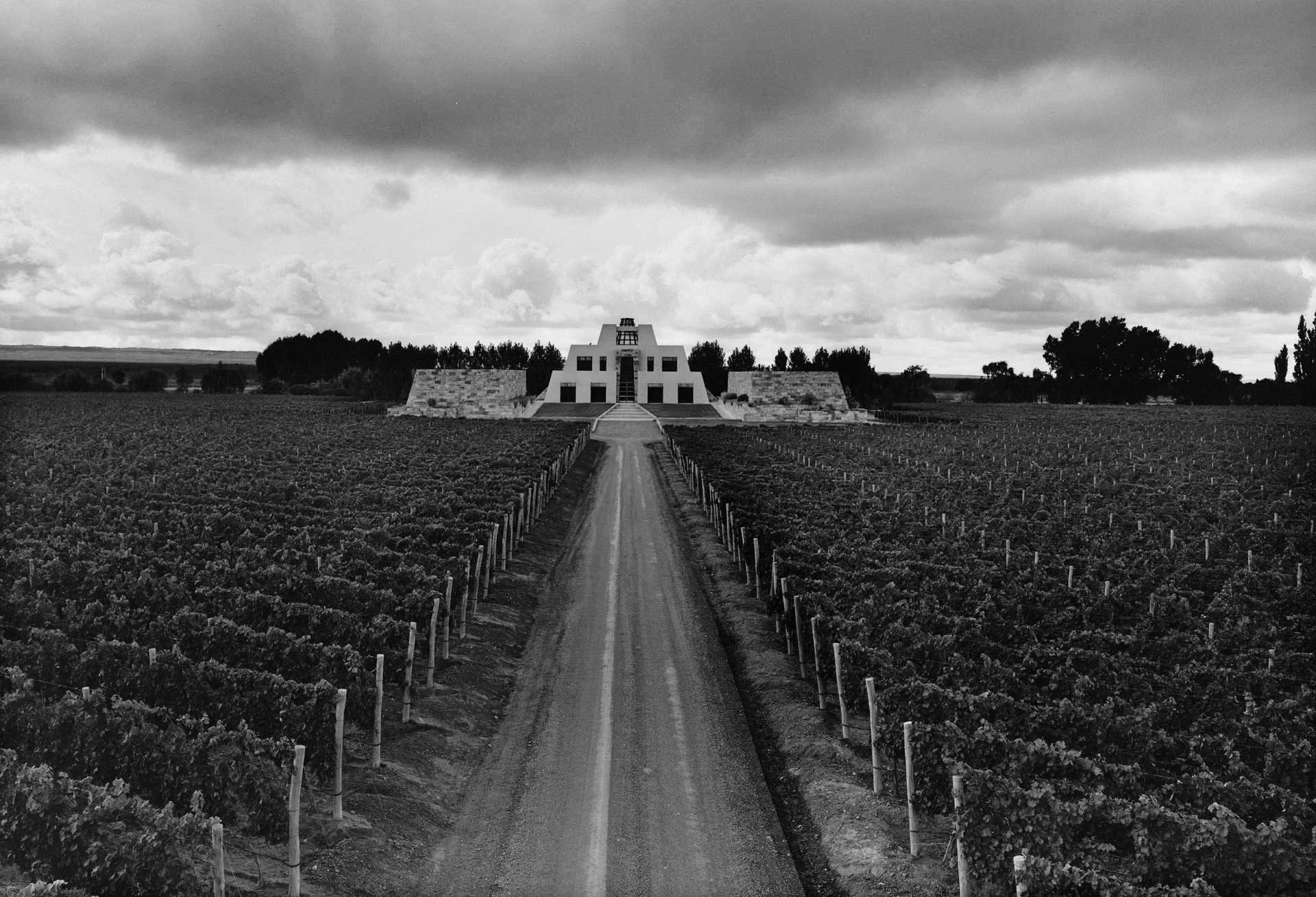
| Catena Zapata | Agrelo | World's 50 Best |
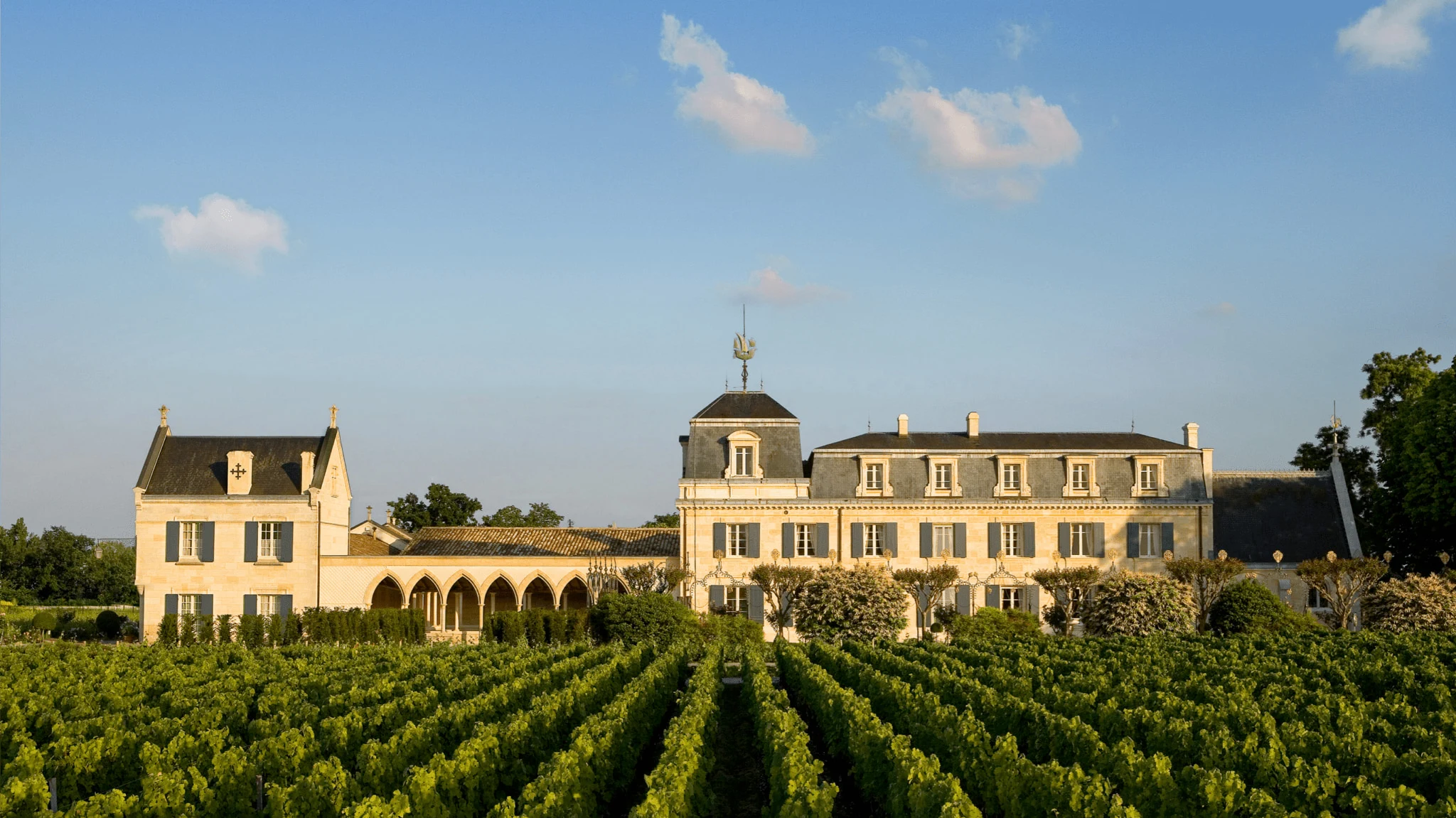
| Château La Mission Haut-Brion | Talence | · |
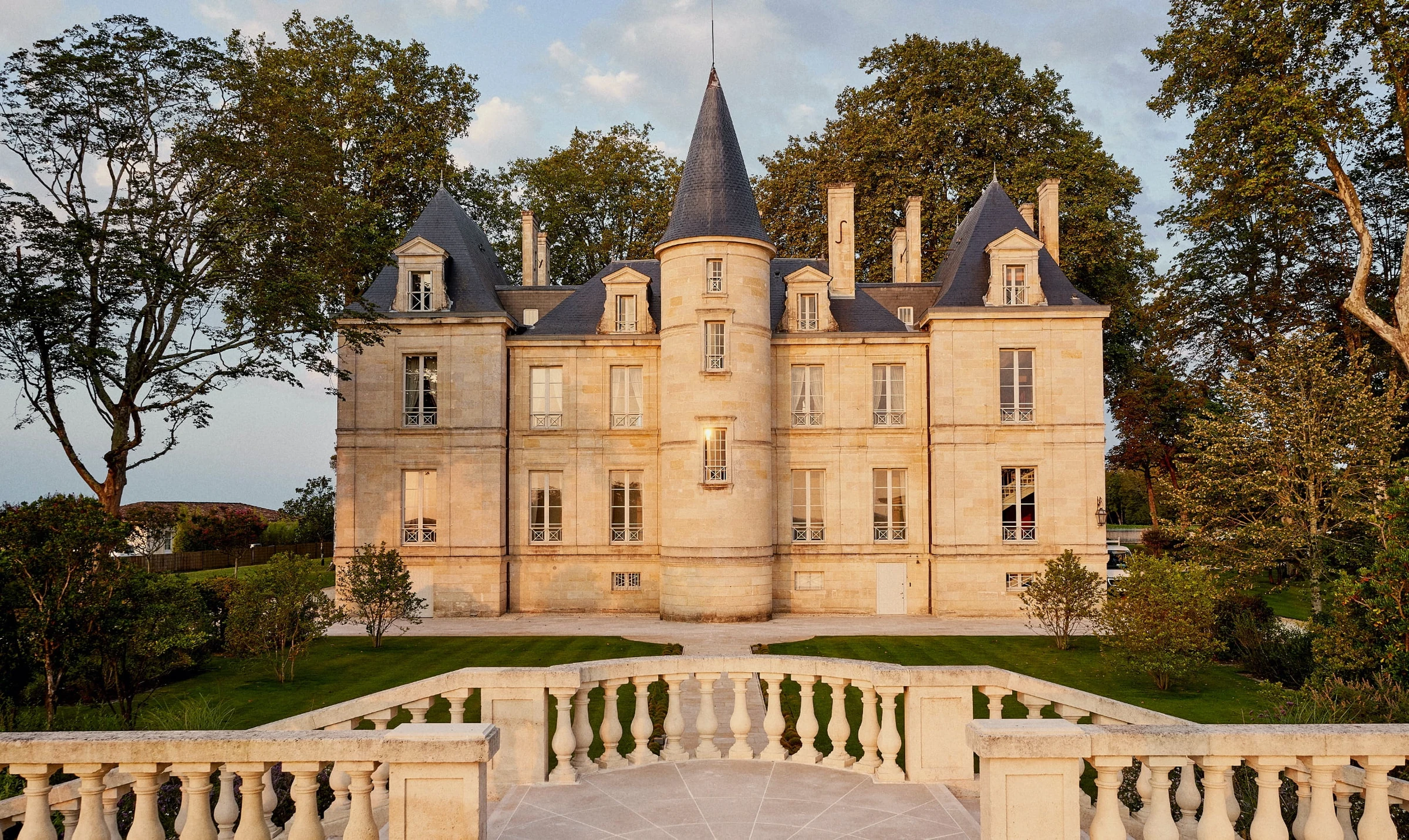
| Château Pichon-Longueville-Comtesse-de-Lalande | Pauillac | · |
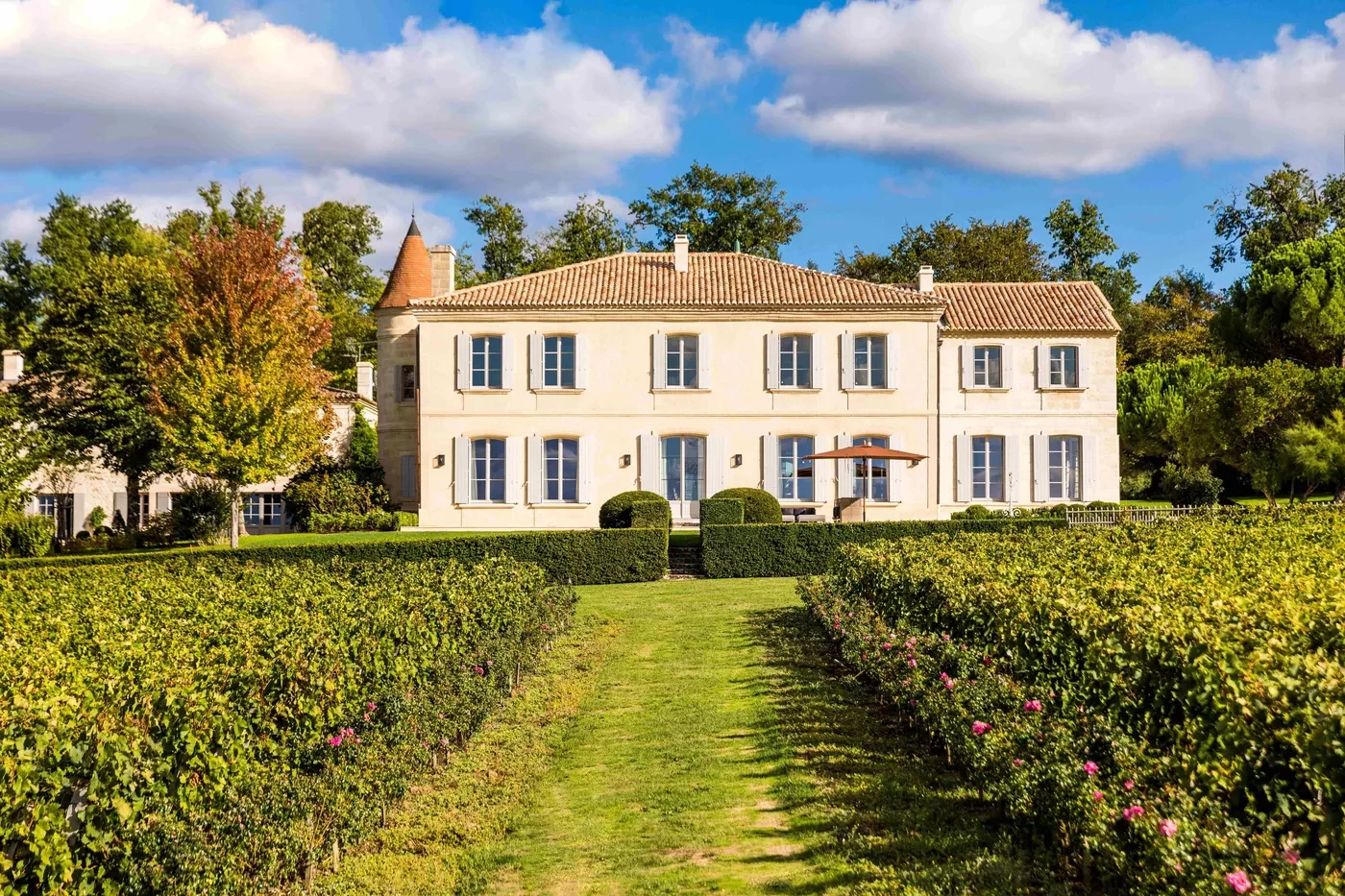
| Château Troplong Mondot | Saint-Laurent-des-Combes | · |
| Familienweingut Tement | Ehrenhausen | World's 50 Best |
| Felton Road Wines | Bannockburn | World's 50 Best |