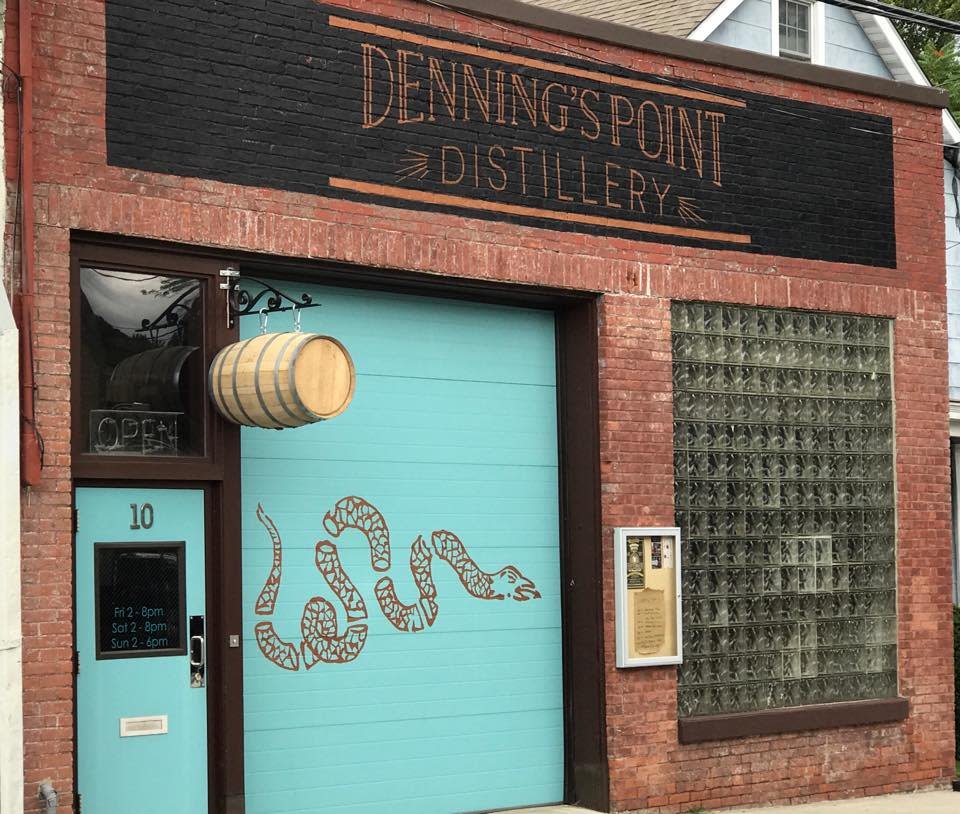
Made ByDistillery Tasting Room
35N Cretan Distillery
- 01CityRethymno, Greece
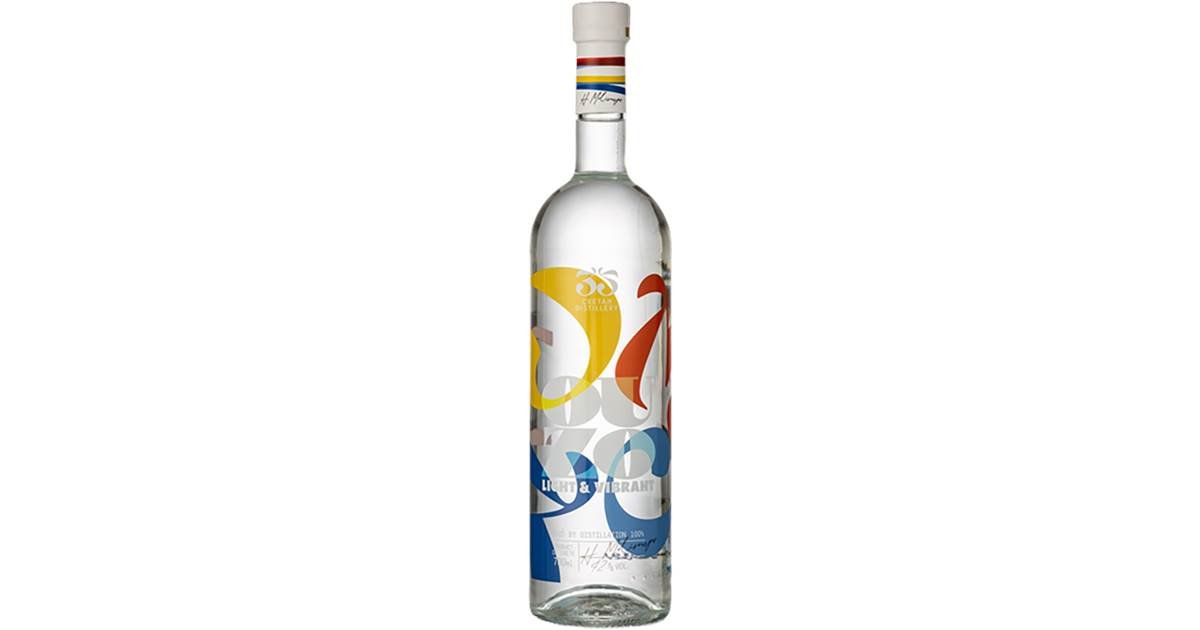
35N Cretan Distillery operates from Sfakaki on Crete's northern coast, producing spirits that draw directly from the island's agricultural character. Awarded a Pearl 2 Star Prestige in 2025, it represents a tier of Greek craft distilling that positions Cretan terroir against broader Mediterranean production traditions. The address alone, Pigianos Kampos, a flat agricultural plain east of Rethymno, signals the working, land-rooted nature of this operation.
Crete's Agricultural Identity, Bottled
The northern coastal plain stretching east from Rethymno toward Heraklion is not the Crete of postcards. Pigianos Kampos is flat, farmed, and functional, a range of olive groves, polytunnels, and working producers rather than clifftop villages and azure coves. It is precisely this character that defines what serious Cretan producers in this corridor are attempting to express: something rooted in the island's soil and agricultural economy rather than its tourism economy. 35N Cretan Distillery, situated in Sfakaki within this plain, belongs to that working-producer tradition.
Greek distilling has undergone a quiet restructuring over the past decade. The category long dominated by industrial tsipouro and commercially bottled raki has been joined by a smaller cohort of craft operations that treat local raw materials, grape pomace, herbs, fruit, with the same seriousness that wine producers apply to their vineyards. The 2025 Pearl 2 Star Prestige award places 35N Cretan Distillery inside that upper tier, benchmarking it against peers who are redefining what Greek spirits can communicate about place. For context on the breadth of Greek production traditions, operations like Apostolakis Distillery in Volos represent the mainland distilling side of this same national conversation.
Cretan Terroir and the Logic of Distilling From Place
Crete's agricultural conditions are specific enough to matter at the production level. The island sits at the southernmost edge of the European wine and spirit belt, with a climate marked by long, dry summers, limited rainfall, and soils that range from limestone-rich highlands to the alluvial coastal plains where Sfakaki sits. These conditions shape the raw materials available to producers: grapes grown under high UV stress tend toward concentration and refined sugar, which carries through into the base spirit. The aromatic herb population of Cretan hillsides, dictamo, thyme, sage, has historically informed the island's distilling tradition far more than imported botanical programs.
The terroir argument for spirits differs from wine in one important respect: distillation compresses and transforms raw material rather than preserving it directly. What terroir expression in a spirit signals is less about a literal flavor of place and more about the quality and specificity of the agricultural inputs and the restraint of the distilling process. Operations that earn prestige recognition in this context are typically those where the sourcing logic is coherent and the production decisions amplify rather than mask the base material. That is the standard against which a 2 Star Prestige designation is meaningful.
Crete's position within Greek distilling has always been somewhat distinct. The island has its own raki tradition (locally called tsikoudia) that predates organized wine tourism by centuries, produced at a household and village scale that mainland tsipouro culture mirrors but doesn't replicate. The move toward craft, export-oriented distilling represents a formalization of that tradition, bringing production discipline and consistency to what was historically seasonal and informal. For those mapping Greek wine and spirit production more broadly, Abraam's Vineyards in Komninades and Acra Winery in Nemea illustrate how different Greek regions approach the relationship between viticulture and identity.
Where 35N Cretan Distillery Sits in the Greek Spirits Tier
Award structures in the Greek spirits and wine space have matured considerably. Recognition like a Pearl 2 Star Prestige in 2025 functions as a placement signal within a competitive comparable set, it does not operate in isolation. Operations at this tier typically demonstrate consistency across multiple releases, a defined production approach, and a level of quality control that separates them from the volume-driven segment of the market. The Cretan craft distilling field remains smaller than the island's wine production tier, which means that recognition at this level carries weight in a relatively concentrated category.
For comparison, the Greek wine and spirit scene includes producers working at very different scales and with very different ambitions. Alpha Estate in Amyntaio and Artemis Karamolegos Winery in Santorini anchor the wine side of Greek prestige production, while the distilling category is still establishing its reference points. 35N Cretan Distillery's 2025 award positions it as one of the producers helping to define those reference points for Cretan spirits specifically.
The Sfakaki address is worth noting for serious visitors. This is a production site on an agricultural plain. The Pigianos Kampos area functions as an agricultural zone, and producers here operate on working schedules rather than hospitality-oriented ones. Anyone planning a visit should approach with that context in mind, this is a production site first. For the wine and dining side of a Rethymno itinerary, our full Rethymno restaurants guide covers the city's broader food and drink scene.
The Broader Context: Greek Craft Spirits in 2025
The moment for Greek craft spirits is genuine rather than manufactured. Export interest in Greek food and drink has grown substantially over the past five years, driven partly by wine producers like those at Avantis Estate in Chalkida and Artisans Vignerons de Naoussa in Stenimachos raising the international profile of Greek terroir. Spirits have followed, with bartenders and buyers in London, Amsterdam, and New York increasingly listing Greek tsipouro and raki alongside established categories. The benchmark operations in this space, those with award recognition and coherent production philosophies, are the ones that will define how the international market understands Greek distilling over the next decade.
Crete has a particular advantage here: name recognition and a strong association with Mediterranean agricultural tradition. The island's olive oil, wine, and herb production are already embedded in premium food culture internationally. Spirits that draw from the same raw material base and carry credible provenance have a natural entry point into that conversation. Producers earning prestige recognition in 2025 are entering the export market at a moment when category interest is high and the field is not yet crowded with established names.
For those who follow distilling across different national traditions, it is useful to place Greek craft operations alongside the broader European context. Aberlour in Aberlour represents a Scotch tradition where terroir expression through spirit is a decades-old conversation. Accendo Cellars in St. Helena anchors a different register, Napa fine wine, but the underlying question about how place communicates through a produced beverage is the same one Cretan distillers are now asking of their own raw materials. Greek operations like Aiolos Winery in Palaio Faliro, Akrathos Newlands Winery in Panagia, and Anatolikos Vineyards in Xanthi further illustrate how geographically diverse Greek production has become, each region offering distinct climatic and soil conditions that shape the final product.
Similarly, Aoton Winery in Peania and Achaia Clauss in Patras represent the historical and the contemporary sides of Greek wine production, a tension that Cretan distillers are navigating in their own category as they move from traditional household production toward a more codified craft identity.
Planning a Visit
35N Cretan Distillery is located at Pigianos Kampos in Sfakaki, roughly between Rethymno and the town of Panormo on Crete's northern coast, accessible by car from Rethymno in under thirty minutes. As with most working distilleries in agricultural zones, contact in advance is advisable; the operation is production-focused rather than visitor-oriented by default. The 2025 Pearl 2 Star Prestige award signals that this is a producer worth the trip for anyone with a serious interest in Cretan spirits and the island's agricultural tradition.
Frequently asked
What kind of setting is 35N Cretan Distillery?
35N Cretan Distillery operates from Pigianos Kampos, a flat agricultural plain in Sfakaki east of Rethymno on Crete's northern coast. This is a working production site, not a resort-adjacent tasting room — the location reflects the functional farming character of the area rather than the island's coastal tourism corridor. Its Pearl 2 Star Prestige recognition in 2025 underlines that the draw here is production quality, not setting spectacle.
What's the address for 35N Cretan Distillery?
35N Cretan Distillery is located at PIGIANOS KAMPOS, Sfakaki 741 50, Rethymno.
Is 35N Cretan Distillery recognized by any major rating lists?
35N Cretan Distillery has received recognition including: Pearl 2 Star Prestige (2025).
What wines is 35N Cretan Distillery known for?
Kritis is a distillery, not a winery. Its production sits within Crete's deep-rooted tsikoudia and raki tradition — grape pomace spirits distilled from the pressed skins and seeds left after winemaking. This places it in a category with centuries of Cretan agricultural practice behind it, distinct from the island's wine appellations.
What's 35N Cretan Distillery best at?
The clearest evidence points to production craft within the Cretan pomace spirit category: the distillery received a Pearl 2 Star Prestige award in 2025, a placement that signals consistent quality within the Greek spirits recognition tier. For visitors to the Rethymno region with an interest in local agricultural produce beyond olive oil and wine, Kritis represents a producer operating at a documented level of quality.
Address
PIGIANOS KAMPOS, Sfakaki 741 50
How it compares
35N Cretan Distillery
- Cuisine
- Moschato, Syrah
- Price
- —
- Awards
- 1 recognition
- Notes
- Rethymno Old Town
Campari Ouzo Distillery
- Cuisine
- Winery
- Price
- —
- Awards
- 1 recognition
- Notes
- Volos
Varsamis Distillery
- Cuisine
- Winery
- Price
- —
- Awards
- 1 recognition
- Notes
- Tinos
Zefyros Distillery
- Cuisine
- Winery
- Price
- —
- Awards
- 1 recognition
- Notes
- Athens
Caldera Distillery
- Cuisine
- Winery
- Price
- —
- Awards
- 1 recognition
- Notes
- Santorini
Agathangelou Distillery
- Cuisine
- Winery
- Price
- —
- Awards
- 1 recognition
- Notes
- Mytilene