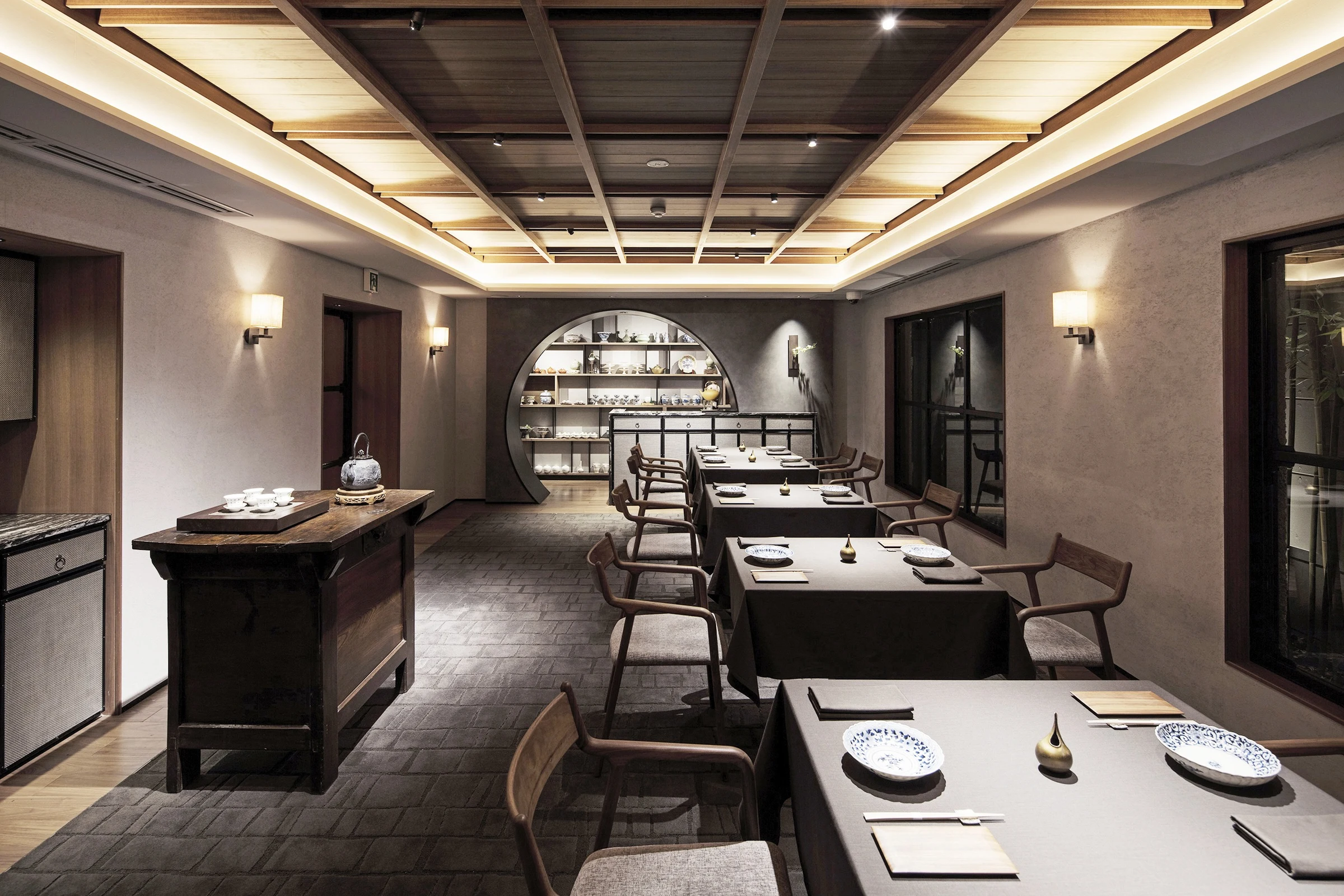
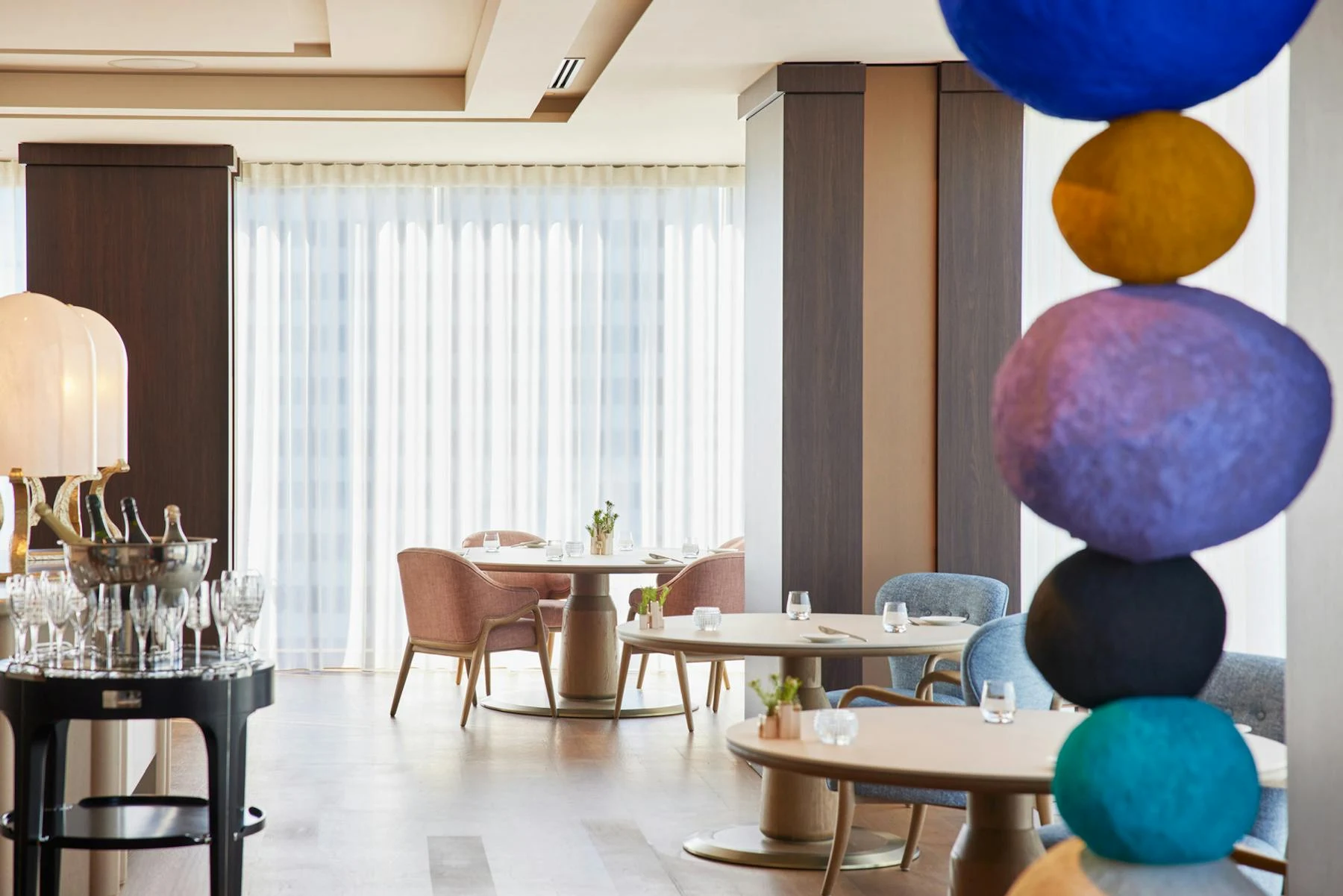
4000 Chinese Restaurant
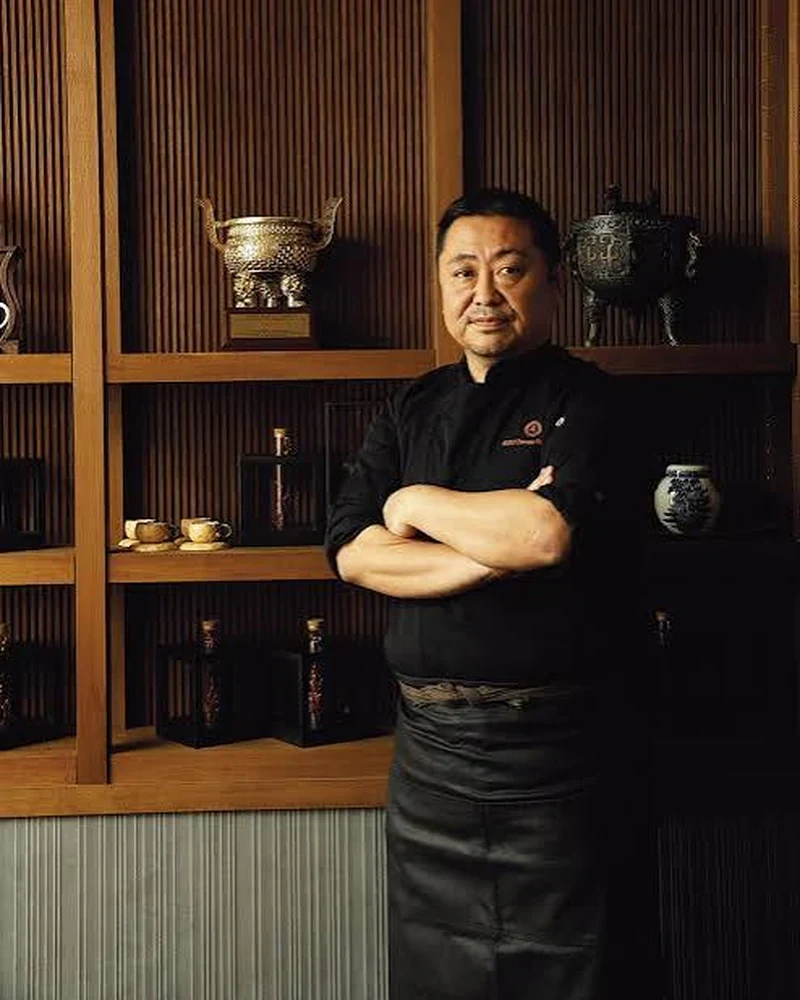
In Residence
Kinya Komoda
Chef
- 01CuisineExquisite Sichuan Cuisine
- 02CityTokyo, Japan
- Tabelog Bronze #1: 4.2pts · 2026
- Opinionated About Dining Top Restaurants in Japan Recommended · 2026
- Tabelog 100 #21: 4.1pts · 2026
- Tabelog Bronze · 2025
- Opinionated About Dining Top Restaurants in Japan Ranked #501 · 2025
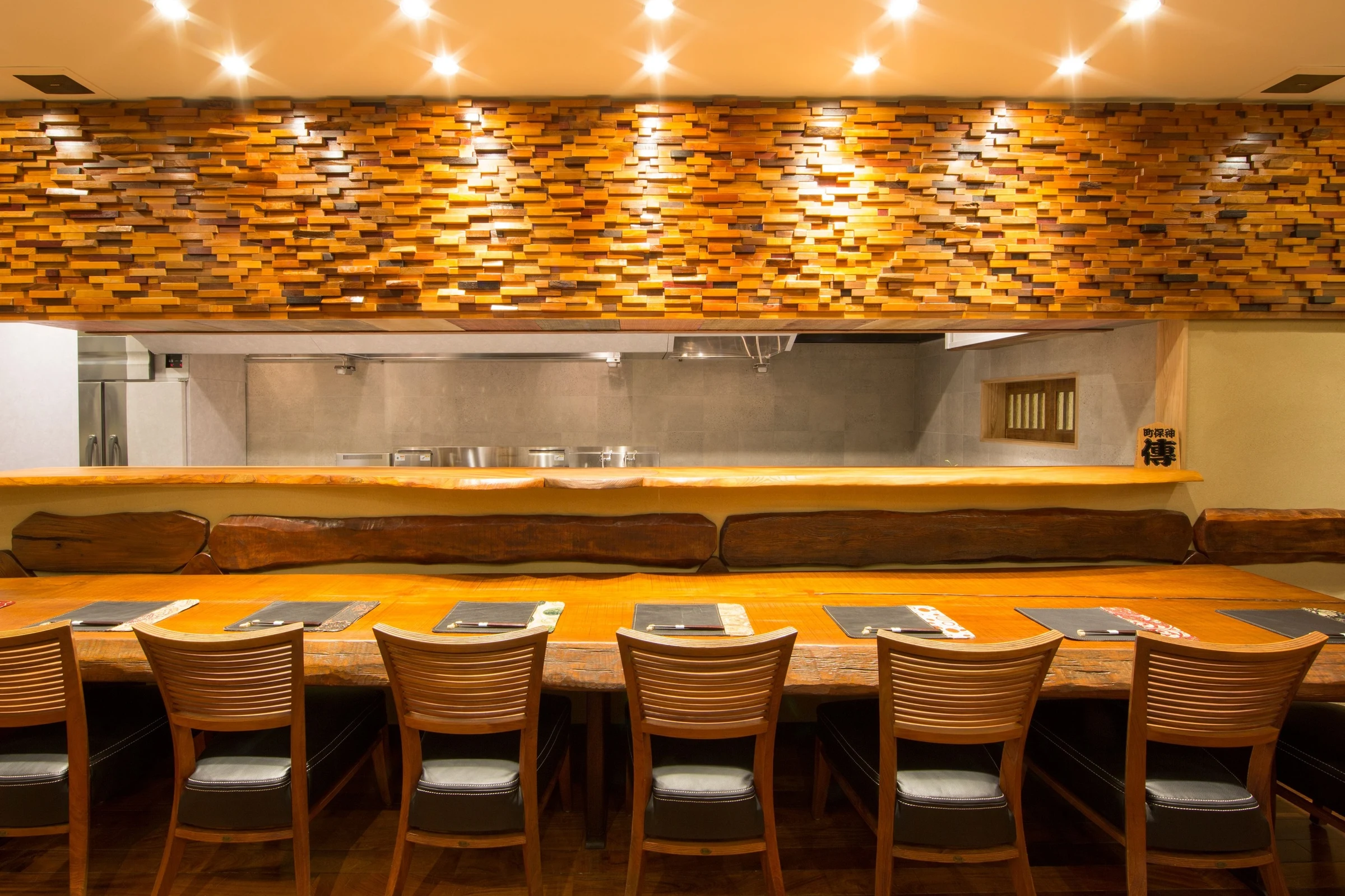
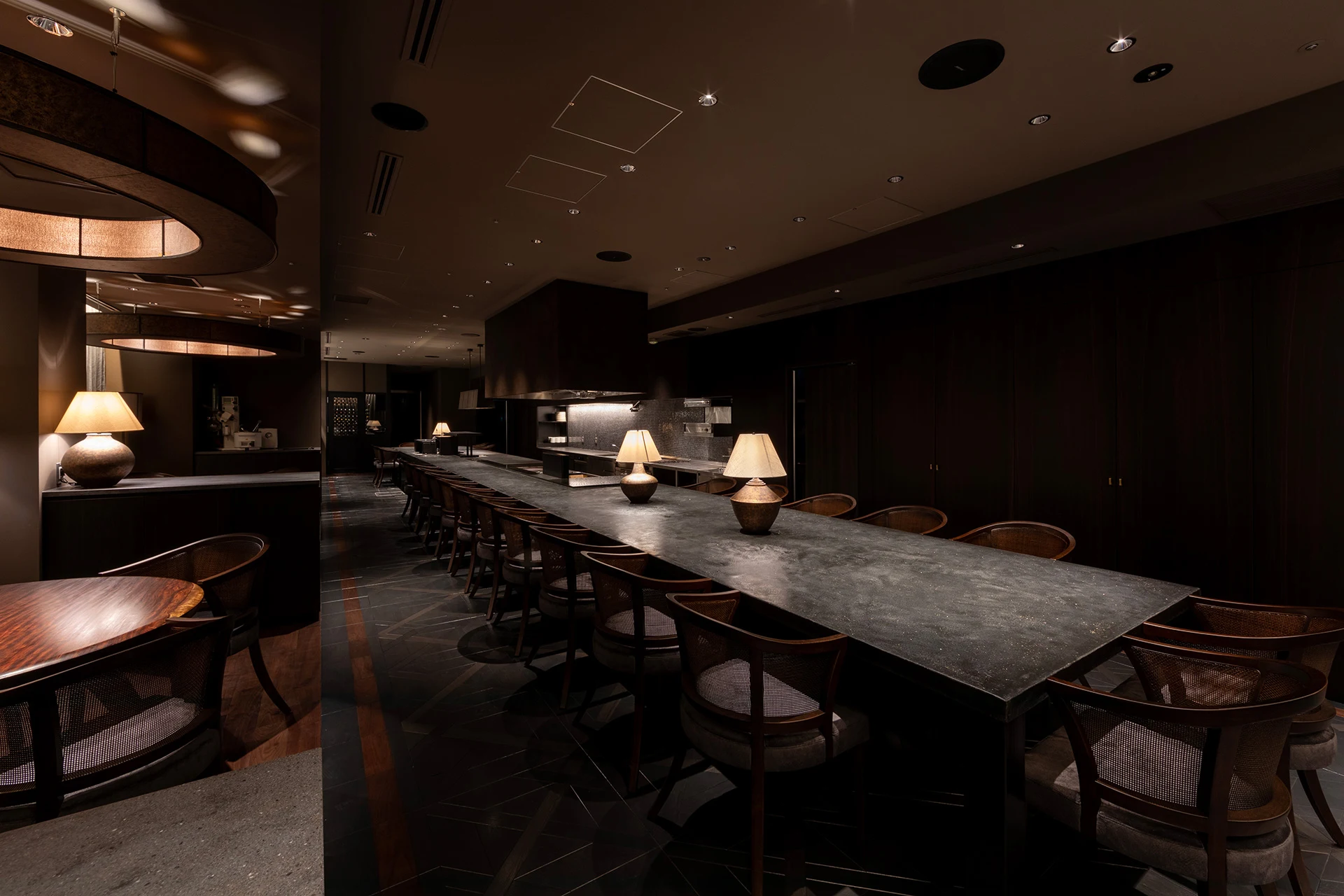
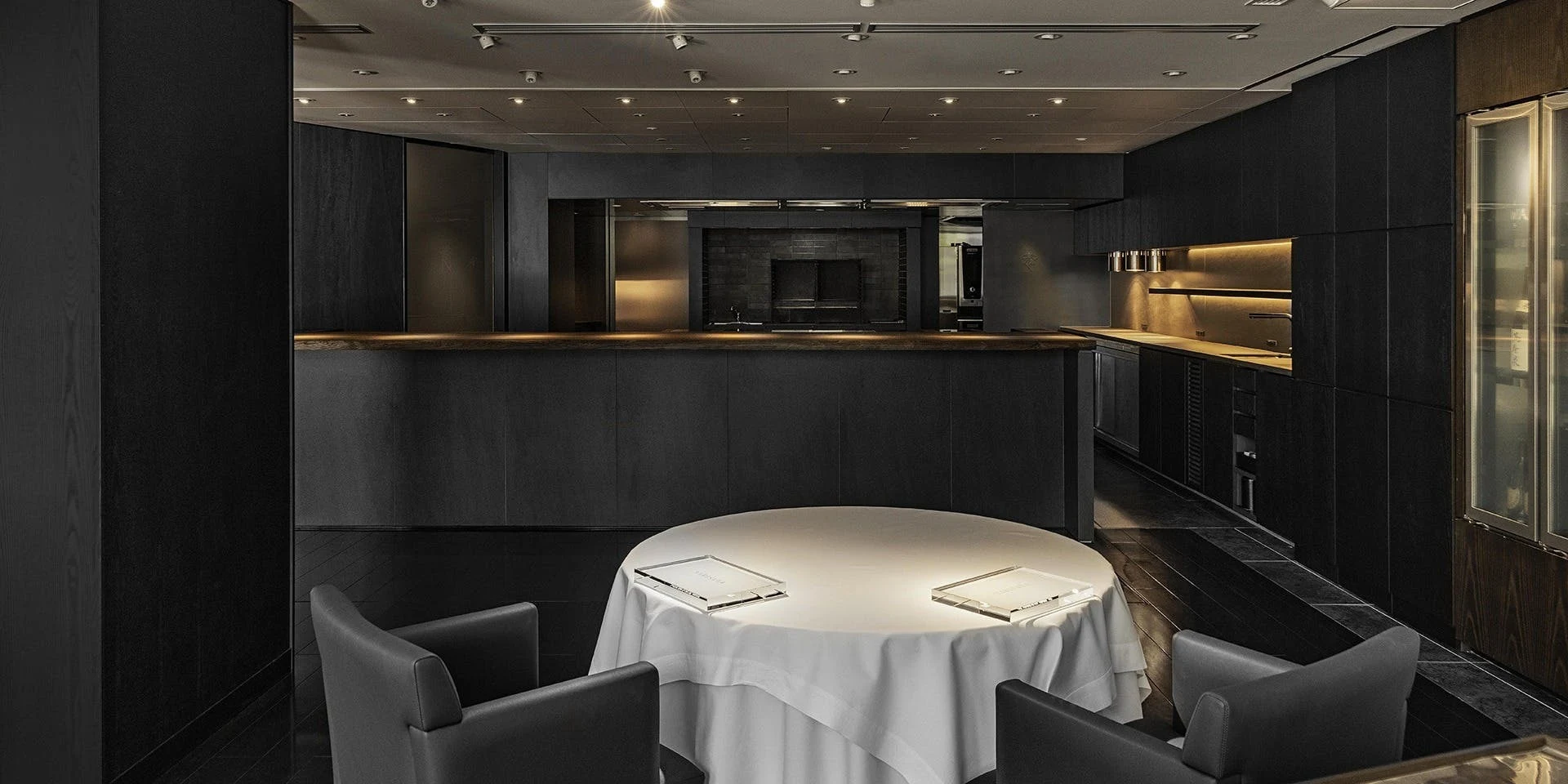
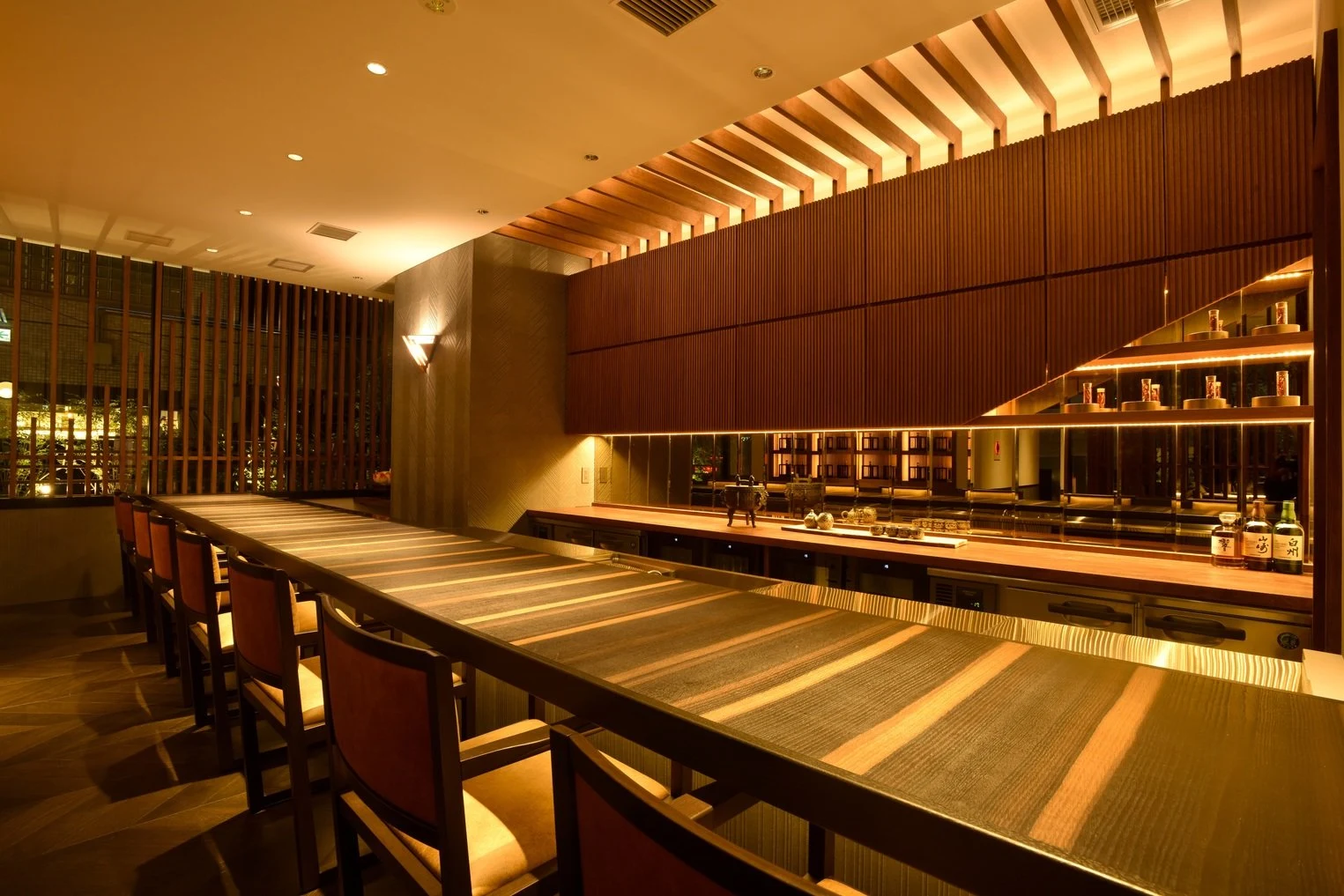
Minami-Aoyama’s side streets set the tone before the first plate: polished but not theatrical, with residential blocks, discreet entrances, and restaurants where diners know a counter seat can matter as much as a private room. In that setting, 4000 Chinese Restauranat belongs to a Tokyo Chinese category beyond the old hotel-banquet model. Small by metropolitan standards, its counter seating and tables create a format closer to kappo than a grand dining room, changing how Chinese cooking reads in Tokyo.
The city’s premium Chinese scene has several lanes. Cantonese houses signal luxury through seafood, double-boiled soups, roast meats, and formal service. Shanghainese and Beijing-leaning rooms often offer banquet comfort and a business-dinner rhythm. Serious Sichuan restaurants face a different task: carrying chilli, oil, fermentation, and numbing spice into a high-price Japanese dining context without reducing the cuisine to heat. That is the lane here, supported by Tabelog Award Bronze recognition from 2020 through 2026 and a 2026 selection in Tabelog Chinese TOKYO 100. In Tokyo, those signals matter because user-driven dining consensus often separates serious local demand from imported prestige.
Sichuan technique in a city that prizes counter precision
Chinese roasting and barbecue help frame Tokyo’s Chinese rooms, even when the stated category is Sichuan rather than Cantonese. Char siu, Peking duck, soy chicken, and other roast-house staples depend on timing, skin management, lacquer, resting, and carving; they reward kitchens controlling texture as tightly as flavour. Tokyo diners already understand that language through yakitori, unagi, tempura, and sushi counters, where a few degrees or seconds can shift the result. The better Chinese rooms use that shared expectation to make Chinese craft legible without turning it Japanese.
This is why the small-format Chinese counter has become persuasive in Tokyo. The value is not spectacle for its own sake but proximity to sequence, temperature, and pacing. At this level, the question is not whether Sichuan food is spicy, but whether fermented bean paste, chilli oil, stock, vinegar, and aromatics are handled with the discipline diners expect from Japanese tasting formats. A sommelier and wine-focused drinks program underline that this is Chinese dining built for long-form progression rather than quick saturation.
Roast and barbecue traditions also clarify the difference between Chinese and Japanese luxury. Cantonese char siu and Peking duck lean on glaze, fat, heat, and carving ritual; Sichuan cooking often builds intensity through layering rather than visible ceremony. In Tokyo, both compete for diners willing to pay for control rather than abundance. The counter setting makes the point: a dish needs no silver-lidded drama if seasoning, doneness, and rhythm carry the argument.
Where it sits among Tokyo's Chinese dining options
Tokyo’s Chinese hierarchy is broader than one style. Canton Meisai Akasaka Rikyu speaks to the Cantonese banquet lineage, while Chugoku Hanten Fureika and Chugoku Hanten Kohakukyu (Amber Palace) sit closer to polished Chinese dining with business and occasion appeal. Choyo belongs in the same conversation about Chinese food as a serious Tokyo reservation category rather than a fallback cuisine. Against that context, 4000 Chinese Restaurant is the compact, Sichuan-led answer: fewer seats, tighter pacing, and a price tier asking diners to judge Chinese cooking by precision, not volume.
The comparison matters because Tokyo has long treated some cuisines as natural luxury vehicles and others as casual comfort. Sushi, tempura, kaiseki, French, and Italian had clear premium scripts. Chinese dining had them too, often through hotel rooms, large private tables, and banquet menus. The newer high-end Chinese format is more intimate and chef-facing, borrowing the seriousness of Japanese counters while keeping Chinese technique central. That shift appears as rooms like this sit beside Tsushimi, Kyuu, NISHIAZABU SHANGU, Chugoku Hanten Roppongi, and Nogizaka yui within a varied Chinese field rather than one category.
Chef Komoda’s role fits that larger pattern. The chef name gives the restaurant authorship, but the structural story is sharper: Tokyo Chinese cooking is now comfortable with small rooms, higher checks, wine-pairing logic, and cuisine-specific technique without banquet excess. Repeated Bronze recognition is not decorative; it places the restaurant among venues sustaining local attention across several award cycles. In a city where diners compare across genres, not only within cuisines, that consistency signals more than a single publicity burst.
How to read the experience before choosing it
This is not the address for diners who want Cantonese roast duck carved tableside as the central event. Expect Sichuan technique with fine-dining restraint: spice structure, heat control, savoury depth, and pacing that benefits from a compact room. For travellers, it differs from a hotel Chinese restaurant or large banquet room. It suits diners who already like Chinese regional cooking and want to see how Tokyo’s precision culture reframes it.
The price tier also changes the decision. In Tokyo, a Chinese meal in this bracket competes with serious sushi counters, kappo rooms, and French-Japanese tasting menus as much as with other Chinese restaurants. That comparison set is demanding. The case for choosing Sichuan here rests on category depth: Tokyo’s high-end Chinese scene shows a side of the city visitors often miss when they restrict luxury dining to sushi and kaiseki. It also offers a different wine conversation, because spice, oil, and fermentation test a cellar more aggressively than many seafood-led menus.
For a broader read on the city, pair this page with Our full Tokyo restaurants guide, plus Our full Tokyo hotels guide, Our full Tokyo bars guide, Our full Tokyo wineries guide, and Our full Tokyo experiences guide. Travellers extending the same food-first lens across Japan can also compare category signals at -Grilled beef Sukiyaki- KAMAKURA TANUKIAN 鎌倉 たぬき庵 in Kamakura,.cafe in Osaka,.know in Kumamoto, (Shoku) Vietnam in Kawasaki, [Curry Senmon Ten] Maruyama Kyoju. in Sapporo, [ki:] in Kyoto, 888 Seafood, Chinese in Rosemead, and Akihana, Chinese in Kyoto.
Questions
Frequently asked
Who works at 4000 Chinese Restaurant?
Made By profiles Kinya Komoda (Chef) at 4000 Chinese Restaurant.
How expensive is 4000 Chinese Restaurant?
4000 Chinese Restaurant is listed at a price level of $$$$.
Where is 4000 Chinese Restaurant and what does it serve?
4000 Chinese Restaurant is in Minato, Tokyo, serving Exquisite Sichuan Cuisine.
The field
How it compares
| Place | Cuisine | Notes | Awards |
|---|---|---|---|
| 4000 Chinese Restaurant | Exquisite Sichuan Cuisine | Minato, $$$$ | · |
| Den | Modern Japanese Kaiseki | Tokyo | Michelin 2 Stars, World's 50 Best |
| Florilège | Modern French-Japanese Plant-Based Fine Dining | Tokyo | Michelin 2 Stars, World's 50 Best |
| Narisawa | Modern Japanese Satoyama Fine Dining | Tokyo | Michelin 2 Stars, World's 50 Best |
| Quintessence | Modern French Fine Dining | Tokyo | Michelin 3 Stars |
| Sazenka | Modern Chinese Fine Dining | Tokyo | Michelin 3 Stars, World's 50 Best |
| Sézanne | Modern French Fine Dining | Tokyo | Michelin 3 Stars, World's 50 Best |
In residence
Similar places
Modern Japanese Kaiseki
Den
Tokyo, Japan
★★ · 50 Best
Modern French-Japanese Plant-Based Fine Dining
Florilège
Tokyo, Japan
★★ · 50 Best
Modern Japanese Satoyama Fine Dining
Narisawa
Tokyo, Japan
★★ · 50 Best
Modern French Fine Dining
Quintessence
Tokyo, Japan
★★★
Modern Chinese Fine Dining
Sazenka
Tokyo, Japan
★★★ · 50 Best
Modern French Fine Dining
Sézanne
Tokyo, Japan
★★★ · 50 Best