Acto LLC
- 01CityTbilisi, Georgia
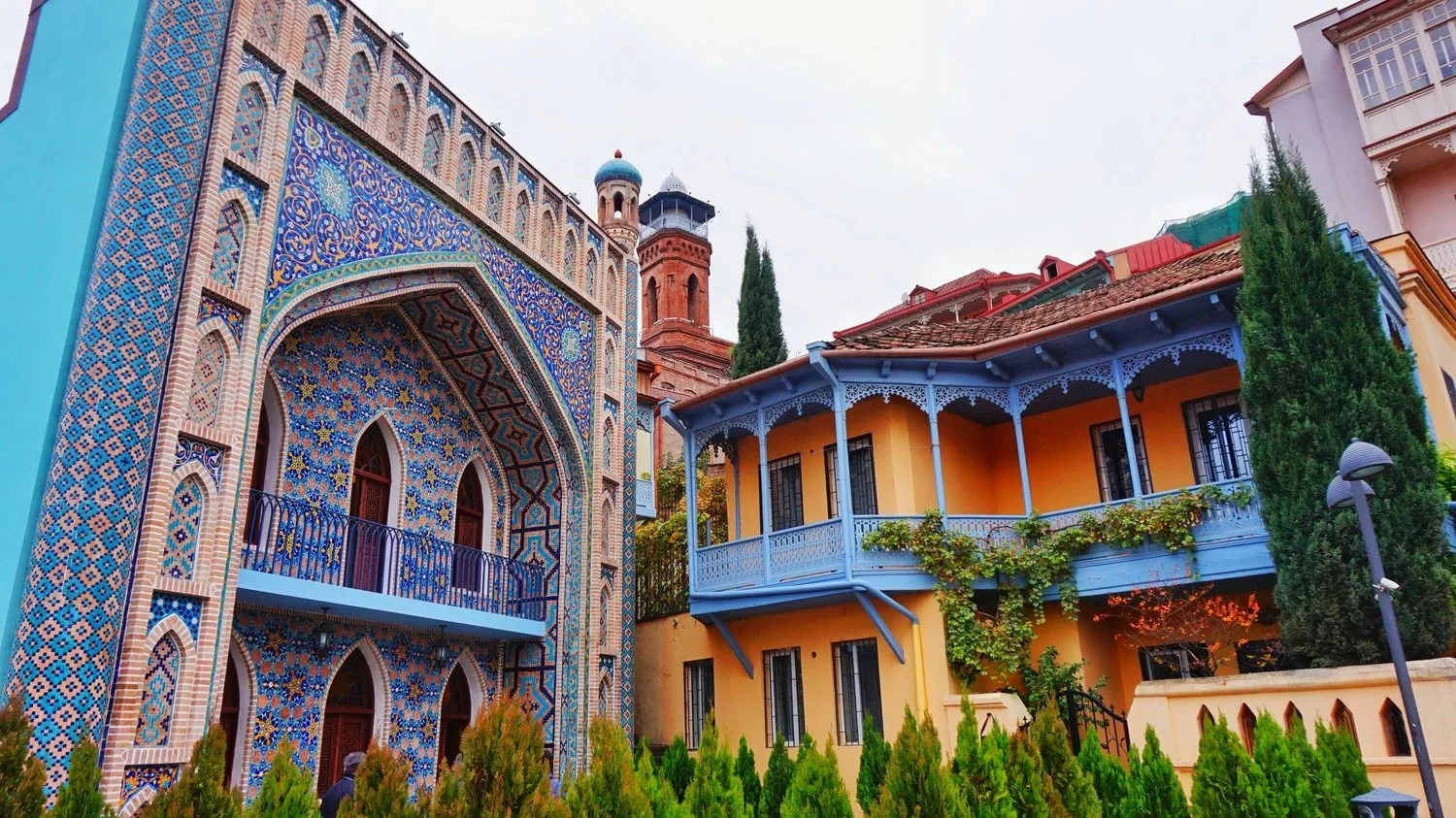
- Falstaff Winery - Listed · 2026
In Tbilisi, wine often announces itself through the table: amber wine beside khachapuri, dark Saperavi beside grilled meat, a toastmaster turning drinking into ceremony. Acto LLC belongs to a different part of that culture, the urban production side, where the city acts as commercial base while the argument in the glass comes from Kakheti. Operating under the Winery Bediani brand, it links Tbilisi with the Kindzmarauli microzone, a name that matters in Georgian wine because Saperavi from this part of Kakheti carries both regional identity and market recognition.
Georgia’s claim to an 8,000-year wine tradition can become lazy shorthand when repeated without detail. The useful point here is technical: qvevri winemaking is not a decorative heritage cue, but a fermentation and ageing system that changes texture, extraction and the way grape skins shape the finished wine. Acto LLC works across qvevri and classical methods, a dual format that reflects where Georgian wine sits in 2026. Producers are not choosing only between museum-piece tradition and stainless-steel modernity; many are using both, separating wines by style, grape and audience.
Kindzmarauli fruit, Tbilisi production and the Saperavi question
Saperavi remains the anchor of Georgia’s red-wine identity because it is a teinturier grape, with colour in both skin and flesh, and because it can handle structure without losing regional character. Acto LLC’s focus on Saperavi and Rkatsiteli places it inside the native-variety movement rather than the international-variety lane. That distinction matters for travellers who want Georgian wine to taste Georgian, not merely competent by global cellar standards.
The winery was founded in 2012 by Giorgi Ezugbaia and now produces more than 2 million bottles in the medium and premium segments. Scale is the editorial clue. This is not the tiny family marani fantasy that dominates romantic wine travel, nor is it a faceless commodity operation. It sits in the middle: large enough to make Georgian varieties visible beyond the immediate cellar, but still framed around native grapes, Kindzmarauli sourcing and production choices that keep qvevri in the conversation.
That scale also changes what a visitor should listen for when tasting. Small natural-wine cellars often ask for tolerance around volatility and vintage variation; larger Georgian producers have to make a cleaner case for consistency, export readiness and varietal legibility. Bediani’s production philosophy is conventional, its allocation is open, and shipping is available, so the interest lies less in scarcity theatre than in how a Tbilisi-based winery packages Kakhetian material for a broader drinking public.
Qvevri is the tradition, not the whole story
The strongest Georgian wine experiences make room for contradiction. Qvevri gives the country its historical authority, but stainless steel has its place when freshness, precision and early-drinking clarity are the goal. Acto LLC’s split between qvevri and classical production fits that wider national pattern. It allows Saperavi to appear in a deeper, more structured register while white grapes such as Rkatsiteli can be handled with a different emphasis.
For travellers using Tbilisi as a wine base, the appeal is context. The city is often treated as the prelude to Kakheti, yet its urban wineries and production offices explain how Georgian wine moves from village cellar to restaurant list, shop shelf and export market. Acto LLC is useful in that reading because it does not reduce Georgian wine to a single rustic image. It shows the commercial and technical layer behind a category that international drinkers often encounter first through amber wines and qvevri mythology.
The broader Tbilisi wine map rewards cross-referencing rather than single-stop judgement. For more city-based producers, see Artevani, Bolero & Company, Corporation Georgian Wine, G-Wine Cradle of Wine and Georgian Wines & Spirits. The fuller city context sits in Our full Tbilisi wineries guide, with parallel planning through Our full Tbilisi restaurants guide, Our full Tbilisi hotels guide, Our full Tbilisi bars guide and Our full Tbilisi experiences guide.
Where it fits in a serious Georgia wine itinerary
Acto LLC is strongest as a lens on modern Georgian production: native grapes, sizeable output, qvevri retained as method rather than costume, and Tbilisi used as a practical base for wines tied to Kakheti. It will suit travellers who want to understand the mechanics of Georgian wine beyond cellar folklore. Those seeking a monastic or rural marani setting should widen the route beyond the capital and read alongside Alaverdi Monastery Cellar in Chumlaki, Alpha Group in Rustavi and Babaneuris Marani in Akhmeta.
As a point of contrast outside Georgia, »der Steiner« Hans Steiner in Podersdorf am See and & Handwein in Mannheim show how European urban and regional wine identities can take different forms. The Georgian case remains distinct because qvevri is not a revived fashion layered onto wine culture; it is part of the country’s long technical memory. Acto LLC’s relevance is in showing how that memory survives inside a contemporary production model.
Questions
Frequently asked
How expensive is Acto LLC?
Acto LLC is listed at a price level of $$.
The field
How it compares
| Place | Notes |
|---|---|
| Acto LLC | Saburtalo, $$ |
| Corporation Georgian Wine | Tbilisi |
| G-Wine Cradle of Wine | Tbilisi |
| Georgian Wines & Spirits | Tbilisi |
| Kakhatian Traditional Winemaking | Tbilisi |
| Tbilvino | Tbilisi |
| Vinotells | Tbilisi |