Barbera from estate hillside vineyards
- Falstaff Winery - Listed · 2026
Picking for Barbera first
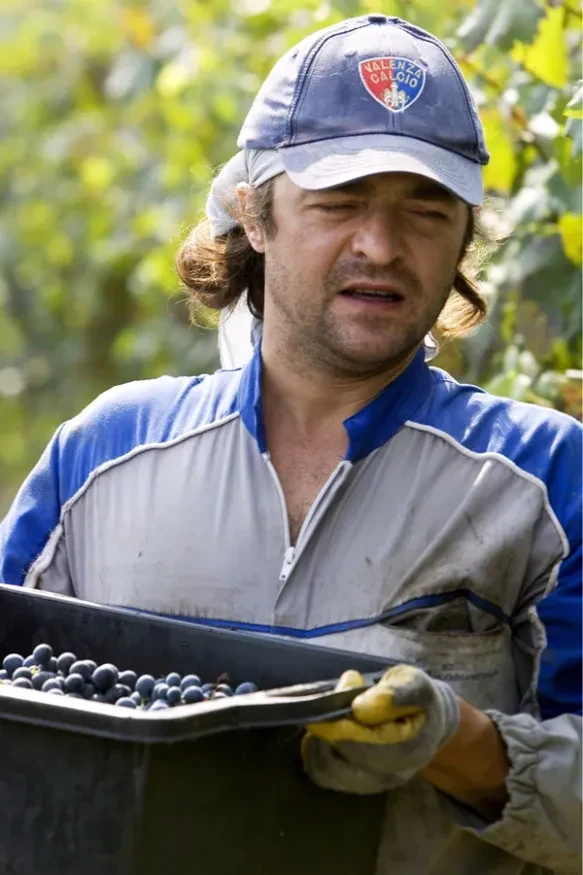
Agostino Pavia still walks the rows at harvest, tasting for the day to pick. Giuseppe Pavia and Mauro Pavia, winemakers at Agostino Pavia & Figli in Agliano Terme, work from that decision into the cellar. The house began with Agostino Pavia’s conviction that these hills could give Barbera its proper depth, and the brothers have kept the estate inside that narrow, demanding frame since the 1980s. Their father remains part of the vineyard rhythm, while Giuseppe and Mauro carry the cellar work, sales, and direction of the family estate. The scale helps keep the choices close to the hands: about 10 hectares, all estate vineyards, with Barbera as the center rather than one bottle among many. The family’s own figures put production at 90,000 bottles, 90 percent of it Barbera. Grignolino, Dolcetto, Syrah and other local counterpoints sit around that main grape, but they do not move the bench. The discipline here is concentration, not breadth.
Four readings of one grape
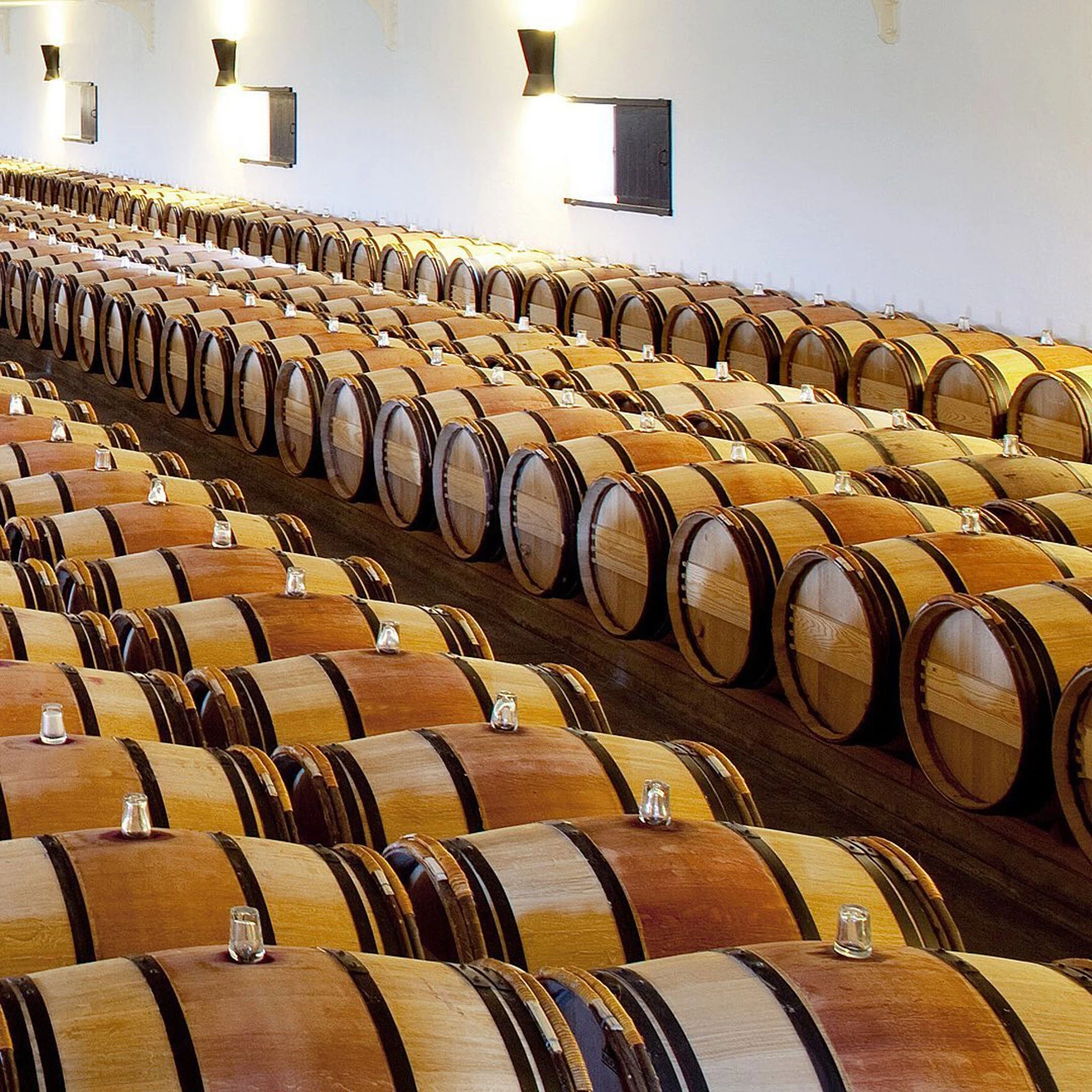
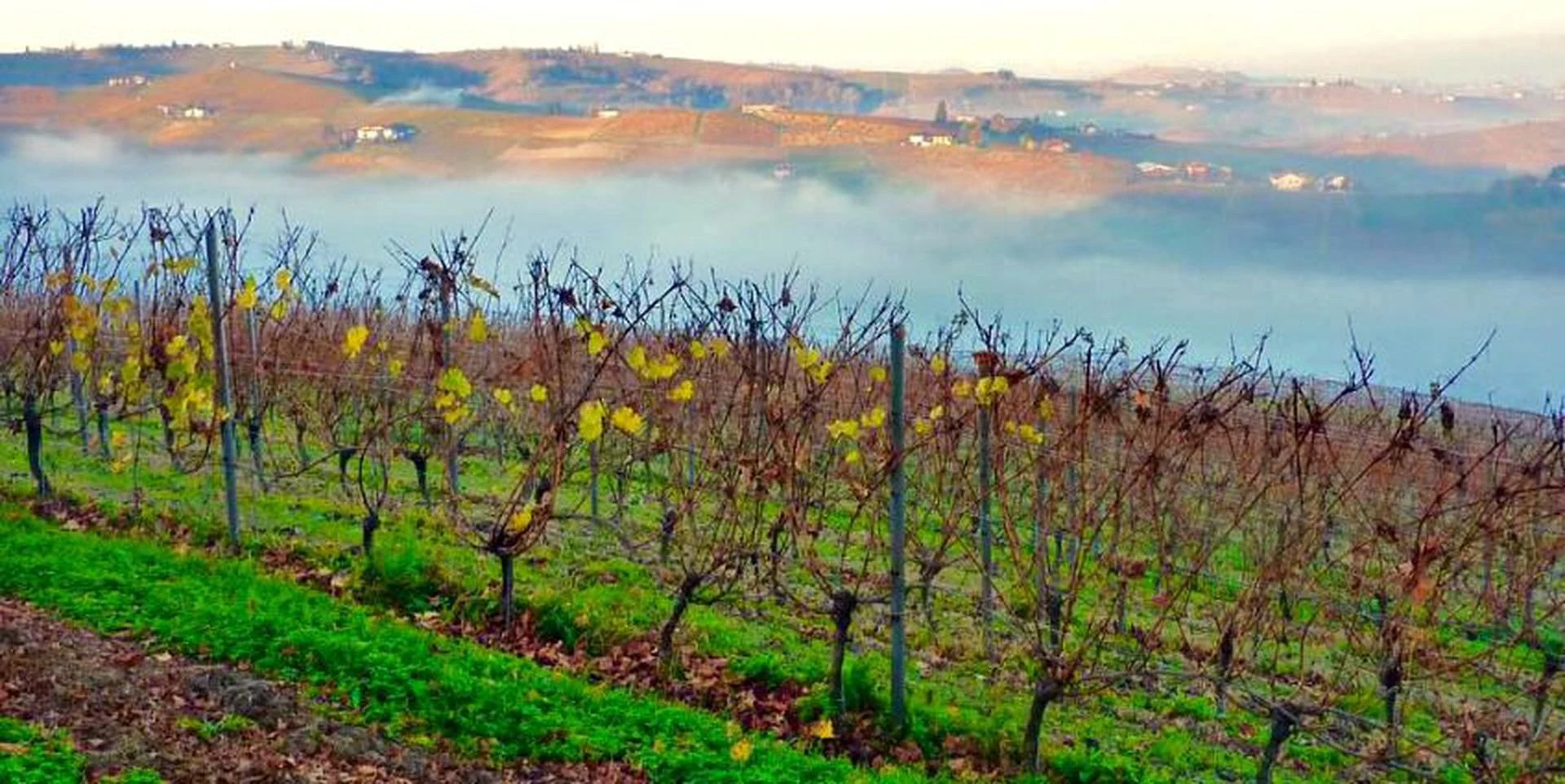
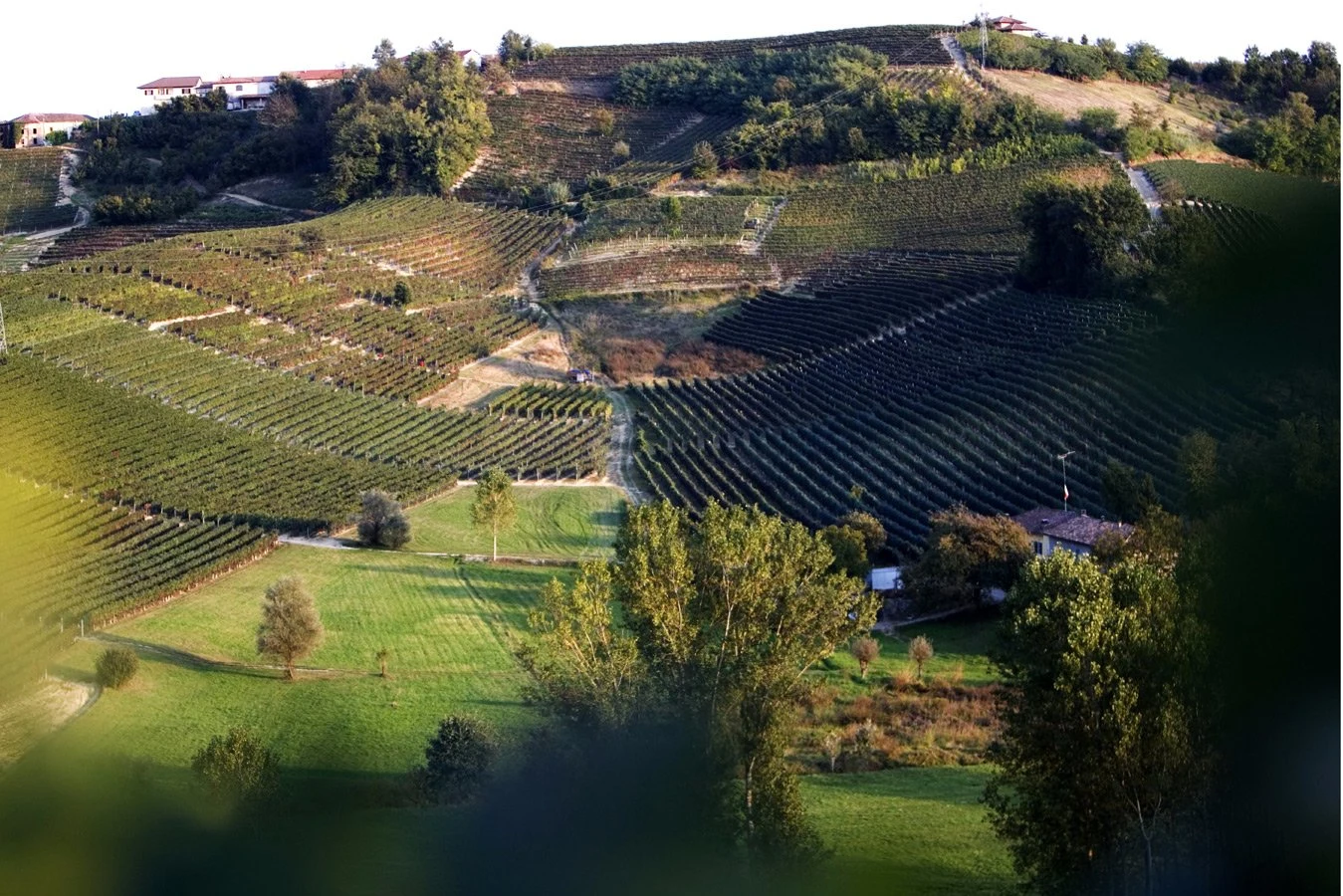
The vineyards sit in the Asti province around Agliano Terme, at 240 to 260 meters, on soils of sand and clay. The family calls its farming buon senso, common sense, a sustainable method built on manual vineyard work, integrated pest management, cover crops between rows, and green harvest when the vine needs less burden. In the cellar, Barbera receives a short maceration of 5-6 days with frequent pumpovers, then the wine comes off the skins before fermentation is complete, limiting tannin extraction while keeping color, acidity and fruit in focus. Stainless steel holds the fresher bottlings. Blina, from Bricco Blina, stays entirely in stainless steel and is bottled after about 10 months without oak. La Marescialla and Moliss carry the house into Barbera d’Asti Superiore. Moliss, from older vines, ages in a combination of 30,000-liter Slovenian oak and 500-liter Allier oak, a barrel program chosen for slow maturation rather than cosmetic weight.
The cellar above the valley
The room belongs to a rural Piedmont estate before it belongs to any tasting script. Vines gather around the building, the valley opens below it, and the work keeps its family scale. The cellar, the vineyard and the agriturismo sit close enough that the place reads as one organism: fruit outside, tanks and wood inside, bottles carrying names that have not been made ornamental by distance. La Marescialla, Moliss and Blina repeat through the program because the estate’s vocabulary is compact. A tasting here is less a tour of range than a lesson in separations: stainless steel against oak, Bricco Blina against Moliss, Barbera d’Asti against Barbera d’Asti Superiore.
Why the narrow frame holds
The family has kept Barbera in first position while the wider region often looks elsewhere for prestige. In Agliano Terme, Giuseppe and Mauro continue to ask how much difference one grape can carry when the sites, picking, maceration and ageing are held in view. The answer remains in the glass names the house repeats: Blina, La Marescialla and Moliss.
Questions
Frequently asked
Who makes the wine at Agostino Pavia & Figli?
Giuseppe Pavia and Mauro Pavia are the winemakers at Agostino Pavia & Figli, and their father, Agostino Pavia, still takes part in the vineyard work at harvest.
What is the estate known for?
The estate is centred on Barbera, with about 10 hectares of estate vineyards and production put at 90,000 bottles, 90 percent of it Barbera.
How is the farming done here?
The family describes its farming as buon senso, a sustainable method built on manual vineyard work, integrated pest management, cover crops between the rows, and green harvest when the vine needs less burden.
What styles of wine does the winery make?
Agostino Pavia & Figli makes several readings of Barbera, including Blina, La Marescialla and Moliss, with stainless steel used for the fresher bottlings and oak reserved for the more structured wines.
Do I need to book ahead, and is there parking?
Reservation is recommended, and there is an on-site parking lot.
The field
How it compares
| Place | Notes | Awards |
|---|---|---|
| Agostino Pavia & Figli | Agliano Terme, $$ | · |
| Cantina Sociale Barbera dei Sei Castelli | Agliano Terme | · |
| Chateau Mouton Rothschild | Pauillac | World's 50 Best |
| Dacapo Ca ed Balos winery | Agliano Terme | · |
| Durio Adriano | Agliano Terme | · |
| Serra Domenico | Agliano Terme | · |
| Tenuta Garetto | Agliano Terme | · |