Sixty parcels under Avize chalk
- Falstaff Winery - 4 Stars · 2026
- Pearl 4 Star Prestige · 2025
Vineyard time in Avize
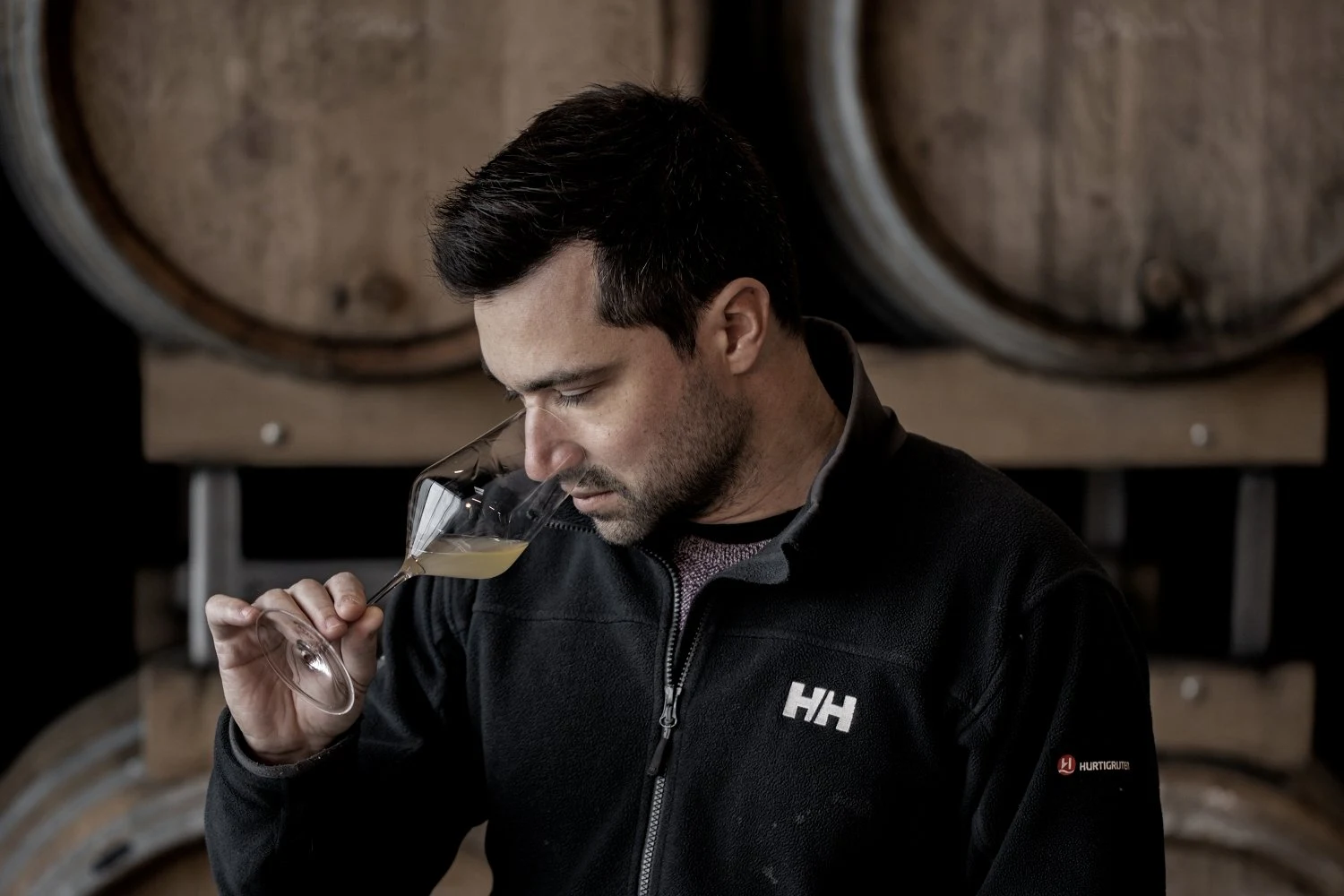
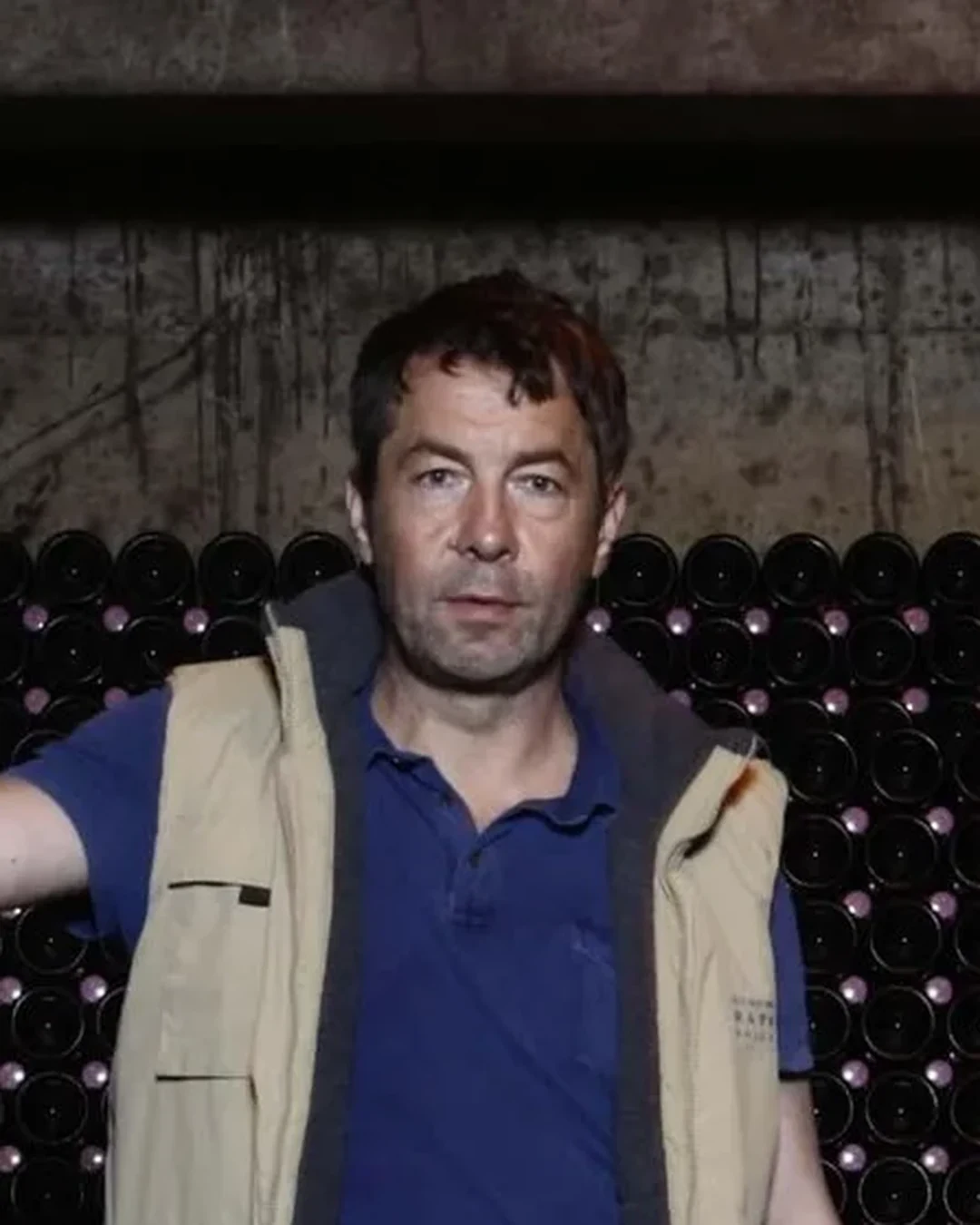
When the sun is on the rows, Pascal Agrapart, winemaker at Agrapart & Fils in Avize, goes to the vineyard rather than the office. He has led the family business since 1990, a role that in Champagne asks for continuity in the cellar and a close reading of what the season has left in the vines. Agrapart works in the Grand Cru village of Avize, on the Côte des Blancs, where chalk sits close to the surface and Chardonnay carries the main argument of the house. The family name is not treated as ceremony here. It is carried through repeated decisions: when to work the soil, how to keep the fruit legible, how much intervention the wine can bear before Avize begins to blur. His own account is direct: "Lots of winemakers want to have an easy life. Not me. I want to go work in the vineyard and I’m not asking what time it is. If the sun is shining, I’m in the vineyard, it doesn’t matter what day. Weekends too." That is the tenure in miniature, weather first, then the hands.
Sixty parcels under chalk
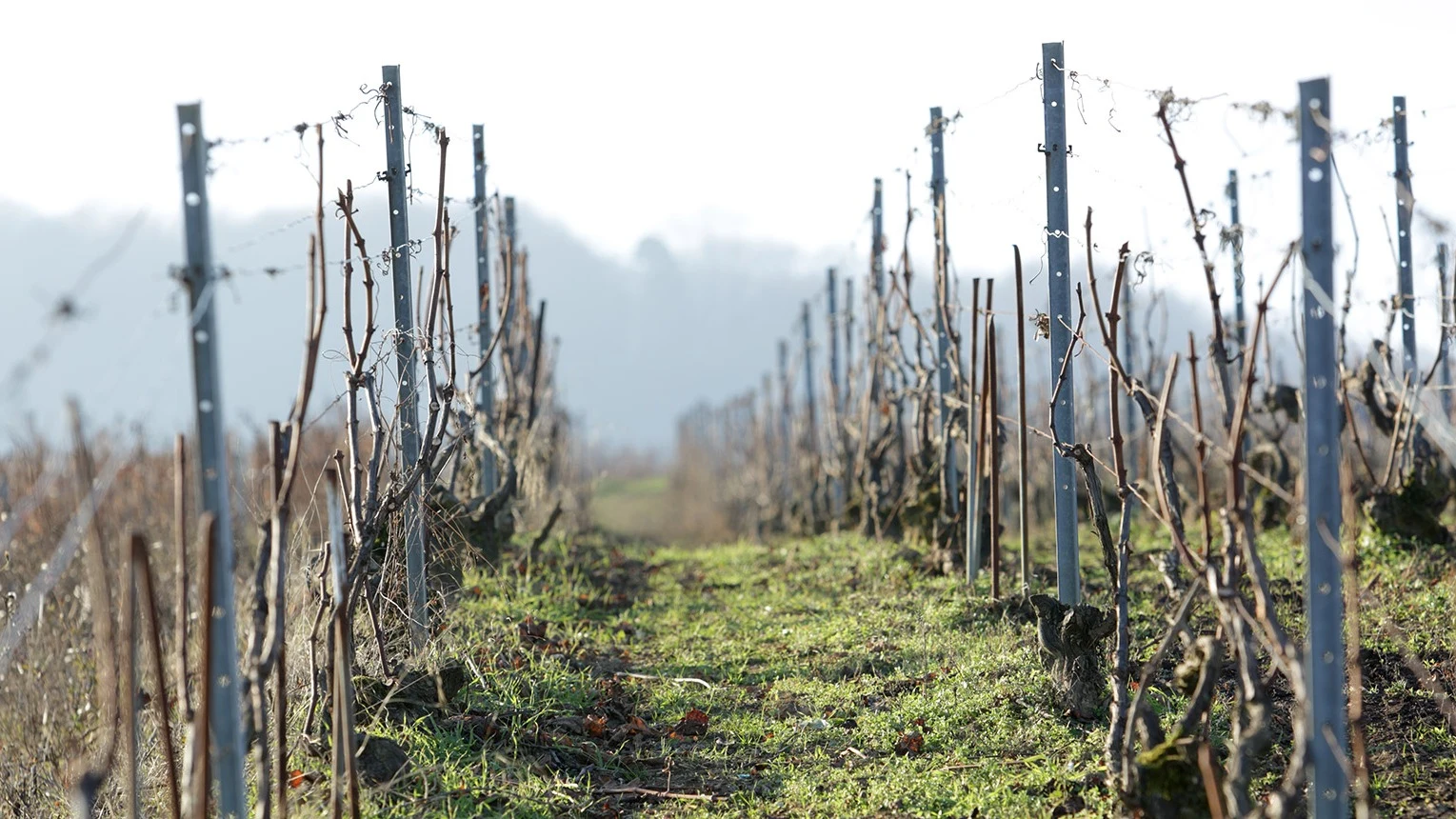
The scale is small enough to stay intimate and complicated enough to demand memory: 10-12 hectares divided across 60 plots. Agrapart & Fils works with Chardonnay and Pinot Noir, though its reputation rests on Grand Cru Avize Chardonnay and the single-vineyard Champagnes drawn from old vines. The vineyards are worked with organic and sustainable practices, with horse-plowed rows part of the method rather than a pose. In the cellar, native yeasts and extended lees aging in neutral oak keep the wines close to their own material. Nothing in that sequence asks the cellar to decorate the fruit. It asks the cellar to hold its nerve. Avizoise, Vénus, Minéral, Terroirs, and Complantée make the range legible without flattening it into one house signature; each cuvée keeps a different pressure on chalk, salinity, density, and time. The method is natural in philosophy, but disciplined in execution. Fermentation, aging, and blending remain tools of precision, not declarations of style.
The quiet pressure of the cellar
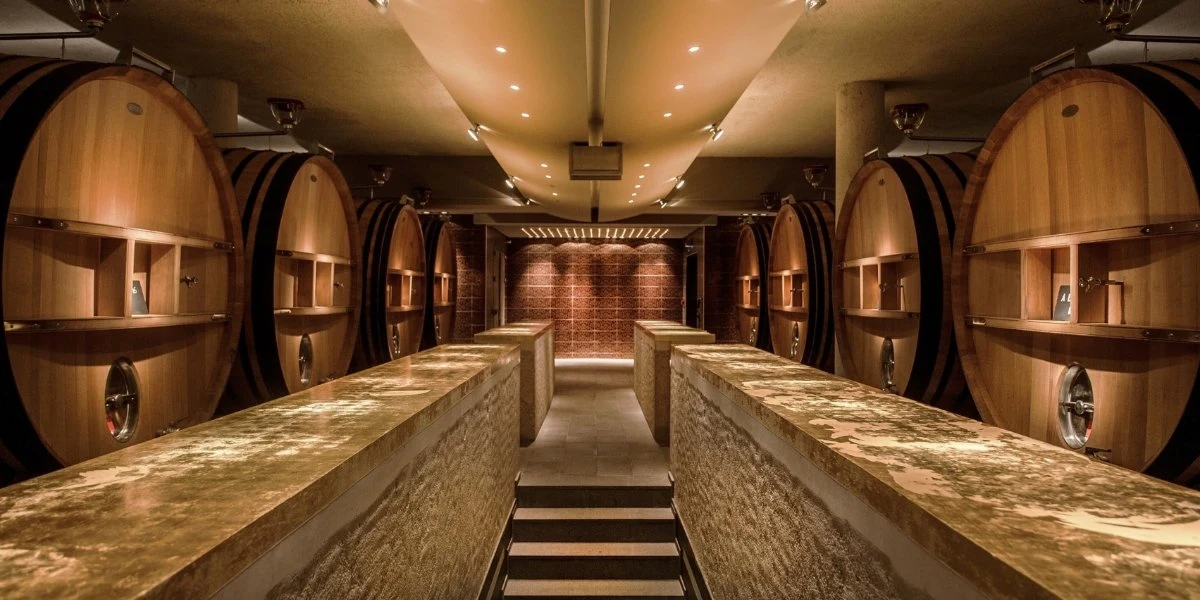
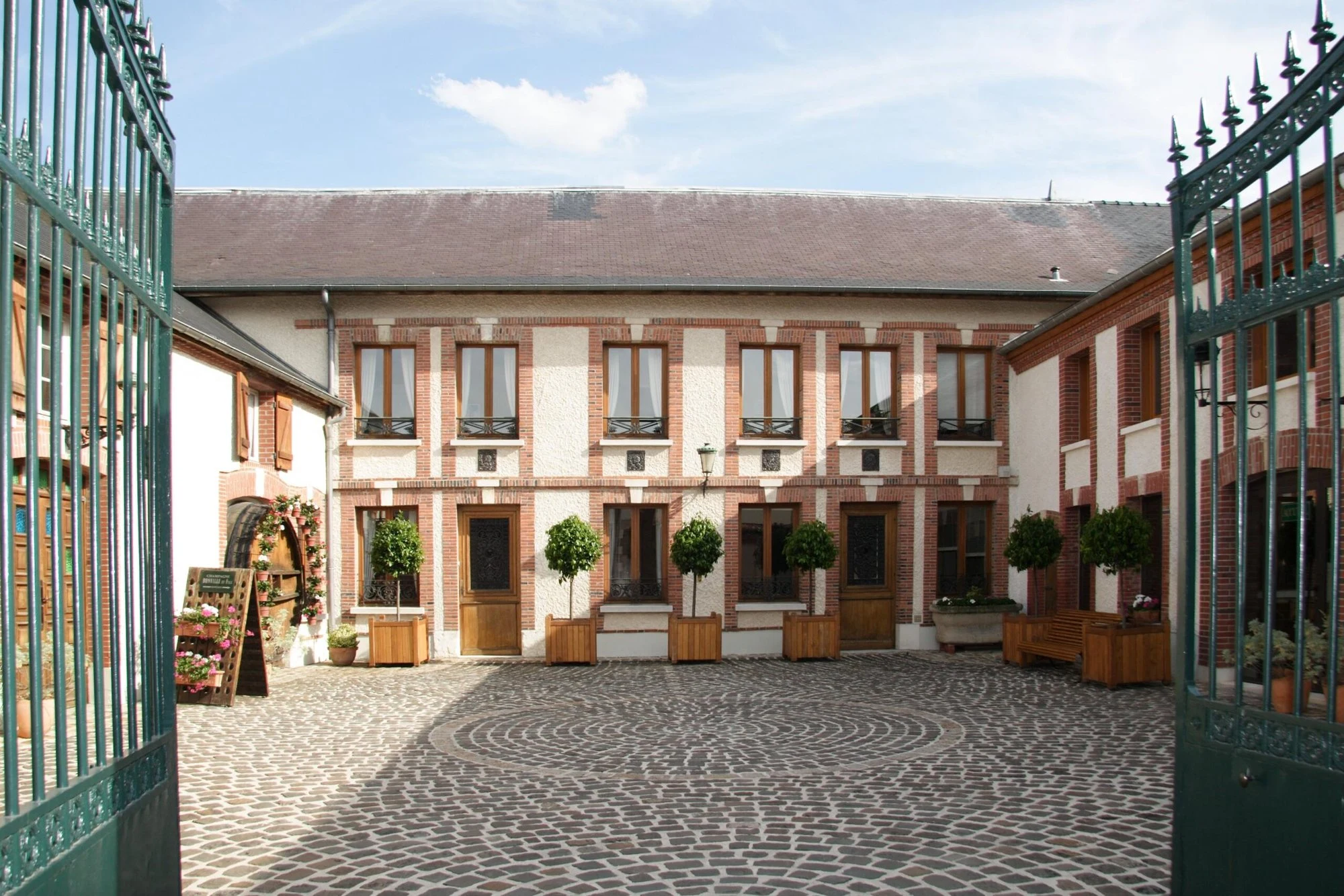
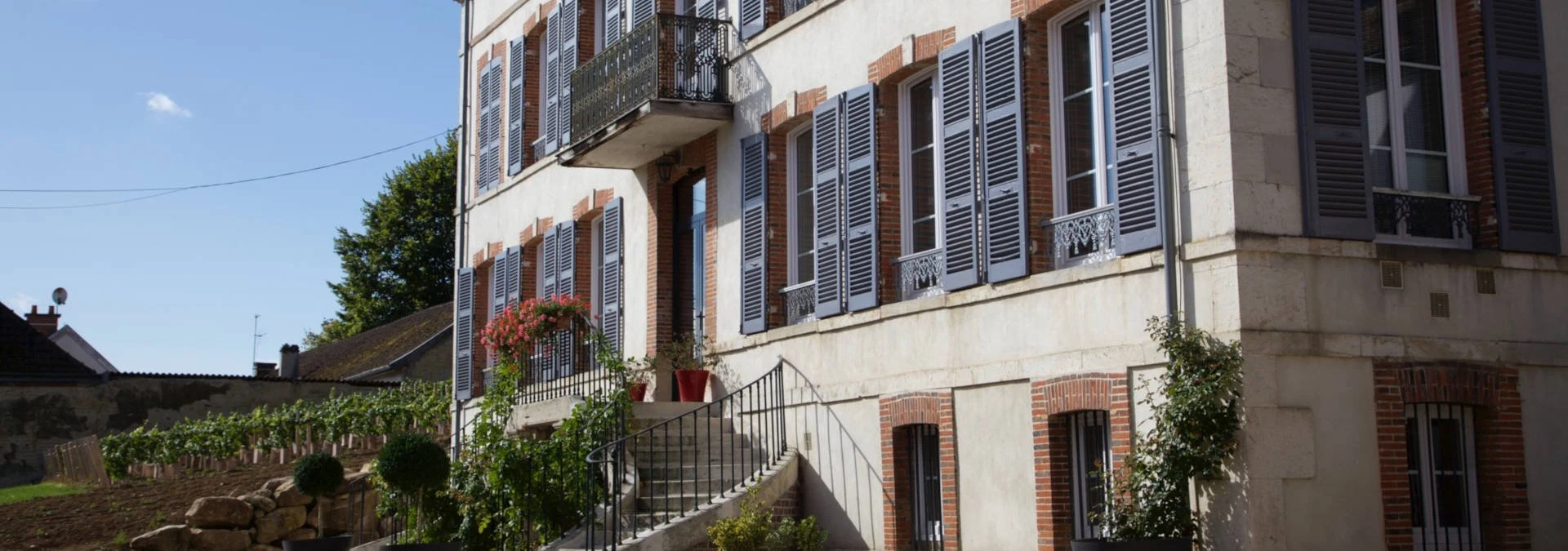
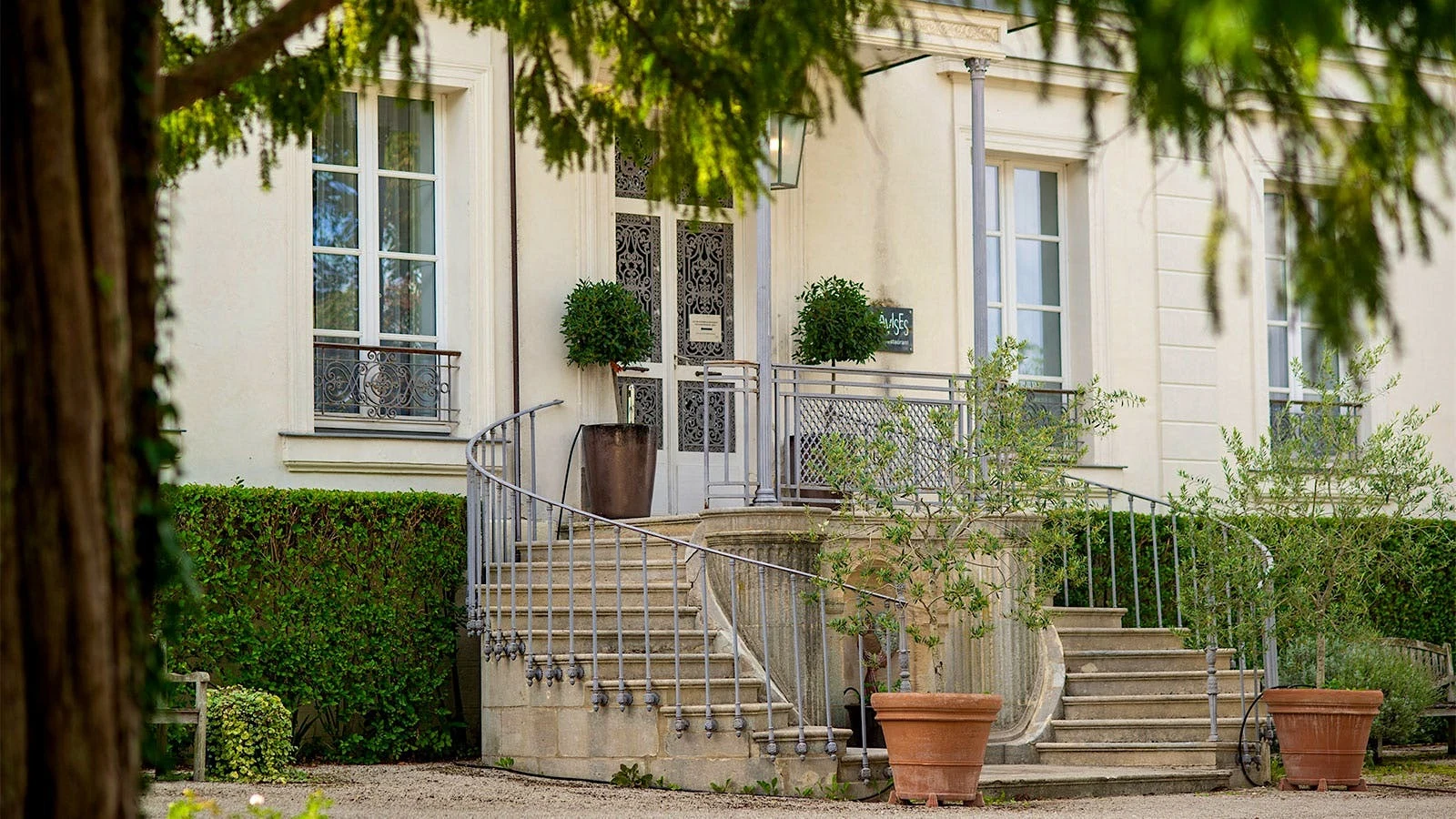
The domaine sits in Avize with the restraint of a working family house. The atmosphere follows the wines: quiet, mineral, and pared back, with the cellar and tasting room held close to the vineyard rather than staged apart from it. A private tasting here belongs to the cave, the glass, and the line of chalky clay-limestone ground that gives the wines their edge. The room does not need volume. The pressure comes from detail: the bead in a glass of Minéral, the shape of Avizoise, the way Vénus keeps vineyard work present after the cork is drawn. Agrapart & Fils matters most when the tasting returns the drinker to those 60 plots in Avize.
Questions
Frequently asked
Who leads Agrapart & Fils today?
Pascal Agrapart has led the family business since 1990.
What is the winery known for?
Agrapart & Fils is best known for Grand Cru Avize Chardonnay and for single-vineyard Champagnes drawn from old vines.
What kind of tasting visit does it offer?
The domaine holds private tastings in the cave and tasting room, and visits are by appointment only.
How is the vineyard worked?
The vineyards are worked with organic and sustainable practices, and horse-plowed rows are part of the method. The estate also uses native yeasts and extended lees aging in neutral oak in the cellar.
The field
How it compares
| Place | Notes |
|---|---|
| Agrapart & Fils | Avize, $$$ |
| Champagne De Saint Gall | Avize |
| Champagne Etienne Calsac | Avize |
| Champagne Franck Bonville | Avize |
| Champagne Sanger | Avize |
| Champagne Waris Hubert | Avize |
| Jacques Selosse | Avize |