Agrarian Kitchen

In Residence
Rodney Dunn
Chef
- 01CuisineModern Farm-to-Table Degustation
- 02CityHobart, Australia
- Tatler Listed in Best Restaurants Asia-Pacific · 2025
- Gourmet Traveller State Winner Tasmania · 2025
- The Best Chef One Knife · 2025
A Former Asylum, a Working Kitchen Garden, and the Logic of Place
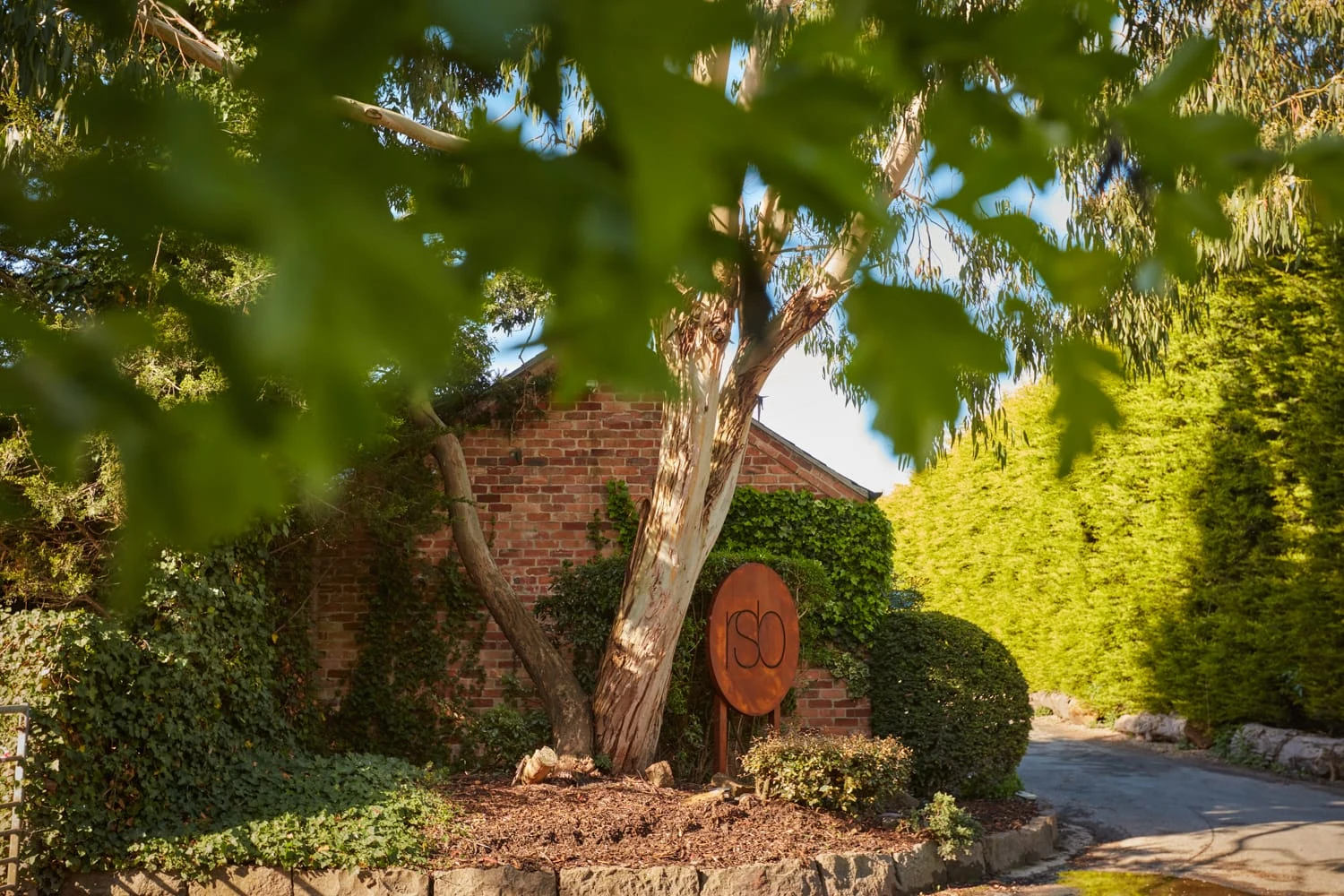
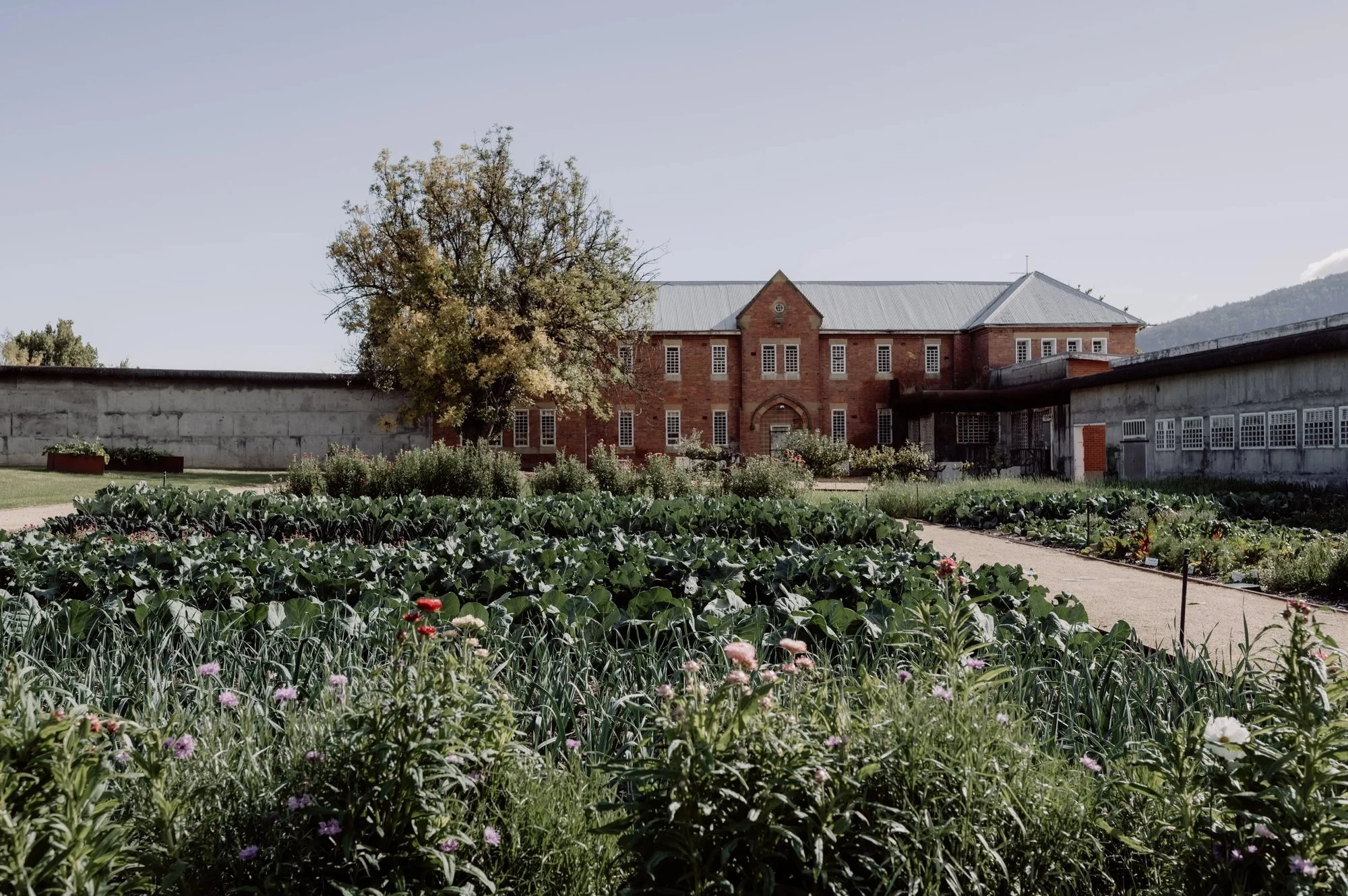
Agrarian Kitchen is a restaurant in New Norfolk, Tasmania, serving modern farm-to-table degustation cooking from Rodney Dunn at about US$165 per person. There is a particular kind of restaurant that earns its distance. Agrarian Kitchen, at 11a The Avenue in New Norfolk, Tasmania, sits 35 kilometres northwest of Hobart in a building that spent most of its history as part of a psychiatric hospital. The stone ward walls, high ceilings, and institutional bones have not been softened into a heritage theme park. They remain present, and the cooking happens in conversation with them. Wood grilling and open fire are not styling choices here; they are the dominant technique inside a space that predates gas lines by a century.
The approach connects to a broader pattern in serious Australian regional dining. Where earlier decades produced destination restaurants that looked outward, drawing on European frameworks and imported produce, a more recent cohort has turned decisively toward place. Brae in Birregurra built a farm to supply its kitchen. Firedoor in Surry Hills eliminated gas from its cooking entirely. Agrarian Kitchen's version of that logic is rooted in New Norfolk's agricultural context: the Derwent Valley, surrounding the town, is among Tasmania's oldest farming regions, and the restaurant draws on that supply with a directness that shapes every plate.
Rodney Dunn and the Shift from Food Media to the Dirt
The chef's path to New Norfolk is relevant because it explains the kitchen's intellectual framework rather than serving as biographical colour. Rodney Dunn spent years in Sydney food media, including a stretch as food director at Gourmet Traveller, before relocating to Tasmania to establish an agrarian school focused on fermentation, preserving, and traditional food craft. That background produces a kitchen sensibility that is less about fine dining refinement and more about technique as preservation of knowledge. Fermenting, pickling, and curing are not accent notes on the menu; they are foundational methods.
That trajectory places Agrarian Kitchen in a small comparable set of Australian restaurants where the chef's credentials are rooted in craft practice rather than classical brigade training. Compare it with the lineage-driven seriousness of Rockpool in Sydney or the Cantonese tradition at the centre of Flower Drum in Melbourne, and Agrarian Kitchen occupies a different register entirely. The reference points are soil, season, and process rather than culinary school or chef hierarchy. Among Australian modern restaurants, that is a relatively narrow niche, and it is the niche in which Dunn operates with the most authority.
The Menu as Seasonal Argument
The cooking at Agrarian Kitchen is produce-forward in the operational sense: the menu follows what the kitchen garden and Derwent Valley suppliers have available, which means it shifts with the growing calendar rather than holding to a fixed card. Wood grilling is the primary heat source, and the kitchen's fermentation program provides depth across preparations, with pickled and preserved elements appearing as structural components rather than garnish.
Tasmanian produce occupies a specific position in Australian food culture. The state's cooler climate and smaller agricultural scale produce ingredients, particularly dairy, stone fruit, brassicas, and lamb, that command attention from mainland chefs. Agrarian Kitchen's position in the valley puts it closer to that supply chain than most. This is not an urban restaurant sourcing from Tasmania at distance; it is a regional kitchen drawing on the immediate landscape, and that proximity is legible on the plate.
For readers comparing Australian destination restaurants that emphasise produce integrity, Botanic in Adelaide and Amaru in Armadale occupy similar philosophical ground, though with different regional vocabularies. The fire-led technique at Agrarian Kitchen sits closest to what Firedoor does in Sydney, though the rural setting and fermentation emphasis give it a distinct character.
The Setting as Part of the Proposition
Restaurants that occupy significant heritage buildings carry a specific editorial risk: the architecture overshadows the food, and the experience becomes a heritage tour with a menu attached. Agrarian Kitchen avoids this because the building's history is not foregrounded as spectacle. The converted asylum space provides atmosphere through material honesty: stone, timber, and the residual weight of an institution that housed generations of Tasmanians. That backdrop gives the warmth of wood fire and fermented produce a particular kind of resonance.
New Norfolk itself is part of the calculation. The town sits along the Derwent River, an hour's drive from Hobart Airport, and visitors who make the journey do so deliberately. There is no casual footfall from a passing crowd. The audience for Agrarian Kitchen is, by geography alone, self-selected. That affects the atmosphere: the room runs quiet, attentive, and unhurried in a way that urban sittings rarely achieve regardless of format discipline.
The asylum-to-restaurant conversion is noted across the Australian food press not as novelty but as a case study in how historical fabric can house contemporary cooking without contradiction.
Planning a Visit
New Norfolk is accessible from Hobart by car in approximately 35 minutes via the Lyell Highway, making it a practical half-day or full-day excursion from the city. Visitors staying in Hobart can combine the drive with exploration of the Derwent Valley, which offers additional food and drink producers worth noting.
Regional destination restaurants with this level of recognition and limited covers operate on compressed availability, particularly during Tasmania's warmer months from October through April, when visitor numbers in the south of the state peak. The restaurant's website is the booking channel;
Readers building a broader picture of serious Australian regional cooking may also find value in Hobart restaurants guide, which maps the city's dining character from waterfront seafood to producer-driven tasting menus. For drinking context alongside the meal, Tasmania's wine output, particularly cool-climate Pinot Noir and Chardonnay from the Coal River and Huon Valley, pairs logically with Agrarian Kitchen's produce register; Hobart wineries guide covers that territory. Additional food and drink context for the city is available through Hobart bars guide.
Those travelling through mainland Australia's serious restaurant circuit for comparison will find useful reference in Cutler & Co. in Fitzroy, Bacchus in Brisbane, Dan Arnold in Fortitude Valley, Carlton Wine Rooms in Carlton, and 400 Gradi in Brunswick East. For international reference points in serious tasting-menu formats, Le Bernardin in New York City and Atomix in New York City represent the upper bracket of their respective categories.
Questions
Frequently asked
Who works at Agrarian Kitchen?
Made By profiles Rodney Dunn (Chef) at Agrarian Kitchen.
How expensive is Agrarian Kitchen?
Agrarian Kitchen is listed at a price level of $$$.
Where is Agrarian Kitchen and what does it serve?
Agrarian Kitchen is in New Norfolk, Hobart, serving Modern Farm-to-Table Degustation.
The field
How it compares
| Place | Cuisine | Notes | Awards |
|---|---|---|---|
| Agrarian Kitchen | Modern Farm-to-Table Degustation | New Norfolk, $$$ | · |
| Alchemist | Avant-Garde Molecular Gastronomy with Social Commentary | Copenhagen | Michelin 2 Stars, World's 50 Best |
| Burnt Ends | Modern Australian Barbecue | Singapore | Michelin 1 Star, World's 50 Best |
| Den | Modern Japanese Kaiseki | Tokyo | Michelin 2 Stars, World's 50 Best |
| Emeril’s | Modern Creole-Cajun Fine Dining | New Orleans | Michelin 2 Stars, World's 50 Best |
| Frantzén | Modern Nordic Fusion with Japanese Influences | Stockholm | Michelin 3 Stars, World's 50 Best |
| Restaurant Sat Bains | Modern British Fine Dining | Nottingham | Michelin 2 Stars |
In residence
Similar places
Avant-Garde Molecular Gastronomy with Social Commentary
Alchemist
Copenhagen, Denmark
★★ · 50 Best
Modern Australian Barbecue
Burnt Ends
Singapore, Singapore
★ · 50 Best
Modern Japanese Kaiseki
Den
Tokyo, Japan
★★ · 50 Best
Modern Creole-Cajun Fine Dining
Emeril’s
New Orleans, United States
★★ · 50 Best
Modern Nordic Fusion with Japanese Influences
Frantzén
Stockholm, Sweden
★★★ · 50 Best
Modern British Fine Dining
Restaurant Sat Bains
Nottingham, United Kingdom
★★