Made ByWinery
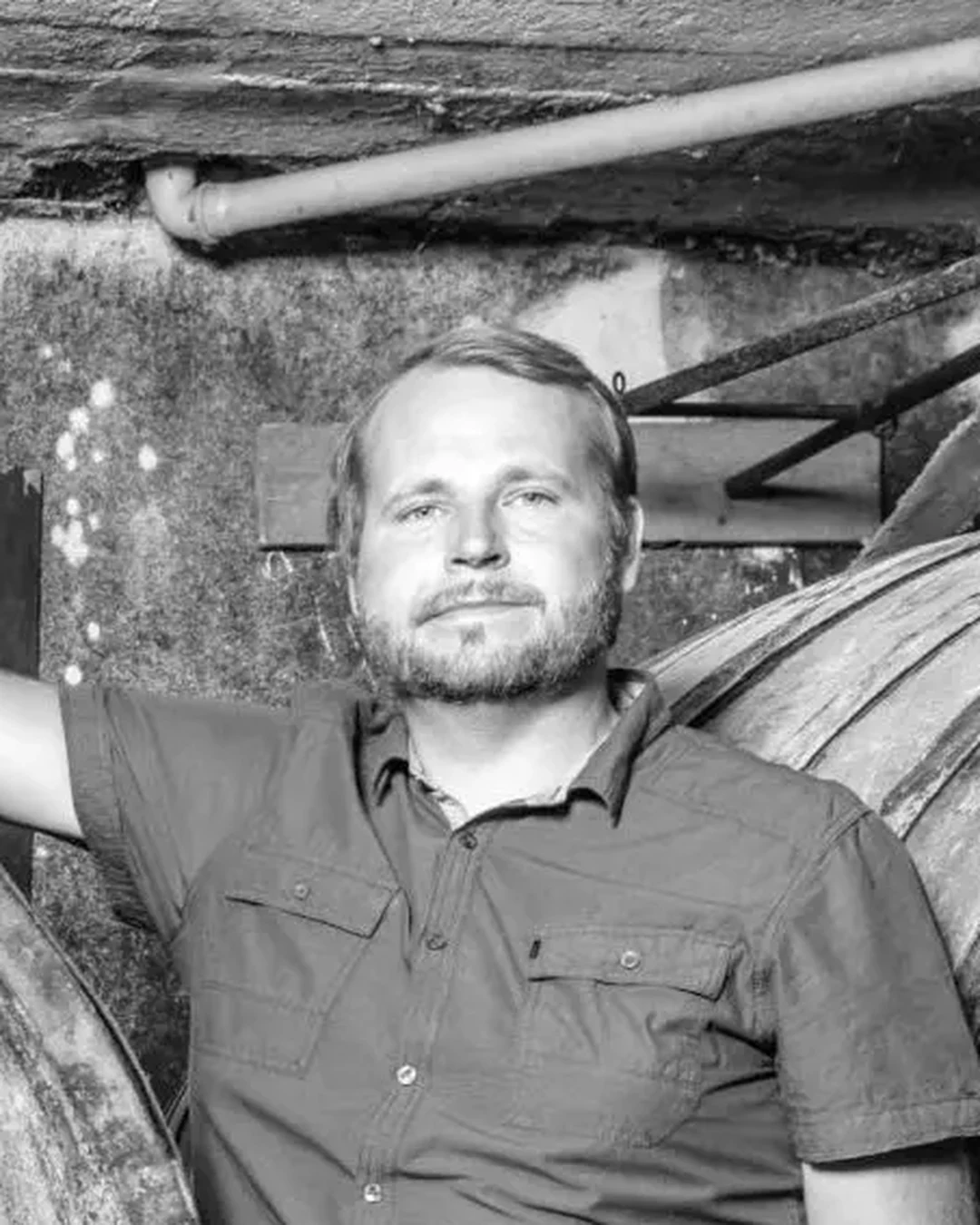
Alexander Koppitsch, winemaker at Alexander Koppitsch in Neusiedl am See, bottles natural wines shaped by soil and lake.
At a glance
- Price
- $$
- Neighborhood
- Neusiedl am See
Fruit sorted by soil before variety
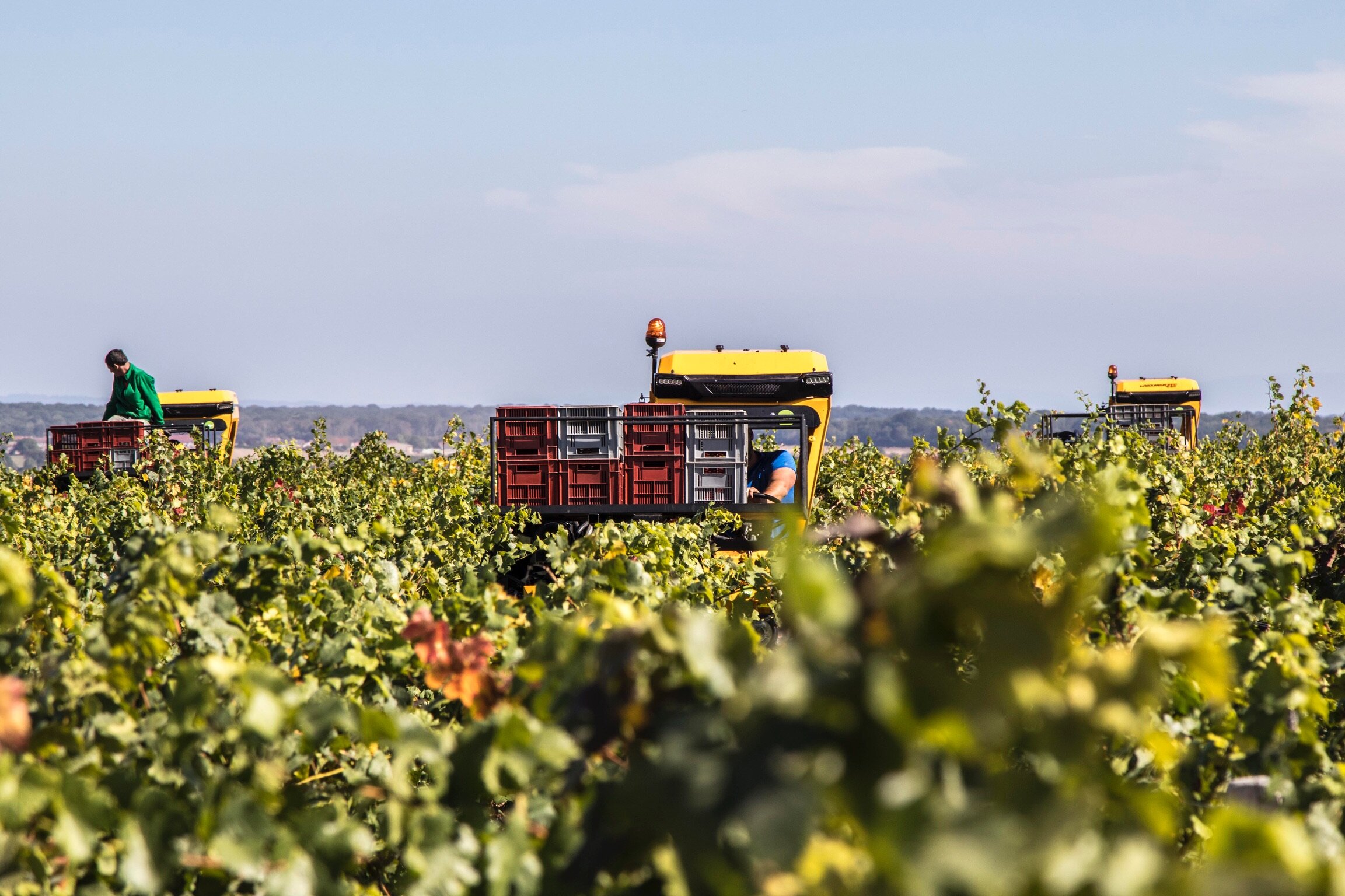
The fruit moves first by soil, not by grape. Alexander Koppitsch, winemaker at Alexander Koppitsch in Neusiedl am See, has held that discipline since 2011, when the family began bottling under its own name rather than sending grapes elsewhere. The estate sits in Burgenland, by Lake Neusiedl and the eastern end of the Leitha Mountains, with the vineyard and cellar tied to the same address and the same local weather.
Koppitsch works from a family line of viticulture that reaches back centuries in Neusiedl am See, including a Koppitsch ancestor recorded in 1523 as both mayor and winemaker. The modern turn is narrower and more exact: a small family estate, about 5.5 to 6.3 hectares across several sites, farmed for low-intervention natural wine. The house’s bottles, among them Perspektive Weiss, Weinland Rét, Zweigelt Reserve, St. Laurent unfiltriert, and Abendrot, read like a cellar inventory of decisions rather than a display case. White, red, reserve, unfiltered, evening-toned. Each one keeps the producer close to the place.
Sand, clay and limestone in the cellar
The method begins outside the cellar, in parcels of sand, clay, loam, gravel and limestone near the lake. Blaufränkisch, Zweigelt and St. Laurent carry the red side of the work; Grüner Veltliner and Welschriesling carry the white. Koppitsch does not make the usual argument for varietal purity. Since the 2017 vintage, a line of wines has focused on soil type, bringing grapes together because they share ground rather than because they share a name.
The farming follows biodynamic principles and the cellar keeps to the same restraint. Fermentations rely on the yeasts present on the fruit and in the environment, without commercial yeast used to steer the process. The house’s zero-zero standard means zero additives and zero chemicals, with wines released unfiltered and unfined in parts of the range, and with low or no added sulfites depending on the bottling. The distinction between the Authentisch and Unfiltered lines gives the program its practical shape: one line receives light filtering and a small sulfur addition, while the other takes longer in fermentation and leaves more of the cellar’s texture intact.
A quiet estate beside Lake Neusiedl
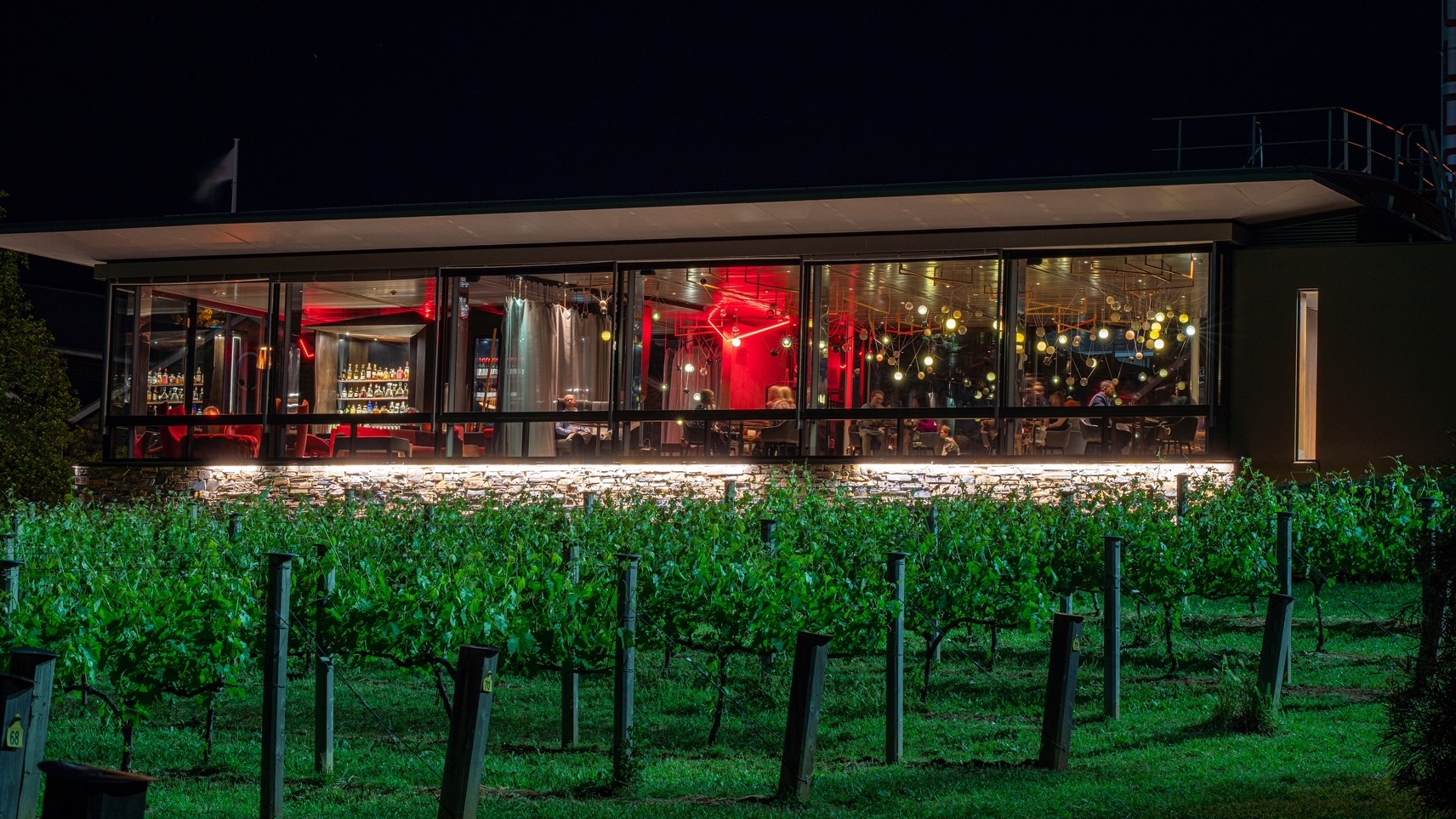
The room around the work has the scale of a family estate rather than a production hall. Lake Neusiedl sits close enough to matter, moderating the growing season and giving the vineyards their humid edge. The land moves gently, with vines set into the soft slopes of Neusiedl am See and the reedy calm of Burgenland just beyond them.
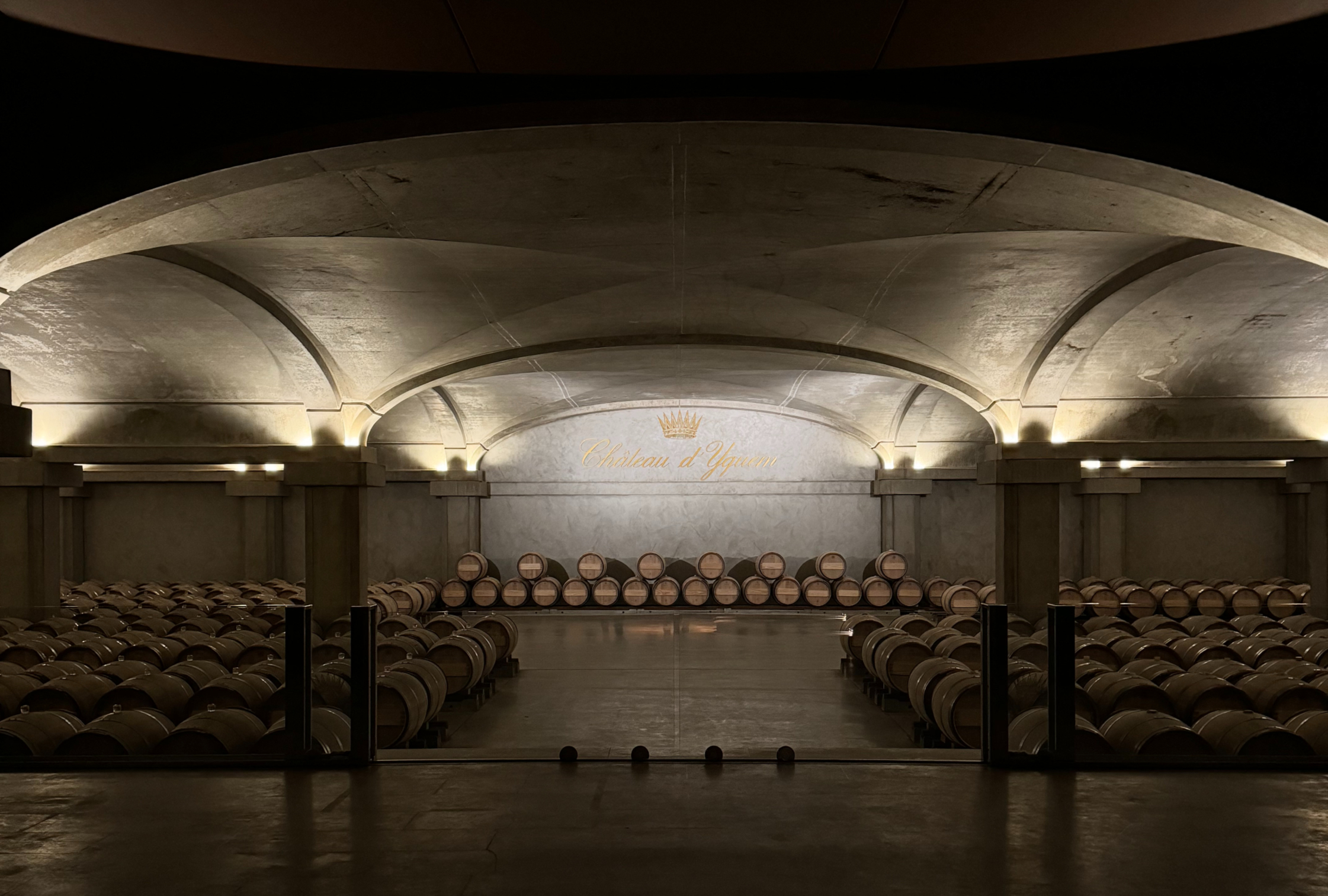
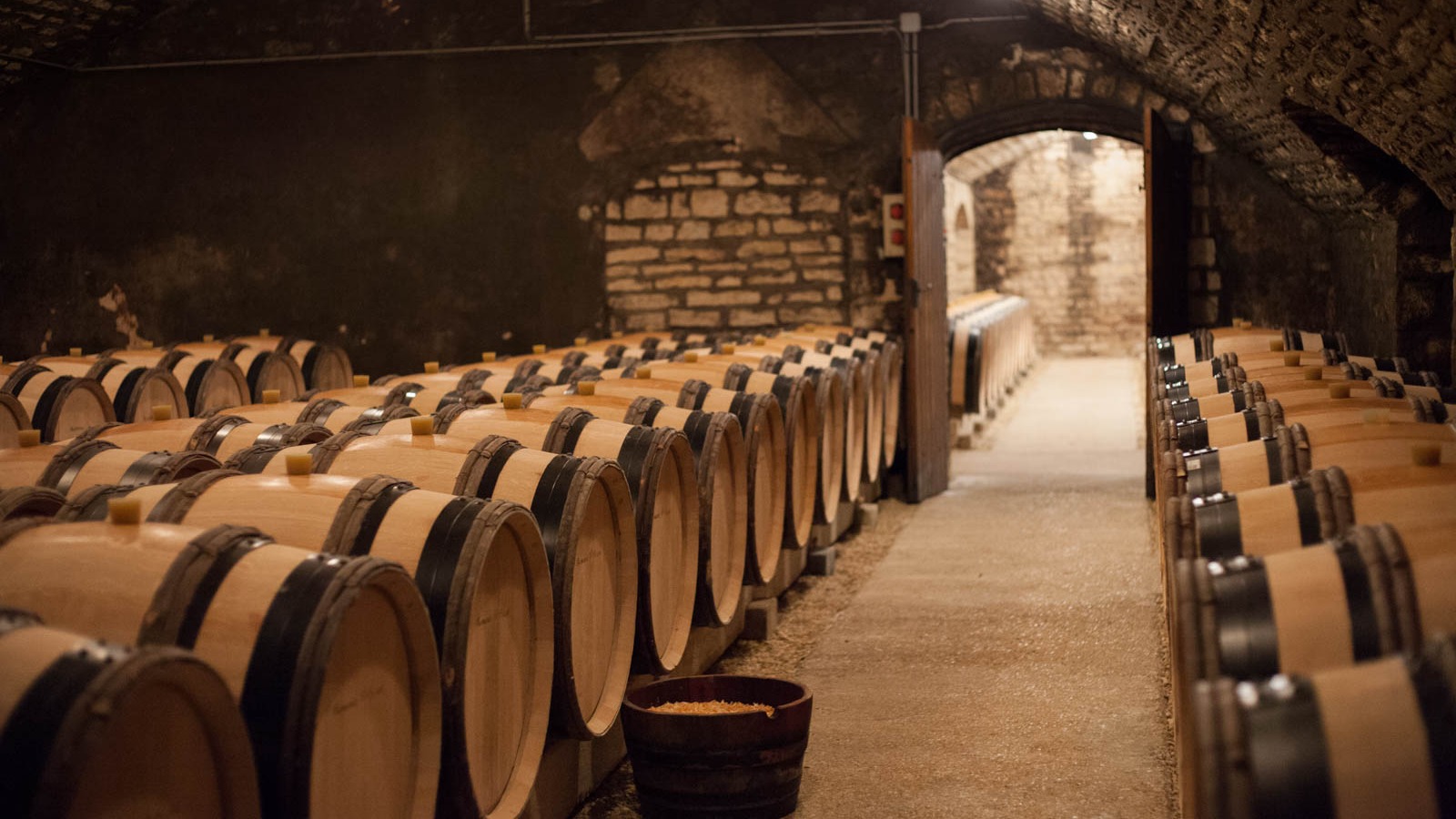
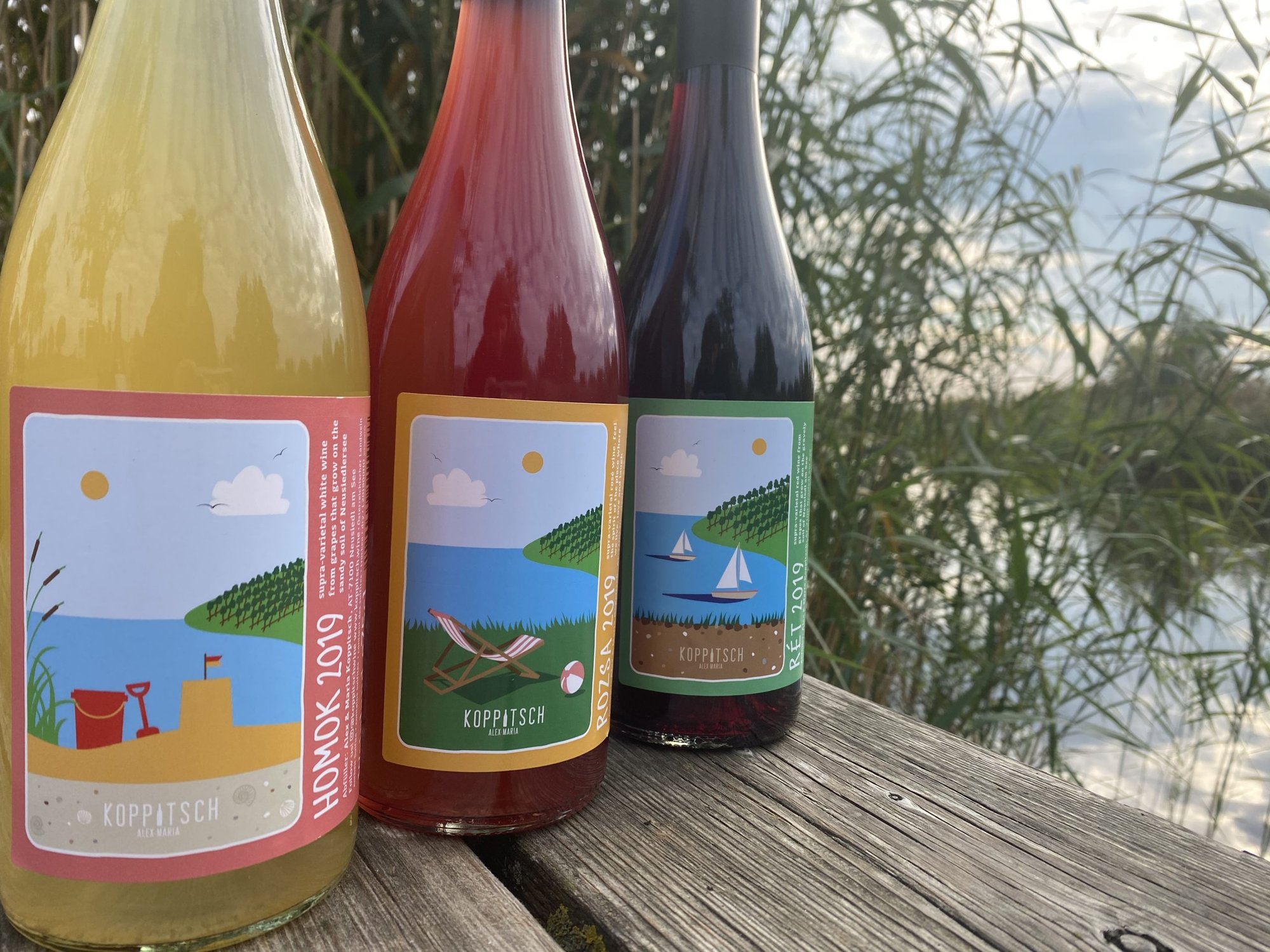
Inside, the place keeps the mood of the bottles: unforced, lake-minded, a little bohemian without making a performance of it. The labels borrow that holiday ease, but the cellar is governed by repetition. Sorting, fermenting, waiting, tasting. Nothing in the setting asks for polish before the wine has earned it. The concrete fact remains the estate’s scale, those 5.5 to 6.3 hectares worked across sand, clay and limestone.
The family name on the bottle
The change that matters here is simple enough to state. In 2011, Koppitsch moved the family from selling fruit into making wine under its own name, keeping the farm’s history attached to finished bottles. The next release may shift with vintage and parcel, but the grammar stays local: Homok for sand, Rét for meadow, and the family name held on Abendrot.
Know before you go
- Reservations
- appointment_only
- Outdoor seating
- Yes
- Groups
- Welcomed
- Children
- Welcomed
Address
Neusiedl am See, Lake Neusiedl, Burgenland, Österreich
Neusiedl am See