Made ByRestaurant
Alhucemas
- 01CitySanlúcar la Mayor, Spain
- Opinionated About Dining Casual in Europe Recommended · 2026
- Opinionated About Dining Casual in Europe Ranked #370 · 2025
- Opinionated About Dining Casual in Europe Ranked #348 · 2024
- Opinionated About Dining Casual in Europe Highly Recommended · 2023
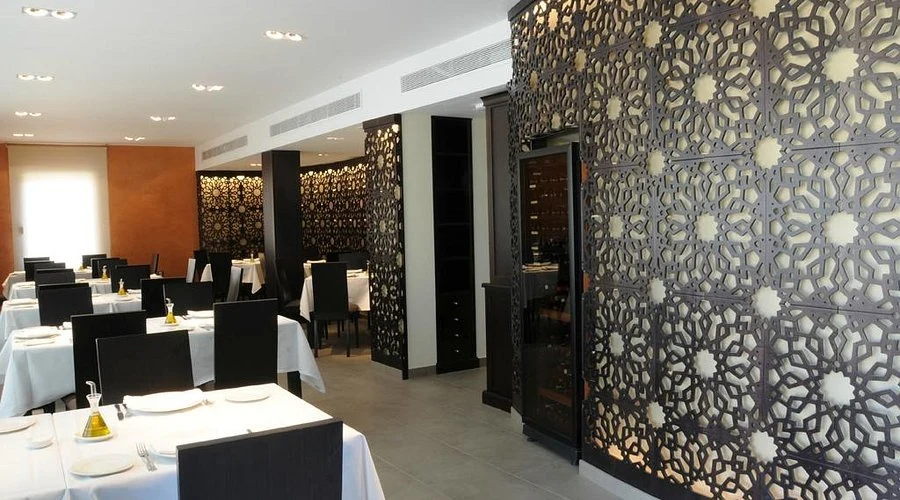
Alhucemas is a restaurant in Sanlúcar la Mayor, Sevilla, Spain, led by chef Miguel Palomo García. This intimate restaurant transforms the finest Atlantic catch into extraordinary dining experiences that rival any coastal establishment in the region. Miguel Palomo García has shaped Alhucemas with a focus on Andalusian hospitality. Their vision marries the rich cultural heritage of Moorish Spain with contemporary coastal cuisine, creating a restaurant that feels both timeless and immediate. The restaurant has received three awards. Their philosophy centers on showcasing the pristine ingredients of the Atlantic coast through techniques that honor both Spanish and North African culinary traditions. The cuisine at Alhucemas highlights local fish and shellfish. The menu showcases this exceptional seafood through multiple preparations: pristine raw presentations that highlight natural flavors, expertly grilled selections that capture the essence of the sea, and traditional fried preparations executed with masterful technique. Signature rice and noodle dishes transform these premium ingredients into substantial, soul-satisfying creations. The kitchen's Moroccan-style couscous pays homage to the restaurant's Moorish aesthetic while demonstrating the chef's versatility. Each dish reflects the restaurant's commitment to ingredient-driven cuisine that respects both Spanish coastal traditions and North African influences. The dining room features Moorish-inspired interiors. Intricate tilework, warm lighting, and carefully curated décor elements create an atmosphere of refined intimacy. The service philosophy emphasizes genuine Andalusian warmth, with Teresa and Miguel personally ensuring each guest feels welcomed into their culinary vision. The wine list pairs with the seafood-focused menu. The restaurant's intimate scale allows for personalized attention that larger establishments cannot match. Alhucemas represents a rare opportunity to experience authentic Andalusian coastal cuisine in an setting of uncommon beauty. Reservations are essential for this sought-after destination, particularly during peak season when discerning travelers discover this exceptional restaurant. It is a short drive from Seville.
The field
How it compares
| Place | Awards | Cuisine | Notes |
|---|---|---|---|
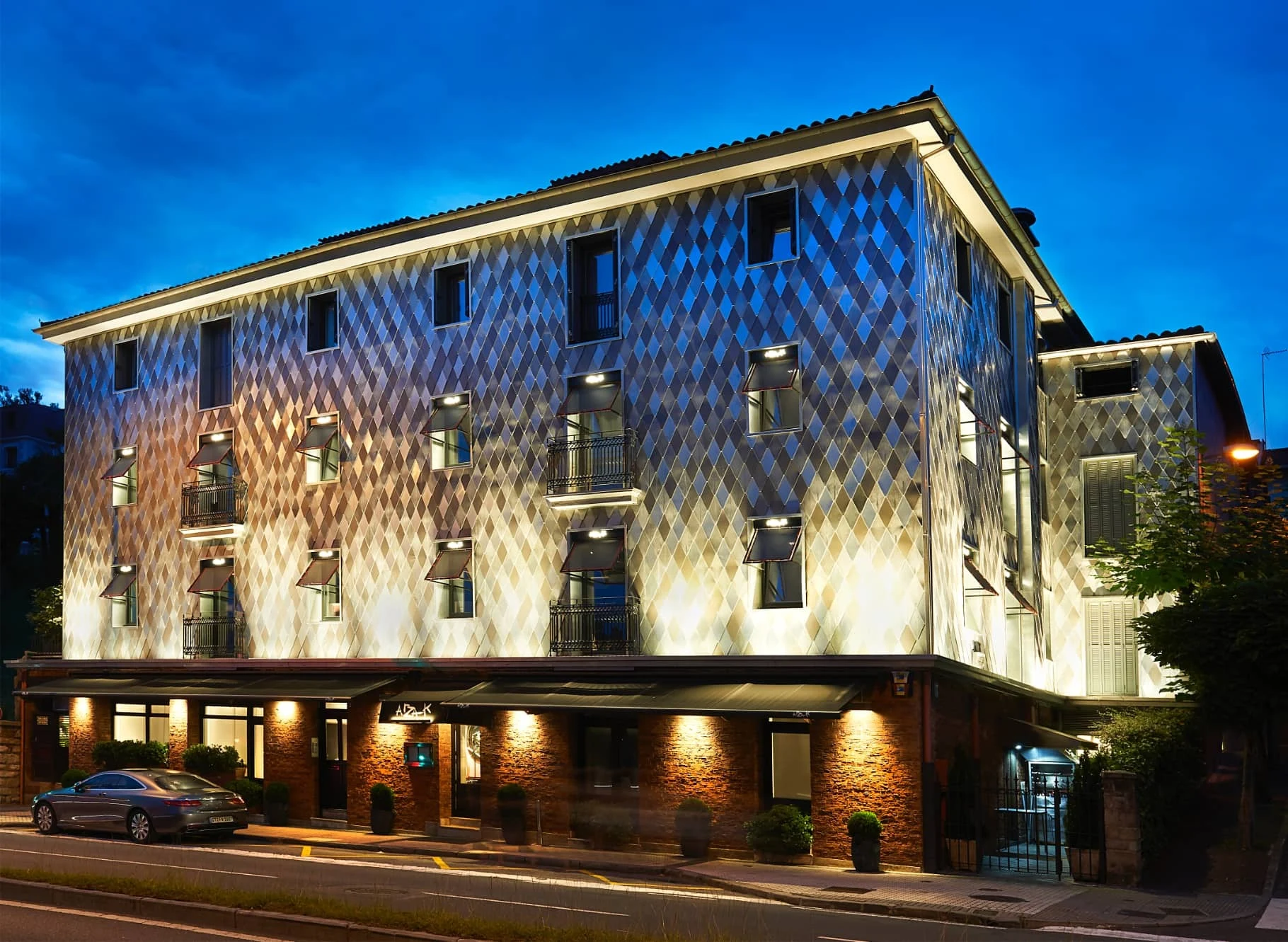
| Arzak | Michelin 3 Stars, World's 50 Best | Contemporary Basque Fine Dining | San Sebastián |
| Elkano | Michelin 1 Star, World's 50 Best | Basque Grilled Fish | Getaria |
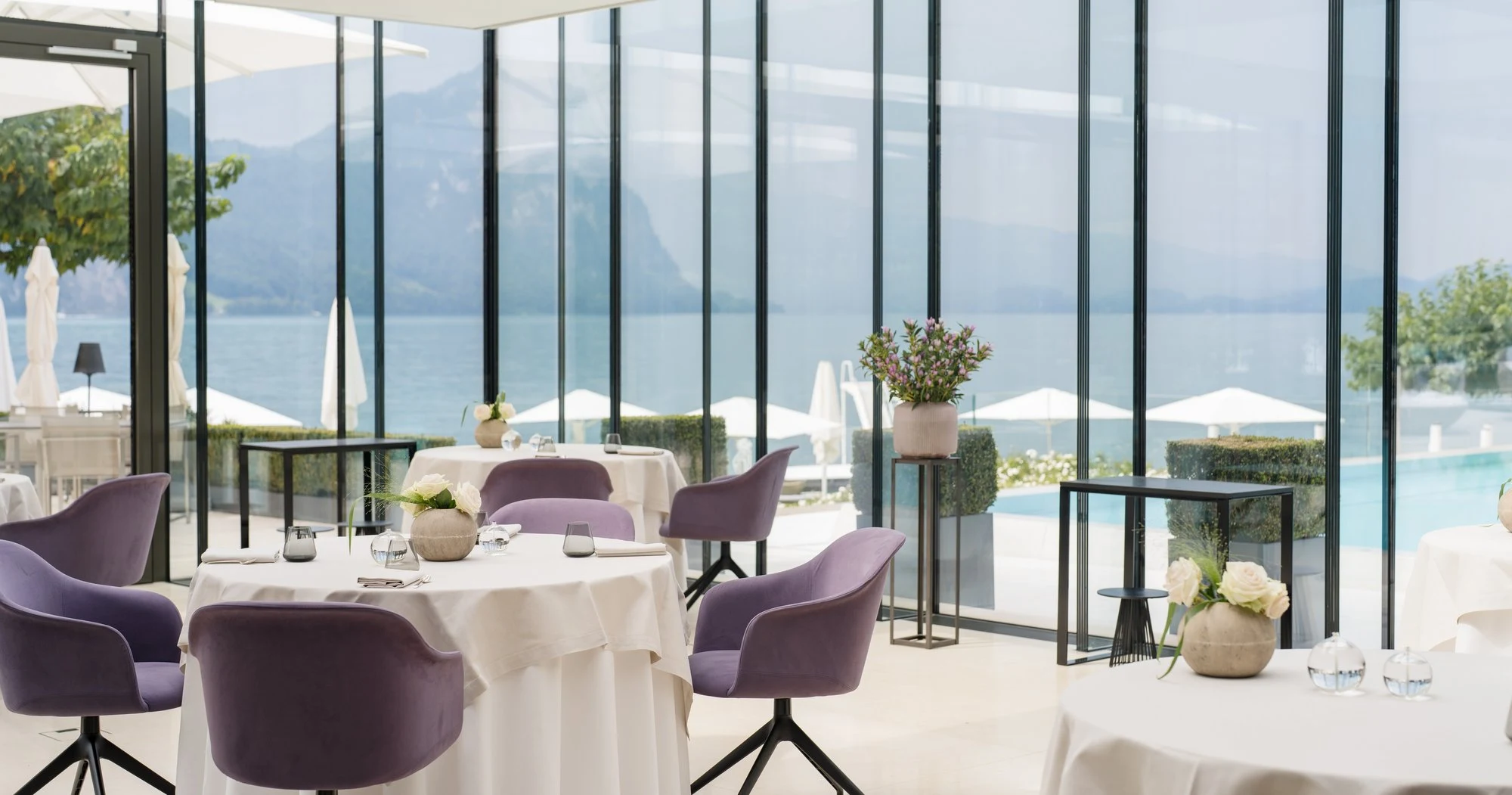
| focus ATELIER | Michelin 2 Stars | Modern French Fine Dining | Vitznau |
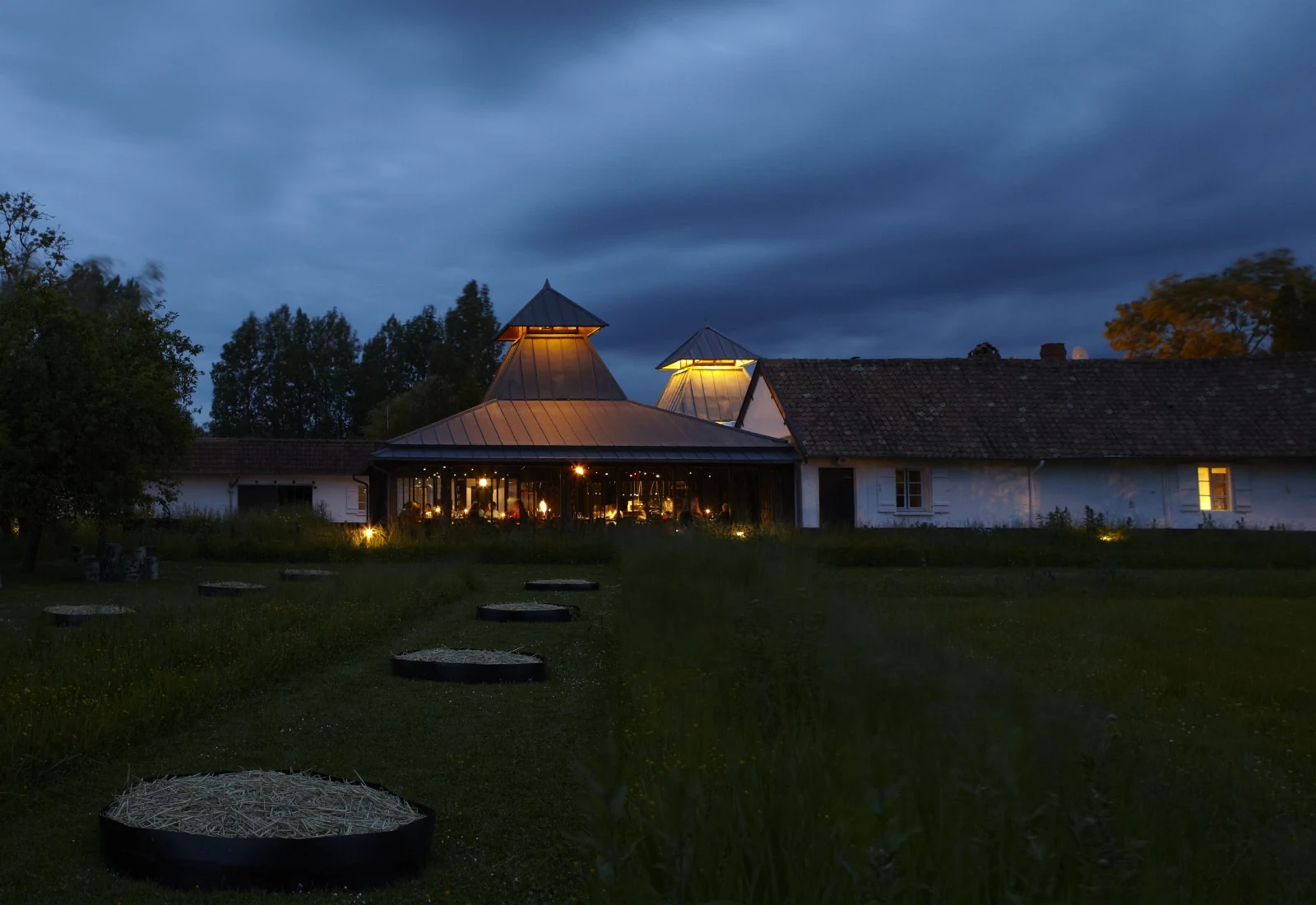
| La Grenouillère | Michelin 2 Stars, World's 50 Best | Contemporary French Terroir | La Madelaine-sous-Montreuil |
| Sorn | Michelin 3 Stars, World's 50 Best | Fine Southern Thai | Bangkok |
| The Glenturret Lalique Restaurant | Michelin 2 Stars | Modern Scottish Fine Dining | Crieff |
Similar places
Contemporary Basque Fine Dining
Arzak
San Sebastián, Spain
★★★ · 50 Best
Basque Grilled Fish
Elkano
Getaria, Spain
★ · 50 Best
Modern French Fine Dining
focus ATELIER
Vitznau, Switzerland
★★
Contemporary French Terroir
La Grenouillère
La Madelaine-sous-Montreuil, France
★★ · 50 Best
Fine Southern Thai
Sorn
Bangkok, Thailand
★★★ · 50 Best
Modern Scottish Fine Dining
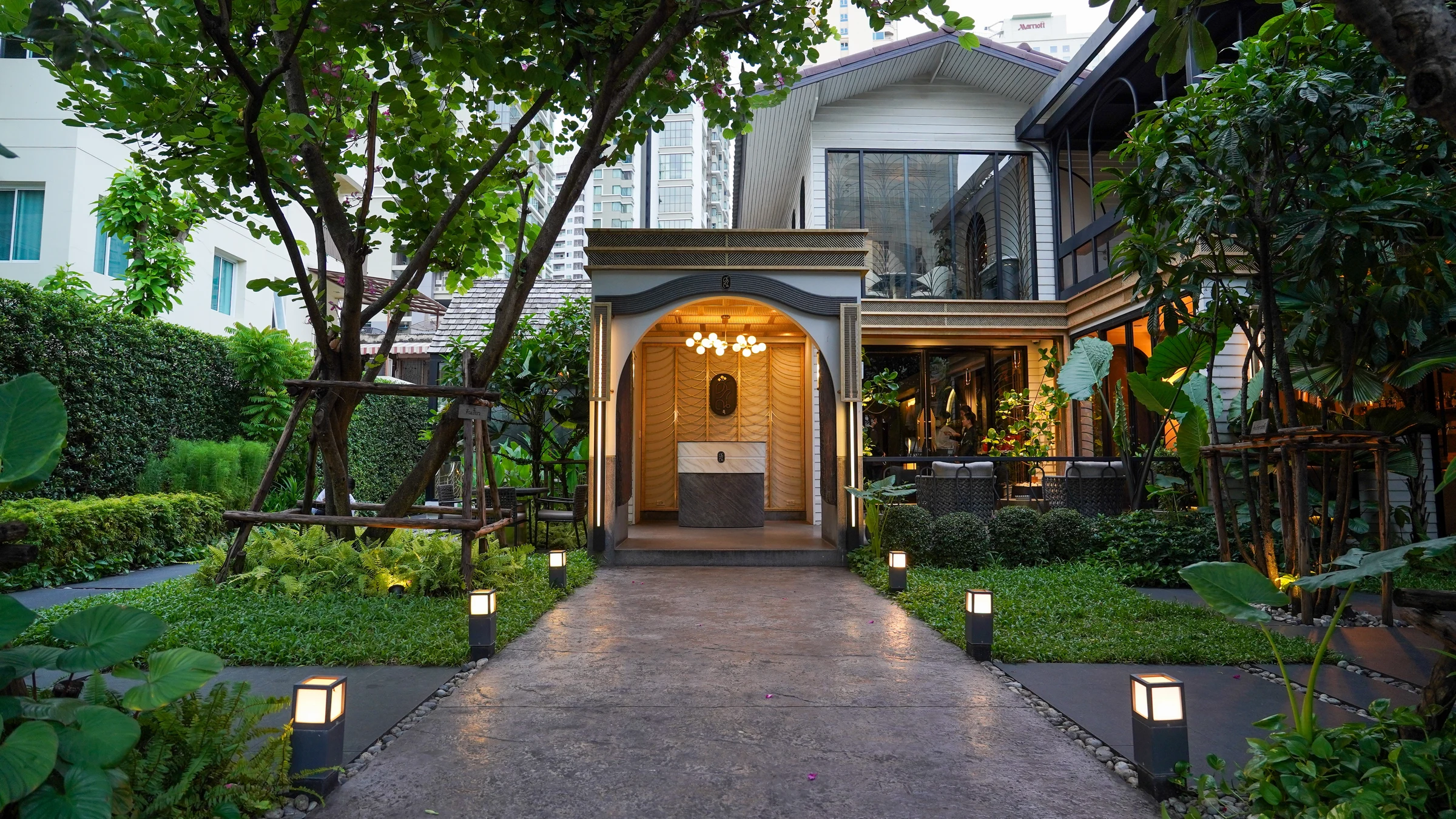
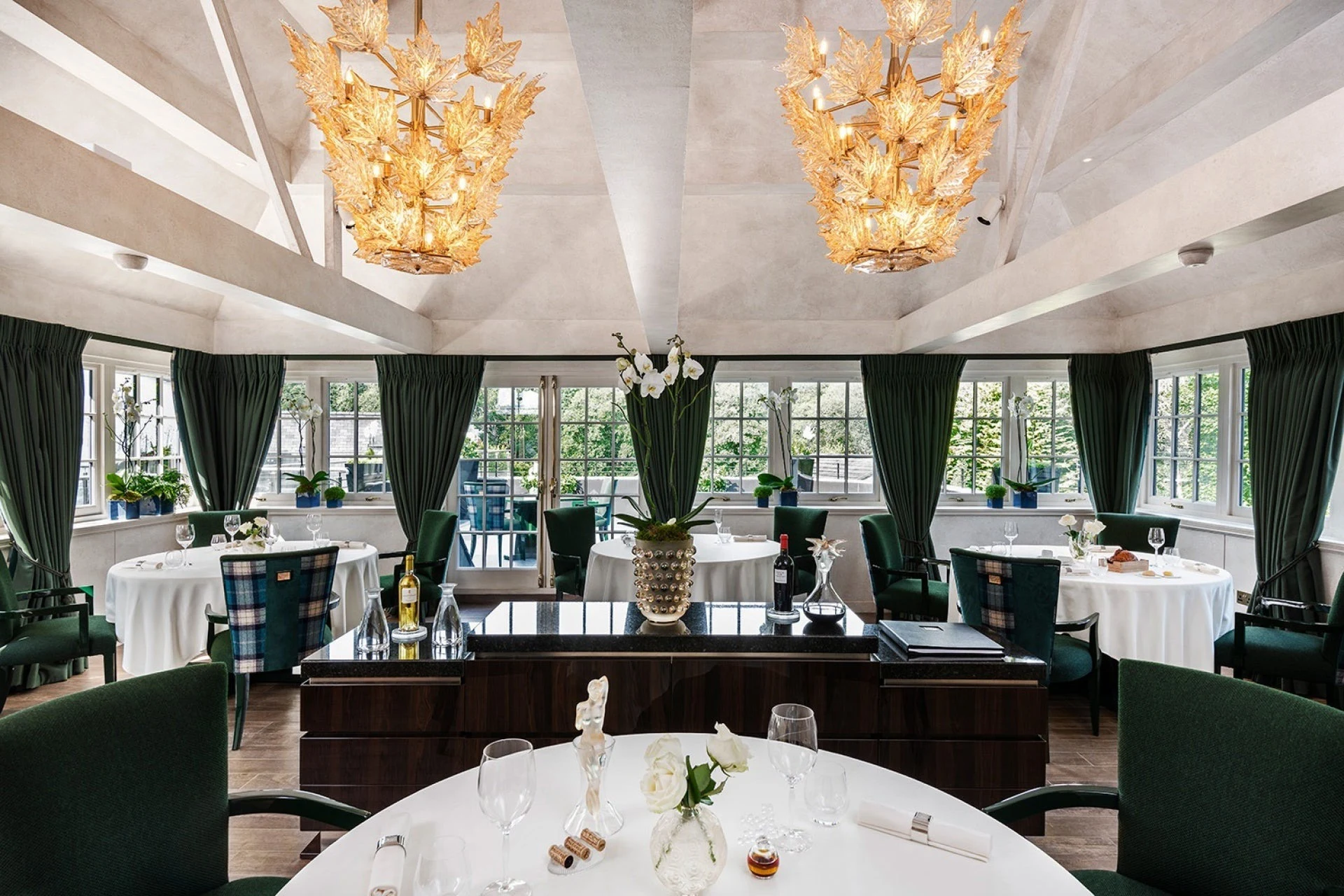
The Glenturret Lalique Restaurant
Crieff, United Kingdom
★★