Alle Logge di Piazza
- 01CuisineTraditional Tuscan Trattoria
- 02CitySiena, Italy
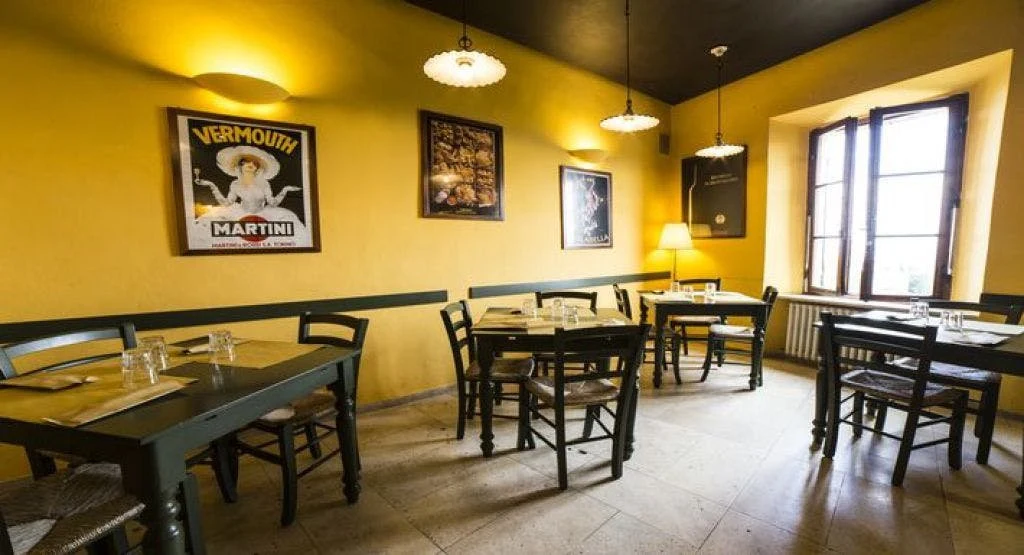
Pici beside a Brunello cellar
- Pearl Recommended Restaurant · 2025
Pasta pulled for the piazza
Pici carries the weight here, thick strands set for wild boar ragù at Alle Logge di Piazza in Siena. The address given for the place is Siena, though the house most clearly described by the restaurant’s own public presence sits on Piazza del Popolo in Montalcino, under the Renaissance loggia. That distinction matters because the craft of the room belongs to Montalcino’s wine country: Brunello at the table, Tuscan pasta at the pass, and an enoteca with a kitchen rather than a restaurant using wine as ornament.
The named menu does not read as a chef’s autobiography. It reads as a station built around Tuscan grammar: pici, lasagna al ragù, porcini ravioli, roasted squab, and tartare di vitellone maremmano. Each of those plates answers to the same short list of decisions: the pasta rolled thick enough to hold a ragu, the game cooked long enough to give way, the raw beef dressed lightly enough to stay legible.
An enoteca kitchen with two hundred labels
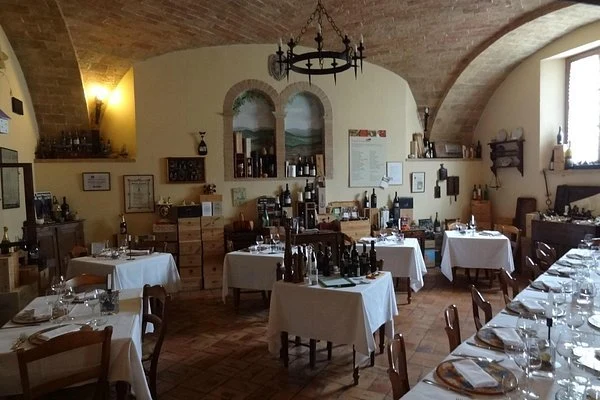
The program starts from wine. Alle Logge di Piazza works as an enoteca con cucina, with more than 200 labels and a clear pull toward local Brunello di Montalcino, alongside Italian and French bottles. The food stays close to that purpose. Pici with wild boar ragù gives the glass something to hold; lasagna al ragù brings the slow-cooked register of the region; porcini ravioli keeps the pasta bench close to the season. The kitchen also prepares Maremmano veal tartare battuta al momento, cut to order in view, a small act of trust between the pass and the room.
The menu is concise rather than expansive, and that restraint is part of the method. Salumi, cheeses, and meats come from local producers; the pasta work leans on hand and repetition; the cooking favors structure over display. There are bruschette with porcini or chicken liver fegatini on toasted bread, rabbit and Florentine steak in the wider Tuscan register, and vegetable-led dishes for guests who are not there for meat. The wine does not sit beside the food as a separate program. It sets the pace.
Under the fifteenth-century loggia
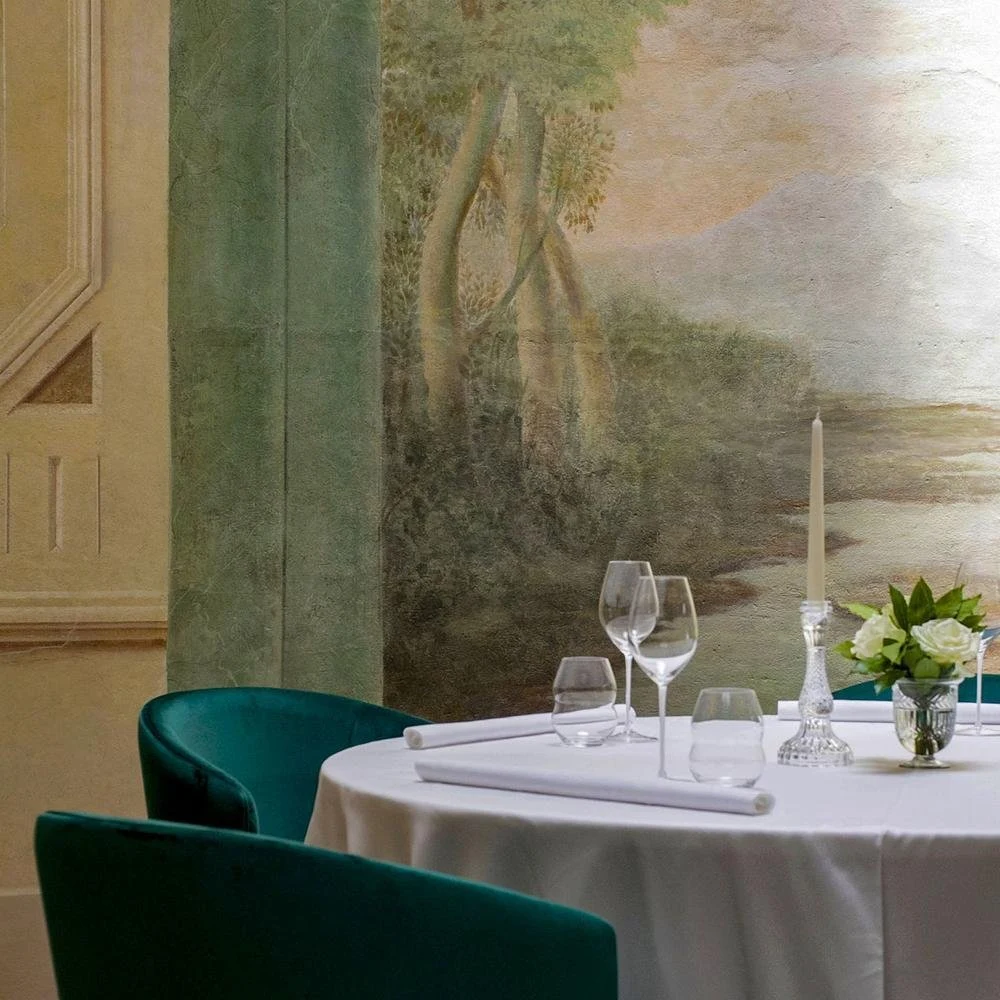
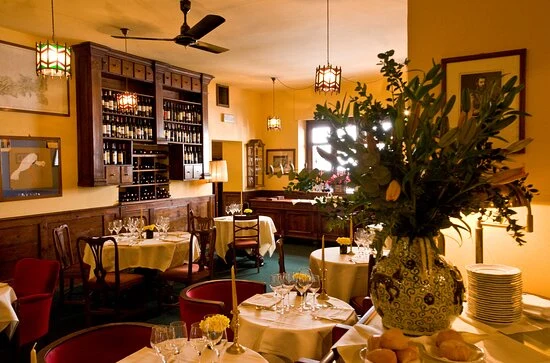
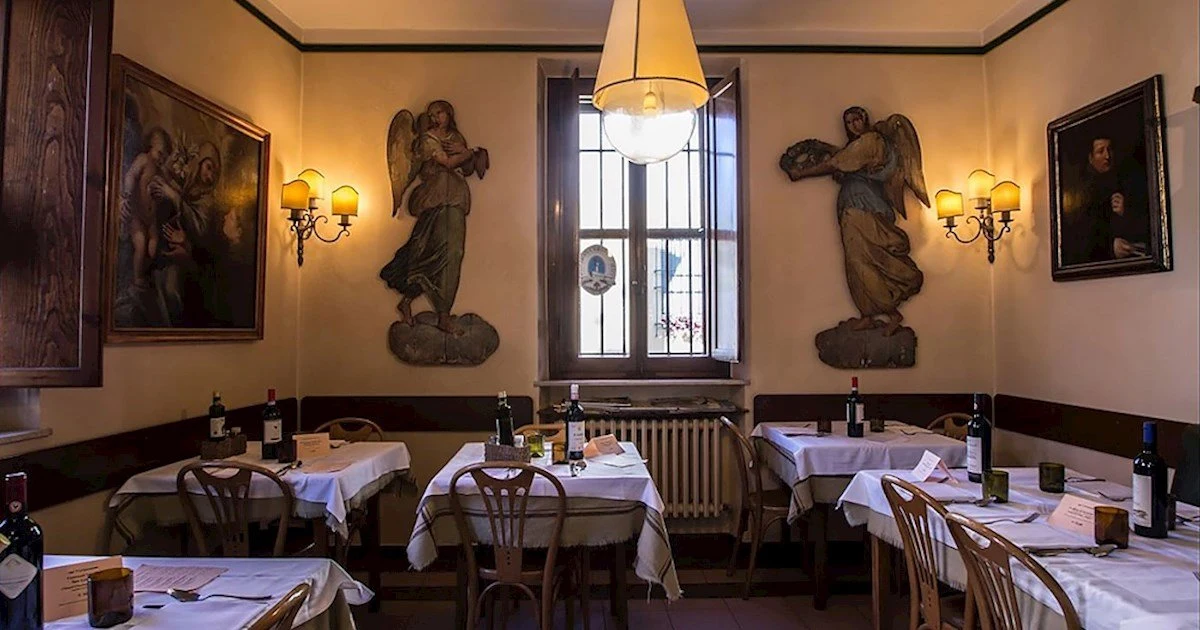
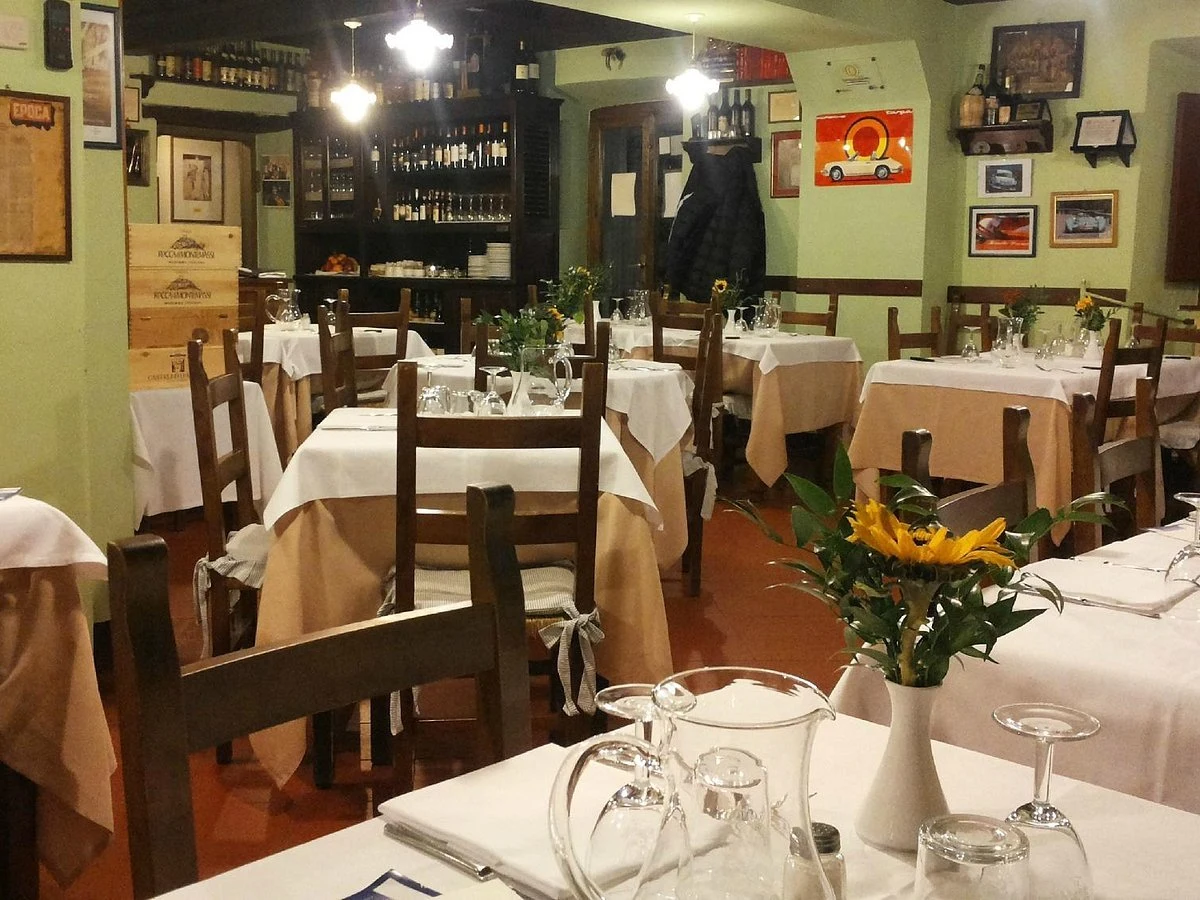
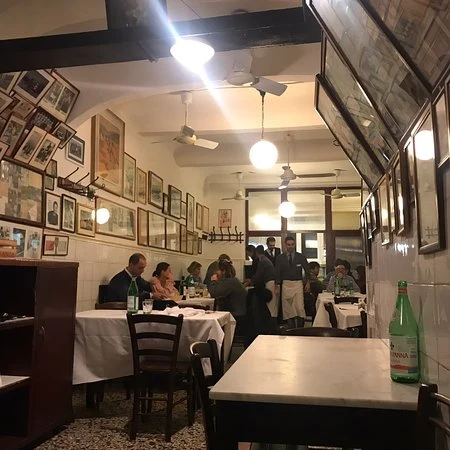
The room keeps the old shop’s bones in view: high ceilings, terracotta floors, exposed beams, antique furnishings, and tall glass-fronted cabinets filled with bottles, books, and the useful clutter of an enoteca that has lived with its cellar. In the evening, candlelight softens the wood and stone without turning the place theatrical. The counter and the open kitchen keep the work near the room, so the tartare, the pasta, and the service of wine feel like parts of the same station.
Outside, tables sit beneath the fifteenth-century loggia on Montalcino’s medieval square. The setting gives the restaurant its tempo. Guests come for Brunello, for pasta, for the sheltered view across Piazza del Popolo, but the more durable memory is smaller: a plate of pinci, a glass from the Montalcino side of the cellar, and the Renaissance loggia overhead.
Questions
Frequently asked
What kind of place is Alle Logge di Piazza?
Alle Logge di Piazza works as an enoteca with a kitchen, rather than a restaurant using wine as ornament. It serves a traditional Tuscan trattoria menu in Montalcino, under the Renaissance loggia on Piazza del Popolo.
What is the kitchen known for?
The menu is built around Tuscan pasta and local produce, with pici with wild boar ragù, lasagna al ragù, porcini ravioli, roasted squab, and tartare di vitellone maremmano among the named dishes. The kitchen also prepares Maremmano veal tartare battuta al momento.
What should diners expect from the wine list?
Wine sets the pace here. The program starts from more than 200 labels, with a clear pull toward local Brunello di Montalcino, alongside Italian and French bottles.
What is the setting like?
The room keeps its old bones in view, with high ceilings, terracotta floors, exposed beams, antique furnishings, and tall glass-fronted cabinets filled with bottles and books. In the evening, candlelight softens the wood and stone, and outside tables sit beneath the fifteenth-century loggia.
Is booking recommended at Alle Logge di Piazza?
Reservations are recommended. The dress code is smart casual, and street parking is available.
The field
How it compares
| Place | Cuisine | Notes |
|---|---|---|
| Alle Logge di Piazza | Traditional Tuscan Trattoria | Piazza del Popolo, $$$ |
| Antica Fattoria del Grottaione | Traditional Tuscan Trattoria | Castel del Piano |
| Antica Locanda di Sesto | Traditional Tuscan Trattoria | Ponte a Moriano |
| Cibrèo Trattoria | Traditional Tuscan Trattoria | Florence |
| Da Burde | Traditional Tuscan Trattoria | Florence |
| Trattoria da Fagiolino | Traditional Tuscan Trattoria | Cutigliano |
| Trattoria Sostanza | Traditional Tuscan Trattoria | Florence |
Similar places
Traditional Tuscan Trattoria
Antica Fattoria del Grottaione
Castel del Piano, Italy
Traditional Tuscan Trattoria
Antica Locanda di Sesto
Ponte a Moriano, Italy
Traditional Tuscan Trattoria
Cibrèo Trattoria
Florence, Italy
Traditional Tuscan Trattoria
Da Burde
Florence, Italy
Traditional Tuscan Trattoria
Trattoria da Fagiolino
Cutigliano, Italy
Traditional Tuscan Trattoria
Trattoria Sostanza
Florence, Italy