Altemasi
- 01CityTrento, Italy
- Falstaff Winery - Listed · 2026
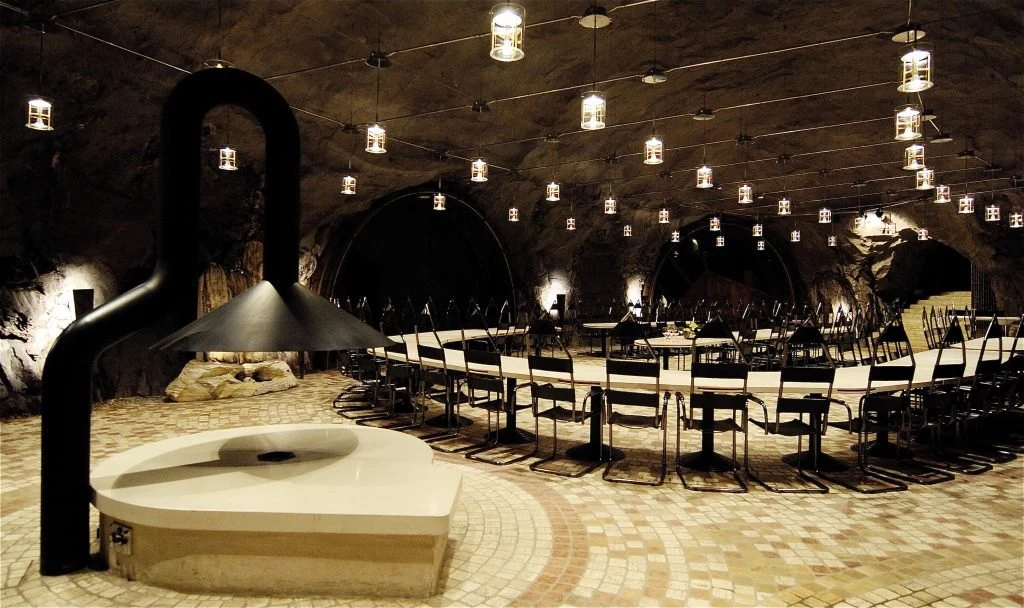
The first impression is cellar logic rather than countryside theatre: a dedicated sparkling-wine facility arranged across four levels, with a high-tech, highly functional layout focused on Metodo Classico production and long lees ageing. That physical order matters in Trento, where Altemasi presents a modern, precise, cellar-driven atmosphere rather than a rustic estate feel. The point is not simply that the site is contemporary; it is that the contemporary structure appears to express the work being done inside it, with space, movement and time organized around sparkling-wine production.
Specific claims about vineyard sources, grape varieties, individual bottlings, certifications or awards should be treated cautiously unless confirmed directly by the producer or current official materials. In practice, that means reading Altemasi first through the reliable facts available here: a Trento sparkling-wine producer, a purpose-built cellar environment, and an identity tied to Metodo Classico precision rather than to unverified marketing detail.
Metodo Classico production and cellar precision
Altemasi belongs in a Trento sparkling-wine conversation centered on Metodo Classico technique and cellar precision. The emphasis is not on a restaurant format, a chef-led experience or a rustic hospitality narrative, but on a dedicated production environment designed for sparkling wine. That distinction is important for setting expectations: the appeal lies less in leisurely estate romance and more in understanding how a cellar can be organized around disciplined sparkling-wine work.
The four-level cellar layout gives a clear view of priorities. It supports the practical work of Metodo Classico production and long lees ageing, and it also shapes the atmosphere of the place: modern, technical and purpose-built. For visitors interested in how sparkling wine is made, that production-first identity is the most reliable hook. The building reads as a working structure, not as a backdrop, and the sense of vertical order reinforces the idea of a cellar planned around process, control and patience.
The more grounded reading is simpler: Altemasi is a Trento producer whose identity is tied to sparkling-wine cellar work, precision and time on lees. Rather than stretching the story with unsupported claims, it is more useful to focus on that core. In a region where Metodo Classico can be discussed through vineyards, brands, hospitality and technical decisions, Altemasi’s most dependable angle here is the cellar itself and the production discipline it suggests.
Why Altemasi feels modern rather than estate-romantic
Italy’s wine tourism often rewards old cellars, family portraits and vineyard-side hospitality. Altemasi works differently. Its character is modern and highly functional, with the four-level cellar acting less like scenery and more like the operating system of the house. That does not make it less atmospheric; it simply shifts the atmosphere from pastoral charm to precision, from inherited romance to contemporary production architecture.
That makes Altemasi useful for travellers who read wineries through process. The interest is in the cellar-driven approach: a controlled environment built for Metodo Classico production and long maturation rather than a romantic estate tableau. Visitors drawn to the mechanics of sparkling wine may find that this kind of setting clarifies the priorities of the producer. The story is not padded by restaurant language or vague lifestyle cues; it remains close to the practical demands of making sparkling wine with extended time in cellar.
No confirmed awards, ratings, certification claims or detailed service promises are included in the record provided here. For planning purposes, it is better to treat Altemasi as a premium sparkling-wine cellar in Trento and confirm visit details directly before going. That cautious approach is part of reading the venue accurately: the available information supports a strong production-centered identity, but it does not justify adding specifics about access, tasting formats or accolades without current confirmation.
Reading Altemasi within a Trento wine itinerary
For a Trento-focused wine itinerary, Altemasi is strongest as a lens on Metodo Classico production and long lees ageing. It is best understood as a modern, cellar-driven stop rather than as a dining room or casual drop-in venue. Placed well, it can give structure to a sparkling-wine day by foregrounding the cellar side of the region’s identity: time, technique, controlled maturation and the practical architecture required to support those things.
The wider city context matters too. Trento rewards travellers who connect wine with meals, hotels and cultural pacing rather than treating producer visits as isolated appointments. Use current local information to build that rhythm, and verify appointment requirements and public access directly with Altemasi before planning around them. The sensible itinerary reading is therefore measured: treat the producer as a focused Metodo Classico reference point, build the rest of the day around confirmed logistics, and let the experience sit within Trento’s broader balance of wine, food and urban tempo.
Questions
Frequently asked
How expensive is Altemasi?
Altemasi is listed at a price level of $$$.
The field
How it compares
| Place | Notes | Awards |
|---|---|---|
| Altemasi | Ravina, $$$ | · |
| Cantina Laimburg | Trento | · |
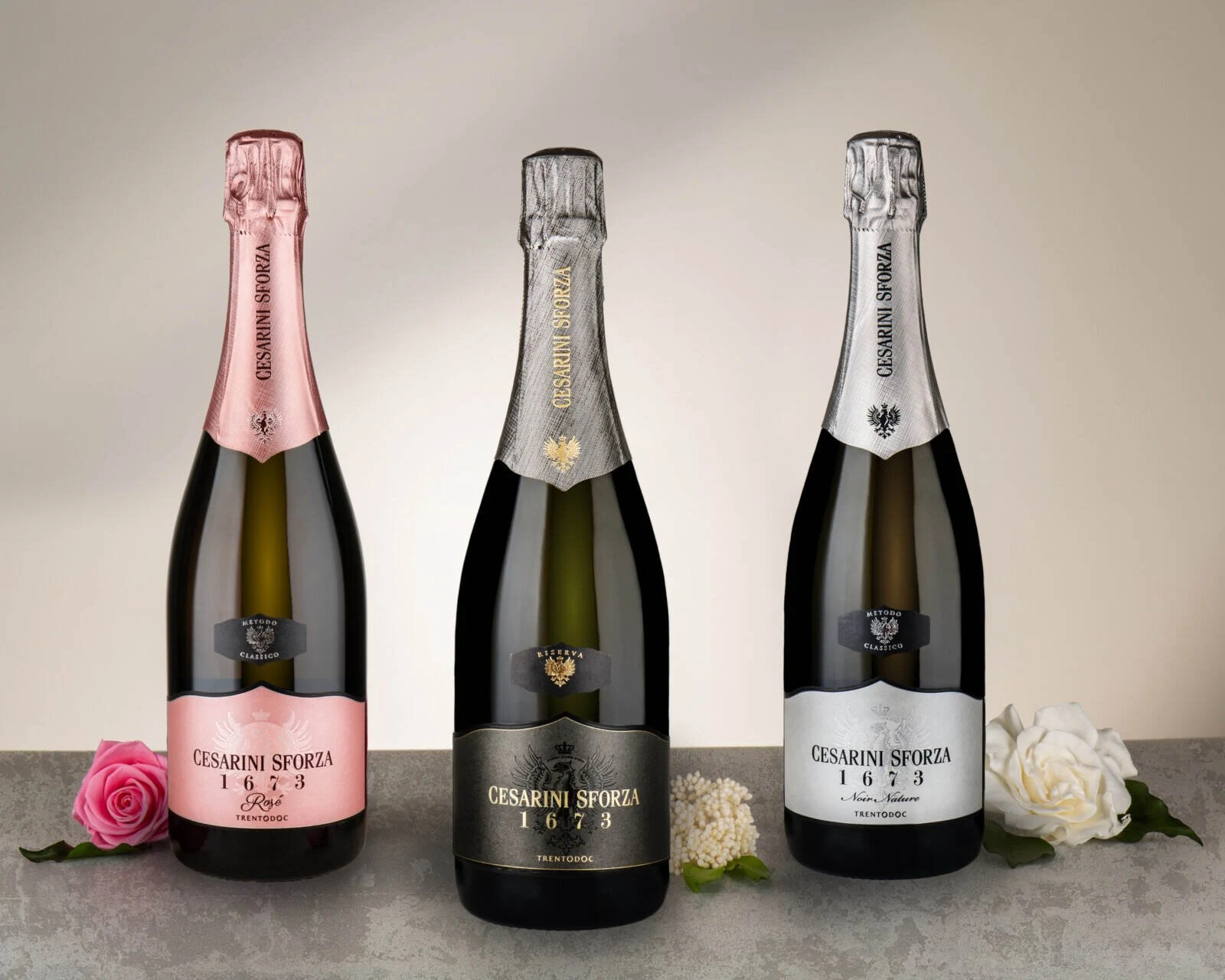
| Cesarini Sforza Spumanti | Trento | · |
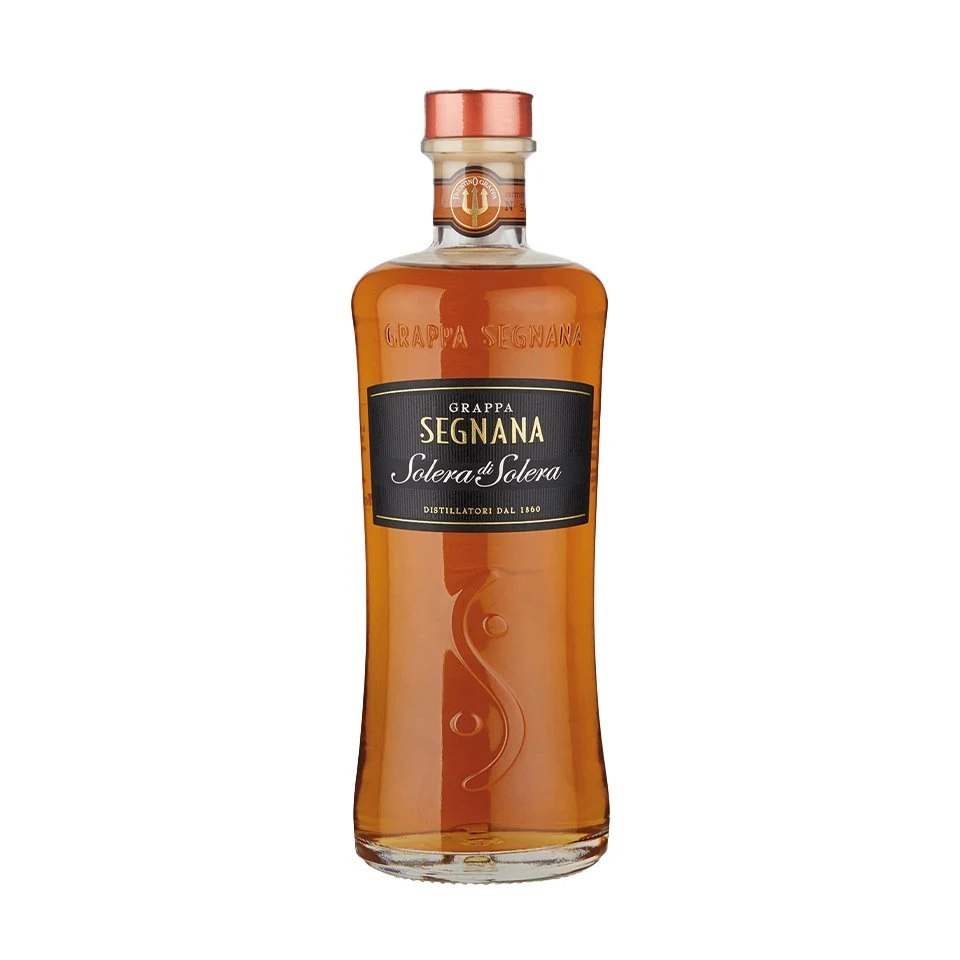
| Distilleria Segnana | Trento | · |
| Ferrari | Trento | World's 50 Best |
| Maso Martis | Trento | · |
| Tenute Lunelli | Trento | · |