Made ByRestaurant
AniMare
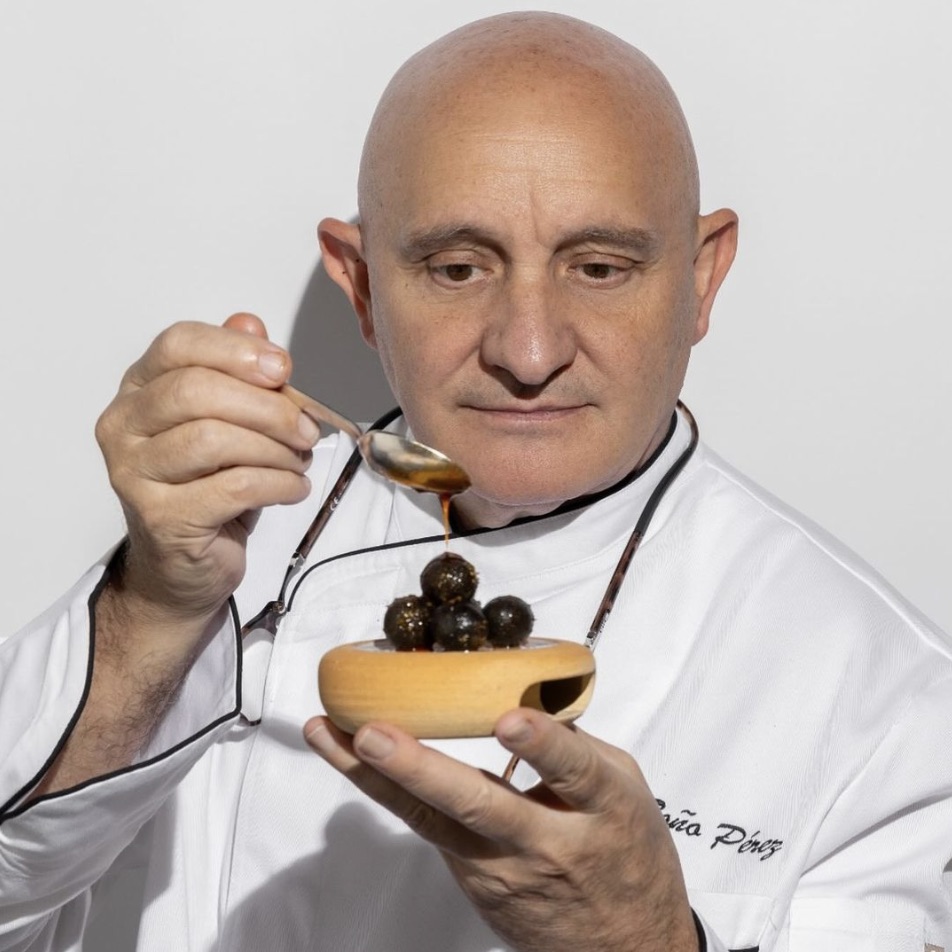
Chef in Residence
Toño Pérez
Chef
- 01CuisineAncestral Caribbean Fine Dining
- 02CityCartagena, Colombia
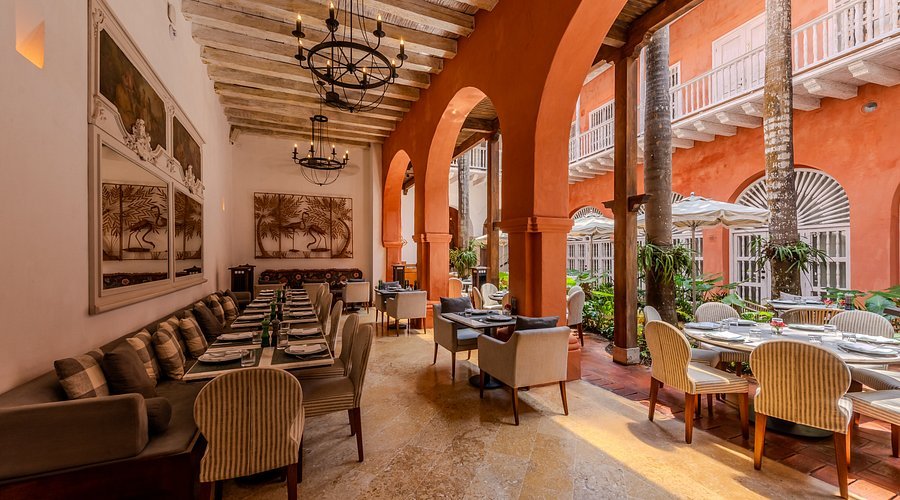
AniMare brings Colombian fusion to a Calle de Santo Domingo address inside the Ciudad Amurallada, where terroir-driven cooking connects the country's regional pantry to the Caribbean coast. Chef Toño Pérez holds an Expression of the Terroir recognition, signalling a kitchen committed to sourcing and technique over novelty. The Google rating of 4.3 across 57 reviews places it in solid standing within Cartagena's growing roster of serious Colombian restaurants.
At a glance
- Cuisine
- Ancestral Caribbean Fine Dining
- Price
- $$$$
- Hours
- Mon: 12–11 PM; Tue: 12–11 PM; Wed: 12–11 PM; Thu: 12–11 PM; Fri: 12–11 PM; Sat: 12–11 PM; Sun: 12–11 PM
- Neighborhood
- Centro Histórico
- Rating
- 4.4 (75)
<h2>Where the Walled City Meets the Colombian Interior</h2><p>Calle de Santo Domingo is one of the most concentrated strips of dining in Cartagena's Ciudad Amurallada. The colonial architecture sets a frame that restaurants either lean into theatrically or treat as incidental backdrop. AniMare operates in that charged environment at No. 33-63, with thick stone walls, the ambient noise of the square filtering in from outside, and the particular quality of light that old Cartagena buildings hold in the evening. For a certain kind of Colombian fusion kitchen, this address is not decoration, it is argument. The city itself, sitting at the intersection of Caribbean coast and the country's vast interior supply chains, makes the case for why the cooking here looks the way it does.</p><h2>Expression of the Terroir: What the Recognition Actually Means</h2><p>AniMare carries a single but specific distinction: Expression of the Terroir, awarded as part of a broader recognition system that identifies kitchens demonstrating genuine engagement with Colombian ingredients and regional sourcing. It signals that the kitchen is working with what the land and coast produce, that procurement is a creative decision, not an afterthought.</p><p>In practice, that framing connects AniMare to a broader movement in Colombian fine dining that has accelerated over the past decade. Restaurants like <a href="https://www.enprimeurclub.com/restaurants/celele-cartagena-restaurant">Celele</a> in Cartagena have made Colombian regional identity central to their dining identity. <a href="https://www.enprimeurclub.com/restaurants/carmen-medellin-restaurant">Carmen in Medellín</a> and <a href="https://www.enprimeurclub.com/restaurants/debora-restaurante-bogota-restaurant">Debora Restaurante in Bogotá</a> operate within a similar logic: Colombian ingredients, technique applied with discipline, and a deliberate refusal to let European frameworks dominate the narrative. AniMare's terroir recognition places it within that cohort rather than the more direct international-fusion tier.</p><h2>The Mole Question in a Colombian Kitchen</h2><p>Colombia does not have a mole tradition in the strict Oaxacan sense. But the culinary logic that produced Mexico's moles, the layering of dried chiles, seeds, spices, chocolate, and fermented or charred aromatics into a sauce of genuine complexity, has a parallel in Colombian cooking that often goes underdiscussed. Pipián, ají negro, and various coastal sofrito-based preparations share the same fundamental ambition: building depth through accumulation of ingredients rather than reduction of a single dominant flavour.</p><p>A kitchen that holds an Expression of the Terroir recognition and operates under a Colombian fusion framework is, almost by definition, working within this logic. Chef Toño Pérez's approach at AniMare involves engaging with the Colombian pantry at a granular level, the specific dried and fresh chiles, the fermented corn preparations, the coastal coconut and plantain base notes that distinguish Caribbean Colombian cooking from Andean or Amazonian registers. The fusion element does not mean European technique grafted onto tropical ingredients; in the better Colombian fusion kitchens, it means using the full depth of what Colombia produces, including its most complex and labour-intensive preparations, without reducing them to caricature.</p><p>This is the same discipline that makes mole negro or mole amarillo compelling at their leading: the willingness to let complexity sit as complexity rather than streamlining it for palatability. Kitchens like <a href="https://www.enprimeurclub.com/restaurants/lazy-bear">Lazy Bear in San Francisco</a> and <a href="https://www.enprimeurclub.com/restaurants/atomix">Atomix in New York City</a> have demonstrated that technique-driven engagement with a specific culinary tradition can produce more interesting results than technique applied in the abstract. AniMare's terroir positioning suggests a similar orientation, applied to the specific conditions of the Colombian Caribbean.</p><h2>AniMare in Cartagena's Broader Scene</h2><p>Cartagena's premium dining tier has diversified considerably. <a href="https://www.enprimeurclub.com/restaurants/casa-pestagua-cartagena-restaurant">Casa Pestagua</a> occupies the heritage boutique hotel end of the Colombian fusion register, with a setting that competes directly for the Old City's upmarket visitor. <a href="https://www.enprimeurclub.com/restaurants/1621-the-restaurant-cartagena-restaurant">1621 The Restaurant</a> targets a different price point and format. <a href="https://www.enprimeurclub.com/restaurants/andres-carne-de-res-cartagena-restaurant">Andres Carne de Res</a> operates as a high-volume cultural institution rather than a precision cooking statement. AniMare's positioning, Colombian fusion with a terroir credential, on one of the walled city's most prominent streets, slots it into the tier that draws informed diners seeking Colombian identity cooked with formal technique, rather than spectacle or volume.</p><p>That same tier exists in other Colombian cities. <a href="https://www.enprimeurclub.com/restaurants/harry-sasson-cundinamarca-restaurant">Harry Sasson in Bogotá</a> holds a comparable position in the capital's landscape. <a href="https://www.enprimeurclub.com/restaurants/manuel-barranquilla-restaurant">Manuel in Barranquilla</a> does similar work on the coast. <a href="https://www.enprimeurclub.com/restaurants/domingo-cali-restaurant">Domingo in Cali</a> applies the logic to Pacific Colombian ingredients. What connects them is the same terroir-first commitment: Colombian raw material as the starting point, not the finishing touch.</p><p>The Google rating of 4.4 across 75 reviews suggests a kitchen that draws a discerning rather than mass-market audience. In a neighbourhood with significant tourist traffic, a lower review count often signals that a restaurant is drawing intentional diners rather than passing footfall, guests who find it by recommendation rather than proximity.</p><h2>Planning Your Visit</h2><p>AniMare sits at Calle de Santo Domingo No. 33-63 inside the Ciudad Amurallada, walkable from the main cluster of Old City hotels and accessible from the Getsemaní neighbourhood on foot in under ten minutes. The surrounding area is Cartagena's most active dining corridor, which means the street fills quickly in the evening; arriving close to opening or booking ahead where possible reduces wait times. Phone and website details are not currently listed in public records, so direct inquiry or hotel concierge booking is the practical path. The colonial setting means the ambience shifts noticeably between late afternoon light and full evening, both have their own character, but the night service, when the stone streets are lit and the square quiets slightly, tends to frame this type of kitchen most effectively.</p><p></p>
Know before you go
- Dress code
- smart_casual
- Reservations
- recommended
- Payment
- credit_card
- Outdoor seating
- Yes
Frequently asked
Is AniMare child-friendly?
No explicit child policy is on public record for AniMare. The Colombian fusion format and a Calle de Santo Domingo address in the walled city suggest a sit-down dining context oriented toward adults, though nothing formally excludes younger guests. Contacting the venue directly before visiting with children is the practical step here.
What is the atmosphere like at AniMare?
The setting is Calle de Santo Domingo No. 33-63, inside the Ciudad Amurallada, meaning colonial stonework is the architectural backdrop rather than a design choice. AniMare's Expression of the Terroir recognition points to a kitchen that signals its Colombian identity through sourcing and technique, so the room serves the food rather than competing with it.
Is AniMare Michelin-listed?
AniMare has received recognition including: HIGHLIGHTS: • EXPRESSION OF THE TERROIR.
What's the must-try dish at AniMare?
Confirmed menu specifics are not on public record, so naming a single dish would be guesswork. What the Expression of the Terroir distinction does signal is a kitchen focused on Colombian regional sourcing, which in a fusion context typically means the most rewarding choices follow the interior-ingredient thread rather than the familiar coastal standards.
How do I find AniMare?
AniMare is located at Ciudad Amurallada, Calle de Santo Domingo #No. 33 - 63, Cartagena de Indias, Bolívar, Colombia, Cartagena.
Address
Ciudad Amurallada, Calle de Santo Domingo #No. 33 - 63, Cartagena de Indias, Bolívar, Colombia
Centro Histórico
How it compares
- Cuisine
- Ancestral Caribbean Fine Dining
- Awards
- 1 recognition
- Notes
- Centro Histórico, $$$$
- Cuisine
- Cuban-Caribbean with Live Music
- Awards
- —
- Notes
- Centro, $$$
- Cuisine
- Caribbean-Mediterranean Seafood Fusion
- Awards
- —
- Notes
- Centro, $$$
- Cuisine
- Modern Caribbean Seafood
- Awards
- —
- Notes
- Walled City, $$$$
- Cuisine
- Colombian & American Steakhouse
- Awards
- —
- Notes
- Getsemani, $$$$
- Cuisine
- Colombian Fusion with Lebanese Influences
- Awards
- 1 recognition
- Notes
- Centro Histórico, $$$$
In residence
Similar places
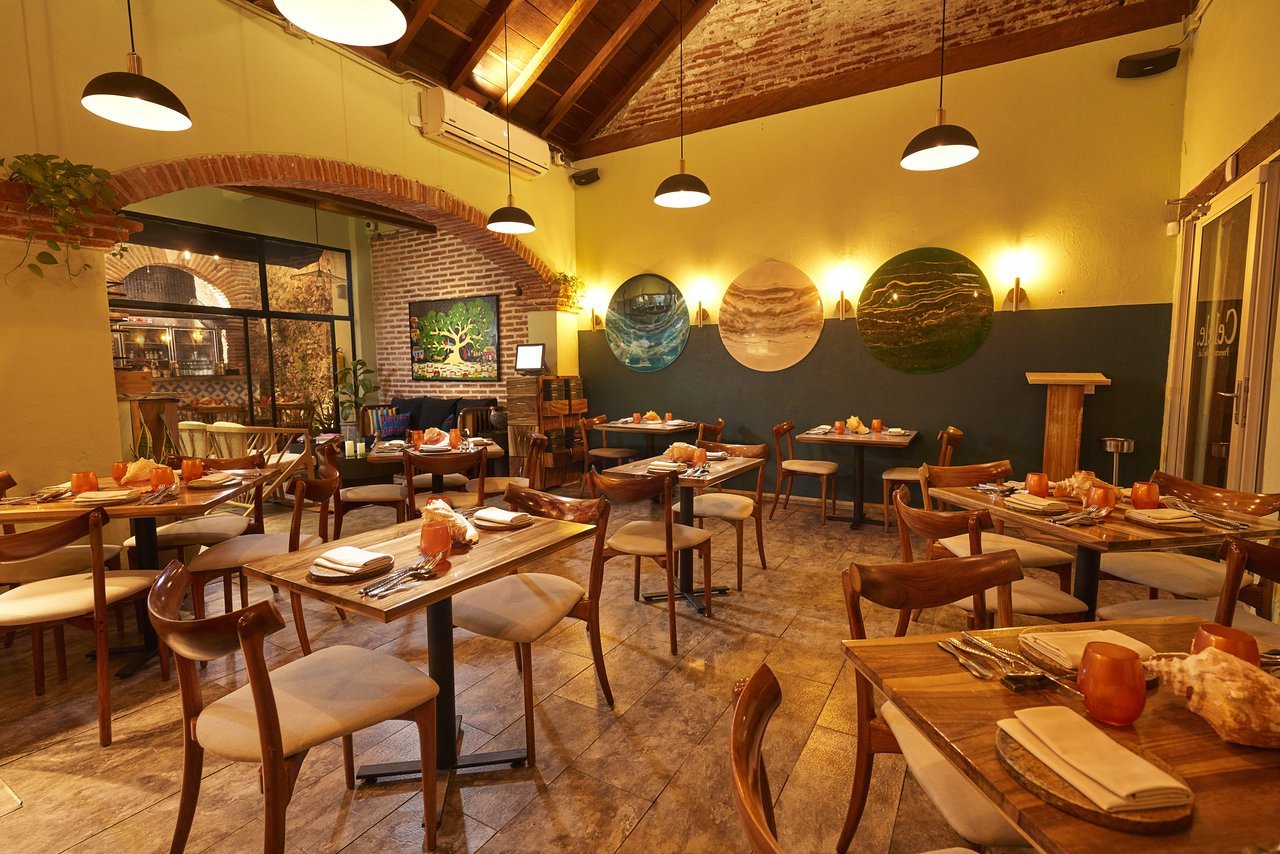
Modern Caribbean Colombian
Celele
Cartagena, Colombia
50 Best
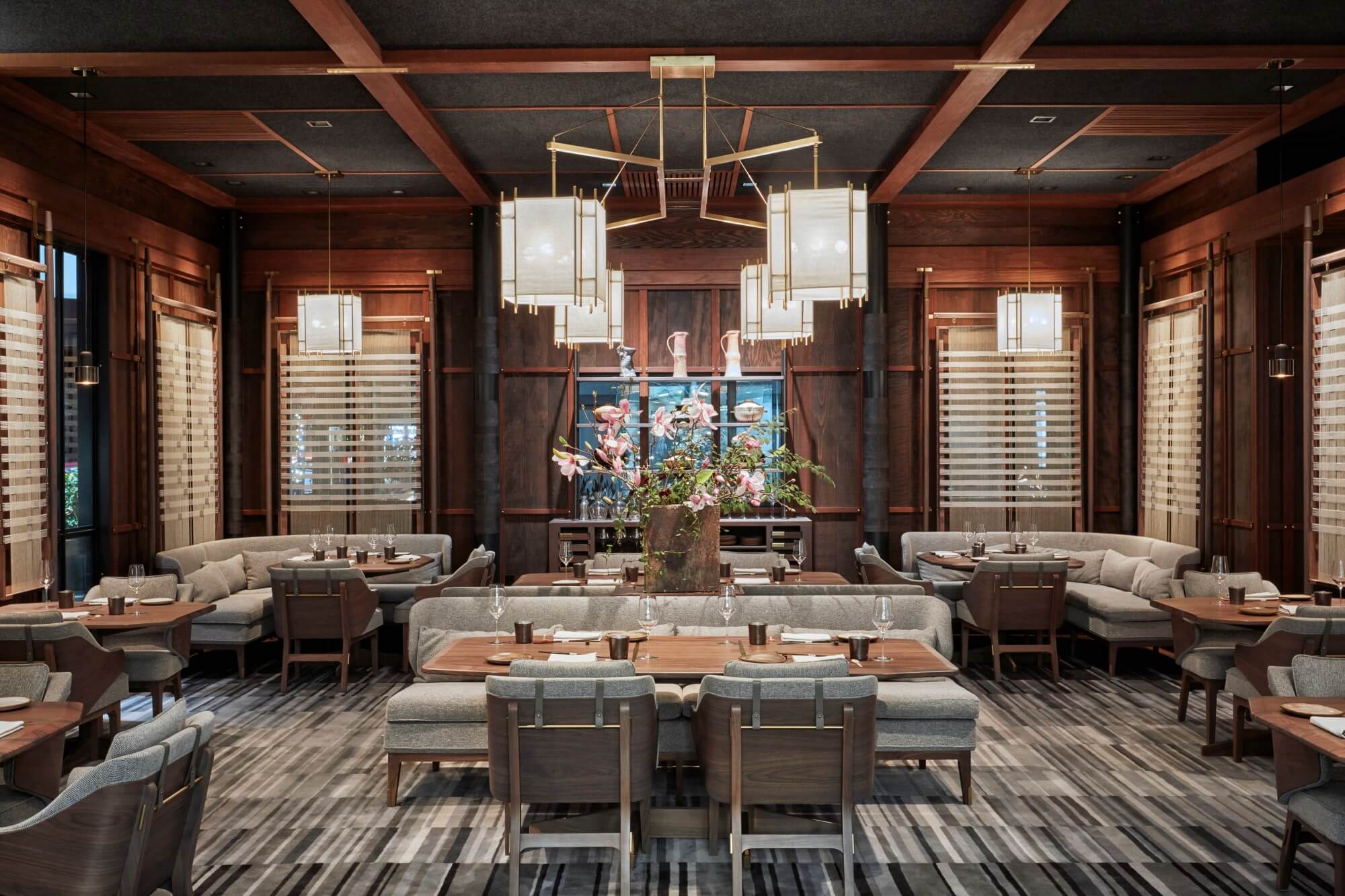
Japanese-influenced Californian Kaiseki
Single Thread Farm
Healdsburg, United States
★★★ · 50 Best
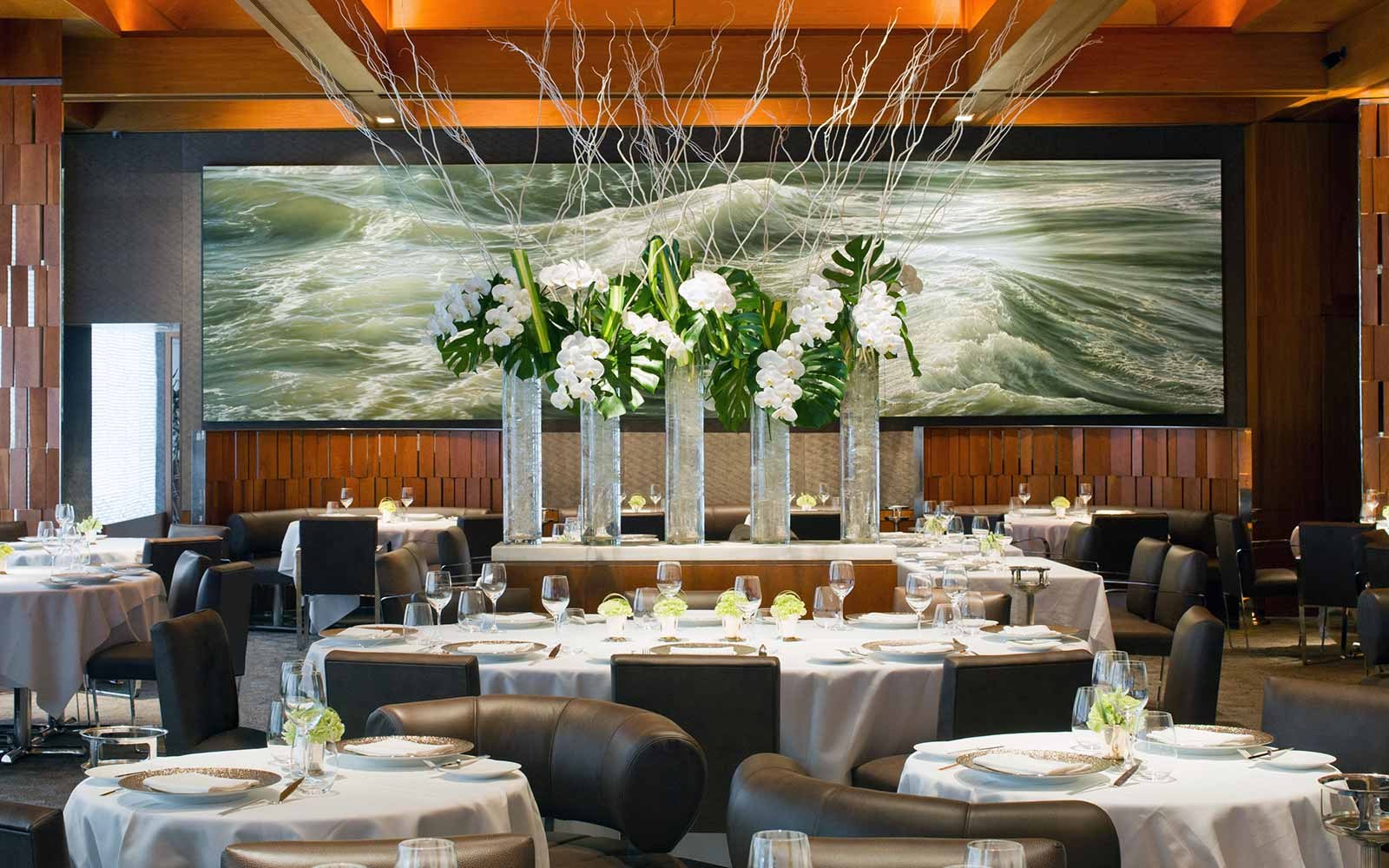
French Seafood Fine Dining
Le Bernardin
New York City, United States
★★★ · 50 Best
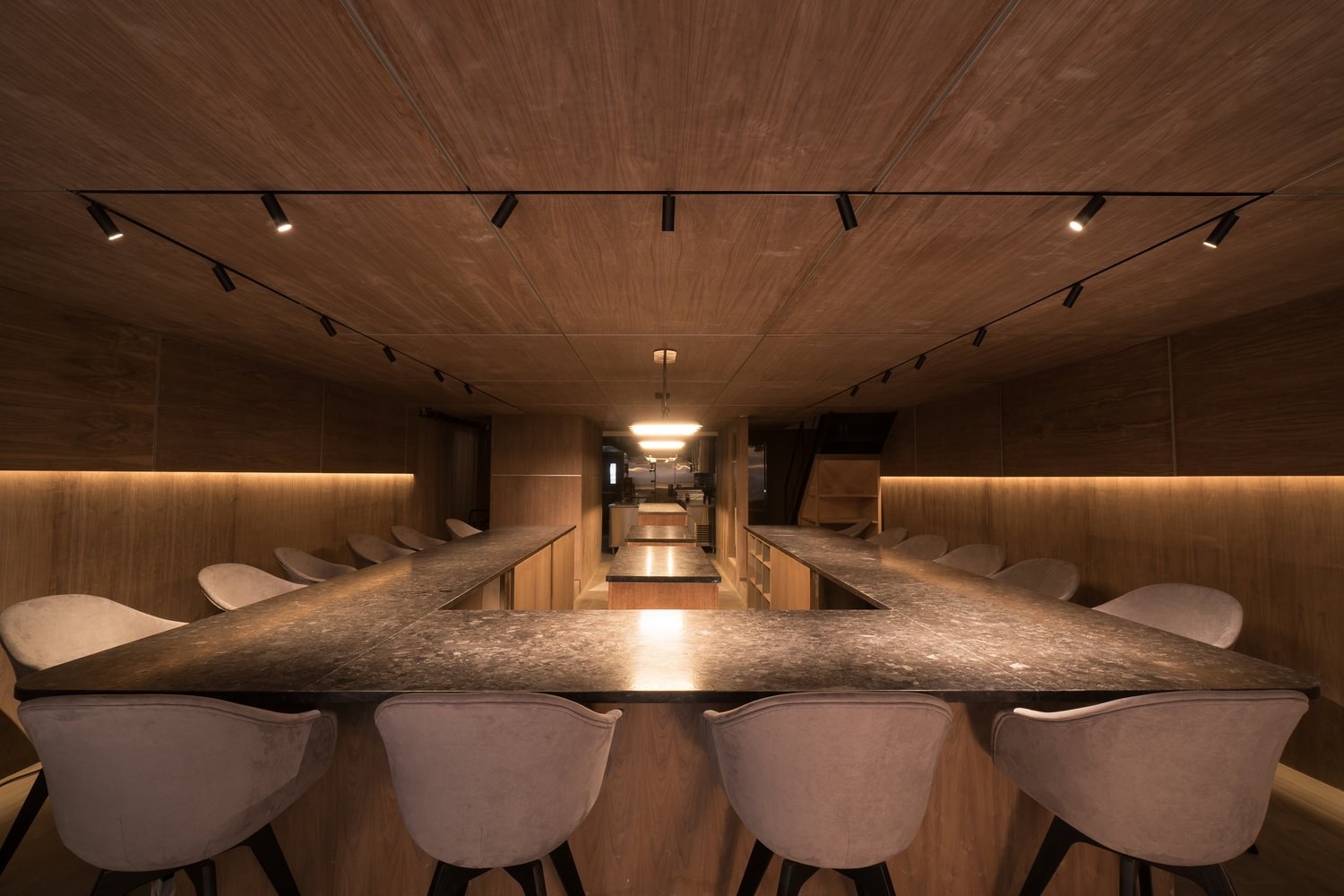
Modern Korean Tasting Menu
Atomix
New York City, United States
★★ · 50 Best
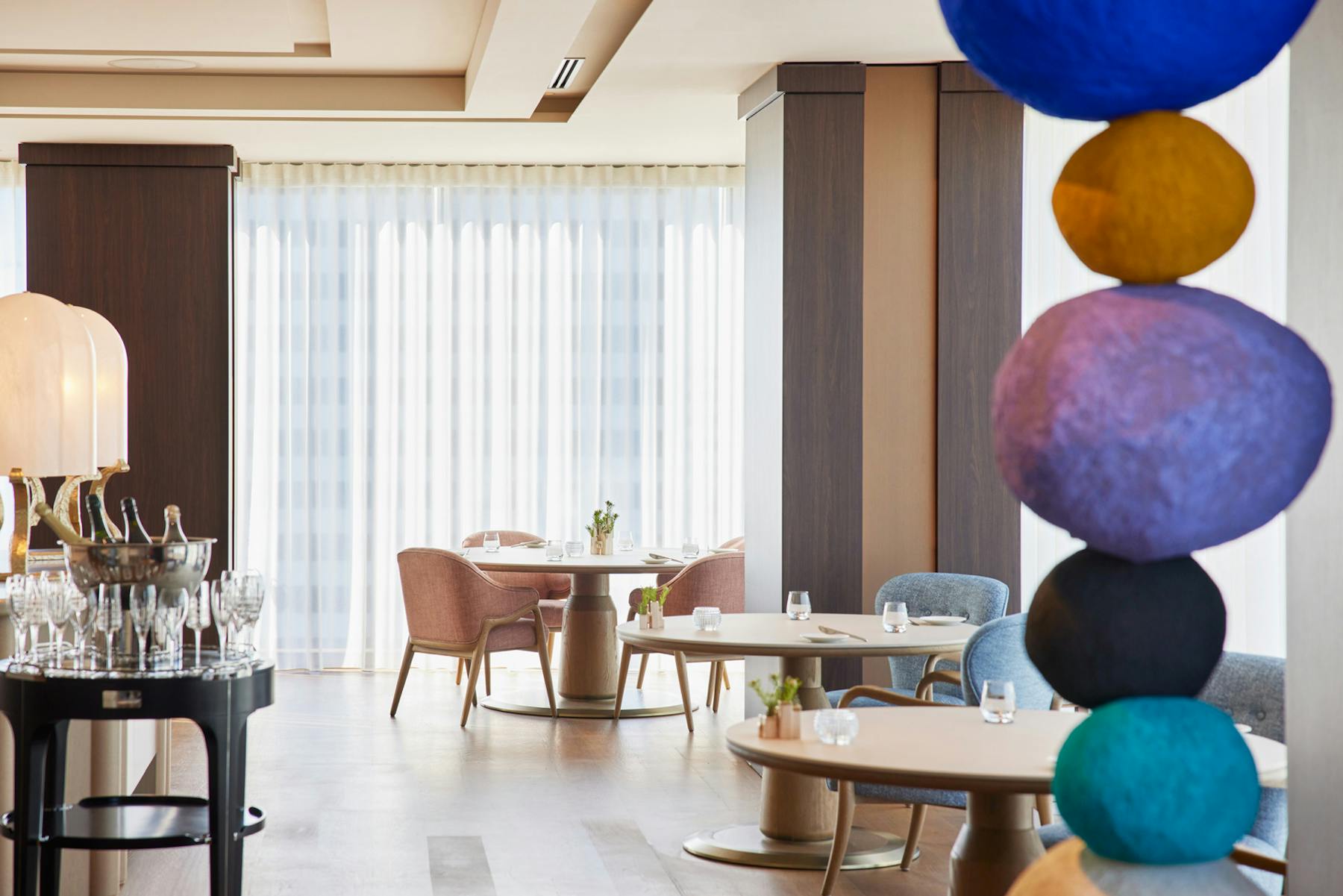
French
Sézanne
Tokyo, Japan
★★★ · 50 Best
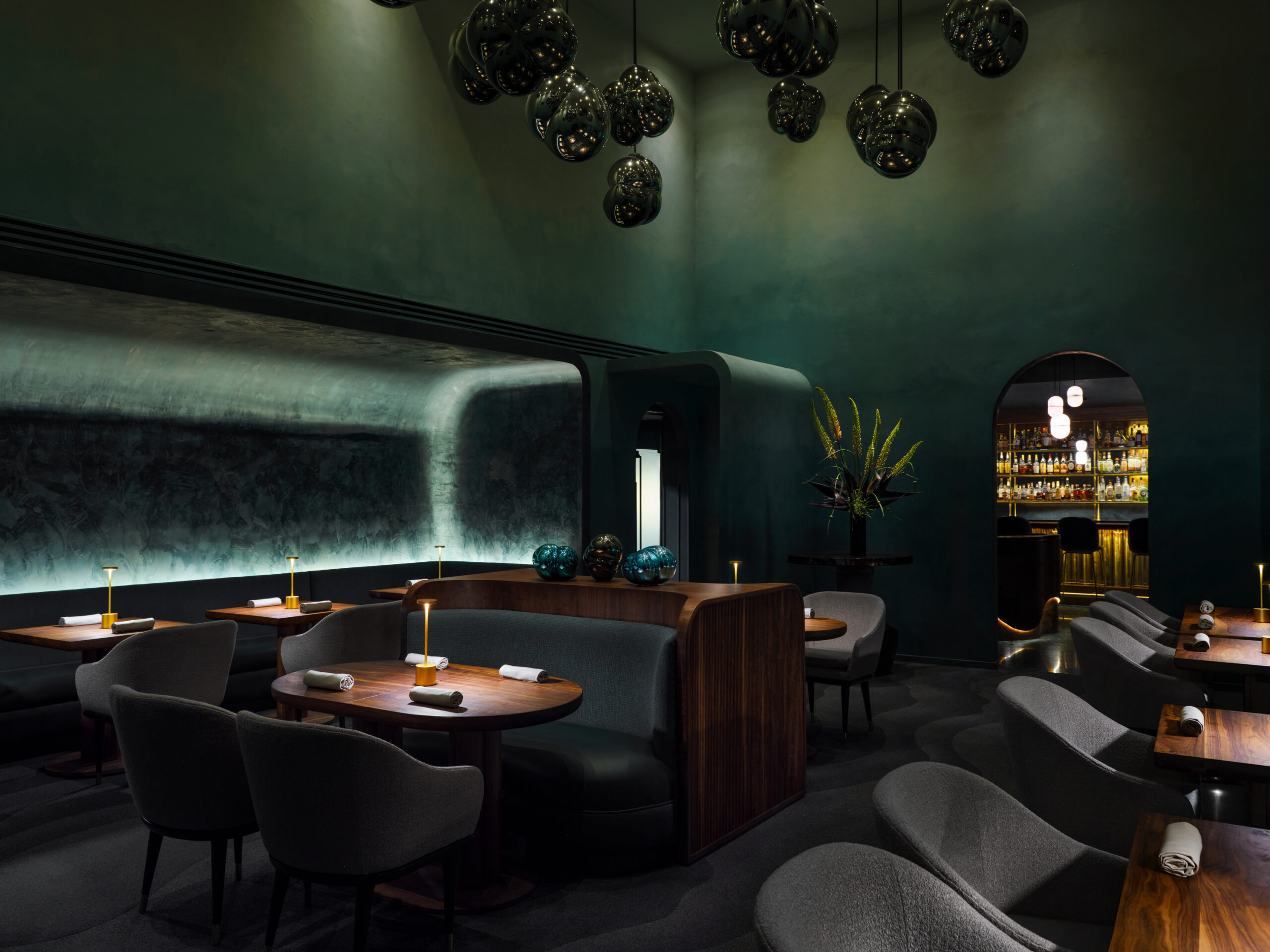
Modern Seafood Fine Dining
Providence
Los Angeles, United States
★★★ · 50 Best