Arborescence
- 01CuisineContemporary French with Asian Influences
- 02CityCroix, France
- 03RecognitionOne Michelin Star
Smoked eel at the pass
- 1 Michelin Star · Michelin Guide
- Michelin 1 Star · 2026
- Opinionated About Dining Newly Added European Restaurants · 2026
- Opinionated About Dining Top Restaurants in Europe Recommended · 2026
- Opinionated About Dining Top New Restaurants in Europe Ranked #6 · 2026
- Gault & Millau Remarkable Restaurant: 15pts · 2025
- Michelin 1 Star · 2025
Calm at the pass in Croix
The plate leaves the pass with smoke, eel and a held line of sauce. Arborescence in Croix is the work of Félix and Nidta Robert, who opened it in June 2022 on the former Edgar textile factory site at 76 Rue de la Gare, and the restaurant is built for that kind of control: quiet rooms, open kitchen views, and a tasting menu that asks the kitchen to carry a story from one course to the next. Nidta Robert was born and raised on a fruit farm in northern Thailand, and that inheritance sits beside Félix Robert’s French training rather than beneath it. At Arborescence, the cooking is not built on one visible lineage. It moves between French technique and Asian influence, with plants, vegetables, fruit and seafood held close to the center. The house describes its register as an imaginary kitchen, an abstract alchemy of iodine, transparency, cloud, shadow and moonlight that reaches for lightness and fragility. In this room that standard reads as more than atmosphere. It is a working tool, useful when a raviole, a mousse, a lacquer, or a sauce has to land with clarity in a dining room that leaves little cover for noise or excess.
Raviole, birch sap and seawater mousse
The menu at Arborescence is built as a tasting progression rather than a set of choices. Its language is narrative, but the bench work is concrete: raviole dragon with smoked eel, langoustine cocoon with squash, oyster with seawater mousse and chocolate, sole with birch sap sauce. The restaurant opened in June 2022 in the former Edgar textile factory site, and the industrial shell gives the cooking a useful counterpoint. The plates often work by tension, with iodine against sweetness, smoke against fruit, tenderness against a sharper vegetal note. The wine program is curated to sit alongside that structure, including natural wine among its focus points, without turning the cellar into the subject of the meal. Arborescence holds one Michelin star, and the number belongs to this house, not to a past address. The achievement is less useful than the method that supports it: repeated small decisions at the station, sauce by sauce, course by course, until the room receives a sequence that feels light without being thin.
The room keeps its distance
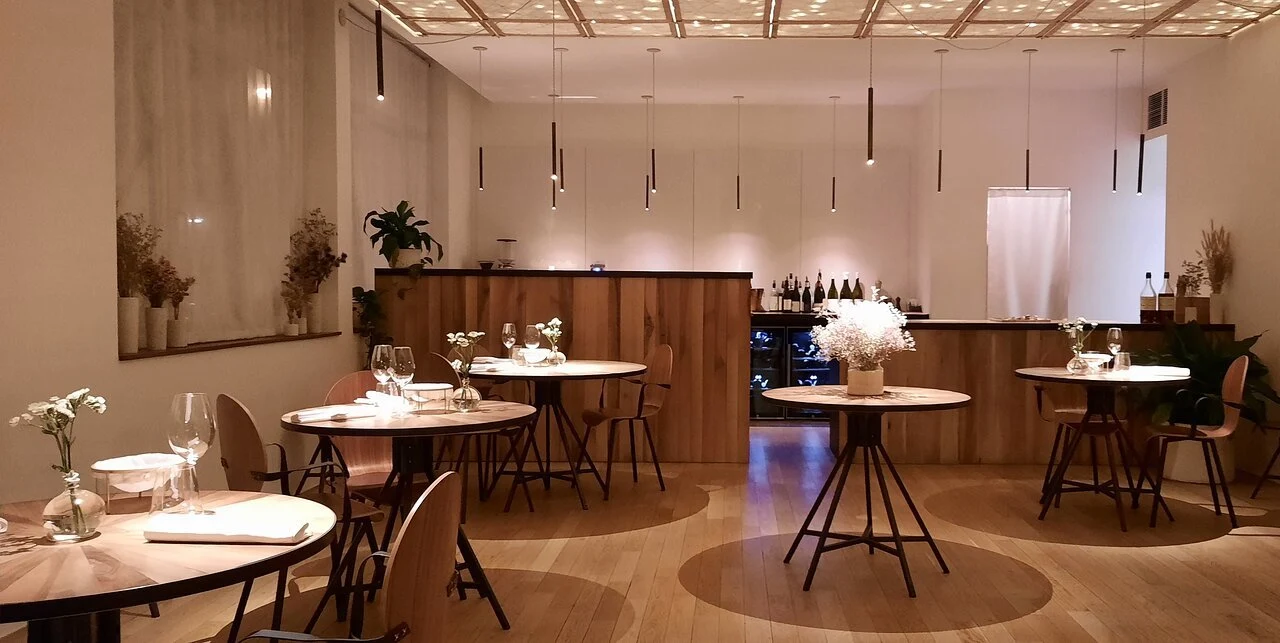
The approach to Arborescence is deliberately quiet, with plants and a discreet entrance setting the tone before the first plate arrives. Inside, the room is softly lit, with luminous ceiling details, delicate hanging lights, pale wood and enough space between tables to keep attention on the pass. The open kitchen gives the service a bench-side charge, but the dining room does not lean on spectacle. It lets the gestures register: a plate set down without hurry, a sauce finished at the right temperature, a glass chosen to meet smoke, shellfish or sap rather than cover it. The former textile factory still matters as texture. Brick and industry sit behind a cuisine concerned with fragility, memory and transformation, and that friction keeps the room from becoming too polished. It is formal, but not stiff; intimate, but not hushed into absence.
What remains in the sequence
Arborescence is strongest when the story stays attached to the craft. The menu may speak in images of dream, cloud, moonlight and landscape, but the kitchen has to answer in materials that can be cut, smoked, folded, fermented or poured. That is where the composure of the house fits its own ambition: not as a mood, but as a discipline that can hold a poetic idea to the demands of service. If the next plate is the measure, the room returns to the same concrete test, the smoked eel raviole at Arborescence.
Questions
Frequently asked
What kind of restaurant is Arborescence?
Arborescence is a restaurant in Croix serving contemporary French cooking with Asian influences. Its tasting menu is built by Félix and Nidta Robert, and the kitchen works with plants, vegetables, fruit and seafood at the centre of the plate.
What is Arborescence known for?
The menu moves through dishes such as raviole dragon with smoked eel, langoustine cocoon with squash, oyster with seawater mousse and chocolate, and sole with birch sap sauce. The cooking often plays with smoke, acidity and sweetness, and the house holds one Michelin star.
Do you need to book a table at Arborescence?
Reservation is essential, and bookings are taken directly.
What are Arborescence's opening hours?
Arborescence is closed on Monday and Tuesday. It opens for dinner on Wednesday and Thursday from 7:15 to 8:30 PM, and serves lunch and dinner from Friday to Sunday, from 12:15 to 1:30 PM and 7:15 to 8:30 PM.
The field
How it compares
| Place | Awards | Cuisine | Notes |
|---|---|---|---|
| Arborescence | Michelin 1 Star | Contemporary French with Asian Influences | Croix, $$$$ |
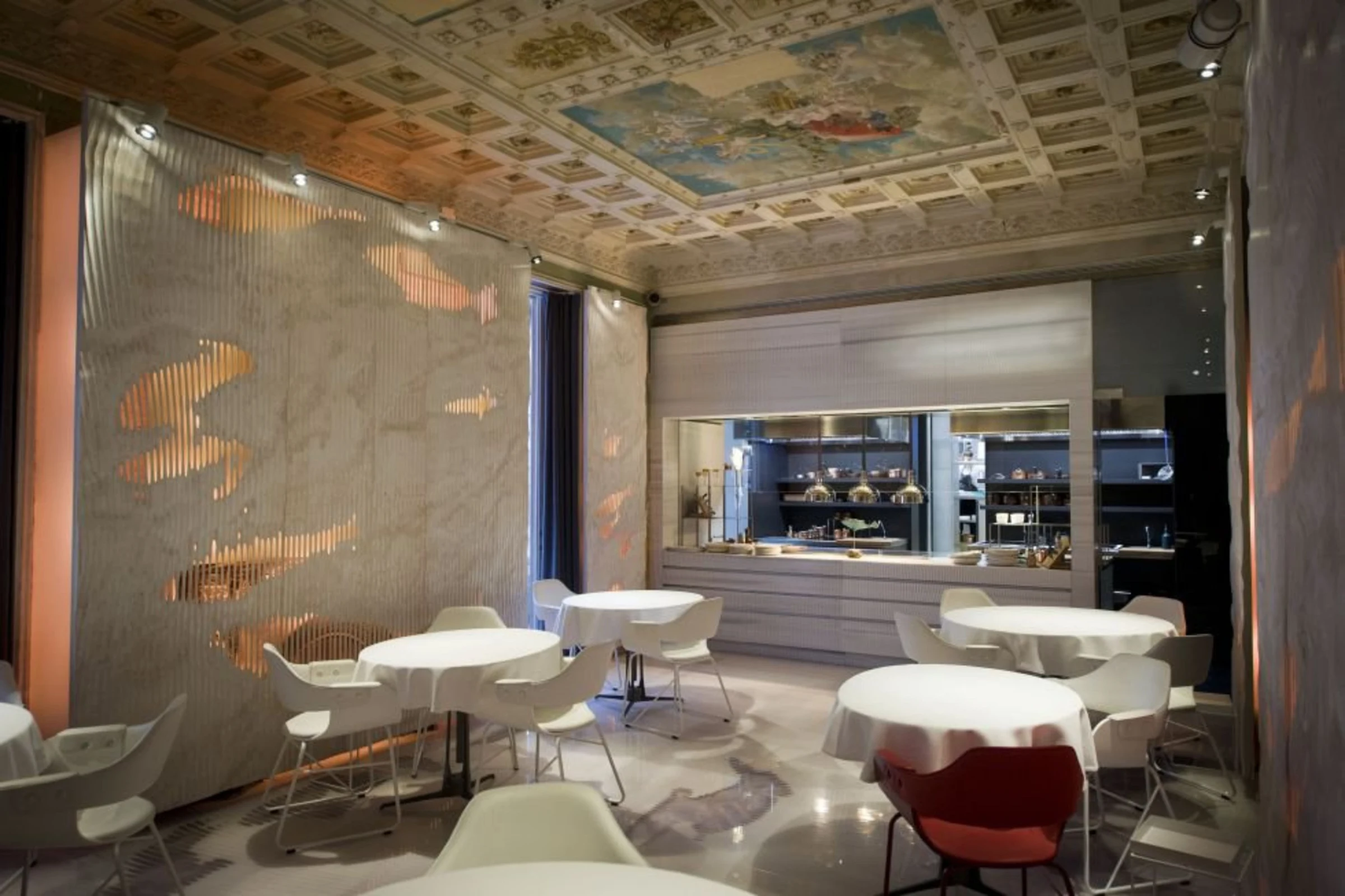
| Alkimia | Michelin 1 Star | Modern Catalan Fine Dining | Barcelona |
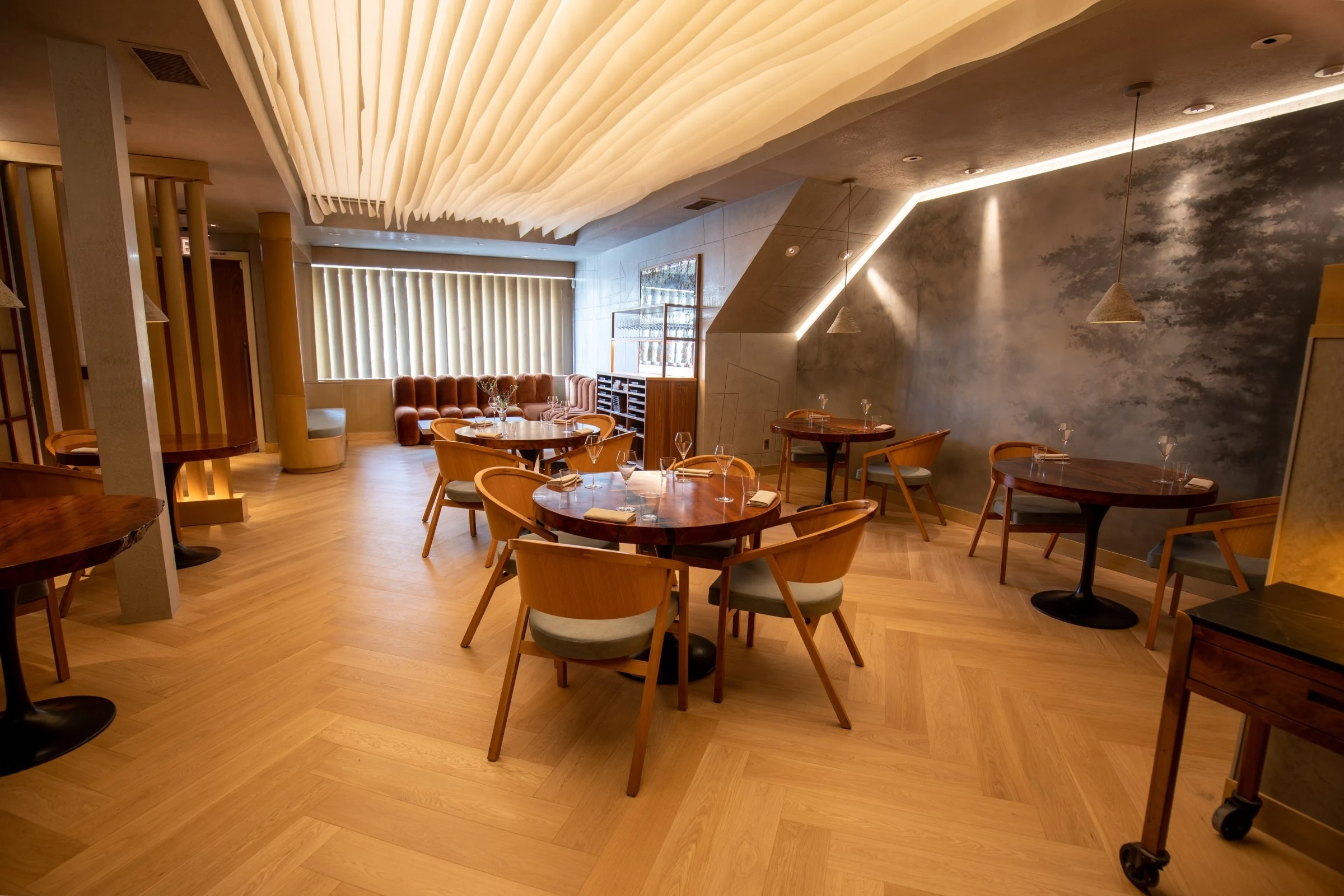
| Atelier Crenn | Michelin 3 Stars, World's 50 Best | Contemporary French Fine Dining | San Francisco |
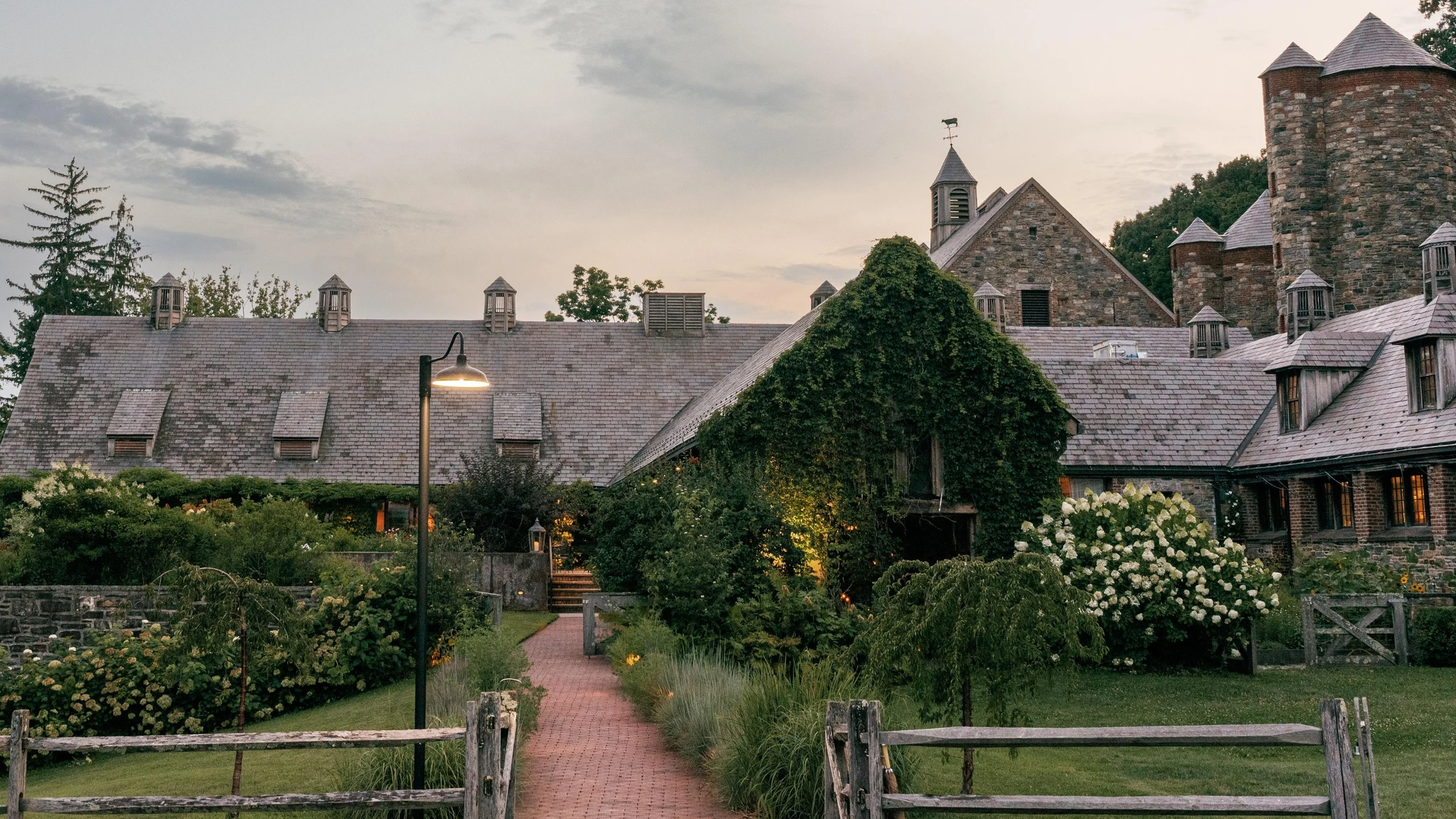
| Blue Hill at Stone Barns | Michelin 2 Stars, World's 50 Best | Farm-to-Table Fine Dining | Tarrytown |
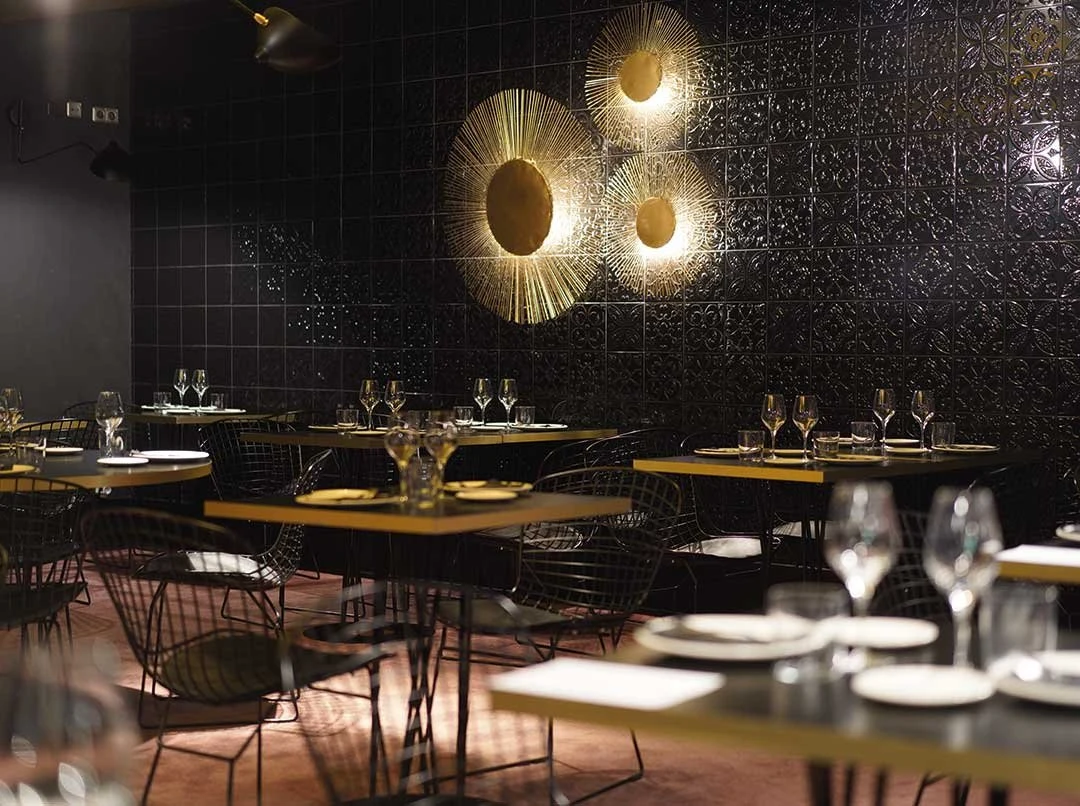
| Casa Marcial | Michelin 3 Stars | Modern Asturian Fine Dining | Arriondas |
| Miramar | Michelin 2 Stars | Modern Mediterranean Seafood | Llançà |
| Zén | Michelin 3 Stars, World's 50 Best | Neo-Nordic with Japanese Influences | Singapore |
Similar places
Modern Catalan Fine Dining
Alkimia
Barcelona, Spain
★
Contemporary French Fine Dining
Atelier Crenn
San Francisco, United States
★★★ · 50 Best
Farm-to-Table Fine Dining
Blue Hill at Stone Barns
Tarrytown, United States
★★ · 50 Best
Modern Asturian Fine Dining
Casa Marcial
Arriondas, Spain
★★★
Modern Mediterranean Seafood
Miramar
Llançà, Spain
★★
Neo-Nordic with Japanese Influences
Zén
Singapore, Singapore
★★★ · 50 Best