Arkenstone Winery
- 01CityNapa, United States
High Ground: Arkenstone and the Logic of Howell Mountain Cabernet
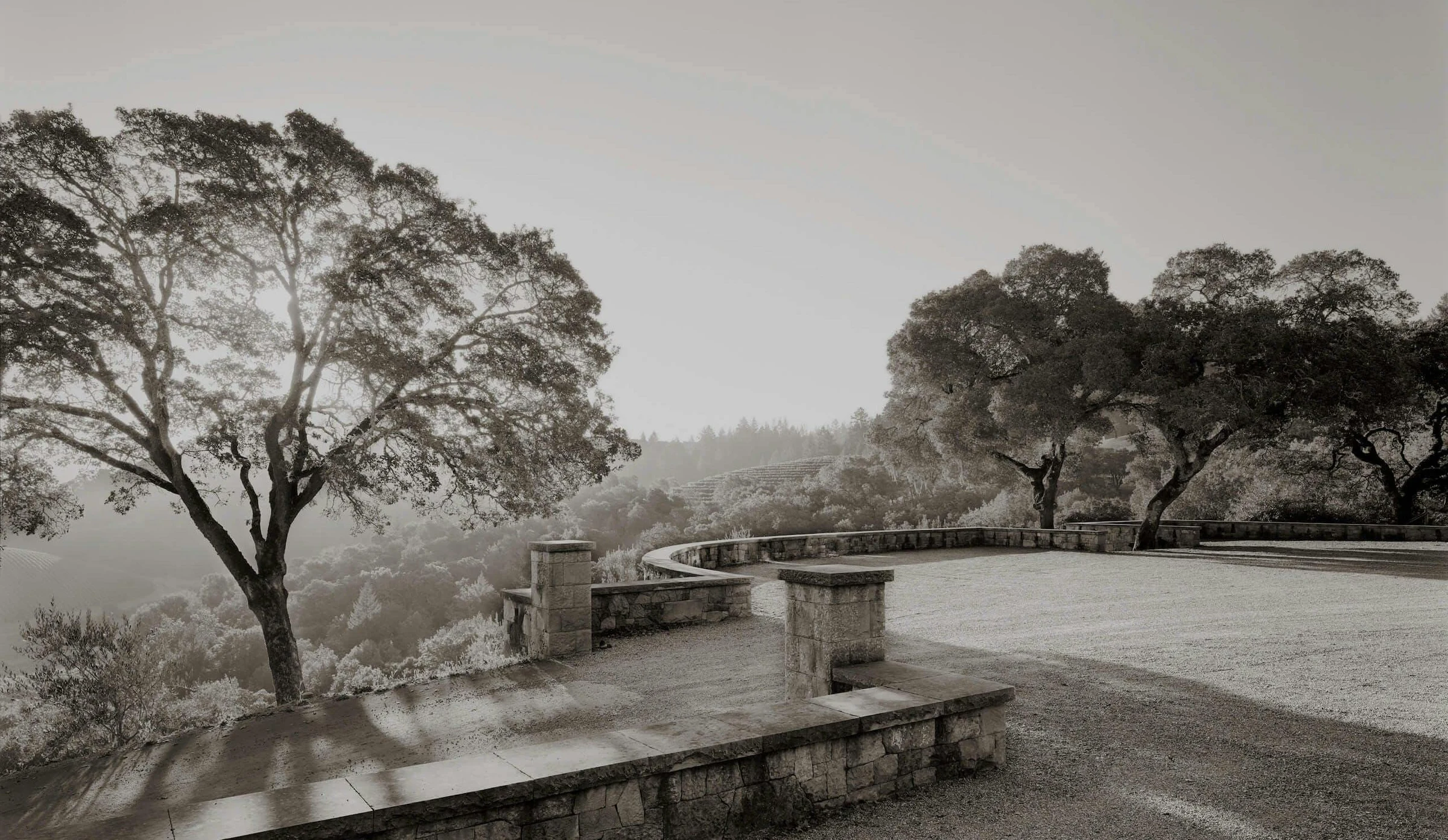
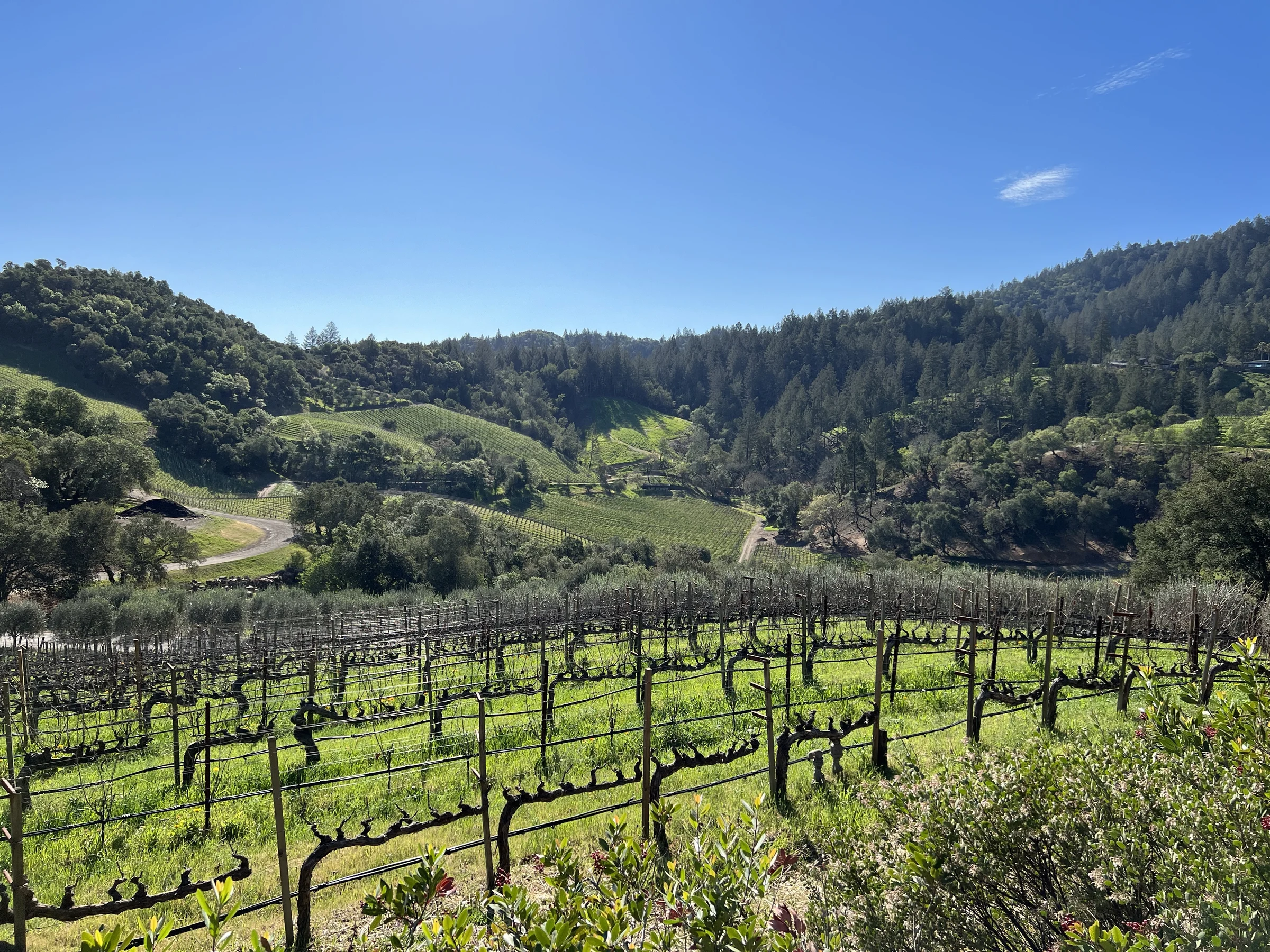
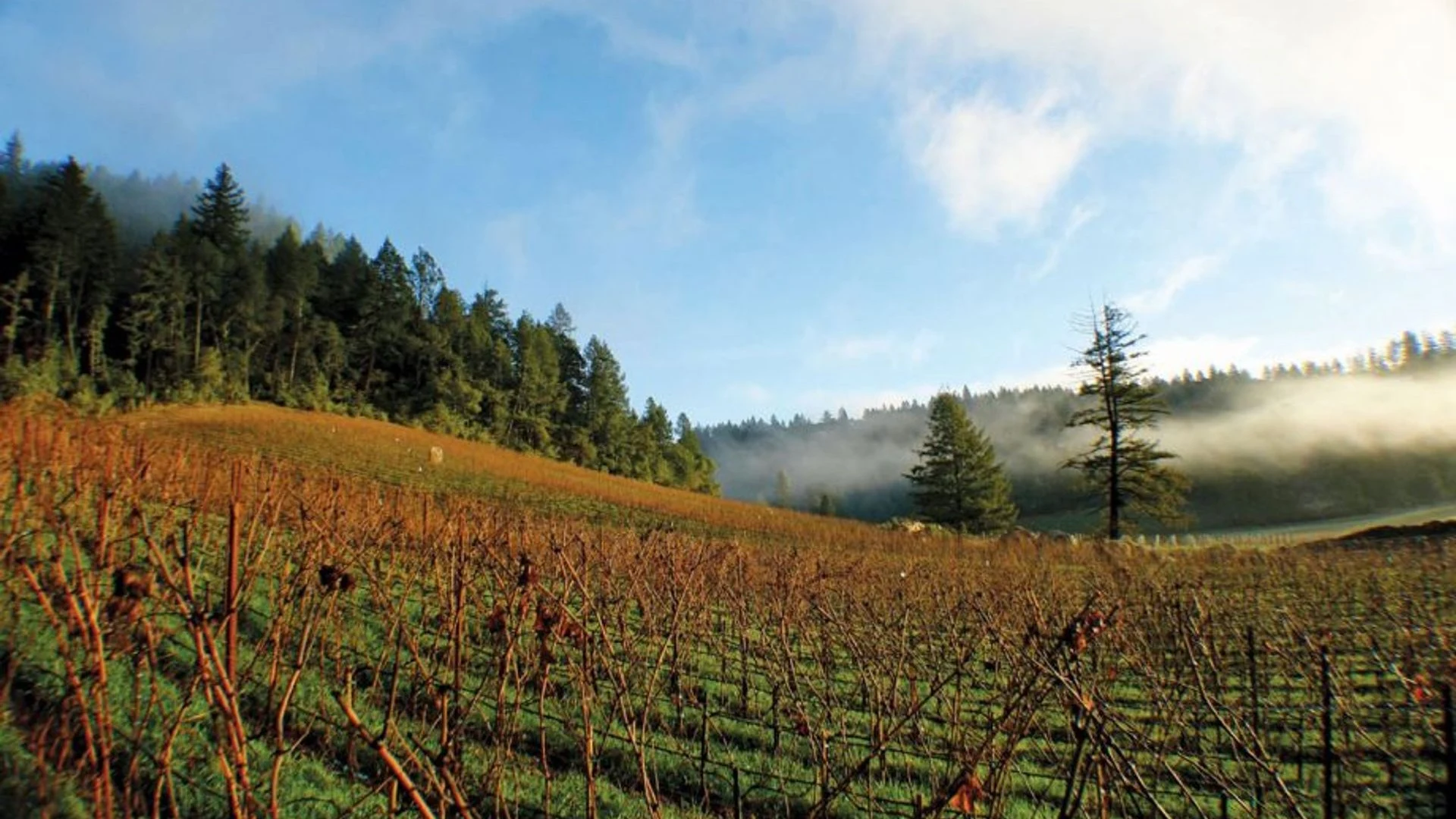
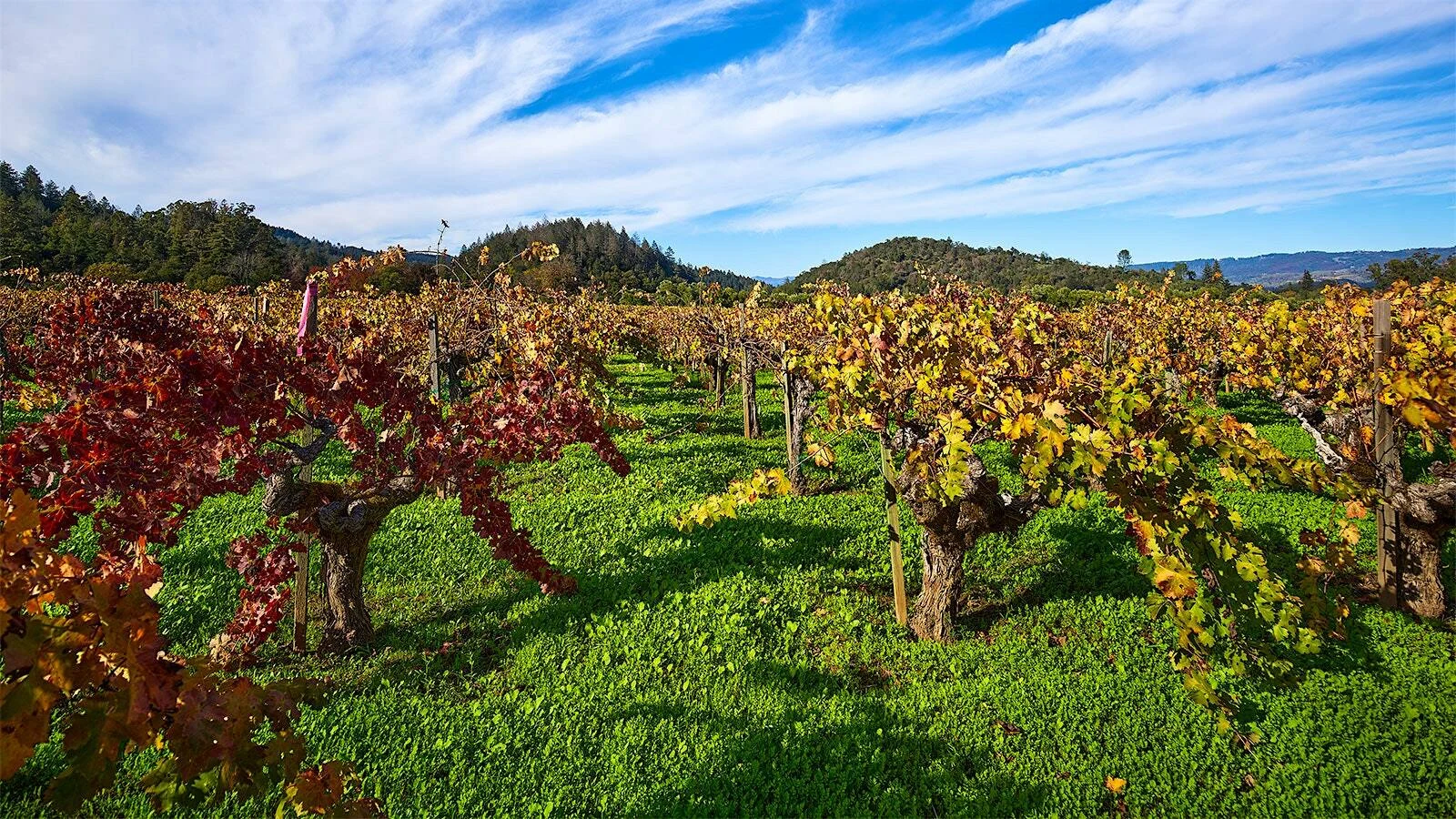
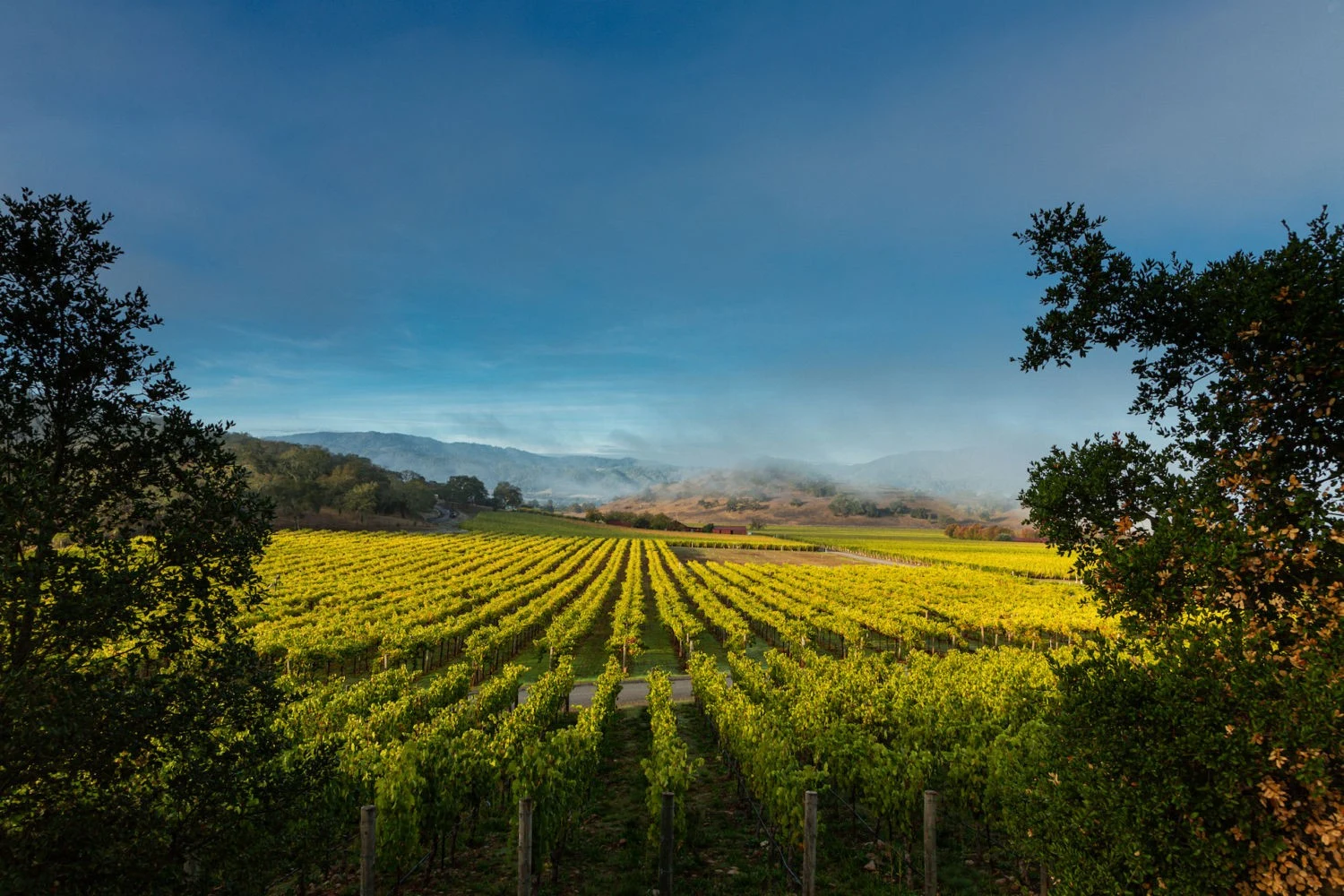
Elevation changes everything in Napa. The valley floor, anchored by the Napa River and its alluvial deposits, produces the plush, fruit-forward Cabernets that built the region's international reputation. But climb above 1,400 feet into Howell Mountain and the profile shifts decisively: thinner volcanic soils, cooler nights, and higher UV exposure push vines toward smaller berries, tighter structure, and a tannic architecture that requires patience from both winemaker and drinker. Arkenstone Winery occupies this upper tier, where the focus is on structured, cellar-worthy wines rather than immediate accessibility.
Howell Mountain received its own AVA designation in 1984, the first sub-appellation within Napa Valley to achieve that status, which tells you something about how seriously the region's producers and regulators take elevation as a determinant of wine character. The volcanic ash and red clay that define the mountain's topsoil drain freely, stressing the vines in ways that concentrate flavors and suppress the kind of lush berry weight that characterizes lower-elevation fruit. The wines that emerge from this zone age differently, and the collectors who seek them out know the distinction well. Arkenstone, working within this tradition, aligns itself with properties like Accendo Cellars in St. Helena that prioritize structural precision over broad-market approachability.
A Winemaking Approach Shaped by Place
Arkenstone’s winemaking philosophy reflects a commitment to site expression that the Howell Mountain appellation almost demands. Napa's dominant commercial identity is built on ripe, high-alcohol Cabernet Sauvignon with substantial new-oak influence. Hillside producers who follow that template tend to produce wines that obscure the very terroir advantage that justifies their elevation. The more rigorous approach, which Arkenstone appears to take, involves lower intervention in the cellar and a calibration of oak that lets the volcanic-soil minerality and firm tannin structure speak clearly.
That orientation places Arkenstone in a peer group that includes Blackbird Vineyards and Darioush Winery. What links these producers is a willingness to sacrifice short-term fruit density for wines that develop in the bottle over years rather than delivering all their appeal on release. For collectors working with Napa on a ten-to-fifteen year horizon, this distinction matters considerably. For readers interested in broader comparisons across California's hillside producers, properties like Adelaida Vineyards in Paso Robles and Alban Vineyards in Arroyo Grande offer useful reference points for how elevation and volcanic soils shape wine character across the state.
Where Arkenstone Fits in the Napa Premium Tier
Napa's premium winery segment has fragmented considerably over the past two decades. The large, established estate brands, many of them now owned by international beverage conglomerates, occupy one end of the market. At the other end sits a collection of small-production, allocation-only wineries that operate more like Burgundy négociants than California estate producers, building direct relationships with a small number of buyers and releasing wines in quantities that keep demand ahead of supply. Arkenstone belongs to this second category by character.
Properties in this tier compete less on retail shelf presence than on critical recognition, collector word-of-mouth, and the integrity of their mailing list relationship. Wineries like Ashes and Diamonds, which has positioned itself explicitly against the dominant Napa style, and Artesa Vineyards and Winery, which approaches the market from a Carneros base with a different varietal emphasis, illustrate how diverse Napa's upper segment has become. Arkenstone's Howell Mountain address keeps it in a subset of that tier where the wines' structural profile is non-negotiable: buyers who come to mountain Napa Cabernet expecting the plushness of an Oakville or Rutherford bottling will be surprised. Buyers who understand the appellation will find exactly what they came for.
For context on how Napa's winery segment compares with other California regions, Alexander Valley Vineyards in Geyserville and Alpha Omega Winery in Rutherford offer instructive contrasts in how different terroirs and appellations within California produce wines for different buyer profiles. International reference points, from Aberlour in Aberlour to Achaia Clauss in Patras, further demonstrate how place-driven production philosophy crosses categories and continents.
Planning a Visit to Howell Mountain
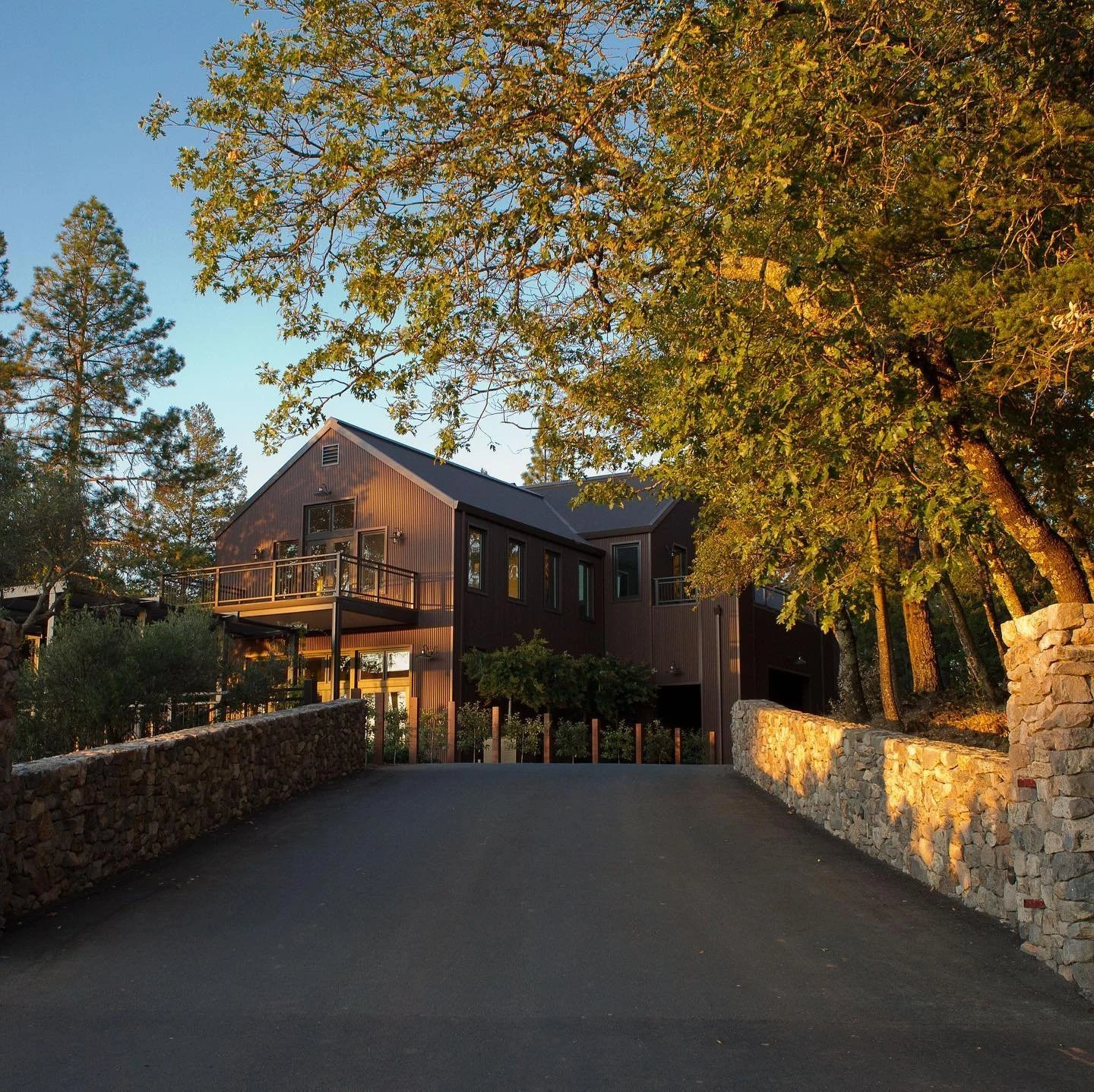
Tastings at Howell Mountain estates, including Arkenstone, are by appointment rather than walk-in. The drive up from the valley floor takes approximately 30 to 45 minutes depending on starting point, and the roads narrow considerably above the 1,200-foot line. Plan the visit around morning or early afternoon to take advantage of the light and avoid driving mountain switchbacks after an afternoon of tasting. Booking through the winery's website is the standard approach for new visitors.
Questions
Frequently asked
How expensive is Arkenstone Winery?
Arkenstone Winery is listed at a price level of $$$.
The field
How it compares
| Place | Notes | Awards |
|---|---|---|
| Arkenstone Winery | Angwin, $$$ | · |
| BOND Winery | Napa | · |
| Harlan Estate | Napa | · |
| Hundred Acre | Napa | · |
| Joseph Phelps Vineyards | Napa | World's 50 Best |
| Scarecrow | Napa | · |
| Screaming Eagle | Napa | · |