Spontaneous fermentation in 500-liter wood
- Falstaff Winery - Listed · 2026
Since 2003, one hand on the rows
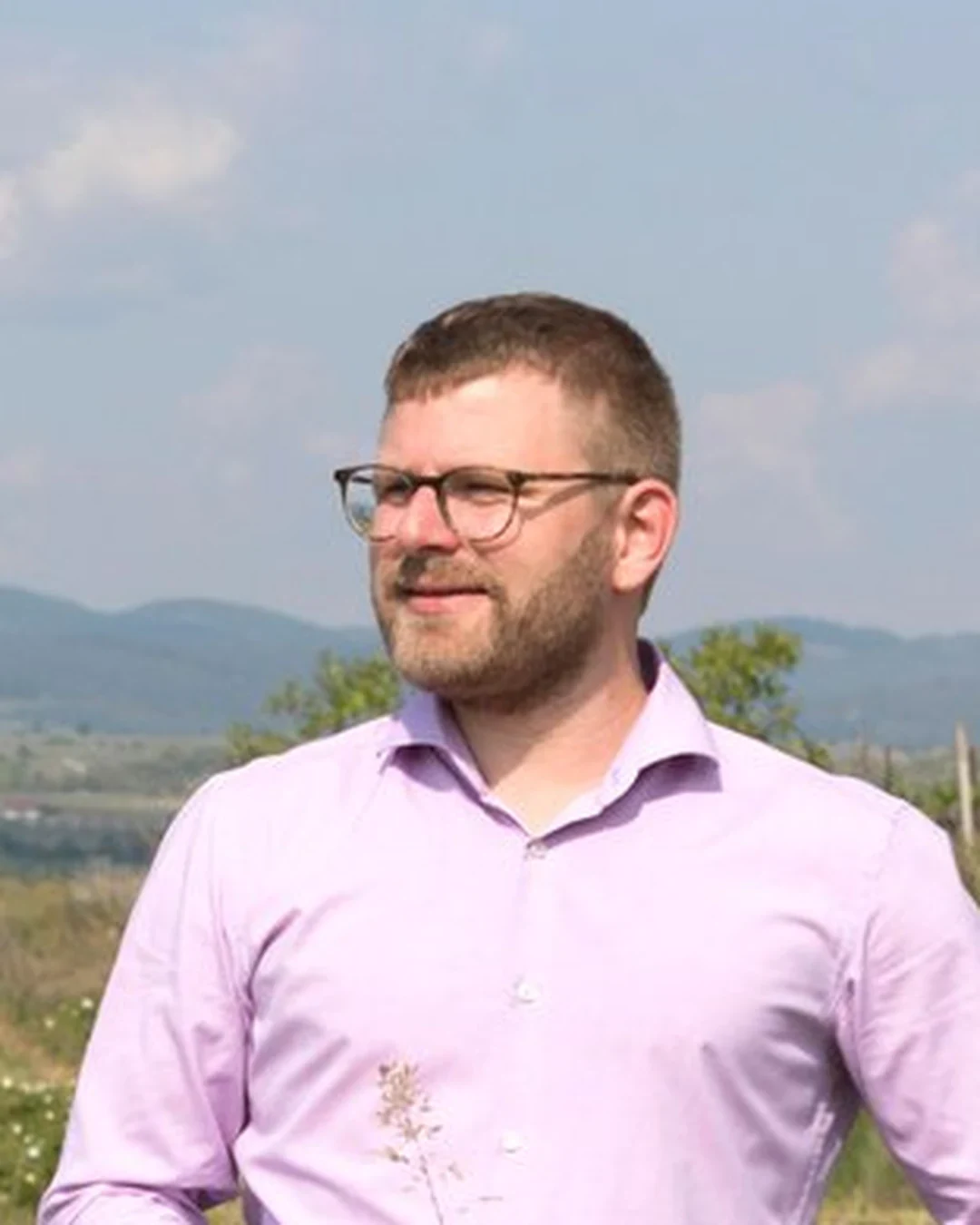
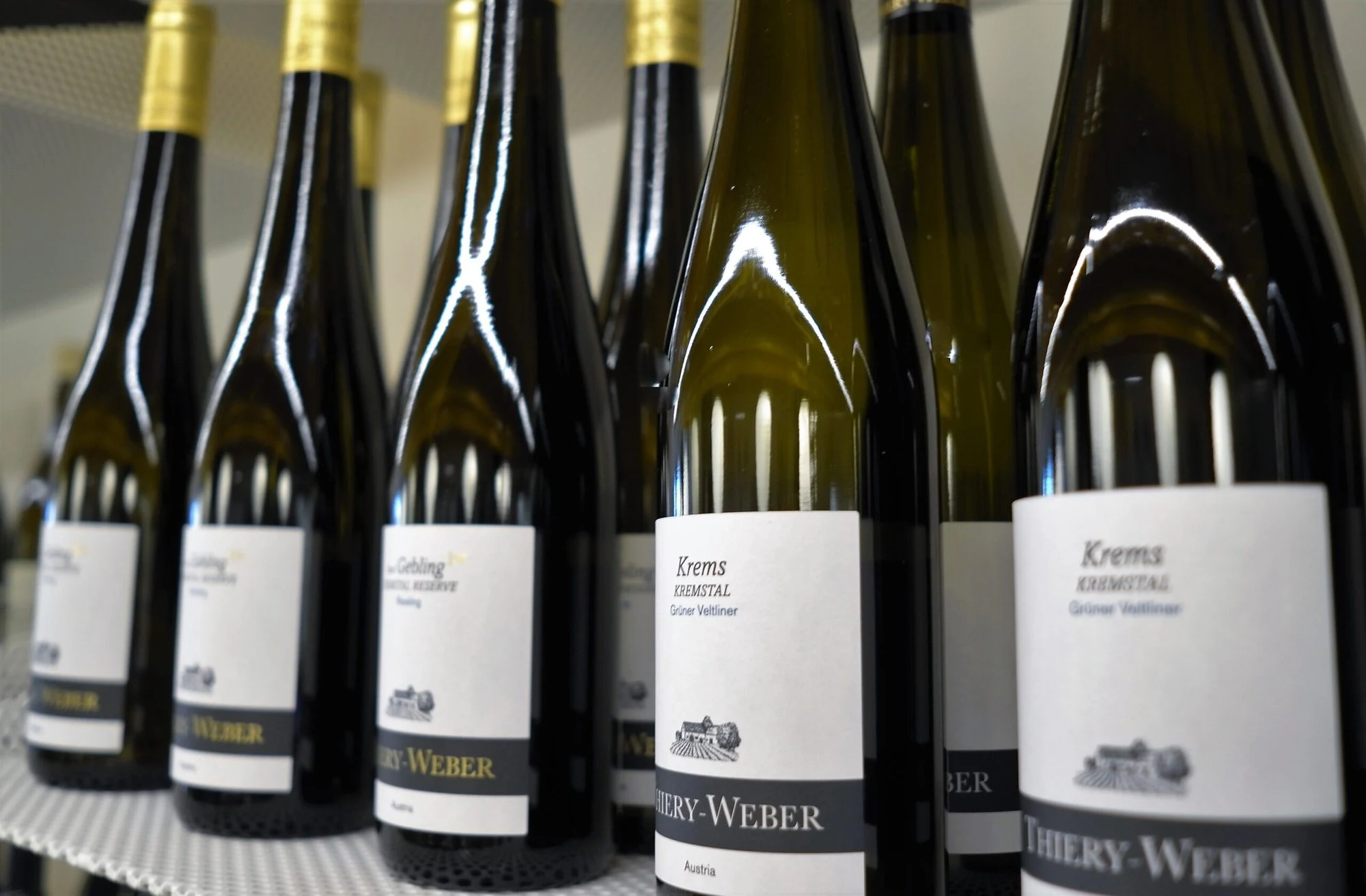
Artur Toifl tastes for grip before the wine leaves wood; as winemaker at Artur Toifl in Rohrendorf Bei Krems, he keeps the cellar close to the rows. Artur Toifl began his independent work here in 2003, then took over management of the former Thiery-Weber family estate in 2005 and acquired full ownership in 2020. The place remains family-scaled, with his aunt Maria and uncle Erich Weber part of the estate’s working life from the beginning. That continuity matters in Kremstal, where a maker learns a site by repeating the same seasonal questions and accepting different answers.
Toifl calls the wines “Weine mit Handschrift,” wines with a signature. The phrase fits the scale of the estate and the way he has described his own requirements for the craft: openness, curiosity, spontaneity, and trust in the original. His vineyard work has followed biologically organic principles since 2010, without the estate presenting itself as certified organic. The discipline is practical rather than declarative. In the Lindobel rows, the hand is there to keep the fruit legible.
Lindobel loess, Gebling stone
The core of the program sits in Riede Lindobel, where old Grüner Veltliner vines, about 30 years old, root into deep, meter-thick loess. That soil holds moisture and gives the wines the local register Toifl works toward: Schmelz, Würze, a mineral and citrus line, and enough body to carry the fruit without weight becoming the point. Grüner Veltliner anchors the cellar, with Riesling, Chardonnay and Furmint extending the conversation across Kremstal DAC and site bottlings.
Toifl’s cellar method keeps intervention low but not vague. He favors spontaneous fermentation in wooden barrels and ages wines in 500-liter wood, a size that can give shape without covering the fruit. In 2019 he planted Furmint on Gebling, Rohrendorf’s highest site, where conglomerate rock lies under a thin loess overlay. Furmint has been permitted for Austrian quality wine since 1987, but it remains a narrow path here. Toifl treats it as an experiment with a local footing, not a novelty.
The cellar stays quiet
The estate has the pace of a small Kremstal house rather than a polished tourism address. The tasting room feels close to the vineyard, and the cellar work keeps that same scale: wood, white varieties, old vines, and a maker willing to let the site set the tempo. Rohrendorf’s Lindobel gives breadth; Gebling gives a harder mineral edge. Between them, Toifl works the long way, with patience in the rows and restraint in the cellar.
Recent releases keep the focus plainly on site and variety: Riesling Rohrendorf Kremstal DAC 2024, Chardonnay “Julias Reserve” 2023, and the continuing Furmint from Gebling. If the estate’s next chapter has a name already in the glass, it is that planted parcel on Gebling.
Questions
Frequently asked
Who is behind Artur Toifl?
Artur Toifl is the winemaker and owner behind the winery in Rohrendorf bei Krems. He began independent work there in 2003, took over management of the former Thiery-Weber family estate in 2005, and acquired full ownership in 2020.
What is the estate known for?
The winery works with old vines, spontaneous fermentations, and wood, with a focus on site and variety. Its wines are described by Toifl as “Weine mit Handschrift,” and the cellar program is built around Grüner Veltliner, Riesling, Chardonnay, and Furmint.
What kind of vineyard work does Artur Toifl follow?
The vineyard work has followed biologically organic principles since 2010, although the estate is not presented as certified organic. The approach is practical and keeps the fruit and site legible rather than heavily intervened with.
What should visitors know about booking and parking?
Visits are by appointment only. Parking is on the street.
The field
How it compares
| Place | Notes | Awards |
|---|---|---|
| Artur Toifl | Rohrendorf bei Krems, $$ | · |
| Dreifaltigkeitskellerei | Rohrendorf Bei Krems | · |
| Viña Montes | Santa Cruz | World's 50 Best |
| Weinbau Fritz Rosenberger | Rohrendorf Bei Krems | · |
| Weinbau Puchinger | Rohrendorf Bei Krems | · |
| Weingut Familie Kohl | Rohrendorf Bei Krems | · |
| Weingut Franz Mittelbach | Rohrendorf Bei Krems | · |