Made ByRestaurant
Auberge Saint-Laurent
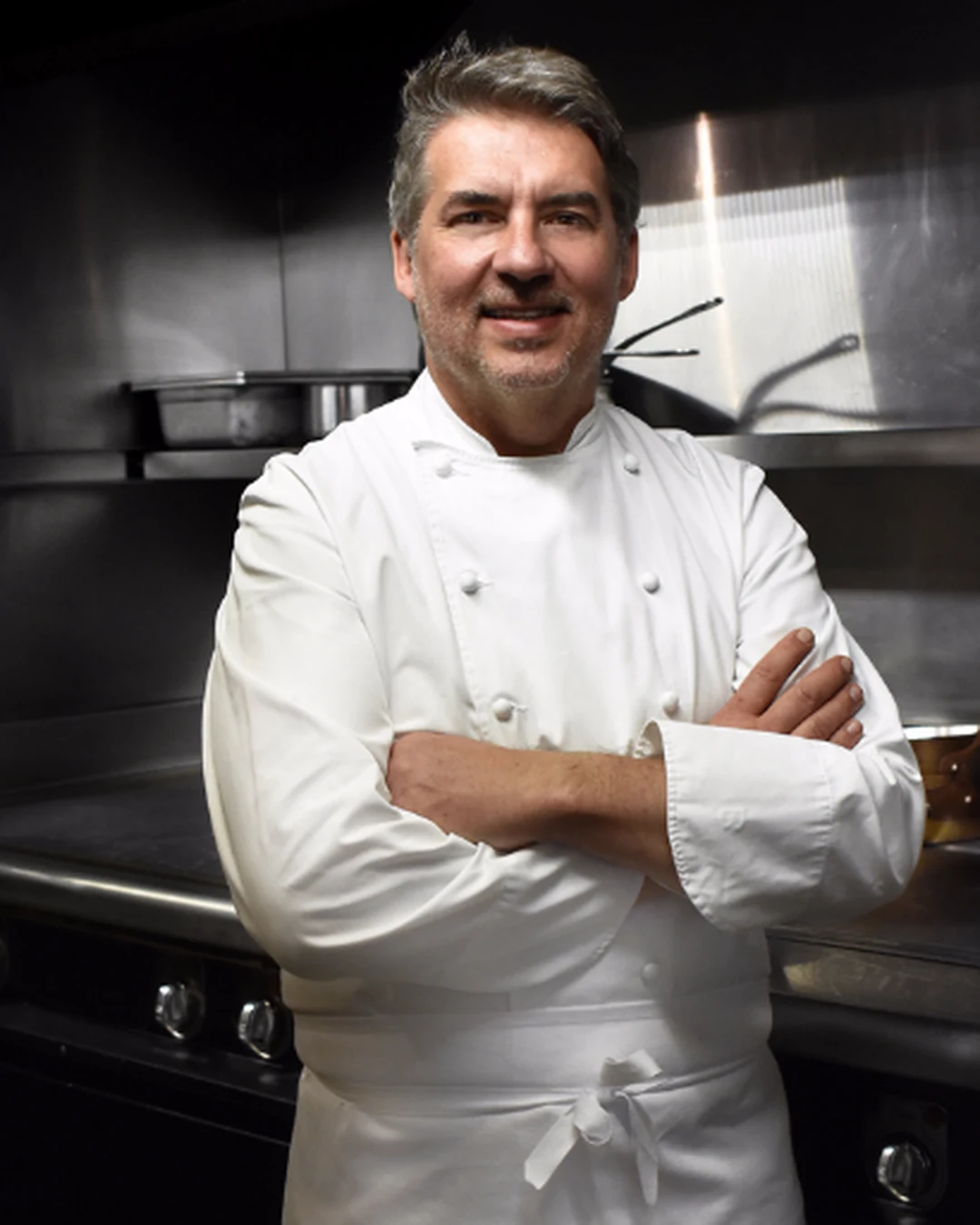
Chef in Residence
Alain Llorca
Chef
- 01CuisineModern French Alsatian Fine Dining
- 02CitySierentz, France
- 03RecognitionOne Michelin Star
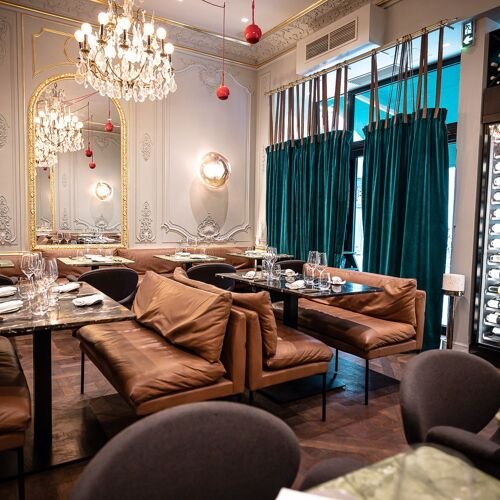
A Michelin-starred address in the Alsatian village of Sierentz, Auberge Saint-Laurent holds a Remarkable category rating alongside consecutive Michelin stars in 2024 and 2025. Chef Alain Llorca brings a career shaped by France's most demanding kitchens to a setting that balances provincial quietude with precise modern technique. Rated 4.7 across nearly 1,000 Google reviews, this is among the most credentialled tables in the Upper Rhine region.
- 1 Michelin Star
At a glance
- Cuisine
- Modern French Alsatian Fine Dining
- Price
- $$$
- Neighborhood
- Sierentz
- Rating
- 4.7 (984)
<h2>A Village Address With Serious Culinary Credentials</h2><p>Auberge Saint-Laurent is a one-star Michelin restaurant in Sierentz, France, where chef Alain Llorca leads a Modern French Alsatian Fine Dining kitchen at the €€€€ price tier. The village of Sierentz sits in the southern tip of Alsace, a few kilometres west of the Rhine and close enough to the Swiss and German borders that the region has always absorbed influences from three culinary traditions. The stone facades and fountain squares of this kind of Alsatian village suggest slower rhythms, which makes the arrival of a Michelin-starred table all the more instructive. France's decorated restaurant circuit is not confined to Paris arrondissements or Alpine resort towns. A pattern runs through the country's gastronomic geography: serious kitchens surface wherever a chef with sufficient formation chooses to plant one, and the address, however quiet, acquires weight through the work itself.</p><p>Auberge Saint-Laurent, at 1 Rue de la Fontaine, operates precisely within that pattern. Its Michelin star and Remarkable category designation confirm a kitchen that the guide considers stable, not emergent. A Google rating of 4.7 across 984 reviews adds another layer. For context on what a sustained single star means in the French system, it places Auberge Saint-Laurent in recognisable company with decorated provincial addresses like <a href="https://www.enprimeurclub.com/restaurants/auberge-de-lill-illhaeusern-restaurant">Auberge de l'Ill in Illhaeusern</a> and <a href="https://www.enprimeurclub.com/restaurants/au-crocodile-strasbourg-restaurant">Au Crocodile in Strasbourg</a>, both anchored in the same regional corridor.</p><h2>Chef Alain Llorca and the Formation Behind the Cooking</h2><p>The editorial angle that makes Auberge Saint-Laurent worth understanding is not simply what it serves but the trajectory that produced its current kitchen. Chef Alain Llorca's career belongs to a particular generation of French chefs whose formation ran through multi-starred houses before they established their own addresses. That kind of training leaves marks on a cooking style: precision in timing, a structural approach to flavour, and an instinct for when classical technique needs to be respected rather than subverted.</p><p>The broader French chef circuit has seen significant movement over the past two decades, with names associated with the Côte d'Azur, the Alps, and the grand Parisian brasseries now appearing in smaller regional contexts. Llorca's association with high-level modern French cuisine places him in a peer conversation that reaches beyond Alsace. Comparable ambitions in the modern French idiom can be found at addresses like <a href="https://www.enprimeurclub.com/restaurants/flocons-de-sel-megeve-restaurant">Flocons de Sel in Megève</a> or <a href="https://www.enprimeurclub.com/restaurants/mirazur-menton-restaurant">Mirazur in Menton</a>, though each operates in a distinct regional and stylistic register. Llorca's choice to work in Sierentz rather than a higher-profile urban address is itself a statement: the kitchen is the point, not the postcode.</p><p>Classification as Modern French Alsatian Fine Dining at the €€€€ price tier means the menu operates at the upper bracket of the French provincial fine dining range. At this level, comparable in pricing terms to three-star rooms like <a href="https://www.enprimeurclub.com/restaurants/alleno-paris-au-pavillon-ledoyen-paris-restaurant">Alléno Paris au Pavillon Ledoyen</a> or <a href="https://www.enprimeurclub.com/restaurants/assiette-champenoise-reims-restaurant">Assiette Champenoise in Reims</a>, the expectation is that technique and ingredient sourcing meet at every cover, not just on the signature courses. The €€€€ designation at a one-star Alsatian table is a signal worth noting: this kitchen prices against ambition, not against local market rates.</p><h2>The Alsatian Context and What It Adds</h2><p>Alsace has a distinct position in French fine dining that goes beyond its famous rieslings and choucroute. The region's restaurants have historically occupied a middle ground between Germanic thoroughness and French refinement, and the leading kitchens here have long drawn on both traditions without treating either as a constraint. The proximity to Basel and Freiburg means that diners at addresses like Auberge Saint-Laurent often arrive from across the tri-border area, which in turn pushes the kitchen to perform against an international rather than purely regional expectation.</p><p>Modern Alsatian fine dining has moved away from the heavy game-and-foie-gras templates of the 1980s and 1990s. The better kitchens in the region now apply contemporary technique to local produce, river fish, forest ingredients, orchard fruit, while maintaining the structural discipline that the region's gastronomic heritage demands. In that context, a Michelin-starred modern cuisine address in Sierentz is not an anomaly; it is a continuation of a regional tradition that also produced multi-starred monuments like the <a href="https://www.enprimeurclub.com/restaurants/auberge-de-lill-illhaeusern-restaurant">Auberge de l'Ill</a>, one of France's longest-running decorated tables.</p><p>For visitors building a broader Alsatian food itinerary, the region's dining options range well beyond fine dining. <a href="https://www.enprimeurclub.com/restaurants/winstub-a-cote-sierentz-restaurant">Winstub À Côté in Sierentz</a> provides regional cuisine in a less formal register within the same village, and the contrasts between the two formats illustrate the range of serious Alsatian eating that a single small town can support.</p><h2>Placing Auberge Saint-Laurent in the Modern French Fine Dining Field</h2><p>The modern cuisine category covers a wide range of approaches in France, from the hyper-technical creative kitchens of Paris to quieter, more ingredient-focused addresses in the provinces. What separates the addresses that sustain Michelin recognition over multiple consecutive years, as Auberge Saint-Laurent has done, from those that earn and then lose stars is consistency of execution rather than novelty of concept.</p><p>The comparison set for a provincial modern cuisine table at €€€€ and one star includes houses with very different public profiles. <a href="https://www.enprimeurclub.com/restaurants/bras-laguiole-restaurant">Bras in Laguiole</a> built its reputation on a deep engagement with Aubrac terroir. <a href="https://www.enprimeurclub.com/restaurants/troisgros-le-bois-sans-feuilles-ouches-restaurant">Troisgros in Ouches</a> operates through a multi-generational family narrative. <a href="https://www.enprimeurclub.com/restaurants/am-par-alexandre-mazzia-marseille-restaurant">AM par Alexandre Mazzia in Marseille</a> works in an urban but unconventional register. Each has found its own grammar within the modern French frame. Auberge Saint-Laurent's grammar appears to be one of precision and restraint in a provincial setting, with the chef's formation providing the technical foundation and the Alsatian address providing the produce logic.</p><p>For international comparison, the modern cuisine category at this level shares structural ambitions with addresses like <a href="https://www.enprimeurclub.com/restaurants/frantzen-stockholm-restaurant">Frantzén in Stockholm</a> or its export format <a href="https://www.enprimeurclub.com/restaurants/fzn-by-bjorn-frantzen-dubai-restaurant">FZN by Björn Frantzén in Dubai</a>, though those kitchens operate at a different scale and star level. The comparison is useful not to rank but to calibrate: the modern cuisine format that earns Michelin recognition in 2025 requires genuine technical depth regardless of whether the address is a European capital or a French village of under 2,000 residents.</p><p>A monument in a different register is <a href="https://www.enprimeurclub.com/restaurants/paul-bocuse-lauberge-du-pont-de-collonges-collonges-au-mont-dor-restaurant">Paul Bocuse's Auberge du Pont de Collonges in Collonges-au-Mont-d'Or</a>, which represents the apex of the grand provincial French auberge tradition. Auberge Saint-Laurent sits in a younger, more technically contemporary version of that model.</p><h2>Planning a Visit</h2><p>Sierentz is accessible from Basel-Mulhouse-Freiburg airport, which serves the tri-border region and sits within a short drive of the village. At the €€€€ tier with a Michelin star and a well-reviewed reputation, reservations are recommended.</p>
Know before you go
- Dress code
- smart_casual
- Reservations
- recommended
- Parking
- on_site_lot
- Payment
- credit_card
- Accessibility
- wheelchair_accessible
- Outdoor seating
- Yes
- Children
- Welcomed
Frequently asked
Is Auberge Saint-Laurent a family-friendly restaurant?
Auberge Saint-Laurent is a formal fine dining address at the €€€€ price point, holding a Michelin star in both 2024 and 2025. The setting in a village auberge in Sierentz leans toward a considered, unhurried dining experience rather than a casual or child-oriented one. Families with older children who are comfortable in a structured fine dining environment will find it manageable; it is not suited to young children or informal gatherings.
What should I expect atmosphere-wise at Auberge Saint-Laurent?
Sierentz is a small Alsatian village near the Rhine and the Swiss and German borders, and the auberge format reflects that: quieter and more intimate than a Paris dining room, with a regional character that distinguishes it from urban fine dining. The Michelin recognition over consecutive years signals a level of service and consistency that goes well beyond a neighbourhood restaurant. Arrive expecting a composed, place-specific atmosphere rather than theatrical showmanship.
What distinctions does Auberge Saint-Laurent have?
Auberge Saint-Laurent has received recognition including: Category: Remarkable; Michelin 1 Star (2025); Michelin 1 Star (2024).
What's the best thing to order at Auberge Saint-Laurent?
No current menu is confirmed in our data, so specific dish recommendations would be speculation. What the Modern Cuisine classification and Chef Alain Llorca's position in a Michelin-starred kitchen do suggest is a menu shaped by regional Alsatian produce and technique. The tasting menu format, standard at €€€€ Michelin-level addresses in this region, is typically the most coherent way to understand what the kitchen is doing at any given time.
Address
1 Rue de la Fontaine, 68510 Sierentz, France
Sierentz
How it compares
- Cuisine
- Modern French Alsatian Fine Dining
- Price
- $$$
- Awards
- Michelin 1 Star
- Notes
- Sierentz
Winstub À Côté
- Cuisine
- Modern Alsatian Winstub
- Price
- $$
- Awards
- Michelin Bib Gourmand
- Notes
- Sierentz
- Cuisine
- Alsatian Winstub
- Price
- $$
- Awards
- —
- Notes
- Sierentz
- Cuisine
- Vietnamese Street Food
- Price
- $$
- Awards
- —
- Notes
- Sierentz
- Cuisine
- Modern French Gastronomic with Alsatian Influences
- Price
- $$$
- Awards
- Michelin 1 Star
- Notes
- Wihr-au-Val
- Cuisine
- Modern French Fine Dining
- Price
- $$$
- Awards
- Michelin 1 Star
- Notes
- Drusenheim
In residence
Similar places
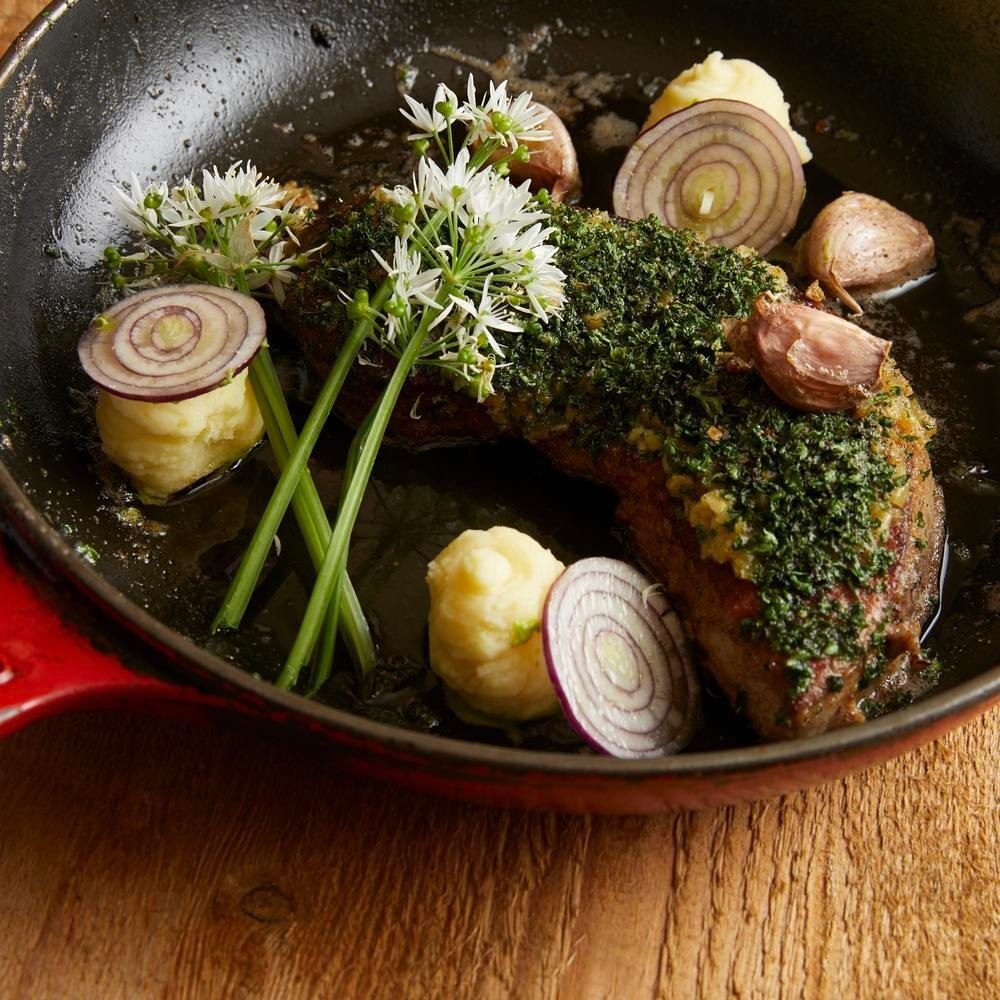
Modern Alsatian Winstub
Winstub À Côté
Sierentz, France
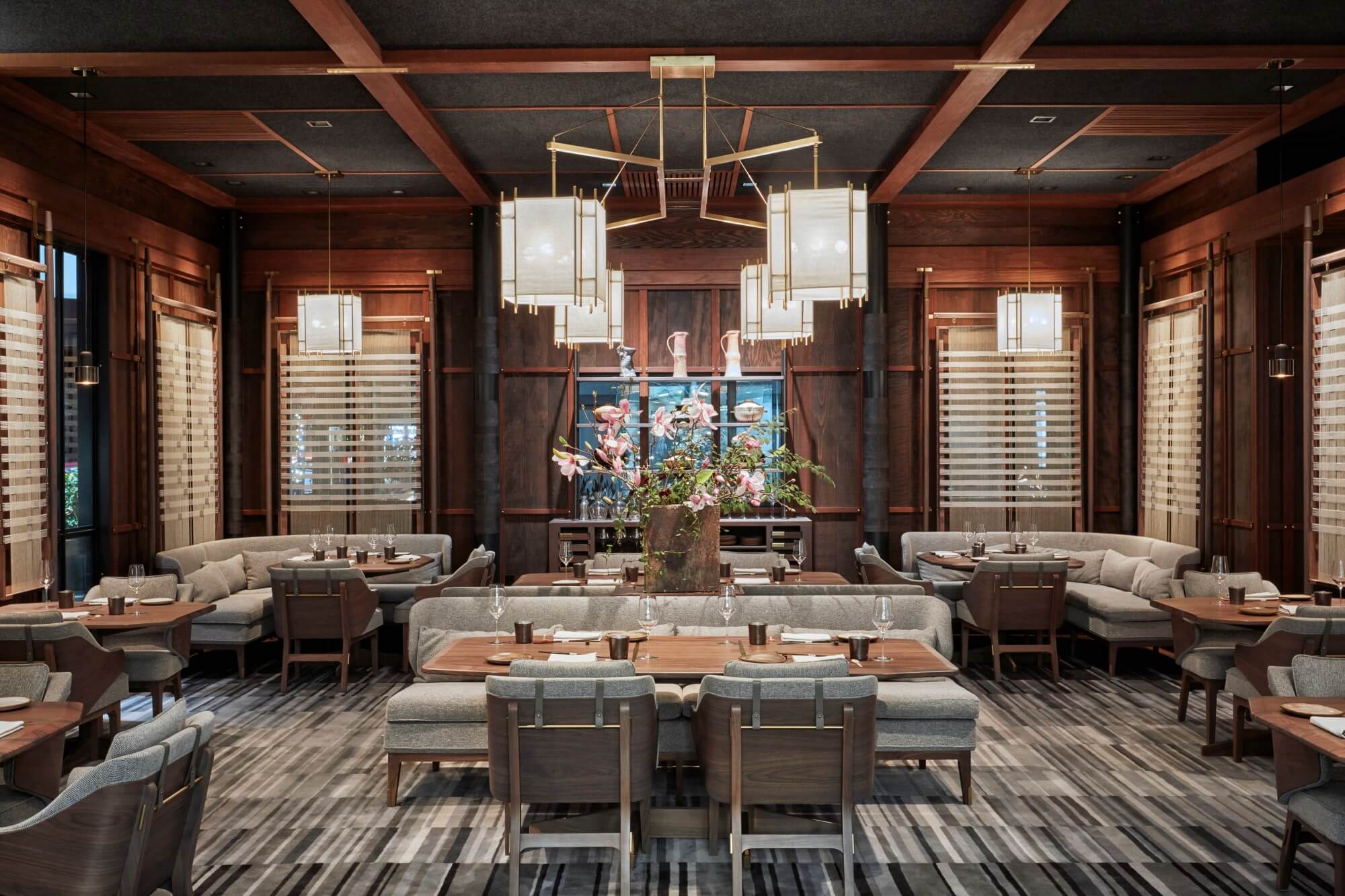
Japanese-influenced Californian Kaiseki
Single Thread Farm
Healdsburg, United States
★★★ · 50 Best
French Seafood Fine Dining
Le Bernardin
New York City, United States
★★★ · 50 Best
Modern Korean Tasting Menu
Atomix
New York City, United States
★★ · 50 Best
French
Sézanne
Tokyo, Japan
★★★ · 50 Best
Contemporary Plant-Based Fine Dining
Eleven Madison Park
New York City, United States
★★★ · 50 Best