
Indigenous yeast, Bolgheri fruit
- Falstaff Winery - Listed · 2026
Indigenous yeast at Le Fornacelle
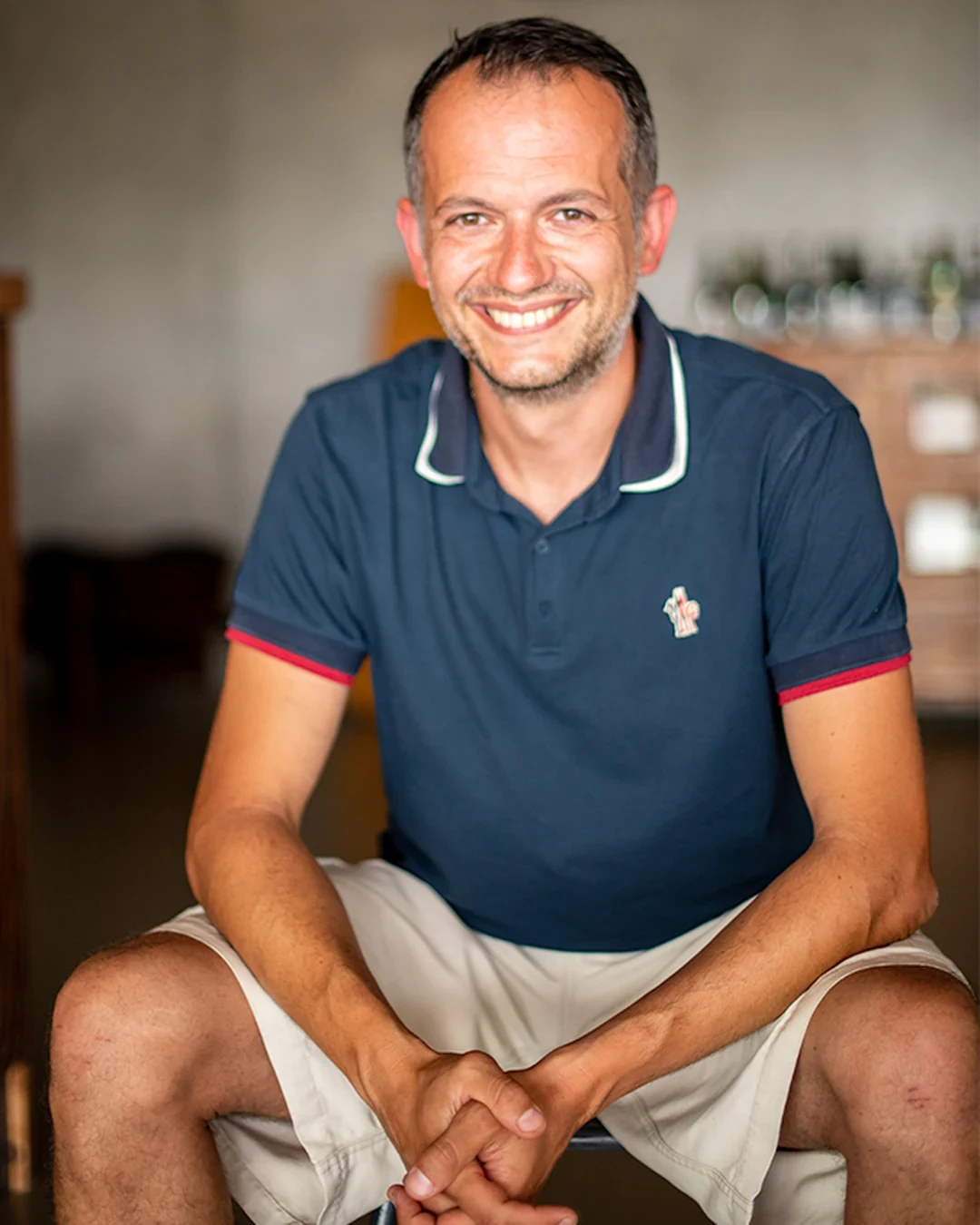
The fermentations begin with indigenous yeasts, not a purchased culture. At Azienda Agricola Fabio Motta in Livorno, Fabio Motta works as winemaker from the Le Fornacelle estate near Castagneto Carducci, keeping the cellar tied to the vineyards around it. He founded the house in 2009 and has kept his own name on the bottles, a plain declaration in a zone where the address matters as much as the label. His apprenticeship ran through Michele Satta’s cellar for five years, after agronomy studies and before the first parcels became his own. That lineage is useful because Bolgheri rewards confidence, but punishes excess. Motta’s route has been the long way: vineyard, cellar, bottle, repeated under one roof rather than assembled from scattered roles. The public shape of the estate is compact. One founder, one agricultural business, one continued station. The wines named most closely with him, Le Gonnare, Pievi, Le Pievi and Lo Scudiere, make the framework legible without turning it into a range for its own sake.
A Bolgheri cellar kept close to the vineyard
The method here starts before the cellar, with estate-owned fruit and biodynamic farming in the foothills below Castagneto Carducci. The original Le Pievi vineyard is 4 hectares, set in a position suited to red production, and the wider planting follows Bolgheri’s grammar of Merlot, Syrah, Sangiovese and Vermentino, with Cabernet Sauvignon also part of the red blends. In the cellar, Motta relies on spontaneous fermentation, avoids fining and filtering, and lets the work stay close to the material he brought in from the rows. Le Gonnare, the Bolgheri Superiore DOC, carries the clearest measure of the barrel program: 70% Merlot and 30% Cabernet Sauvignon, with 18 months in barrique. Those figures say more than adjectives can. The barrique is not decorative; it is a chosen tool, weighed against fruit, structure and the coastal tension that Bolgheri can hold when the hand does not press too hard.
The room around the wine
The estate sits in Le Fornacelle, in the Castagneto Carducci area, with vineyard work and vinification held on site rather than separated into a public performance and a hidden production space. The feeling is quiet, small, and agricultural. The cellar serves the fruit. The tasting room belongs to that same scale, intimate rather than theatrical, with the wines carrying the conversation back to the slopes and sea air outside. This is not a house built around spectacle. Its luxury is concentration: a few cuvées, a fixed place, and a maker who has stayed with the same problem long enough to refine it without disguising it. In July 17, 2024, Agricole Gussalli Beretta acquired a majority stake in the winery; Motta stated that the style and care of the wines would remain unchanged, with greater attention to detail and to Bolgheri’s territorial nuance. For now, the clearest proof remains in Le Gonnare.
Questions
Frequently asked
Who makes the wines at Azienda Agricola Fabio Motta?
Fabio Motta is the winemaker and founder. He started the house in 2009 after an apprenticeship in Michele Satta’s cellar and agronomy studies, and he has kept the estate tied to the Le Fornacelle vineyards near Castagneto Carducci.
What kind of wines does the estate produce?
The wines are Bolgheri wines made from estate-owned fruit, with the wider planting following Bolgheri’s mix of Merlot, Syrah, Sangiovese, Vermentino and Cabernet Sauvignon. The wines named most closely with the estate are Le Gonnare, Pievi, Le Pievi and Lo Scudiere.
How are the wines made?
Fermentations begin with indigenous yeasts, and the cellar work uses spontaneous fermentation. Motta avoids fining and filtering, and the estate’s biodynamic farming keeps the work close to the vineyard.
Is the winery open for walk-in visits?
Visits are by appointment only. The estate is compact and intimate rather than theatrical, with tasting and production kept on site at Le Fornacelle in the Castagneto Carducci area.
The field
How it compares
| Place | Notes | Awards |
|---|---|---|
| Azienda Agricola Fabio Motta | Le Fornacelle, $$$ | · |
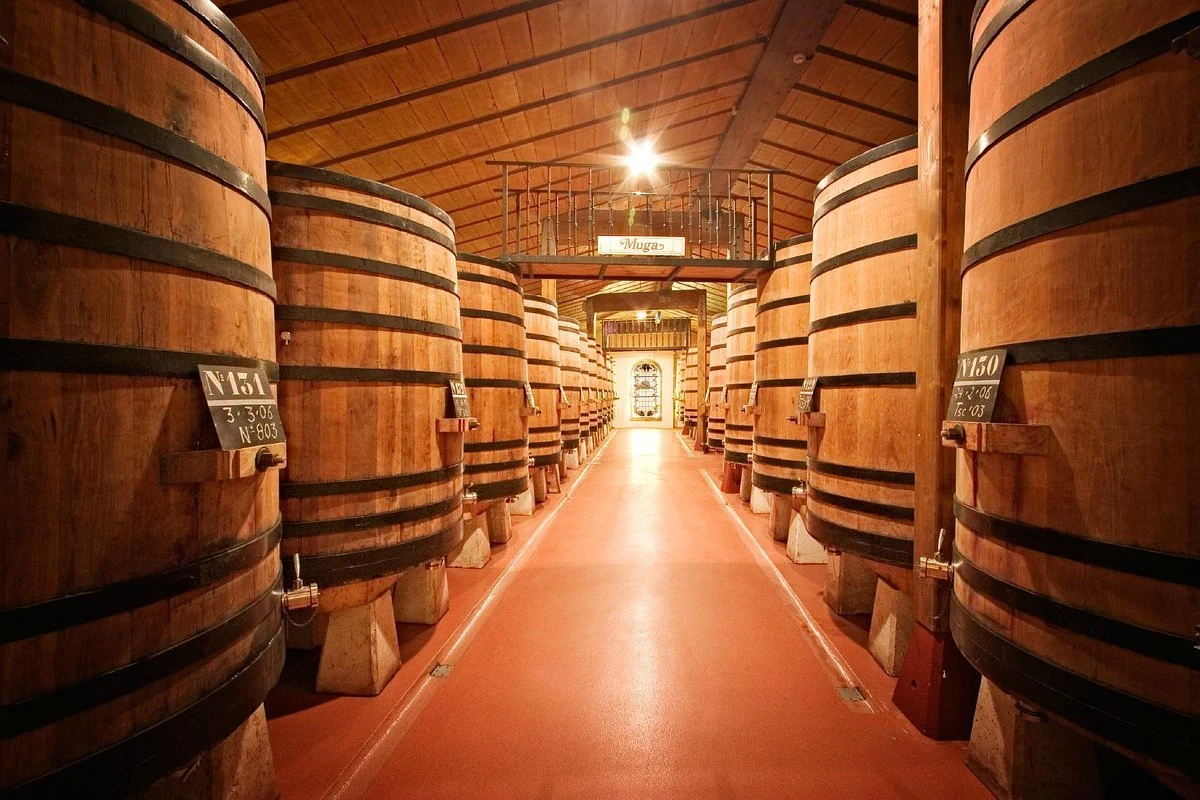
| Bodegas Muga | Haro | World's 50 Best |
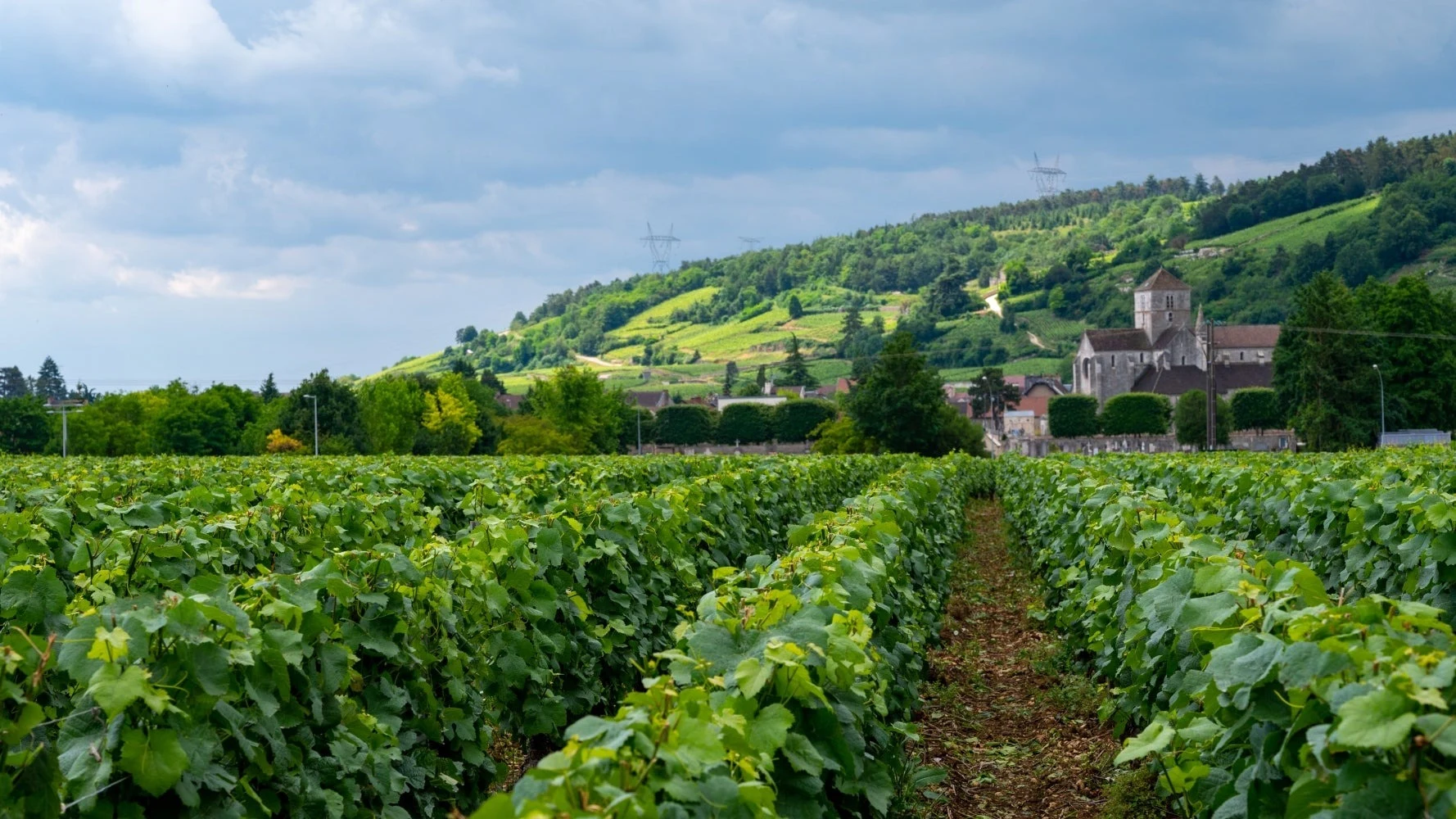
| Domaine Comte Georges de Vogüé | Chambolle-Musigny | · |
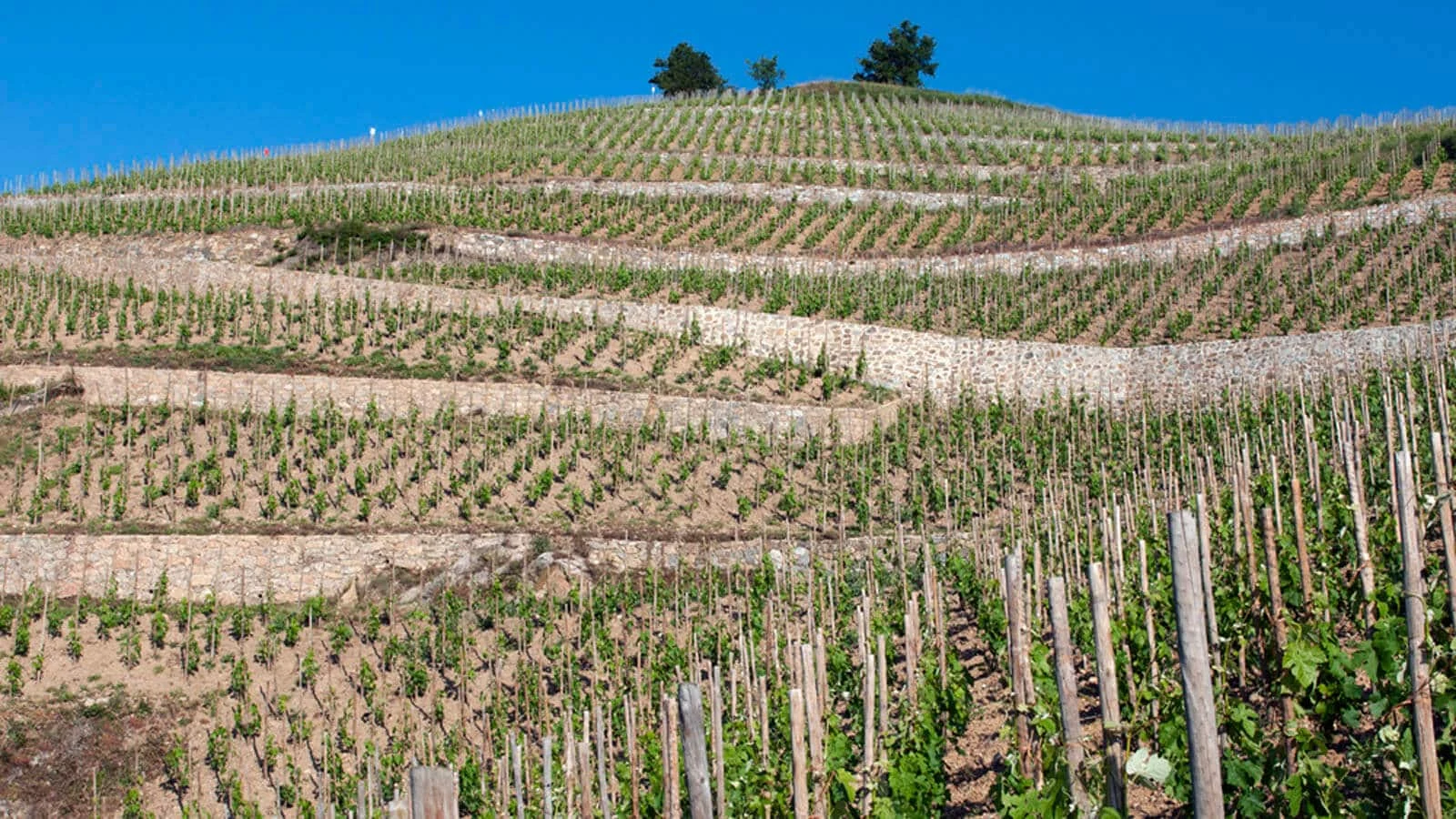
| Domaine Jean-Louis Chave | Mauves | · |
| Fortulla | Livorno | · |
| Fuori Mondo | Livorno | · |
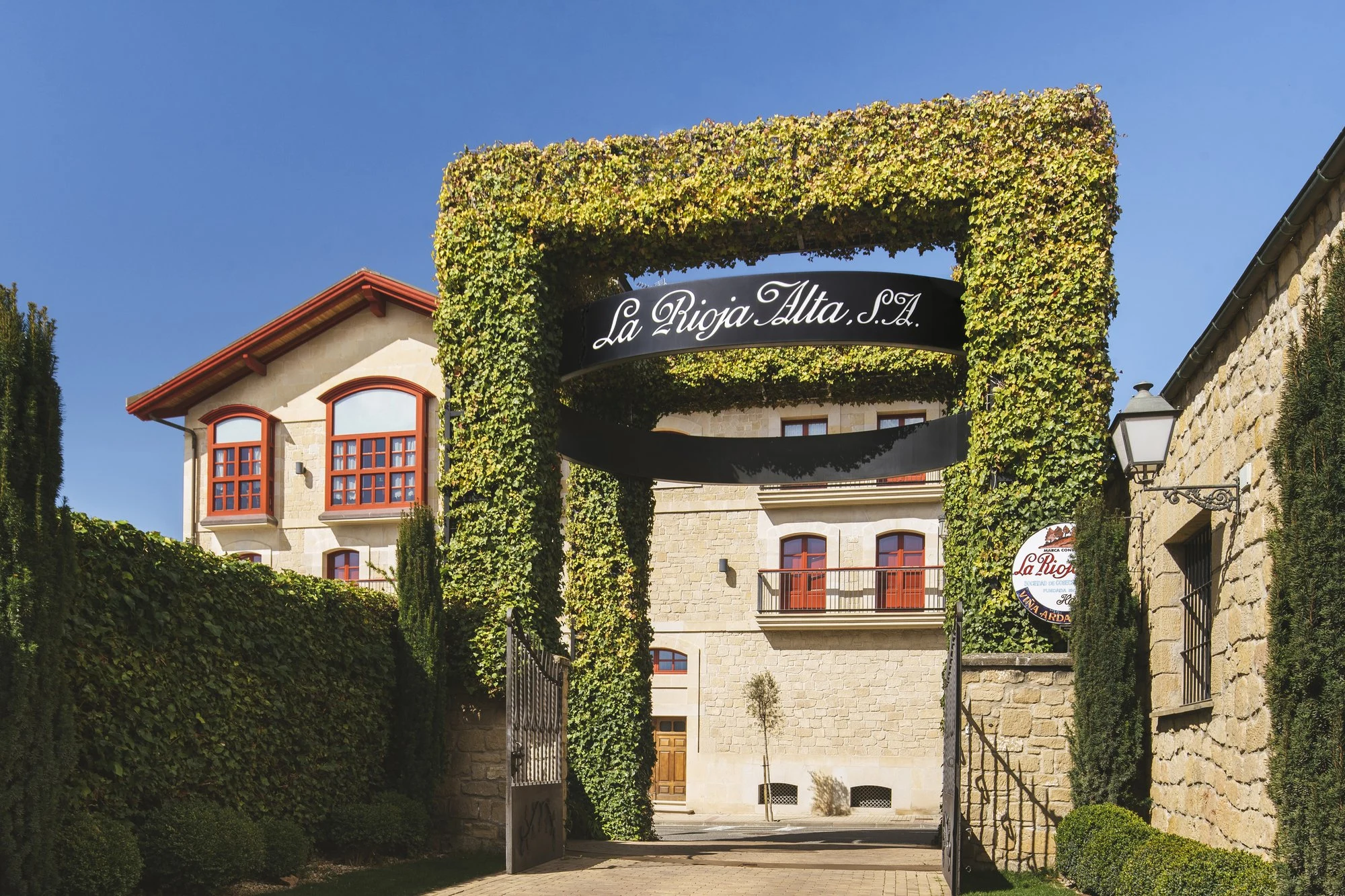
| La Rioja Alta | Haro | · |