Azienda Agricola La Torraccia di Presura
- 01CityGreve in Chianti, Italy
- Falstaff Winery - 2 Stars · 2026
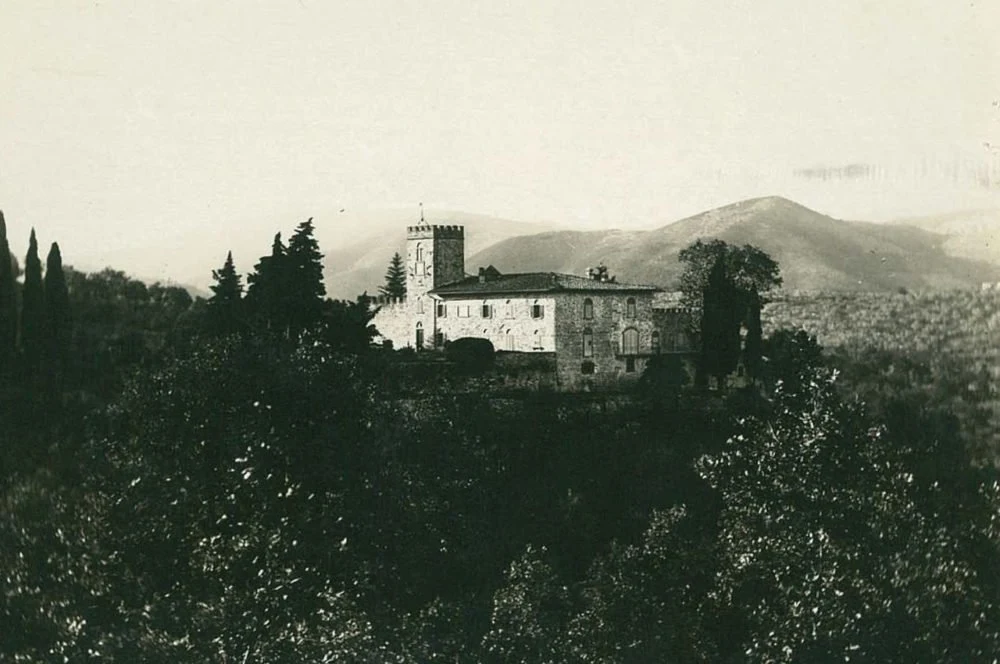
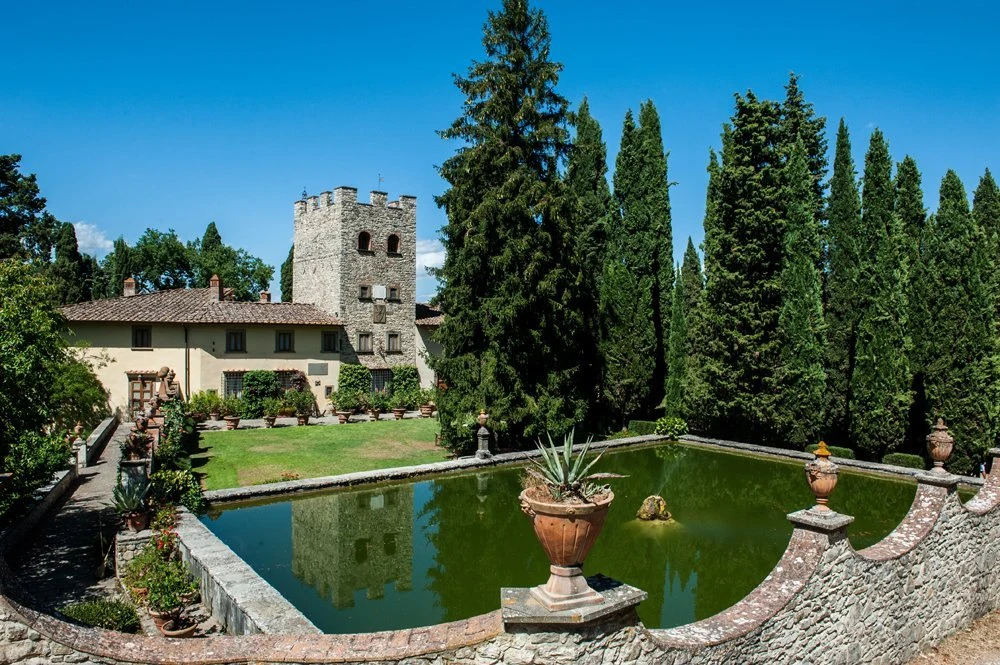
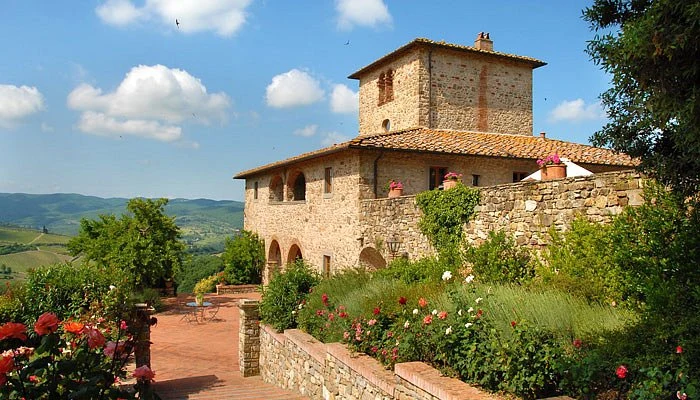
Approaching the Chianti hills around Greve, the visual grammar is agricultural before decorative: vines, olive trees, pine woods and farm buildings. That matters. Chianti Classico makes little sense detached from its slopes, soils and mixed farming culture, and Azienda Agricola La Torraccia di Presura reads as part of that older rural pattern, not a design-led tasting room built for a quick photograph.
The estate dates to 1986, placing it in a modern generation of Chianti Classico producers: old enough to be beyond start-up romance, young enough to reflect the appellation’s late-20th-century push toward cleaner, more precise estate bottling. Its position in Greve in Chianti gives the visit a useful frame. This is Sangiovese country, but not abstractly. The local conversation turns on altitude shifts, limestone and schistous clay soils, day-night temperature swings and the long argument over how much tradition and polish a Chianti Classico should carry.
Sangiovese, galestro and the Greve argument
Chianti Classico’s strongest estates usually make their case through structure rather than volume. In Greve, Sangiovese is expected to hold acidity, tannin and savoury detail without losing Tuscany’s warmth. The area’s galestro and albarese soils are central: they drain well, stress the vine, and can give Chianti Classico the firm line that separates serious bottles from soft tourist reds.
La Torraccia di Presura sits inside that discussion with a portfolio led by Chianti Classico DOCG and Sangiovese, supported by IGT Toscana reds, sparkling wine and Vin Santo. That breadth is common in Tuscany, but revealing. The DOCG wines place the estate inside the denomination’s rules and identity; the IGT reds allow more house choice around blend and ageing; the Vin Santo keeps the estate tied to a Tuscan tradition belonging as much to the farmhouse table as to the cellar.
The clearest trust signal is recognition for individual wines. Il Tarocco Riserva 2010 received a Gold Medal at the AWC Vienna International Wine Challenge 2013, while Il Tarocco Riserva 2012 received a Gold Medal and a Top 3 ranking in the Sangiovese category at the same competition. Lucciolaio IGT 2007 was rated 91 points by Falstaff in 2012. These are not generic accolades; they point to stronger bottlings judged beyond the local hospitality circuit.
Production scale adds context. Around 150,000 to 200,000 bottles a year puts the estate in a middle band: larger than a tiny artisan cellar, smaller than the high-volume labels dominating airport shelves and mass-market wine lists. For visitors, that usually means a tasting can show a working estate’s range rather than one prestige cuvée.
A farmhouse tasting rather than a showroom performance
The hospitality style is rural and low-key. Tastings take place in a restored farmhouse setting, with vineyards, olive groves and pine woods providing more atmosphere than lighting schemes or architectural drama. That restraint suits the wines. Chianti Classico is strongest when the visitor attends to line, freshness and tannic shape, not when the room overwhelms the glass.
The visit format includes standard tastings and vineyard tour-and-tasting options, with Italian and English listed for tours. The estate is set up for groups and outdoor seating, and the tone is casual rather than ceremonial. It suits travellers wanting a grounded Chianti Classico stop: enough structure to understand the wines, enough countryside to feel why the denomination developed here, and no need to treat the experience like fine dining.
Portfolio also gives the tasting practical range. Moving from still red wines into sparkling wine or Vin Santo gives first-time visitors a better map of Tuscan wine culture than reds alone. The region is often reduced to Sangiovese, and Sangiovese deserves attention, but the broader Tuscan table has long made room for aperitif bottles, cellar-aged reds and sweet wine at meal’s end.
For a wider Greve itinerary, keep the winery visit in conversation with the town’s other categories rather than treating it as isolated. The broader area is covered in Our full Greve in Chianti wineries guide, with dining, lodging, drinks and activities mapped separately in Our full Greve in Chianti restaurants guide, Our full Greve in Chianti hotels guide, Our full Greve in Chianti bars guide and Our full Greve in Chianti experiences guide.
How to read the cellar before the countryside takes over
Treat La Torraccia di Presura as a study in Chianti Classico range. Start with the Sangiovese-led identity, then read what the Riserva and Gran Selezione tiers suggest about selection, ageing and ambition. Gran Selezione has become one of the denomination’s main signals for estate-level seriousness, while Riserva remains familiar to drinkers wanting more depth than a standard bottling without leaving the Chianti Classico frame.
The IGT Toscana reds need a different reading. In Tuscany, IGT can mean anything from casual local wine to ambitious bottles outside DOCG rules. Here, it functions as a second register beside the denomination, useful for seeing how the estate handles barrel-aged reds when not speaking only through the Chianti Classico code.
The estate’s countryside setting will pull attention, but the stronger reading lies in the contrast between landscape and bottle. The quiet agriturismo mood explains the visit; the awards for Il Tarocco Riserva and the Falstaff score for Lucciolaio explain why the wines deserve more than a scenic stop. In a region crowded with cellar doors, that combination is the point: a rural Greve estate where hospitality stays relaxed while the better bottles carry enough external recognition to justify focused tasting.
Travellers extending the wine route beyond this estate can use nearby Greve references such as Ambrogio e Giovanni Folonari Tenute, Antico Borgo di Sugame, Basilica Cafaggio, Cafaggio and Candialle as separate planning anchors, not substitutes for the same experience. Wider European and Italian winery browsing can continue through 3GP SRL in Treviso, 47 Anno Domini in Trebaseleghe, A Mano Wine in Noci, »der Steiner« Hans Steiner in Podersdorf am See and & Handwein in Mannheim.
Questions
Frequently asked
How expensive is Azienda Agricola La Torraccia di Presura?
Azienda Agricola La Torraccia di Presura is listed at a price level of $$.
The field
How it compares
| Place | Notes |
|---|---|
| Azienda Agricola La Torraccia di Presura | Chianti Classico, $$ |
| Castello di Querceto | Greve in Chianti |
| Castello di Verrazzano | Greve in Chianti |
| Fontodi | Greve in Chianti |
| Isola delle Falcole | Greve in Chianti |
| Tenuta la Novella | Greve in Chianti |
| Terreno | Greve in Chianti |