Azul Histórico

In Residence
Ricardo Muñoz Zurita
Chef
- 01CuisineTraditional Mexican
- 02CityMexico City, Mexico
- Opinionated About Dining Casual in North America Recommended · 2026
- La Liste Top Restaurants: 76pts · 2026
- Opinionated About Dining Casual in North America Ranked #191 · 2025
- La Liste Top Restaurants: 75.5pts · 2025
- Opinionated About Dining Casual in North America Ranked #399 · 2024
- Opinionated About Dining Casual in North America Recommended · 2023
Fire, Archive, and the Centro Histórico Kitchen
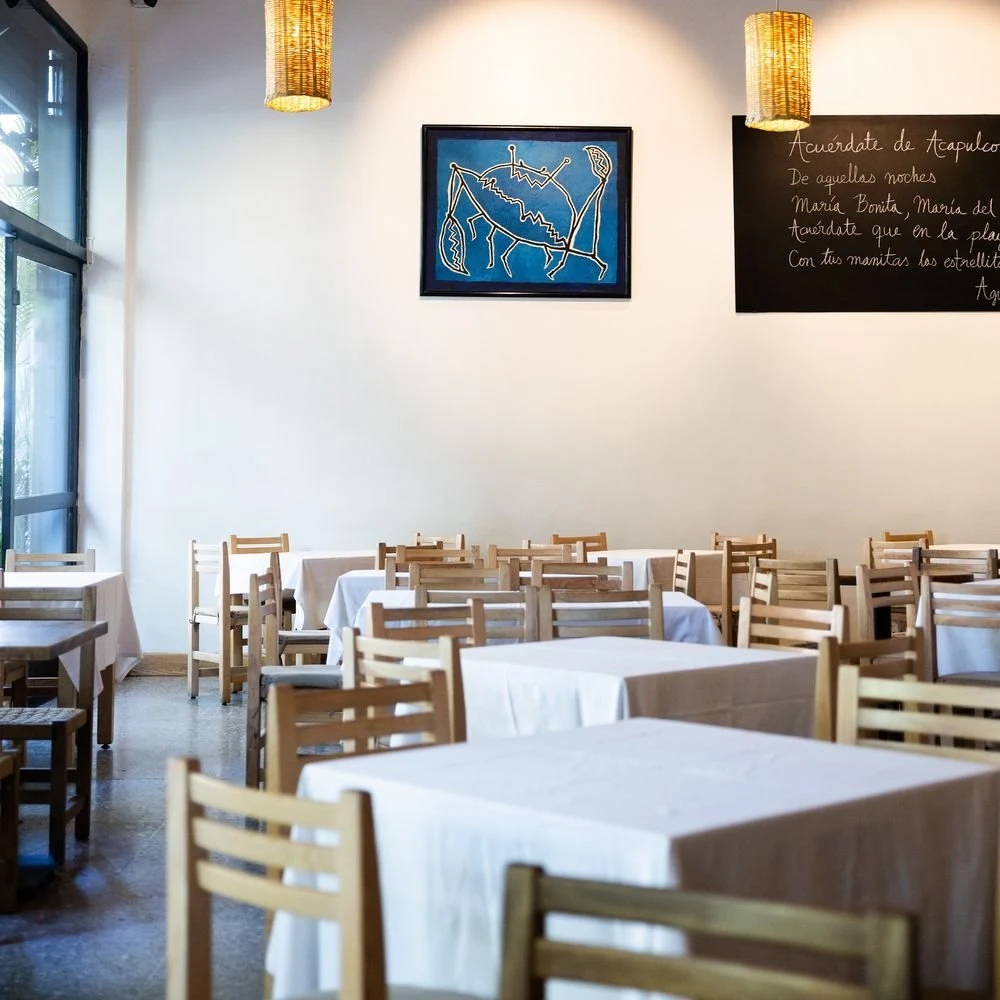
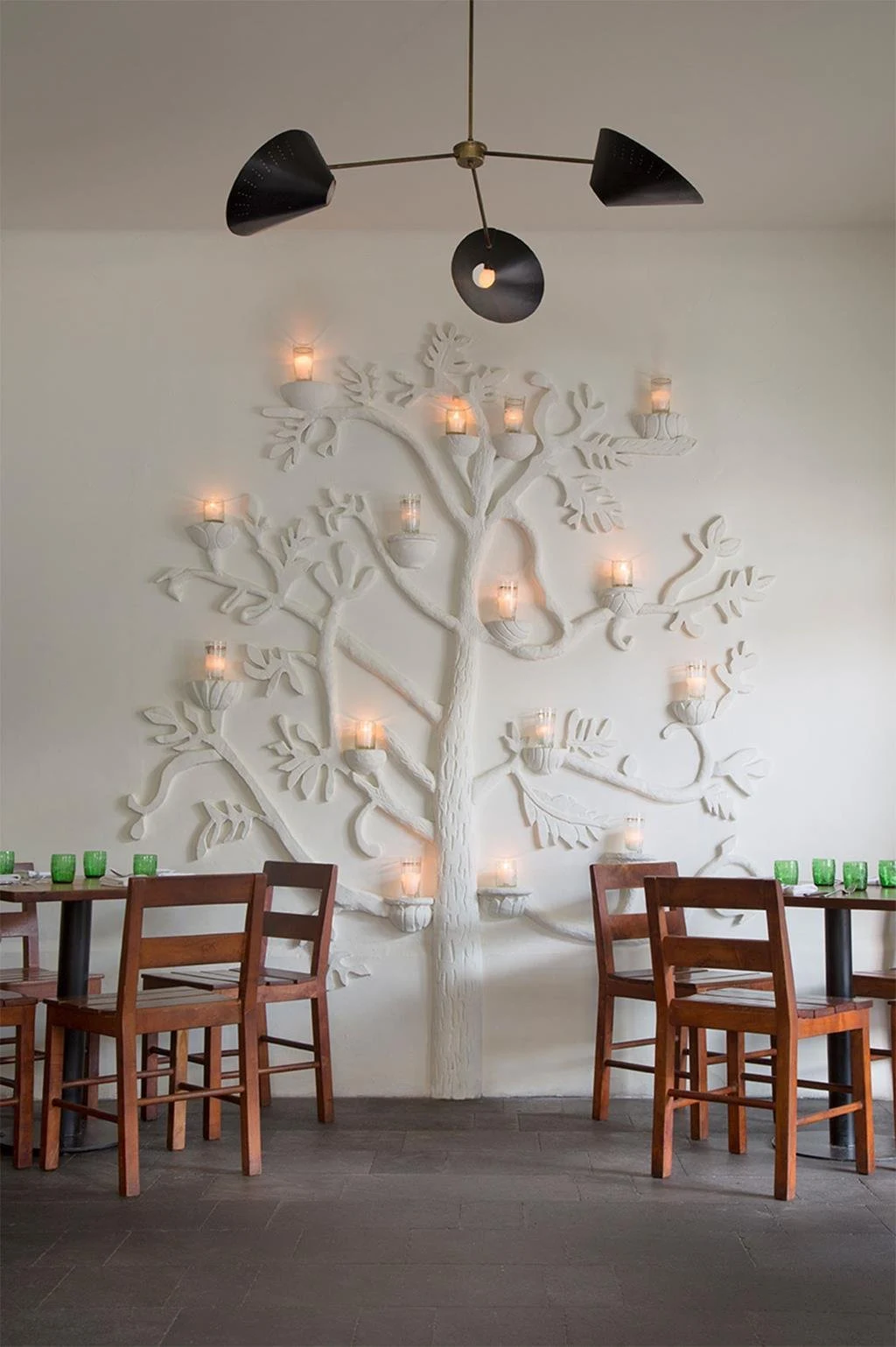
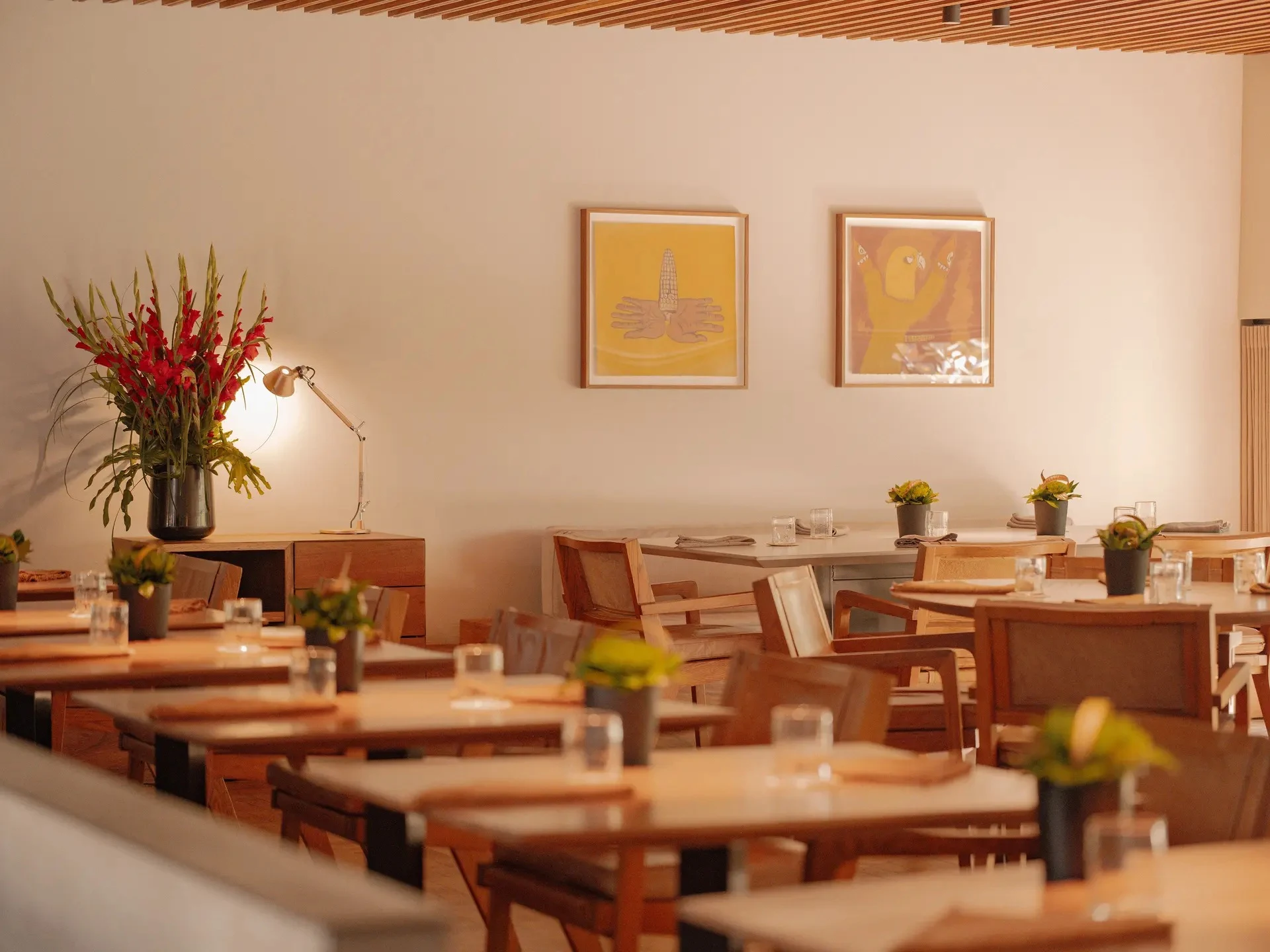
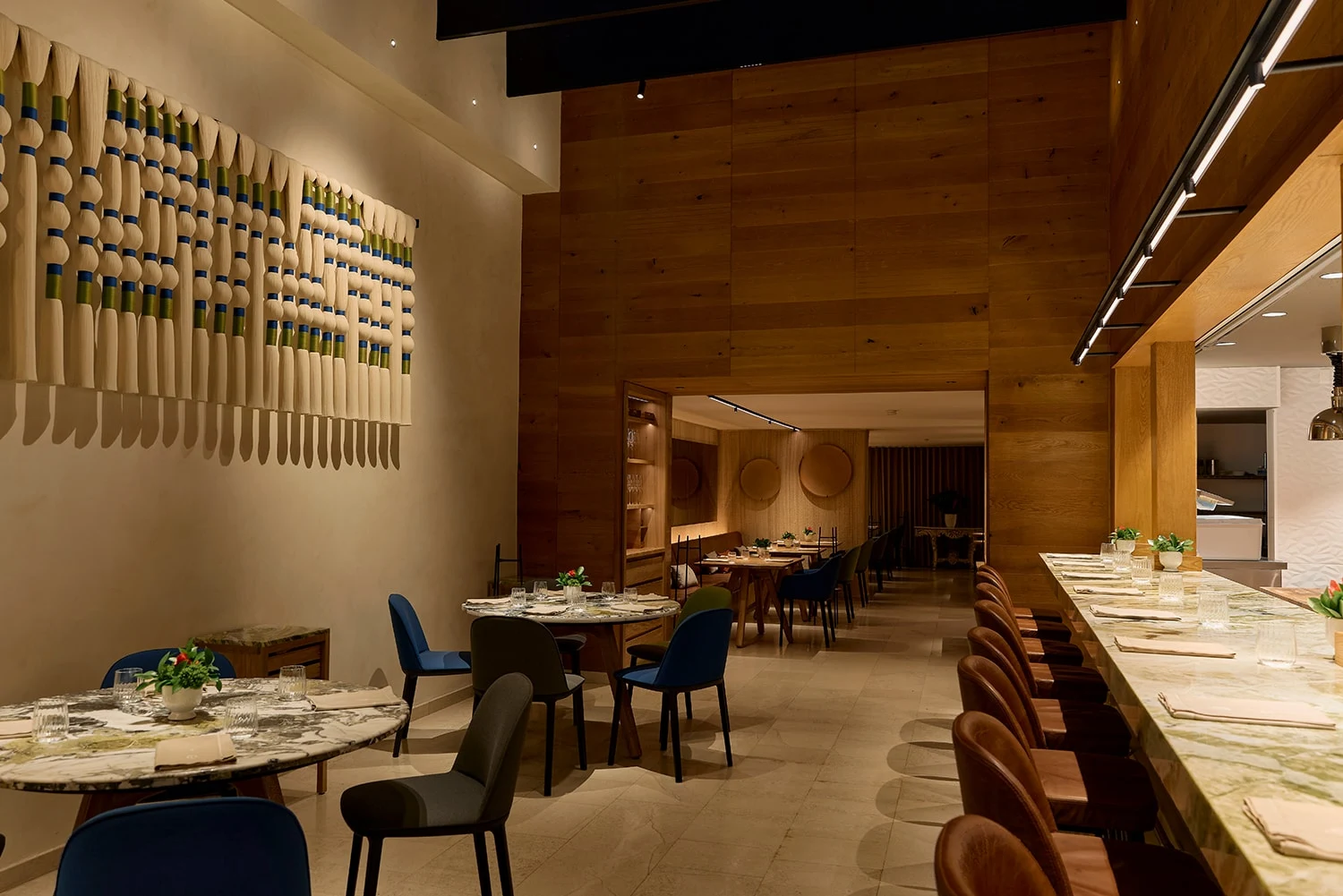
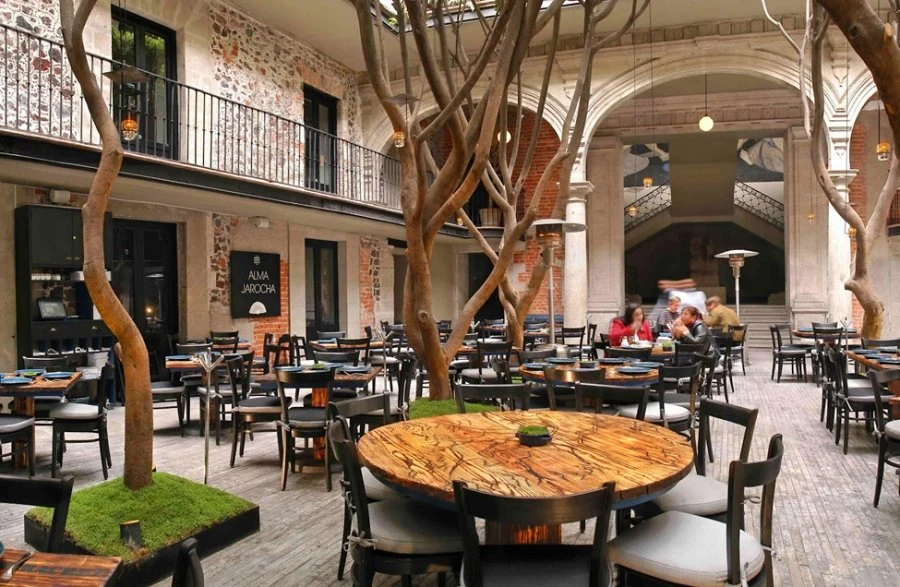
Centro Histórico is not where Mexico City's dining press tends to look. The neighbourhood's most-discussed tables have long been in Polanco, Roma, and Condesa, where modernist Mexican kitchens compete on tasting menus and chef-profile press. But Centro Histórico operates on a different register. The buildings are older, the foot traffic is wider, and the leading kitchens here tend to be rooted in something the northern neighbourhoods frequently trade away: a direct, unmediated relationship with Mexican cooking tradition. Azul Histórico sits at that intersection, inside a Colonial-era courtyard on Isabel La Católica 30, where the architecture alone signals that this is not a concept restaurant but a place that has absorbed its surroundings.
Approaching through the street-level arch, the transition from the noise of the centro to the open-sky courtyard is immediate. Stone columns, trailing greenery, and the ambient sound of a working kitchen rather than a curated playlist: these are the conditions under which the food makes its first argument. The room functions as a reminder that Mexican fine dining was not invented in the early 2000s, and that the tradition of serious, region-specific cooking long predates the international recognition now attached to addresses like Pujol or Em.
The Cooking: Documentation Through Flame
Mexico's most technically demanding indigenous preparations are almost all fire-dependent. Barbacoa, lamb or beef wrapped in maguey leaves and slow-cooked in a pit, is among the oldest cooking formats on the continent, its flavour profile inseparable from smoke, earth, and extended heat. Al pastor, a technique imported and then thoroughly Mexicanised, turns vertical flame into a marinade delivery system. Wood-fired preparations across Oaxacan and Yucatecan traditions shape everything from consommés to moles. These are not decorative techniques. They are structural to the flavour logic of Mexican regional cuisine, and they are frequently simplified or omitted in restaurants that prioritise plating over process.
Ricardo Muñoz Zurita's approach at Azul Histórico is grounded in decades of fieldwork across Mexico's states, a culinary archive project as much as a restaurant. What that produces at the table is cooking that reads less as innovation and more as precision recall: the correct chile, the correct fat, the correct application of heat. In a city where Expendio de Maíz argues for masa as the organising principle of Mexican cuisine, and where Máximo works seasonal Mexican produce through a more contemporary lens, Azul Histórico occupies a distinct position: the scholarly kitchen, where the menu is effectively a bibliography of technique.
Fire-based cooking methods give the menu its backbone. Slow-cooked preparations, chile-charred sauces, and smoke-treated proteins are evidence of a kitchen that treats combustion as craft rather than theatre. This is a different proposition from the live-fire spectacle model increasingly common at destination restaurants elsewhere in Mexico, at Animalón in Valle de Guadalupe, for instance, the open flame is part of the visual experience as much as the flavour logic. At Azul Histórico, the fire is in the food, not the room.
Where It Sits in the Mexico City Dining Order
La Liste awarded Azul Histórico 75.5 points in 2025 and 76 points in 2026, a trajectory that confirms consolidating recognition rather than a flash of press attention. Opinionated About Dining placed it at 399th in casual North America in 2024 and climbed to 191st in 2025, after recommending it without ranking in 2023. That arc matters. It reflects a restaurant that has been building credibility through sustained performance across multiple independent assessment cycles, not one that opened into a wave of local hype.
Within Mexico City's broader field, the competitive frame is not the Michelin-starred tasting-menu tier represented by Pujol or Em. Azul Histórico is a casual-category listing in the recognition databases, which places it alongside mid-register addresses where the cooking ambition is serious but the format is accessible. The all-day service window (9am to 11pm, seven days a week) reinforces this: this is a kitchen that serves breakfast through late dinner without a prix-fixe gate, a model that prioritises access over ceremony. That distinguishes it from the reservation-led, single-sitting formats that dominate Mexico City's international press coverage, and aligns it more closely with the working fonda tradition of Mexican hospitality, even if the culinary depth far exceeds that register.
For readers who have been following Mexico's regional dining scene beyond the capital, comparable seriousness in different formats can be found at Levadura de Olla in Oaxaca, where the focus is similarly on Oaxacan tradition rather than reinterpretation, or at KOLI Cocina de Origen in Monterrey, which applies a regional-archive logic to northern Mexican cooking. The pattern is national: Mexico's most documentarian kitchens are increasingly earning independent recognition, and Azul Histórico was among the earlier addresses in this cohort to build a lasting profile.
Context for the Neighbourhood Visit
Centro Histórico dining is not a single evening's project. The neighbourhood around Azul Histórico is dense with colonial architecture, pre-Hispanic archaeological sites, and a street food culture that operates in parallel to the sit-down dining market. The restaurant's location on Isabel La Católica puts it within walking distance of the Zócalo and the major museum circuit, which makes it a natural anchor for a full day rather than a standalone dinner reservation. The 9am opening means it functions as a serious breakfast or late morning stop as well, at a time when few of Mexico City's recognised kitchens are operating.
Those planning a broader Mexico City visit can cross-reference with Esquina Común for a contrasting neighbourhood context, and
Azul Histórico is open Monday through Sunday, 9am to 11pm. The address is Isabel La Católica 30, Centro Histórico. Reservations are recommended, and the price tier is moderate.
Questions
Frequently asked
Who works at Azul Histórico?
Made By profiles Ricardo Muñoz Zurita (Chef) at Azul Histórico.
How expensive is Azul Histórico?
Azul Histórico is listed at a price level of $$$.
Where is Azul Histórico and what does it serve?
Azul Histórico is in Centro, Mexico City, serving Traditional Mexican.
The field
How it compares
| Place | Cuisine | Notes | Awards |
|---|---|---|---|
| Azul Histórico | Traditional Mexican | Centro, $$$ | · |
| Em | Modern Japanese-Mexican Fusion | Mexico City | Michelin 1 Star, World's 50 Best |
| Máximo | Modern Mexican with French Influences | Mexico City | Michelin 1 Star, World's 50 Best |
| Pujol | Modern Mexican Fine Dining | Mexico City | Michelin 2 Stars, World's 50 Best |
| Quintonil | Modern Mexican Fine Dining | Mexico City | Michelin 2 Stars, World's 50 Best |
| Rosetta | Mexican-Italian Fusion Fine Dining | Mexico City | Michelin 1 Star, World's 50 Best |
| Sud 777 | Modern Mexican Fine Dining | Mexico City | Michelin 1 Star, World's 50 Best |
In residence
Similar places
Modern Japanese-Mexican Fusion
Em
Mexico City, Mexico
★ · 50 Best
Modern Mexican with French Influences
Máximo
Mexico City, Mexico
★ · 50 Best
Modern Mexican Fine Dining
Pujol
Mexico City, Mexico
★★ · 50 Best
Modern Mexican Fine Dining
Quintonil
Mexico City, Mexico
★★ · 50 Best
Mexican-Italian Fusion Fine Dining
Rosetta
Mexico City, Mexico
★ · 50 Best
Modern Mexican Fine Dining
Sud 777
Mexico City, Mexico
★ · 50 Best