Made ByWinery
Banhez (UPADEC cooperative)
- 01CitySan Miguel Ejutla, Mexico
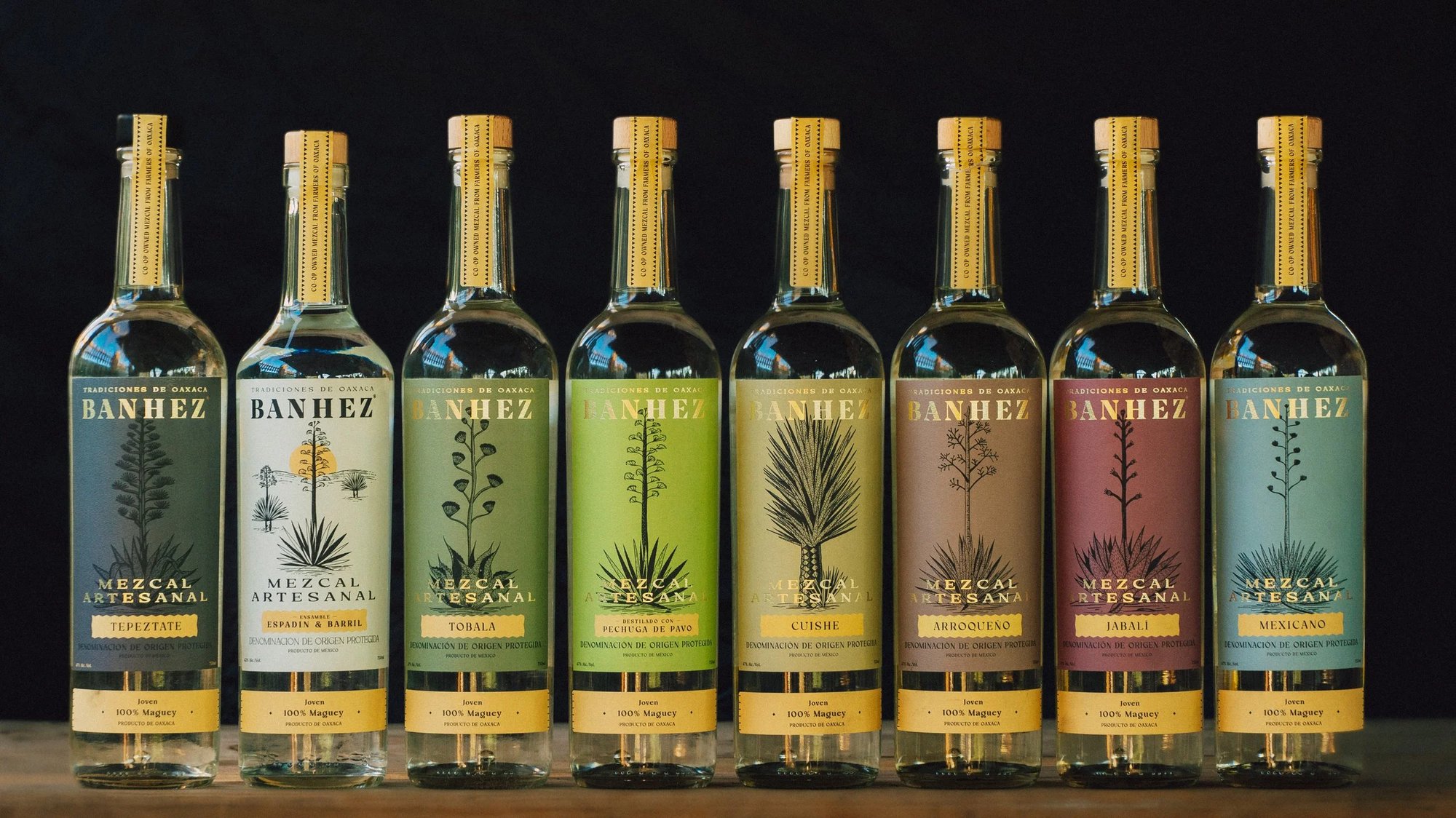
Banhez, produced by the UPADEC cooperative in San Miguel Ejutla, Oaxaca, is a field-blend mezcal anchored in the Ejutla valley's distinct terroir and awarded a Pearl 2 Star Prestige rating in 2025. The cooperative model places it apart from single-producer mezcals, with collective agave stewardship shaping a consistent regional character. It occupies a respected tier in Oaxaca's broader artisanal spirits conversation.
At a glance
- Price
- $$
- Neighborhood
- San Miguel Ejutla
The Ejutla Valley and What the Land Puts in the Bottle
The road south from Oaxaca city toward Puerto Ángel passes through a series of valleys that drop progressively in altitude and shift in vegetation. By kilometer 56.5 on the federal highway, San Miguel Ejutla sits in terrain that is drier, warmer, and botanically distinct from the maguey-dense highlands around Miahuatlán or the volcanic soils further north. This is the context in which the UPADEC cooperative produces Banhez: an environment where specific agave species, endemic to lower-elevation Oaxacan valleys, express themselves differently than they would in the more commonly referenced production zones of the Sierra Sur or the Central Valleys.
Terroir in mezcal is not a metaphor borrowed from wine, it is a structural reality. Soil composition, rainfall patterns, ambient temperature during fermentation, and the particular wild yeasts present in a given microclimate all leave measurable marks on the final distillate. In the Ejutla valley, those marks tend toward a flavor architecture that separates Ejutla-origin mezcals from their highland counterparts. Banhez, as an expression produced under the UPADEC cooperative's collective framework, draws on those conditions with the consistency that comes from coordinated agave management across multiple family producers rather than a single estate's annual variation.
Cooperative Production and What It Means for the Liquid
The cooperative model in Oaxacan mezcal production is less common than it might appear. Most commercially available artisanal mezcal traces back to a single palenquero or family operation, which creates intimacy with a single terroir plot but also means output variations tied to one harvest's agave maturity. The UPADEC structure aggregates production knowledge and agave resources across multiple growers in the San Miguel Ejutla area, which carries implications for both consistency and for the representation of the valley's character across batches.
This approach places Banhez in a different analytical category than single-producer expressions from Los Danzantes in Santiago Matatlán or the family-estate model at Don Amado (Arellanes family) in Santa Catarina Minas. Where those operations offer a direct line from one producer's decisions to the glass, the cooperative model at Banhez represents a collective agreement about how a valley's agave should be handled. The result is an expression shaped by regional consensus rather than individual philosophy, which is itself a distinct kind of authenticity.
The distinction matters when positioning Banhez relative to its comparable set. In Oaxaca's tiered mezcal market, which now spans everything from mass-produced industrial spirits to micro-batch single-palenquero releases priced above premium tequila, a cooperative that carries a formal prestige recognition occupies a specific and credible position. Banhez earned a Pearl 2 Star Prestige designation in 2025, placing it within a recognized quality tier that separates it from lower-grade commercial mezcals without claiming the exclusive rarity positioning of allocation-only single-village bottlings.
Agave Species and the Mechanics of Terroir Expression
Banhez is produced as a blend of agave species rather than a single-variety expression, a format that is more common in certain Oaxacan valleys than the monovariety approach that has come to dominate premium mezcal marketing. Field blends of this kind are agriculturally logical in regions where multiple agave species grow in proximity and mature on different timelines. The blending decision reflects the actual botany of the Ejutla zone rather than a marketing choice, which gives it historical grounding in local production tradition.
The agave species used in Ejutla-area production are particularly sensitive to the valley's lower-altitude conditions. Warmer average temperatures accelerate certain aspects of the plant's sugar development, while the soil composition in the valley floor differs materially from the rocky, higher-drainage soils of the Sierra. These conditions are not interchangeable with those in the production zones of, for instance, the agave tequilana-dominant highlands of Jalisco, a comparison relevant when reading Banhez against the entirely different terroir logic at operations like Casa Herradura (Hacienda San José del Refugio) in Amatitán or La Primavera (Don Julio) in Atotonilco El Alto. Tequila's Jalisco highland and lowland distinction is well-documented; Oaxaca's inter-valley variation is equally real but far less discussed in international spirits coverage.
San Miguel Ejutla in Oaxaca's Spirits Geography
San Miguel Ejutla sits within the municipality of Ejutla de Crespo, approximately 56 kilometers south of Oaxaca city along the federal highway. The town itself is not a tourism destination in the conventional sense, it does not have the mezcal-bar infrastructure of Oaxaca city or the organised visitor routes of Santiago Matatlán, which markets itself as the world capital of mezcal. That relative obscurity within spirits tourism is part of what makes production from this zone a meaningful reference point: it represents how mezcal continues to be made in communities where the industry's commercial apparatus has not yet reorganized production around visitor experience.
For visitors approaching from Oaxaca city, the journey south on the federal Oaxaca-Puerto Ángel highway is the route. The cooperative's address at kilometer 56.5 places it clearly on that road. Visitors with a specific interest in cooperative-model mezcal production from the Ejutla valley would be well served by making contact by appointment.
The cooperative's regional neighbors include Casa Cortés – La Soledad Palenque in La Compañía (Ejutla), which operates in the same municipal area. Further afield in Oaxaca, El Rey de Matatlán in Tlacolula de Matamoros represents a different sub-region and production scale, illustrating how sharply output and style can diverge across Oaxaca's mezcal geography.
Quality Positioning and the 2025 Prestige Recognition
The Pearl 2 Star Prestige award that Banhez received in 2025 positions it in a quality bracket that commands attention from spirits buyers and importers working in the artisanal mezcal category. In a market segment where authenticity claims are common but third-party verification is less consistent, a formal prestige designation provides a credible reference point for trade and consumer audiences. It places Banhez alongside a different competitive comparable set than the mass-market mezcal tier, while stopping short of the allocation-driven scarcity positioning that defines the upper end of collectible single-producer releases.
That positioning is meaningful context for anyone comparing Banhez to operations at different scales and in different categories of the Mexican spirits market, whether that's the large-format tequila infrastructure of Jose Cuervo (La Rojeña) in Tequila, the craft-positioned Cazadores Distillery in Arandas, or the regional specificity of Origen Raíz (Vinata El Ojo) in Nombre de Dios and Lágrimas de Dolores (Hacienda Dolores) in Durango. Each of those operations answers a different question about what Mexican spirits production can be. Banhez's answer is grounded in collective Ejutla valley stewardship and the terroir specificity that only comes from sustained community engagement with a particular piece of land.
Know before you go
- Dress code
- casual
- Reservations
- appointment_only
- Parking
- street
Frequently asked
How would you describe the overall feel of Banhez (UPADEC cooperative)?
Banhez operates as a production cooperative on the federal highway south of Oaxaca city, not as a visitor-facing destination. The address at km 56.5 on the Oaxaca–Puerto Ángel road places it squarely in agricultural working territory. The experience, such as it is, lives in the bottle: a Pearl 2 Star Prestige recognition in 2025 reflects the quality that the cooperative's collective production model delivers.
What accolades does Banhez (UPADEC cooperative) have?
Banhez (UPADEC cooperative) has received recognition including: Pearl 2 Star Prestige (2025).
What wine is Banhez (UPADEC cooperative) famous for?
Banhez produces mezcal, not wine. The cooperative, based in San Miguel Ejutla, is known specifically for a field-blend mezcal drawing on agave species native to the Ejutla valley of Oaxaca. That expression earned a Pearl 2 Star Prestige award in 2025.
Where do I go for Banhez (UPADEC cooperative)?
Banhez (UPADEC cooperative) is located at Carr. Federal Oaxaca - Pto. Ángel km. 56.5 San Miguel Ejutla, 71588 Heroica Cdad. de Ejutla de Crespo, Oax., San Miguel Ejutla.
What's the standout thing about Banhez (UPADEC cooperative)?
The cooperative structure under UPADEC is the most analytically distinct element: it aggregates grower knowledge and agave resources across multiple producers rather than concentrating production under a single master distiller. That model, combined with the lower-altitude terroir of the Ejutla valley, underpins the field-blend character the liquid is known for. The Pearl 2 Star Prestige recognition in 2025 confirmed that cooperative production can clear the same quality bar as single-producer operations.
Can I walk in to Banhez (UPADEC cooperative)?
No published phone number, website, or booking method is listed for the UPADEC cooperative in San Miguel Ejutla. The address at Carr. Federal Oaxaca–Pto. Ángel km 56.5 identifies a production site rather than a hospitality venue. Arriving without prior arrangement is unlikely to yield a formal visit.
What distinguishes the UPADEC cooperative model from typical artisanal mezcal producers in Oaxaca?
Most commercially available artisanal mezcal from Oaxaca traces back to individual palenqueros or family operations; UPADEC pools agave cultivation and production knowledge across multiple cooperative members in the Ejutla valley of San Miguel Ejutla. This collective approach gives Banhez access to a broader base of agave material than a single-producer operation would hold. The resulting field-blend format is a direct outcome of that structure, and the 2025 Pearl 2 Star Prestige award positions it alongside single-origin expressions at a serious quality level.
Address
Carr. Federal Oaxaca - Pto. Ángel km. 56.5 San Miguel Ejutla, 71588 Heroica Cdad. de Ejutla de Crespo, Oax.
San Miguel Ejutla
How it compares
Banhez (UPADEC cooperative)
- Cuisine
- Espadín, Barril
- Price
- $$
- Awards
- 1 recognition
- Notes
- San Miguel Ejutla
Rey Campero (Herencia de Sánchez)
- Cuisine
- Espadín, Tobalá
- Price
- $$
- Awards
- 1 recognition
- Notes
- Candelaria Yegolé
Casa Armando Guillermo Prieto (AGP)
- Cuisine
- Winery
- Price
- —
- Awards
- 1 recognition
- Notes
- Tlacolula de Matamoros
El Rey de Matatlán
- Cuisine
- espadín
- Price
- $$
- Awards
- 1 recognition
- Notes
- Tlacolula de Matamoros
El Cortijo (palenque)
- Cuisine
- Espadín, Tobalá
- Price
- $$
- Awards
- 1 recognition
- Notes
- Santiago Matatlán
Ilegal (Palenque Mal de Amor)
- Cuisine
- cuishe, tepextate
- Price
- $$
- Awards
- 1 recognition
- Notes
- Santiago Matatlán