Made ByRestaurant

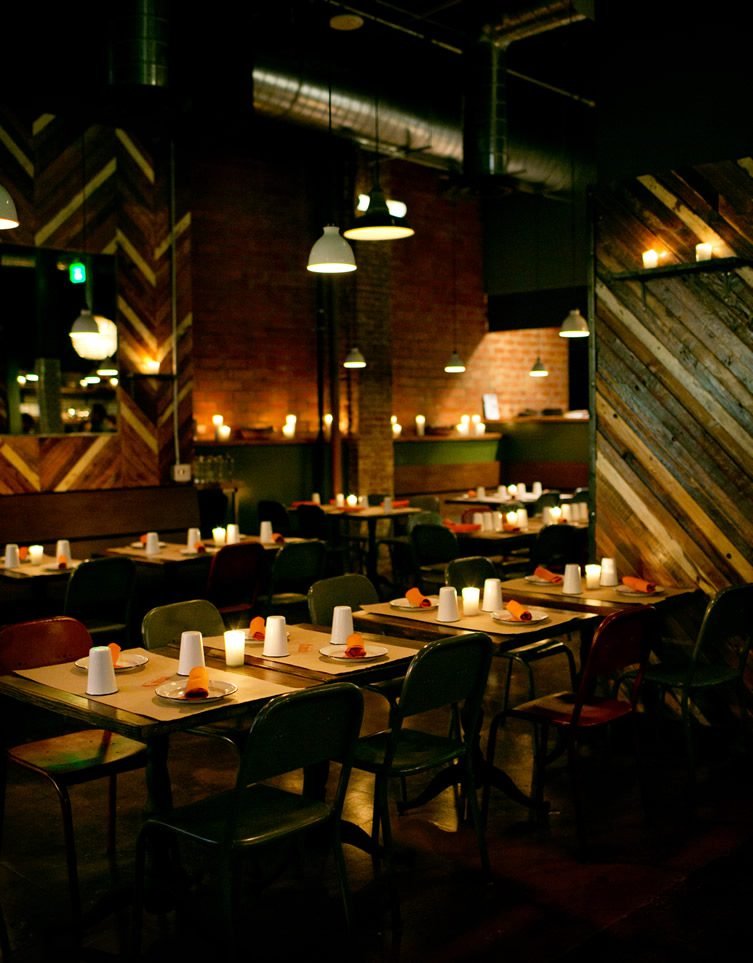
Bar Amá has anchored downtown Los Angeles's Tex-Mex conversation for over a decade, operating out of the Farmers and Merchants Bank Building on 4th Street. Chef Josef Centeno draws on four generations of Tejano family cooking, threading seasonal California produce through dishes that sit somewhere between San Antonio tradition and LA adaptation. Ranked #37 on the LA Times 101 Best Restaurants 2024 list, it holds a consistent place in Opinionated About Dining's North America casual rankings.
At a glance
- Cuisine
- Modern Tex-Mex
- Price
- $$
- Per person
- $30
- Hours
- Mon: Closed; Tue: 5–10 PM; Wed: 5–10 PM; Thu: 5–10 PM; Fri: 5–10 PM; Sat: 5–10 PM; Sun: 4–9 PM
- Neighborhood
- Downtown
- Rating
- 4.4 (623)
<h2>The Building, the Block, the Atmosphere</h2><p>Downtown Los Angeles's dining identity has shifted considerably over the past fifteen years, moving from a largely transactional lunch district into a neighbourhood where evening tables hold. The Farmers and Merchants Bank Building on 4th Street sits inside that transition zone: a historic commercial block that now hosts a different kind of foot traffic after dark. Bar Amá occupies this address with the kind of ease that comes from time in the same location, a rare thing in a city where restaurant tenancy tends to be restless. The space carries the character of a room that has settled into itself, where the crowd on a Friday night is not auditioning for the neighbourhood but simply eating in it.</p><h2>Tex-Mex in Los Angeles: A Different Context</h2><p>Tex-Mex as a category sits in an interesting position in Los Angeles. The city has deep Mexican culinary roots across every borough and neighbourhood, but the Tejano tradition, a distinct hybrid that developed across generations in Texas, shaped by Spanish, Mexican, and American influences, has fewer dedicated practitioners here. That gap is partly what gives Bar Amá a specific address in the city's dining map. Where much of LA's Mexican-adjacent dining leans toward regional Mexican authenticity or modern Cal-Mex riffs, the Tejano cooking at Bar Amá draws from a lineage that moves through four generations of a single family, grounded in San Antonio food culture and filtered through a Los Angeles kitchen that works with what the local farmers markets offer each season. The LA version at Bar Amá is shaped by a different produce environment and a different set of cultural reference points.</p><h2>Seasonal Sourcing as Inherited Practice</h2><p>Seasonal sourcing in Los Angeles often gets framed as a professional philosophy. Bar Amá's version of that story runs in a different direction. The ethos here traces back to Josef Centeno's great-grandmother, Gabina Cervantes Martinez, who cooked from her garden and the farmers market as a matter of household practice rather than culinary ideology. That inheritance gives the seasonal sourcing at Bar Amá a different texture: it is not positioned as an environmental statement, though the practical outcomes align with sustainability principles, but as the continuation of how the food was always made. Peaches sautéed with hazelnuts and goat cheese appear in summer; sweet potatoes finished with coconut butter and pomegranate molasses arrive in winter. The calendar shapes the plate because it always has, which is a more durable kind of commitment than trend-driven procurement cycles. Within LA's wider dining scene, where restaurants from <a href="https://www.enprimeurclub.com/restaurants/providence">Providence</a> in Hollywood to <a href="https://www.enprimeurclub.com/restaurants/kato-los-angeles-restaurant">Kato</a> in Culver City each articulate their own relationship to ingredient sourcing, the familial rather than institutional origin of Bar Amá's approach is a meaningful distinction.</p><h2>The Menu Logic: Predictable Comfort, Unpredictable Detail</h2><p>The cooking at Bar Amá operates within a recognisable Tex-Mex framework while reserving the right to move sideways. Green chicken enchiladas with tomatillo salsa, cheddar, and Monterey Jack are a fixture, and the guacamole and queso (including a vegan version that has drawn consistent attention) form the kind of table anchors that regulars order without looking at the menu. These are the dishes that earn the word "bastion" in the LA Times coverage. But alongside them, the kitchen positions more unexpected constructions: lobster ravioli in green mole with tarragon, for instance, is the kind of combination that reads either as a mistake or as a demonstration of deep technique. At Bar Amá it reads as the latter. The bäcos, Centeno's flatbread format that predates Bar Amá and has followed him across projects, appear here in iterations that shift with the season, wrapped around fried shrimp or chicken escabeche with Thai-chile aioli. The menu's range is not an attempt to be everything; it is the natural output of a kitchen that takes Tejano cooking as a starting point rather than a boundary.</p><h2>Where Bar Amá Sits in LA's Broader Critical Record</h2><p>Los Angeles supports a wide range of serious restaurants across price tiers and formats. At the formal end of the spectrum, places like <a href="https://www.enprimeurclub.com/restaurants/somni-los-angeles-restaurant">Somni</a> and <a href="https://www.enprimeurclub.com/restaurants/osteria-mozza">Osteria Mozza</a> operate under a different set of expectations and price points. Bar Amá positions itself in the casual tier, where the critical currency is consistency, a sense of place, and a defined point of view on what it is cooking. The Opinionated About Dining rankings bear this out: Bar Amá has appeared in the North America Casual list, reaching #218 in 2025 and #237 in 2024. The LA Times placed it at #37 on its 101 Best Restaurants list for 2024. These are not the metrics of a destination tasting menu; they are the metrics of a restaurant that has earned a permanent address in how the city thinks about where to eat. For LA visitors with broader plans, the city's dining range extends from the casual end represented by Bar Amá and <a href="https://www.enprimeurclub.com/restaurants/homestate-los-angeles-restaurant">HomeState</a> through to the more formal registers of <a href="https://www.enprimeurclub.com/restaurants/kato-los-angeles-restaurant">Kato</a>.</p><h2>Planning a Visit</h2><p>Bar Amá is open Tuesday through Saturday from 5 to 10 pm, with Sunday hours running from 4 to 9 pm; the restaurant is closed on Mondays. The address is 118 4th Street in the Farmers and Merchants Bank Building, in the heart of downtown LA. Bar Amá belongs to the tradition of the neighborhood anchor rather than the destination occasion.</p>
Know before you go
- Dress code
- casual
- Reservations
- recommended
- Parking
- street
- Payment
- credit_card
- Accessibility
- wheelchair_accessible
- Groups
- Welcomed
- Children
- Welcomed
Frequently asked
What are the operating hours at Bar Amá?
Hours at Bar Amá: Hours: Monday Closed Tuesday 5–10 pm Wednesday 5–10 pm Thursday 5–10 pm Friday 5–10 pm Saturday 5–10 pm Sunday 4–9 pm.
Is there a head chef associated with Bar Amá?
The chef associated with Bar Amá is Josef Centeno.
What do regulars order at Bar Amá?
The green chicken enchiladas, blasted with tomatillo salsa and bubbling with cheddar and Monterey Jack, have become one of downtown LA's most referenced comfort dishes and are the default starting point for first-time visitors. Guacamole, queso (including a vegan version), and a margarita round out the core order. The menu also rotates less predictable dishes — lobster ravioli in green mole or bäcos folded around fried shrimp have appeared — so regulars tend to anchor on the enchiladas and explore from there. Bar Amá ranked #37 on the LA Times 101 Best Restaurants list in 2024, which tracks with how consistently those core dishes are cited.
Address
FARMERS AND MERCHANTS BANK BUILDING, 118 4th St, Los Angeles, CA 90013
Downtown
How it compares
- Cuisine
- Modern Tex-Mex
- Price
- $$
- Awards
- 6 recognitions
- Notes
- Old Bank District
- Cuisine
- Modern Mexican BBQ
- Price
- $$
- Awards
- 4 recognitions
- Notes
- Elysian Valley
- Cuisine
- Mexican-Armenian Fusion Tacos
- Price
- $$
- Awards
- 1 recognition
- Notes
- Silver Lake
- Cuisine
- Modern Mexican Taqueria
- Price
- $$
- Awards
- 1 recognition
- Notes
- Eagle Rock
- Cuisine
- Birria Tacos
- Price
- $$
- Awards
- 1 recognition
- Notes
- Boyle Heights
- Cuisine
- Modern Mexican Mariscos
- Price
- $$
- Awards
- 1 recognition
- Notes
- Sunset Junction
In residence
Similar places
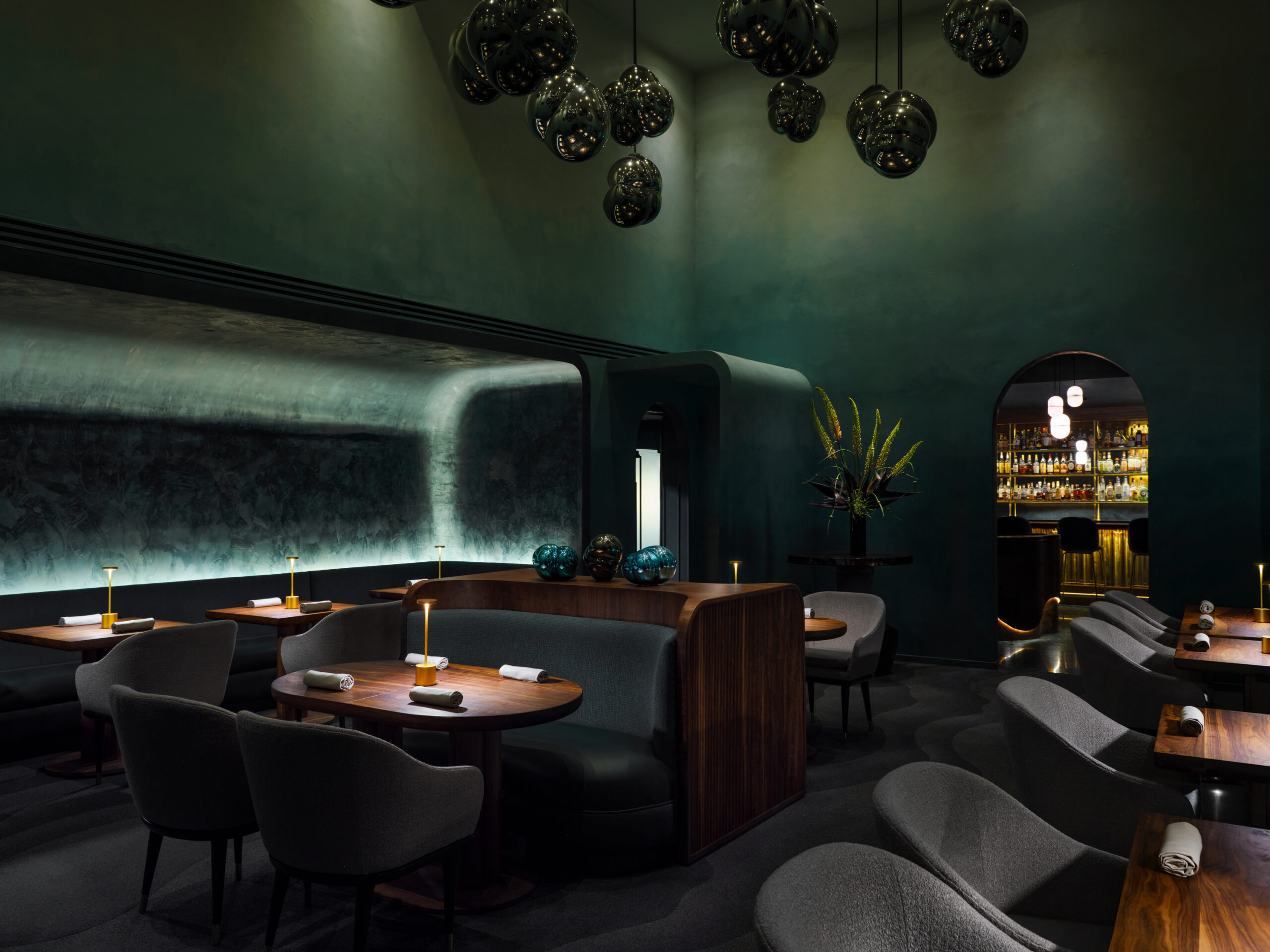
Modern Seafood Fine Dining
Providence
Los Angeles, United States
★★★ · 50 Best
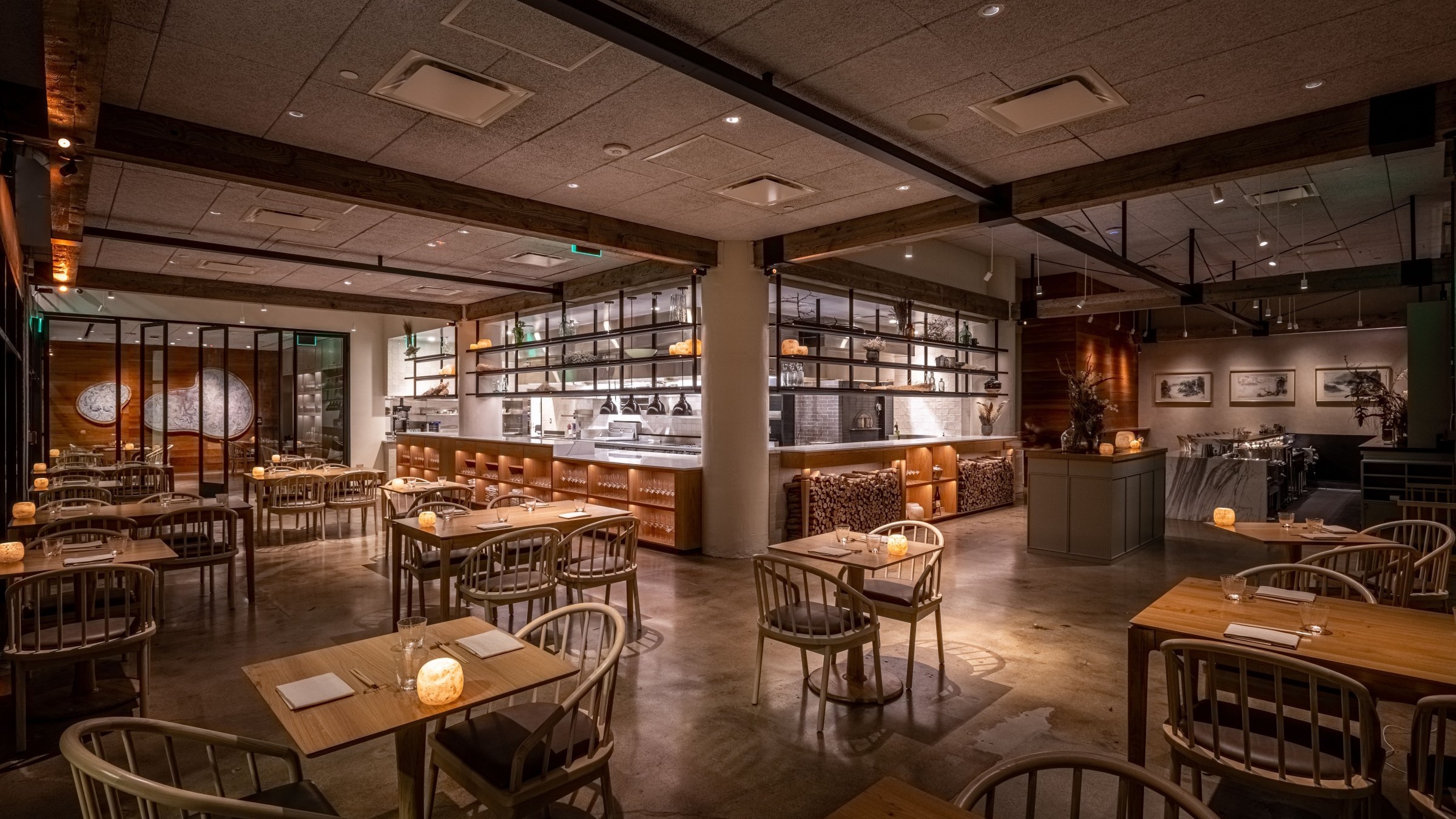
Modern Taiwanese Fine Dining
Kato
Los Angeles, United States
★★ · 50 Best
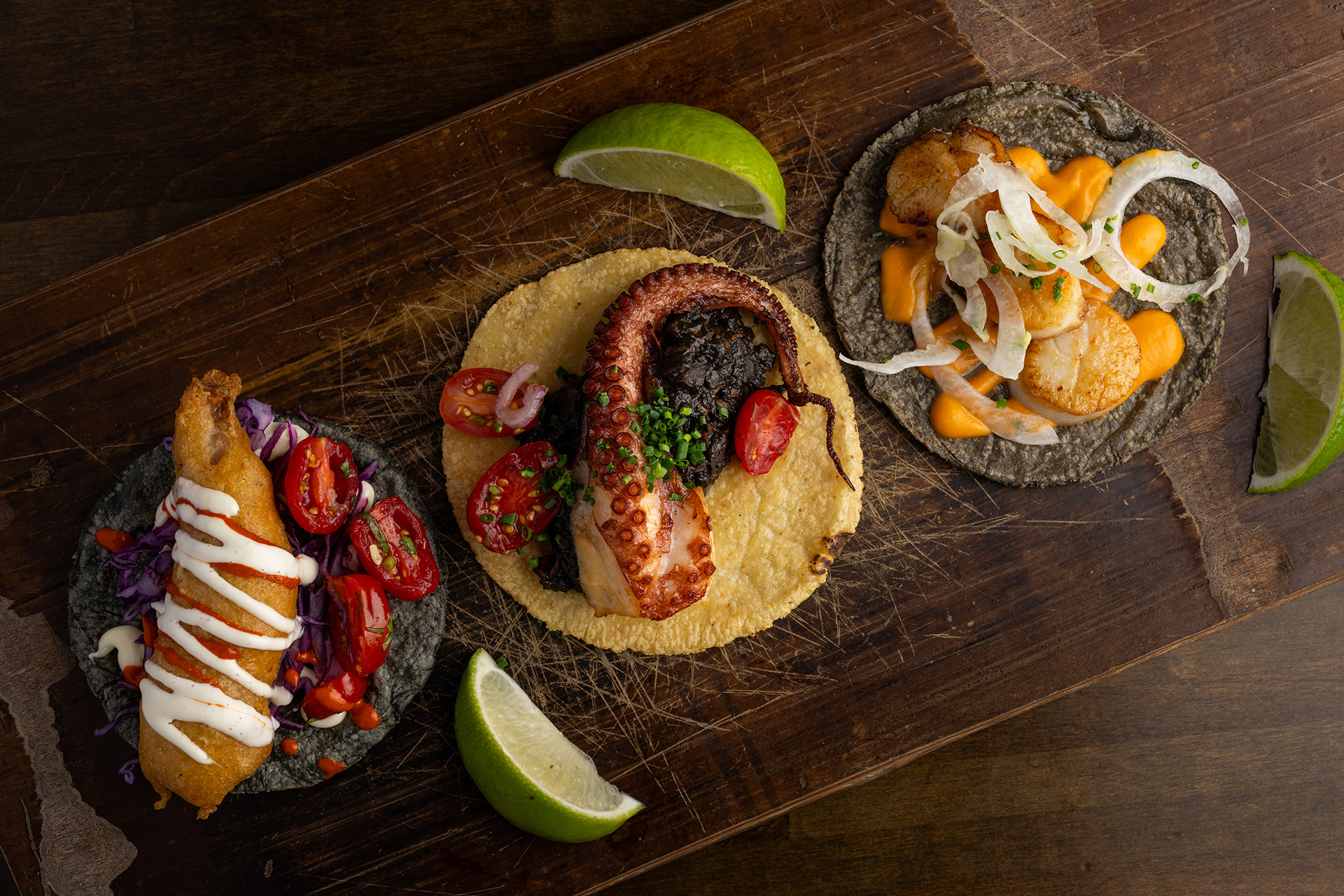
Modern Mexican Seafood
Holbox
Los Angeles, United States
★ · 50 Best
California-French Fine Dining
Mélisse
Los Angeles, United States
★★
Traditional Japanese Kaiseki
Hayato
Los Angeles, United States
★★
Modern Spanish Fine Dining
Somni
Los Angeles, United States
★★★ · 50 Best