Made ByRestaurant
Bar La Grassa

Chef in Residence
Max Loesch
Chef
- 01CuisineItalian Pasta Restaurant
- 02CityMinneapolis, United States
- 03RecognitionJames Beard Award
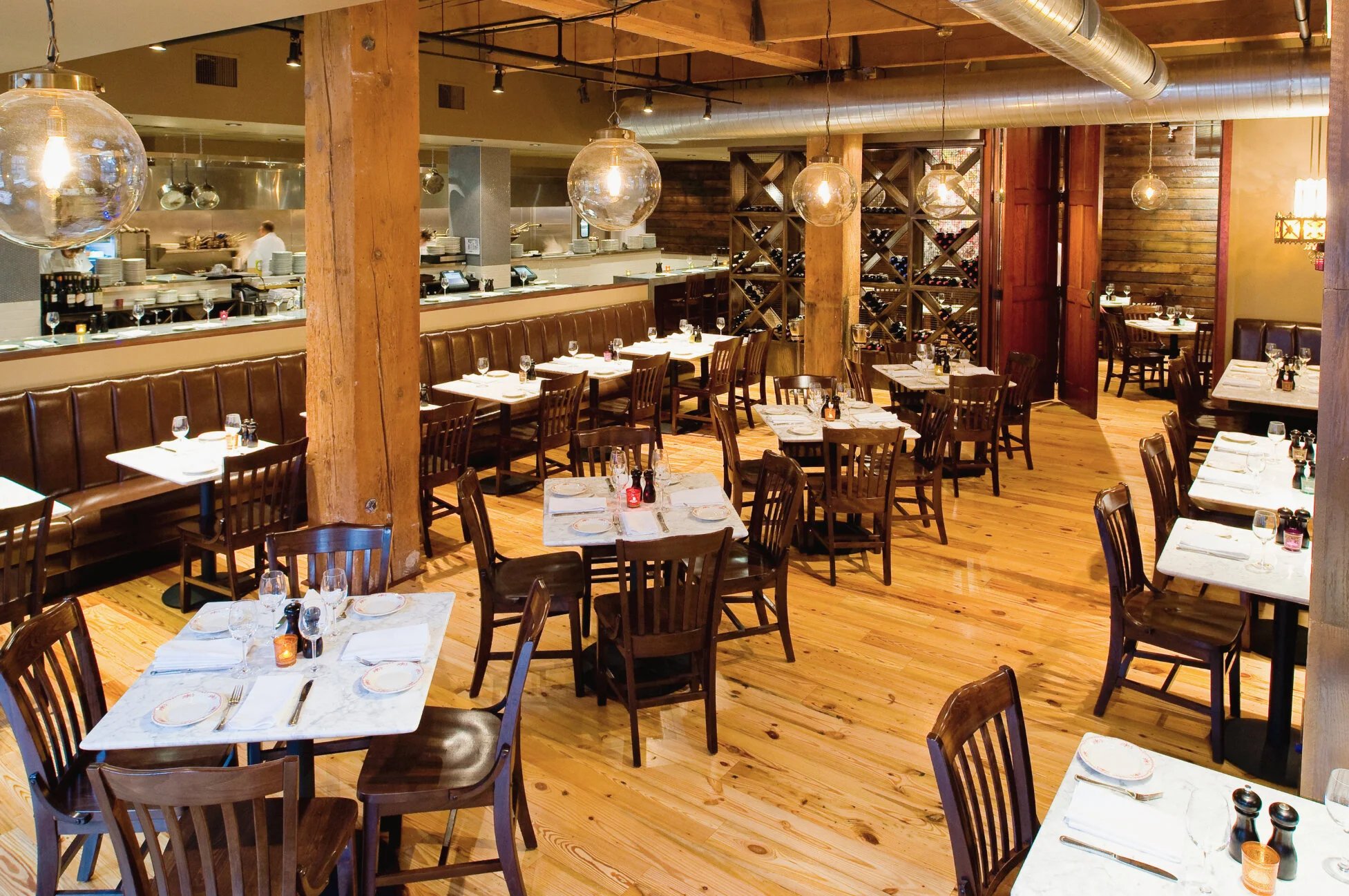
Bar La Grassa brings Italian cooking into Minneapolis through a North Loop lens: pasta-forward, social, and confident without turning regional tradition into museum work. Its 2026 James Beard Foundation Outstanding Restaurant semifinalist nod and 2026 OAD Casual in North America Recommended placement give the room national context, but the draw is the way it makes Italian dining feel native to a warehouse district city night.
- James Beard Winner
At a glance
- Cuisine
- Italian Pasta Restaurant
- Price
- $$
- Per person
- $20
- Hours
- Mon: 5–10 PM; Tue: 5–10 PM; Wed: 5–10 PM; Thu: 5–10 PM; Fri: 5–11 PM; Sat: 5–11 PM; Sun: Closed
- Neighborhood
- North Loop
- Rating
- 4.7 (2,592)
<p>The North Loop announces dinner with brick, glass, converted industrial bones, and rooms that fill early with tables settling in. Bar La Grassa fits that register without turning Italian food into imported ceremony. This is not a hushed Tuscan fantasy or white-tablecloth Milanese production. It is Minneapolis Italian in a modern warehouse-district key, built around pasta, shared pacing, and a room where the meal carries conversation rather than silencing it.</p><p>Italian restaurants in American cities often split two ways: one chases regional orthodoxy, separating Roman restraint, Neapolitan heat, Tuscan grill culture, and the richer northern habits of butter, egg pasta, and slow sauces; the other treats Italy as a loose pantry. Bar La Grassa sits between them. Its identity is not a single province, but the meal follows regional grammar: pasta as center of gravity, small plates as social opening act, and enough northern Italian weight to feel suited to Minneapolis rather than a beach city.</p><h2>Italian regional cues, translated for a North Loop dining room</h2><p>In a city with long winters and a serious appetite for convivial restaurants, Italian cooking works when it offers structure, not spectacle. Roman cooking can be severe in its confidence, Neapolitan cooking often speaks through dough and tomato, and Tuscan cooking leans on fire, beans, bread, and meat. The northern Italian thread gives an American Midwestern dining room more range: stuffed pastas, richer sauces, and a slower tempo for tables ordering in waves.</p><p>Bar La Grassa’s Minneapolis significance comes from that translation. It does not need to mimic a trattoria in Bologna or a dining room in Florence. It uses the familiar American Italian pleasure of sharing and tightens the frame around pasta rather than red-sauce nostalgia. Chef Max Loesch gives the kitchen a current point of accountability, but the larger story is format: Italian dining as flexible regional language, not costume.</p><p>The James Beard Foundation named Bar La Grassa a 2026 Restaurant and Chef Award semifinalist in the Outstanding Restaurant category, presented by Acqua Panna® Natural Spring Water. That signals sustained restaurant performance rather than a new-opening narrative. The restaurant also appears as Recommended in the 2026 OAD Casual in North America list, placing it in a broader casual-dining conversation rather than a tasting-menu tier. Together, those signals define the room: a serious restaurant in a social, approachable format.</p><h2>Why the pasta-house format works in Minneapolis</h2><p>Minneapolis rewards restaurants that handle both occasion and routine. That is difficult. Celebration-only rooms can feel stiff on weeknights; convenience-only rooms can lose tension when the bill rises. Bar La Grassa’s pasta-house structure gives it a middle lane. Tables can build a meal from smaller plates and pastas, or stretch into something more substantial, without the ceremony of a fixed menu.</p><p>That flexibility makes the room lively rather than formal. Italian food in this mode depends on sequencing: early plates, pasta as anchor, then a decision about whether the table has more appetite or conversation left. It has a lower barrier than dégustation dining but still requires discipline. Pasta exposes timing, texture, and sauce balance more plainly than many larger composed plates. Choosing pasta as the headline means choosing a category where mistakes show.</p><p>The North Loop adds another layer. The neighborhood has become one of Minneapolis’s main dining corridors because it can hold a full evening: dinner, drinks, hotels, and late movement without isolating the meal. Readers mapping a wider trip can use Our full Minneapolis restaurants guide for the broader dining field, then branch into Our full Minneapolis bars guide or Our full Minneapolis hotels guide when the night needs more structure. For fuller itineraries, <a href="https://www.enprimeurclub.com/experiences/minneapolis">Our full Minneapolis experiences guide</a> and Our full Minneapolis wineries guide keep planning local rather than generic.</p><p>In Minneapolis, Italian is one part of a dining city moving between old neighborhood habits, chef-led casual rooms, and national-award ambition. A useful local reading list includes <a href="https://www.enprimeurclub.com/restaurants/112-eatery-minneapolis-restaurant">112 Eatery</a>, <a href="https://www.enprimeurclub.com/restaurants/young-joni-minneapolis-restaurant">Young Joni</a>, <a href="https://www.enprimeurclub.com/restaurants/4801-s-minnehaha-dr-minneapolis-restaurant">4801 S Minnehaha Dr</a>, <a href="https://www.enprimeurclub.com/restaurants/58-club-minneapolis-restaurant">5-8 Club</a>, and 801 Chophouse. They sketch neighborhood comfort, destination energy, address-specific curiosity, burger lore, and steakhouse confidence. Bar La Grassa belongs where a restaurant feels civic without becoming ceremonial.</p><h2>How to read the meal before choosing it</h2><p>Expect a lively Italian dinner, not a quiet technical temple. The awards recognition supports taking the restaurant seriously, while its casual OAD classification points to a social room by design. For a family meal, the format works when the group is comfortable sharing and younger diners can handle an energetic dining room. For subdued conversation, another style may fit better.</p><p>The regional lens helps ordering strategy without turning the menu into a checklist. Think in Italian sequence rather than American entrée logic: start with smaller plates, let pasta define the meal, and add more only if the table wants the evening to continue. Here the Minneapolis identity is clearest. It is not claiming Roman minimalism, Neapolitan pizza culture, or Tuscan rusticity alone. It uses Italian structure to solve a local dining problem: making a polished night feel relaxed without flattening the food.</p><p>For readers tracking Italian cooking beyond Minneapolis, the category shifts sharply by city. 8 1/2 Otto e Mezzo Bombana (Hong Kong), Italian in Hong Kong and 8 1/2 Otto e Mezzo Bombana (Shanghai), Italian in Shanghai show Italian fine dining in global luxury markets. Other city pages, from Jōdo Saké Bar in Los Angeles and Onigiri Time in Pasadena to ¿Por Qué No? in Portland, 'Ai Love Nalo in Waimanalo Beach, 'āina in San Francisco, and 'Ama 'Ama in Kapolei, make the same editorial point from other cuisines: regional identity becomes interesting when adapted to its city rather than flattened into theme.</p><p>Bar La Grassa earns attention because that adaptation is legible. National recognition supplies trust, the North Loop supplies the frame, and Italian regional vocabulary supplies the meal’s internal logic. In Minneapolis, that combination creates a clear role: a pasta-centered, high-energy Italian dinner for people who want polish without surrendering the table to formality.</p>
Know before you go
- Dress code
- smart_casual
- Reservations
- recommended
- Parking
- garage_nearby
- Payment
- credit_card, debit_card, contactless, apple_pay, google_pay
- Groups
- Welcomed
Frequently asked
Does Bar La Grassa work for a family meal?
Yes. Bar La Grassa in Minneapolis serves Italian food in a format that suits mixed-age groups, and the TractorWorks Building location makes it practical for a city dinner. The James Beard Foundation 2026 Restaurant and Chef Award semifinalist nod also signals a kitchen with real kitchen credibility.
Is Bar La Grassa better for a quiet night or a lively one?
It fits a lively night better than a hushed one. The Italian dining room in Minneapolis is built for conversation and movement, not silence, and that suits a place recognized by the James Beard Foundation in 2026.
Is Bar La Grassa focused on a specific cuisine style?
Bar La Grassa serves Italian cuisine.
Where is Bar La Grassa located?
Bar La Grassa is located at TractorWorks Building, 800 N Washington Ave, Minneapolis, Minnesota, United States, Minneapolis.
Who runs the kitchen at Bar La Grassa?
The chef associated with Bar La Grassa is Max Loesch.
How far ahead should I plan for Bar La Grassa?
Plan ahead, especially for prime dinner slots at Bar La Grassa in Minneapolis. As a James Beard Foundation 2026 Restaurant and Chef Award semifinalist in the TractorWorks Building, it draws enough attention that same-day decisions can be a gamble.
Address
TractorWorks Building, 800 N Washington Ave, Minneapolis, Minnesota, United States
North Loop
How it compares
- Cuisine
- Italian Pasta Restaurant
- Price
- $$
- Notes
- North Loop
- Cuisine
- Rustic Italian Trattoria
- Price
- $$
- Notes
- Tangletown
- Cuisine
- Contemporary Italian
- Price
- $$$
- Notes
- WeDo
- Cuisine
- Korean-Inspired Wood-Fired Pizza
- Price
- $$
- Notes
- Armatage
- Cuisine
- Classic American Diner
- Price
- $$
- Notes
- Eat Street
- Cuisine
- American Cafe
- Price
- $$
- Notes
- North Loop
In residence
Similar places
Hmong American
Diane’s Place
Minneapolis, United States
50 Best
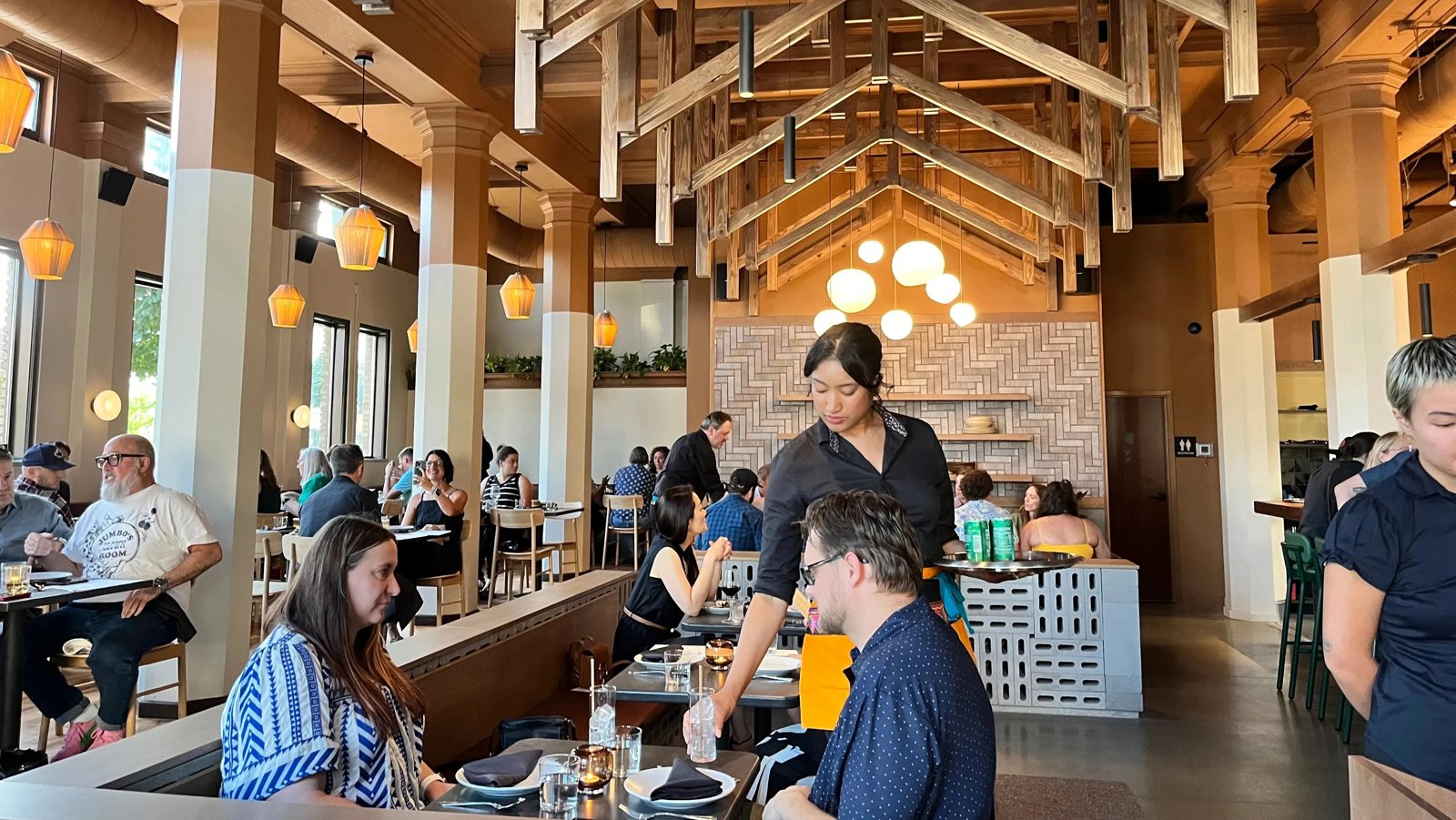
Modern Hmong Fine Dining
Vinai
Minneapolis, United States
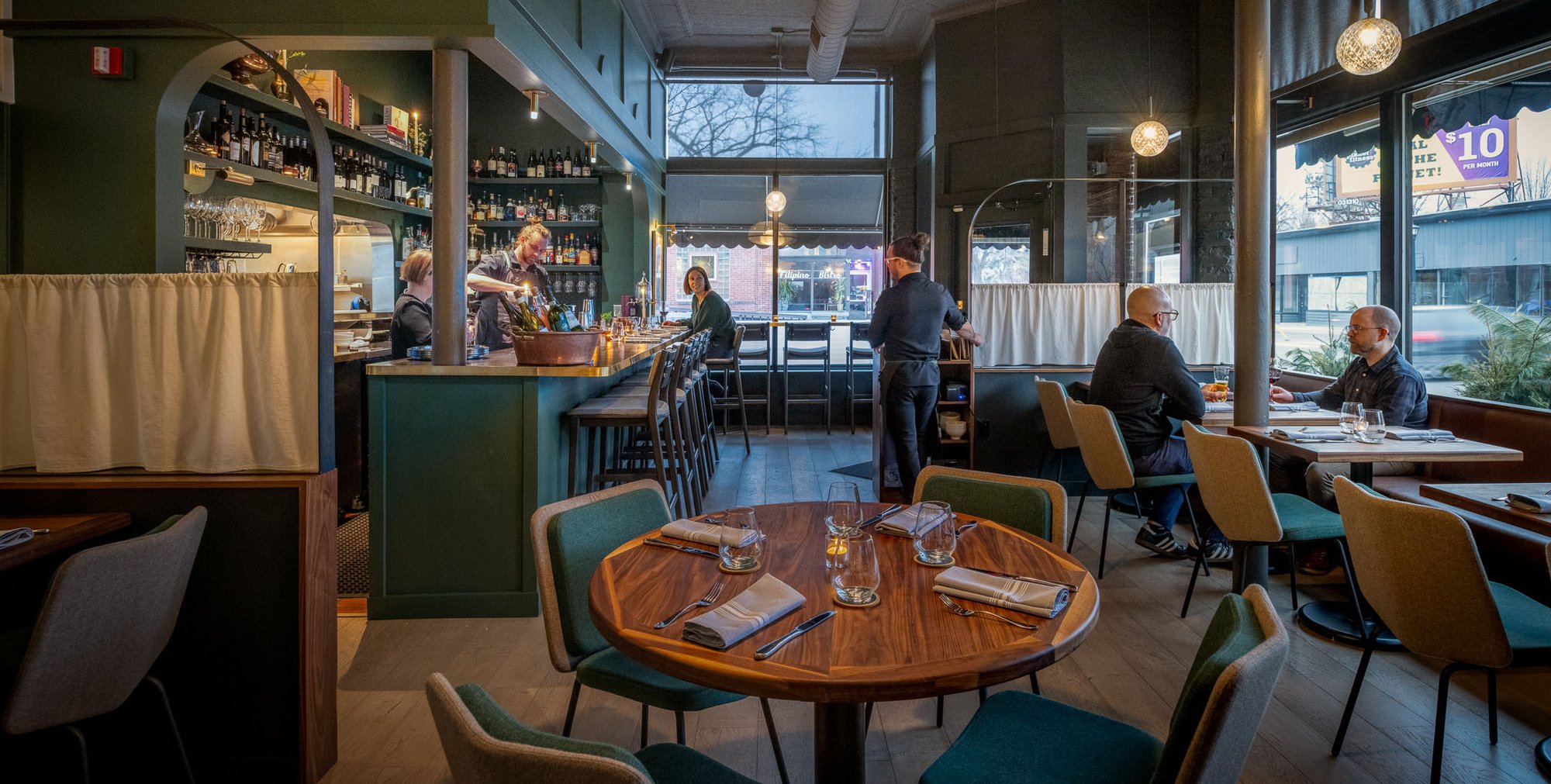
French-American Bistro
Bûcheron
Minneapolis, United States
Classic American Steakhouse
Manny’s Steakhouse
Minneapolis, United States
Japanese-influenced Californian Kaiseki
Single Thread Farm
Healdsburg, United States
★★★ · 50 Best
French Seafood Fine Dining
Le Bernardin
New York City, United States
★★★ · 50 Best