Pablo Tascón, Winemaker at Barón de Ley in Mendavia, guides estate Rioja through vats, oak and aged reserve categories.
Every morning in harvest, the fermenting vats are tasted and tested before the day’s decisions settle. Pablo Tascón, Winemaker at Barón de Ley in Mendavia, holds the cellar line as Technical Director and Chief Winemaker, a title that puts both judgment and execution in the same hands. His work belongs to a house established in 1985 inside the 16th-century Monastery of Imas, also known as the Monastery of San Juan de Imas, on an estate by the Ebro River in the Navarre area of Rioja DOCa. Tascón has made wine for more than 15 years across Rioja, Bierzo, Rias Baixas and Valdeorras, experience measured in appellations as much as time. At Barón de Ley, that breadth narrows into a focused post: estate fruit, aged Rioja, and the repeated choice of how far to carry structure, oak, acidity and fruit through each bottling. His named signature wine here includes 2017 Reserva, a bottle that gives a clear reading of the house style under his direction.
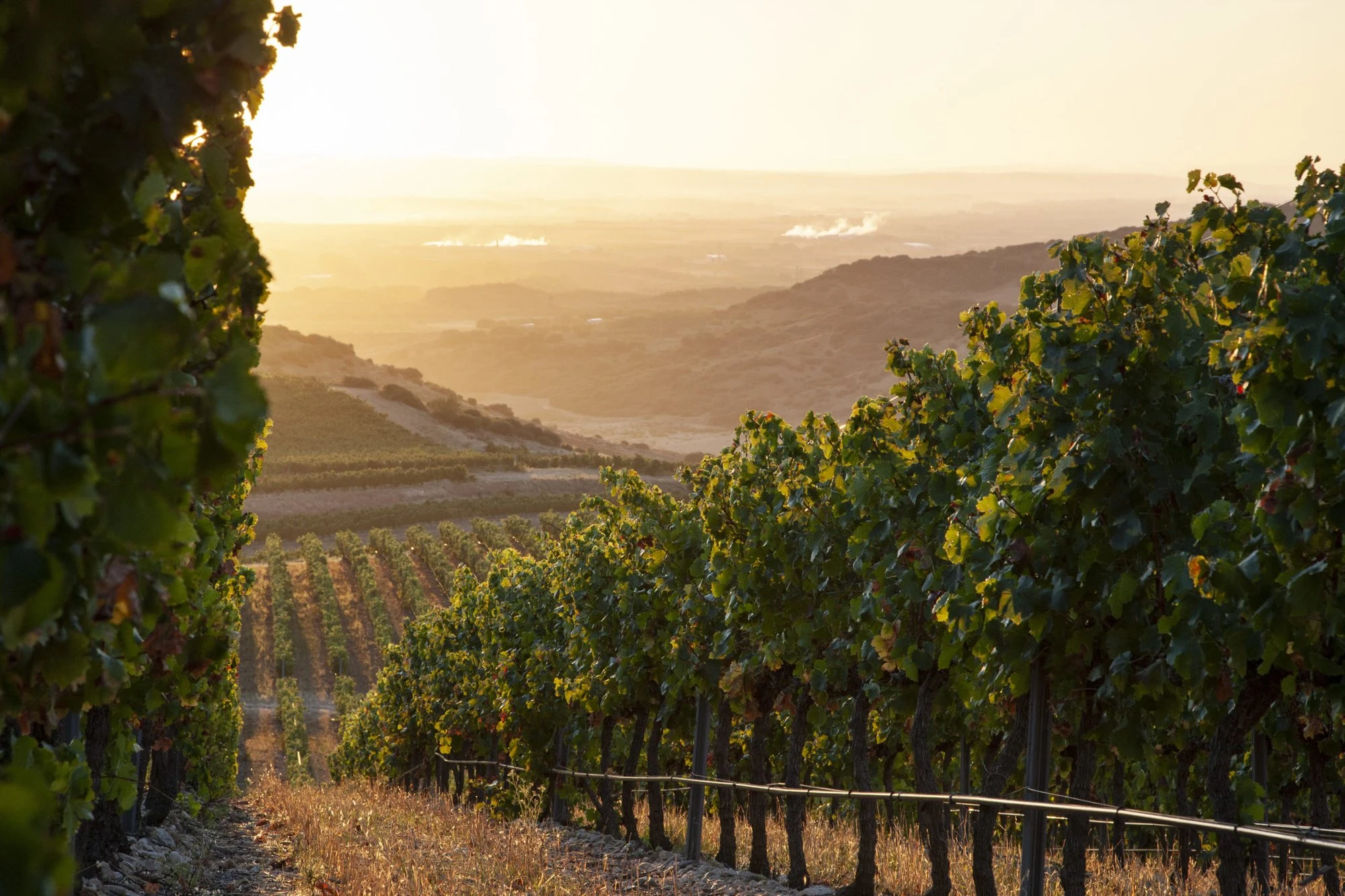
The method at Barón de Ley begins with its own vineyards. The estate works more than 700 hectares in Rioja, with Tempranillo at the center and Graciano, Maturana and Viura also part of the vocabulary of the cellar. The original project followed a château model, unusual in Rioja at the time because it favored estate vineyards rather than a dependence on purchased fruit. That decision still shapes the work: the cellar receives fruit from land it knows, then moves it through a program built for Crianza, Reserva, Gran Reserva and selected cuvées. During harvest, the team completes an average of twenty different processes, with fermentations checked each morning. Red wines complete malolactic fermentation. The ageing cellar holds 31,000 French and American oak barrels, a scale that allows the house to keep several Rioja registers in motion at once. Crianza spends a minimum of 12 months ageing; Reserva at least 36 months, with 12 months in oak; Gran Reserva at least 60 months, with 24 months in oak. The house also works varietal wines, including Tempranillo aged for a minimum of 6 months in a blend of 20% French and 80% American oak.
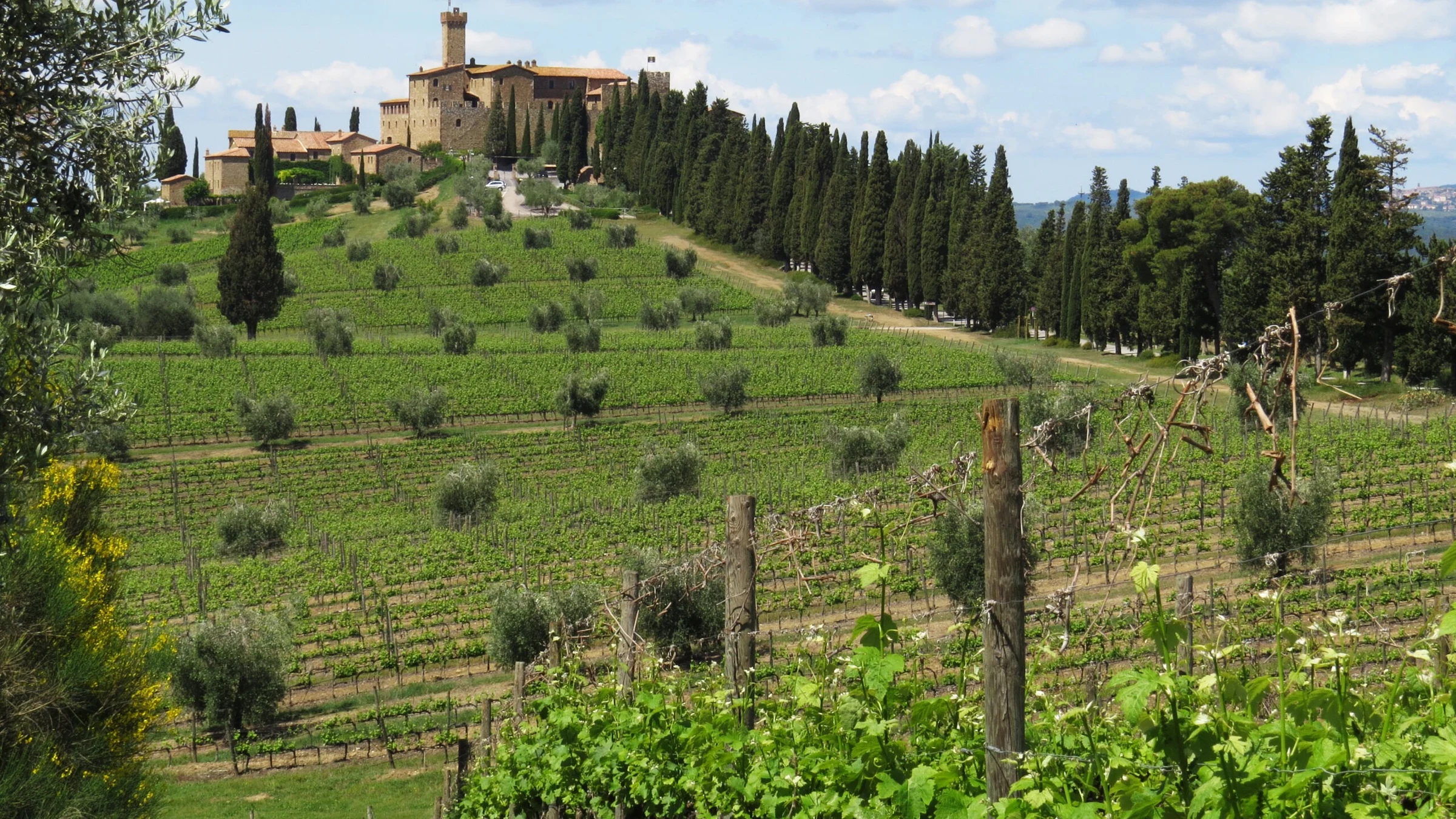
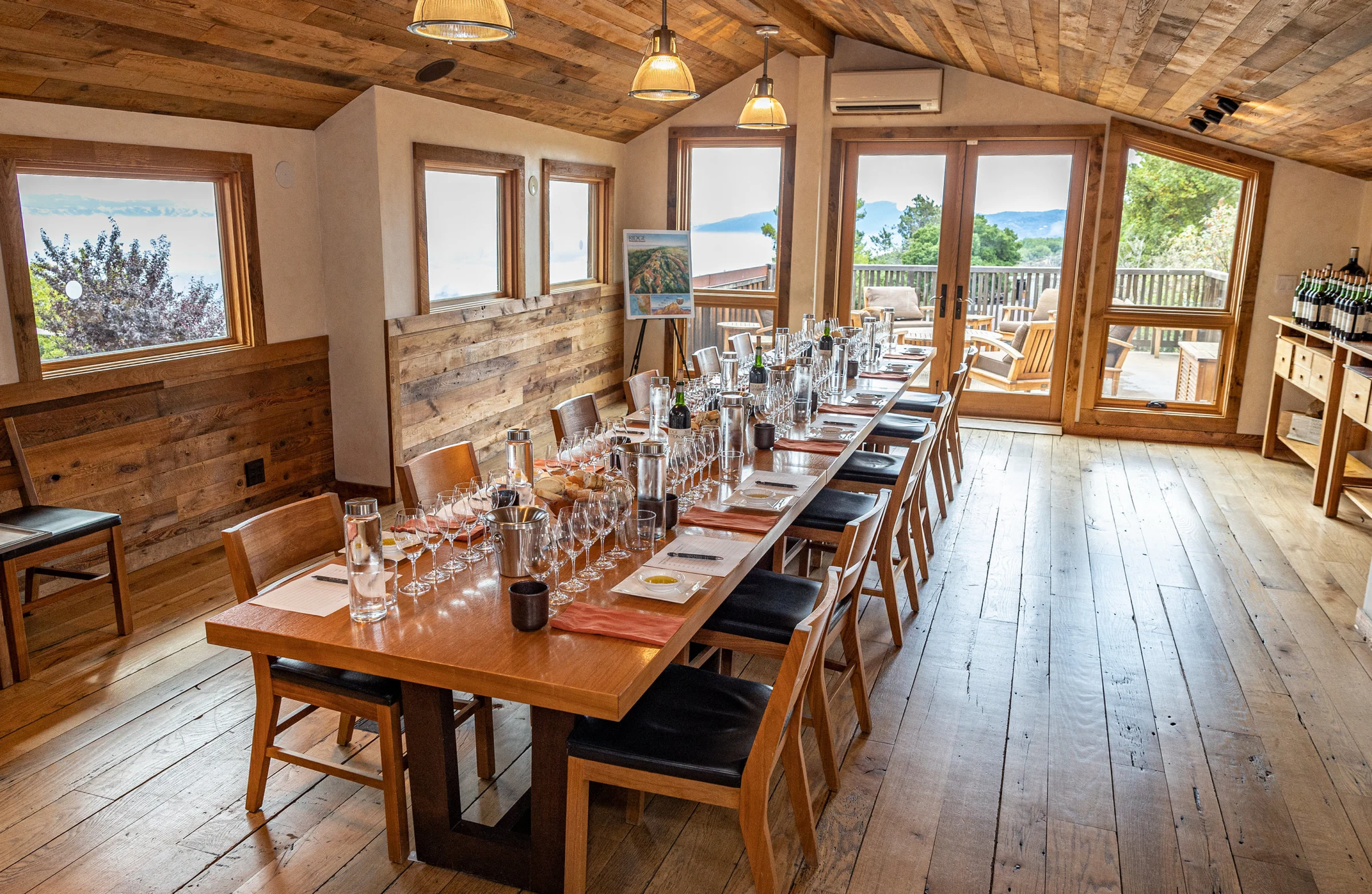
The place keeps the quiet of its first purpose. The winery sits in the former Benedictine monastery, surrounded by estate vineyards and open countryside outside Mendavia, with the Ebro River close enough to make the setting feel held by water and vine. In the cellar, the scale is not theatrical; it is cumulative. Barrel follows barrel in long, ordered rows, French and American oak carrying the house’s main work of time. The tasting room and cellar visits draw the eye back to the same facts that guide the bench-side decisions: monastery stone, vineyard ownership, aged Rioja, and a producer that has tied its identity to reserve categories since its founding.
Gran Reserva remains the narrow end of the program, less than 3% of total output, which gives that category its place in the house without turning it into ornament. The close attention belongs to specific bottles as much as categories: Barón de Ley Gran Reserva 2017 draws on Tempranillo from calcareous Cenicero soils, while Barón de Ley Graciano 2018 uses 100% Graciano and spends 15 months in American oak. The discipline Tascón tends daily is the vat, the barrel, the 2017 Reserva.
Mendavia, Rioja Baja, La Rioja, Spanien
Mendavia (Navarre area of Rioja DOCa)