Barrel Oak Winery sits in the Blue Ridge foothills of Delaplane, Virginia, where the state's most serious wine country is staking its reputation on elevation, clay-laced soils, and temperature variance. Awarded Pearl 2 Star Prestige in 2025, Barrel Oak occupies the upper tier of Virginia's growing producer cohort, making it a reference point for understanding what this appellation is becoming.
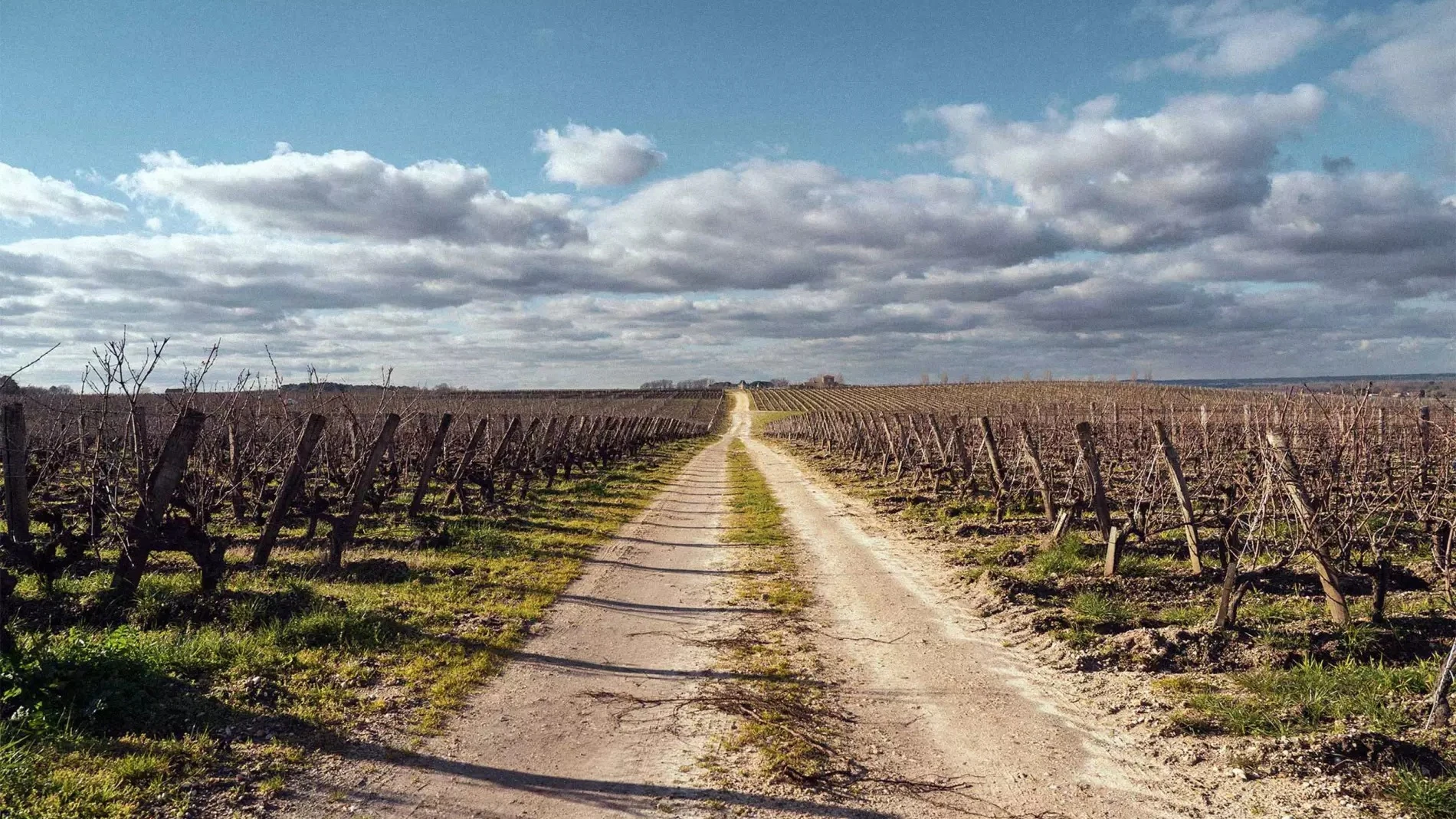
<h2>Where the Blue Ridge Begins to Shape the Wine</h2><p>The drive out to Delaplane along Grove Lane tells you something before you arrive. The Blue Ridge foothills rise to the west, the road winds past horse pasture and oak stands, and the air cools noticeably as the elevation climbs. This is not the Napa Valley model of wine country, where tasting rooms are engineered for throughput. Northern Virginia's piedmont works on a different register: the setting is genuinely agricultural, the distances between producers meaningful, and the wines are increasingly shaped by a terroir that researchers and winemakers are still learning to read. Barrel Oak Winery sits at 3623 Grove Ln in Delaplane, Virginia, and is a casual, walk-in-friendly winery with a price tier of $11 per person.</p><p>Virginia's wine identity has been in active formation for roughly two decades, with the Shenandoah Valley and the Blue Ridge foothills producing the most argued-over results. Delaplane, specifically, occupies a slice of that territory where elevation and clay-heavy soils slow ripening and concentrate phenolics in ways that distinguish the output from lower-lying sites. Compare this approach to producers like <a href="https://www.enprimeurclub.com/wineries/rdv-delaplane-winery">Rdv</a>, also based in Delaplane, and a picture emerges of a small but increasingly coherent appellation cluster with real ambitions.</p><h2>Terroir on This Specific Slope</h2><p>The Blue Ridge foothills don't behave like a single appellation. Elevation differences of a few hundred feet change drainage, temperature, and frost exposure in ways that translate directly to how grapes accumulate sugar and retain acidity. Fauquier County's soils tend toward reddish clay loam over granite and shale parent material, which slows water uptake during dry spells and forces vines to regulate their own stress in ways that can improve aromatic complexity. This is not an easy environment to farm, and producers who succeed here are working with the land rather than correcting for it in the cellar.</p><p>That distinction matters for how you taste what's in the glass. Virginia's most compelling wines tend to carry a structural tension between ripe fruit and mineral backbone that reflects exactly this kind of site pressure. When those conditions are managed well, the results sit closer to European reference points than to California fruit-forward models, even when the varieties are shared. For context on how other serious American producers are handling terroir-driven winemaking, it's worth comparing Barrel Oak's positioning against producers like <a href="https://www.enprimeurclub.com/wineries/adelaida-vineyards">Adelaida Vineyards in Paso Robles</a>, where limestone soils impose their own discipline, or <a href="https://www.enprimeurclub.com/wineries/alban-vineyards">Alban Vineyards in Arroyo Grande</a>, which built its identity around Rhône varieties grown on a single demanding site.</p><h2>The Pearl 2 Star Prestige Recognition</h2><p>In 2025, Barrel Oak received a Pearl 2 Star Prestige designation, placing it within EP Club's upper recognition tier for the region. That award positions Barrel Oak above the general field of Virginia tasting-room operations and within a cohort where the wine is the primary credential. At this level of recognition, the expectation is that site expression and production discipline align consistently across vintages, not just in exceptional years. It is the kind of signal that narrows the field considerably when you are trying to decide where to focus attention in a wine region still sorting out its hierarchy.</p><p>For comparative context within the broader American wine landscape, other producers carrying prestige-level recognition include names like <a href="https://www.enprimeurclub.com/wineries/accendo-cellars">Accendo Cellars in St. Helena</a>, <a href="https://www.enprimeurclub.com/wineries/alpha-omega-winery-rutherford-winery">Alpha Omega Winery in Rutherford</a>, and <a href="https://www.enprimeurclub.com/wineries/aubert-wines">Aubert Wines in Calistoga</a>. These are Napa and Sonoma producers operating in a much older, better-capitalized wine economy. The fact that a Virginia piedmont producer holds comparable recognition signals something meaningful about how fast this state's top tier has moved.</p><h2>What Virginia's Emerging Tier Looks Like From Here</h2><p>Virginia wine has had a complicated public narrative. For years it was positioned as a curiosity or a regional novelty rather than a serious producing state. That framing is now outdated. The state's leading producers are drawing comparison to mid-Atlantic European climates, particularly in cooler growing seasons that favor aromatic whites and structured reds with genuine aging potential. Viognier, which Virginia has adopted as a kind of signature white, performs with particular distinction in the foothills, where the combination of heat and elevation prevents the variety from losing its acidity. Bordeaux blends grown on these clay soils are producing results that hold up in comparative tastings against producers from warmer American AVAs.</p><p>Producers like <a href="https://www.enprimeurclub.com/wineries/adelsheim-vineyard-newberg-winery">Adelsheim Vineyard in Newberg</a> or <a href="https://www.enprimeurclub.com/wineries/au-bon-climat-santa-barbara-winery">Au Bon Climat in Santa Barbara</a> built their reputations by committing early to varieties that suited their specific sites rather than chasing market demand. Virginia's leading producers are making a similar argument, and the awards data increasingly supports that case. <a href="https://www.enprimeurclub.com/wineries/andrew-murray-vineyards">Andrew Murray Vineyards in Los Olivos</a> and <a href="https://www.enprimeurclub.com/wineries/artesa-vineyards-and-winery">Artesa Vineyards and Winery in Napa</a> offer useful comparisons for how producers outside the dominant California AVAs have built credibility through consistent site focus.</p><p>The international reference points are worth noting too. Producers like <a href="https://www.enprimeurclub.com/wineries/alexander-valley-vineyards-geyserville-winery">Alexander Valley Vineyards in Geyserville</a> and <a href="https://www.enprimeurclub.com/wineries/br-cohn-winery-glen-ellen-winery">B.R. Cohn Winery in Glen Ellen</a> operate in appellations with long commercial histories. Delaplane is building a different kind of track record, based on fewer producers, harder conditions, and a shorter window for validation. And for anyone curious how far the conversation around terroir-driven production extends globally, properties like <a href="https://www.enprimeurclub.com/wineries/achaia-clauss-patras-winery">Achaia Clauss in Patras</a> and <a href="https://www.enprimeurclub.com/wineries/aberlour-aberlour-winery">Aberlour in Aberlour</a> demonstrate that soil and climate expression are serious frameworks in wine regions from Greece to Scotland.</p><h2>Planning a Visit to Delaplane</h2><p>Delaplane sits roughly 60 miles west of Washington D.C., making it accessible as a day trip from the capital while genuinely feeling removed from it. The area rewards a slow approach: the leading visits to this wine country tend to combine two or three producers rather than rushing through a single stop. Barrel Oak is located at 3623 Grove Lane, and the rural road network around Delaplane means GPS navigation is more reliable than directions. Visiting in the fall harvest window, typically September through October, aligns a visit with the most active period in the vineyard and often the most atmospheric conditions on the property. Spring visits, particularly April and May, offer cooler temperatures and fewer crowds.</p>
Barrel Oak Winery has received recognition including: Pearl 2 Star Prestige (2025).
Barrel Oak Winery is located at 3623 Grove Ln, Delaplane, VA 20144, Delaplane.
Specific current pours are best confirmed directly with the winery before your visit, as production at a Blue Ridge foothills estate like Barrel Oak shifts with each vintage. What the Pearl 2 Star Prestige recognition in 2025 signals is that the output across the range has reached a consistency worth seeking out, not just a single standout bottle. Ask the pouring staff which releases are at peak drinking now.
Barrel Oak sits at 3623 Grove Lane, Delaplane, VA 20144, in the Blue Ridge foothills of Fauquier County, roughly 60 miles west of Washington D.C. The estate earned a Pearl 2 Star Prestige designation from EP Club in 2025, placing it in the upper recognition tier for Virginia wine. Confirm current hours and any reservation requirements directly with the winery before making the drive, as Delaplane properties often operate seasonally adjusted schedules.
Weekend visits to Fauquier County wineries, particularly those with EP Club recognition, tend to draw larger crowds from the D.C. corridor, so arriving without a plan on a Saturday in peak season is a gamble. Check the winery's current booking policy directly, as tasting formats and reservation windows vary by season. For groups, planning at least two to three weeks out is prudent.
For anyone mapping Virginia's emerging tier of serious producers, Delaplane is a logical anchor point, and Barrel Oak's Pearl 2 Star Prestige from EP Club in 2025 puts it on the short list of estates worth a dedicated trip rather than a casual detour. The Blue Ridge foothills around Fauquier County offer elevation and drainage conditions that distinguish them from Virginia's coastal plain appellations. It is the kind of property where the regional conversation moves past novelty and into craft.
3623 Grove Ln, Delaplane, VA 20144
Delaplane