- Falstaff Winery - Listed · 2026
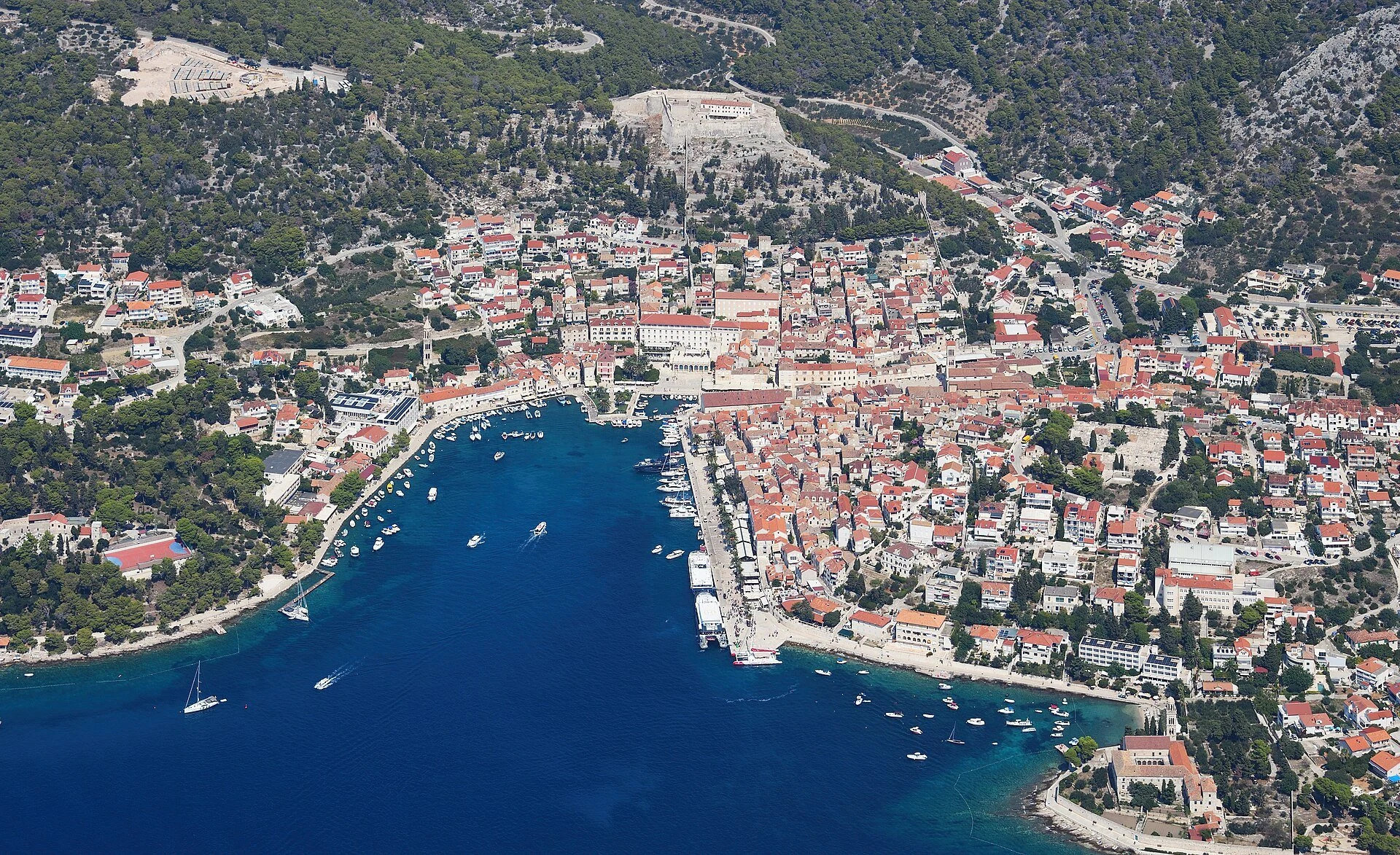
Bastijana in Hvar is defined by atmosphere rather than by a long list of service details. The confirmed setting is an authentic, traditional winery atmosphere with an underground cellar carved into bedrock, a tasting room modeled after ancient Roman dining rooms, and a rustic, historic, intimate, hidden-gem feel. That combination gives the venue its clearest identity: not a place to describe through extras, but one to understand through stone, enclosure, tradition, and a sense of being slightly from the more obvious island circuit.
Bastijana is best understood as a Hvar winery setting rather than as a generic island stop. The details are focused on place and atmosphere: a traditional winery environment, underground stone, and a room shaped by ancient Roman dining-room references. Those elements point toward a visit where the architecture and mood are central to the expectation. Specifics about menu formats, grape varieties, service languages, reservations, food pairings, or operating details are not confirmed here, so the safest reading is architectural and experiential rather than programmatic.
The Sunday letter
Find new places through the people who run them.
Our Sunday email brings you the chefs, winemakers and hoteliers behind our newest stories. See a sample before you subscribe.
See a sample of the Sunday emailOne email a week. Unsubscribe from any issue.
Bedrock, Roman references, and the island cellar tradition
The room matters here because it frames the experience before anything else. A cellar cut into bedrock is the defining feature, while the tasting room modeled after ancient Roman dining rooms adds a historical reference to the setting. Together, those details create a strong sense of place without needing a long catalogue of amenities. The bedrock element suggests weight, coolness, and permanence; the Roman reference gives the room a deliberate historical vocabulary; the traditional winery character keeps the experience grounded in a local, cellar-led context.
For Bastijana, the identity is rustic, historic, intimate, and traditional, with the underground cellar as the central feature. Those words are doing the important work. Rustic here points to a setting that should be read through texture and material rather than polish alone. Historic points to the way the space borrows from older architectural and cultural references. Intimate suggests scale and mood more than spectacle. Claims about founding dates, named winemakers, production scale, language options, or specific visit formats should not be treated as confirmed from the available information.
That makes the draw direct: this is a Hvar winery atmosphere built around stone, history, and a hidden-gem feeling. Visitors looking for a highly documented menu, published tasting structure, or detailed service promises should confirm those practical points directly before planning around them. The reliable appeal is not a checklist of logistics, but the possibility of entering a cellar environment where the physical setting is the main event and where the experience is shaped first by the underground room itself.
What Hvar does well
A useful way to approach Bastijana is through setting rather than unsupported specifics. What is confirmed is the atmosphere: an authentic, traditional winery environment with an underground cellar carved into bedrock and a tasting room modeled after ancient Roman dining rooms. In a Hvar context, that matters because the island is often experienced through landscape, stone, old interiors, and places where the built environment carries much of the memory. Bastijana fits that broader pattern by leaning into a cellar atmosphere rather than presenting itself as a generic venue.
That is still meaningful for a Hvar itinerary. Bastijana’s appeal is quiet and setting-led. It rests on a cellar-focused sense of history, an interior shaped by ancient Roman dining-room references, and the feeling of stepping into a more enclosed and intimate winery atmosphere. The hidden-gem description is important here, but it should be read as a mood rather than a guarantee of exclusivity or obscurity. The value lies in the contrast between the island outside and the underground, bedrock-carved space inside.
The price level is listed as $$, which places Bastijana in a moderate bracket. Without confirmed details on formats or inclusions, that price marker should be treated only as a broad guide rather than a complete planning tool. It helps set expectations at a general level, but it does not replace direct confirmation of what is available, how a visit is structured, or what practical arrangements may be required.
How to place it in a Hvar itinerary
On Hvar, Bastijana works well for visitors drawn to historic atmosphere, traditional winery character, and the physical drama of an underground bedrock cellar. It is best placed in an itinerary as an atmospheric stop: somewhere to appreciate an intimate, rustic setting and the way a carved cellar can define the entire experience. Travelers who prioritize published menus, detailed tasting formats, or fully documented service features should keep expectations carefully framed and verify the practical pieces in advance.
For comparison, keep the frame local and simple: Bastijana is its own Hvar reference point, and other dining or drinking options on the island can be considered generically around it. Its particular strength is not breadth of confirmed detail, but clarity of mood. The traditional winery environment, Roman-modeled tasting room, and bedrock cellar are the core reasons to pay attention, and they are enough to position Bastijana as a setting-led Hvar venue with a distinctive underground character.
Questions
Frequently asked
Who works at Bastijana?
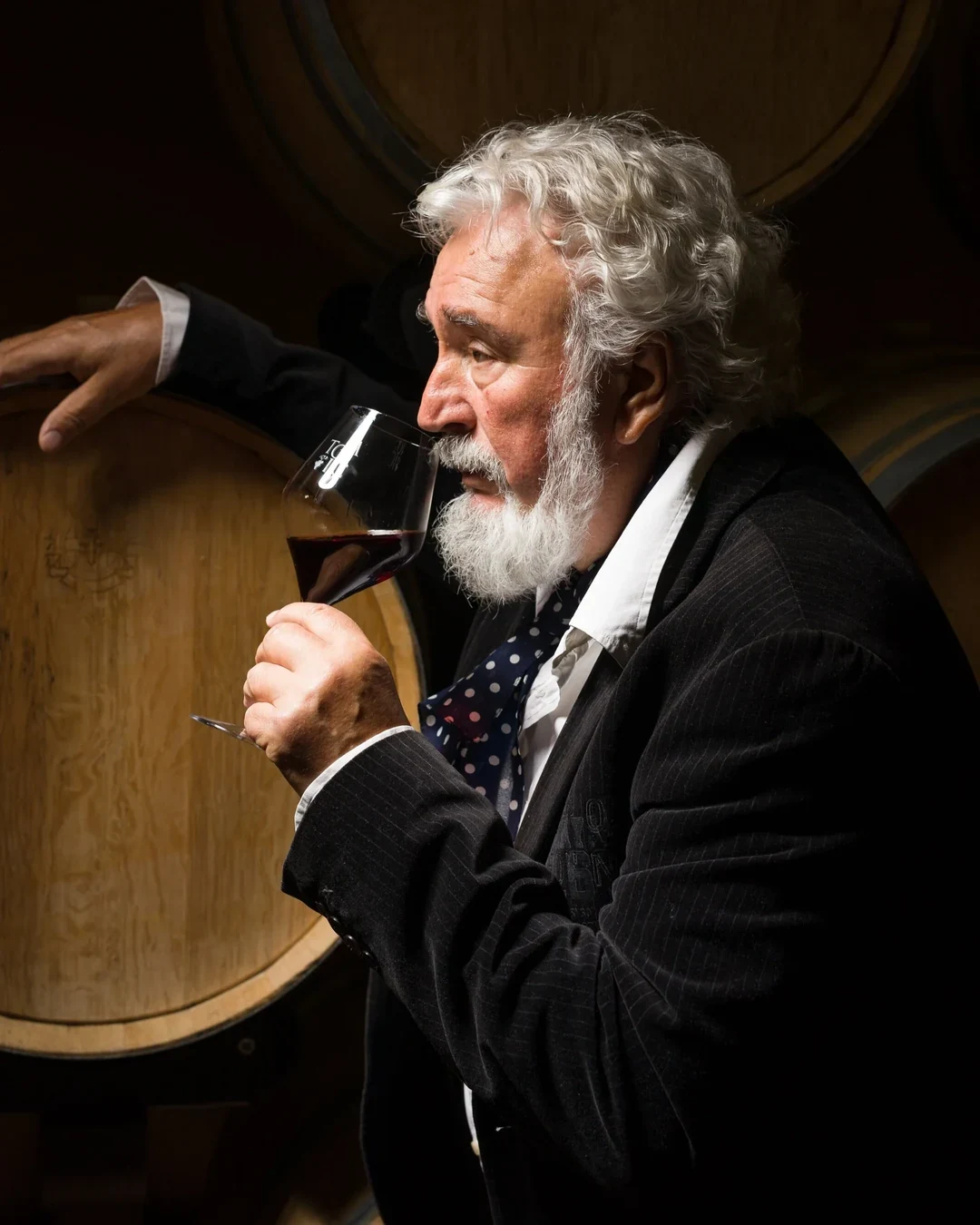
Made By profiles Andro Tomić (Winemaker) at Bastijana.
How expensive is Bastijana?
Bastijana is listed at a price level of $$.
The field
How it compares
| Place | Notes |
|---|---|
| Bastijana | Jelsa, $$ |
| Domaine Bonneau du Martray | Pernand-Vergelesses |
| Harlan Estate | Napa |
| Masseto | Castagneto Carducci |
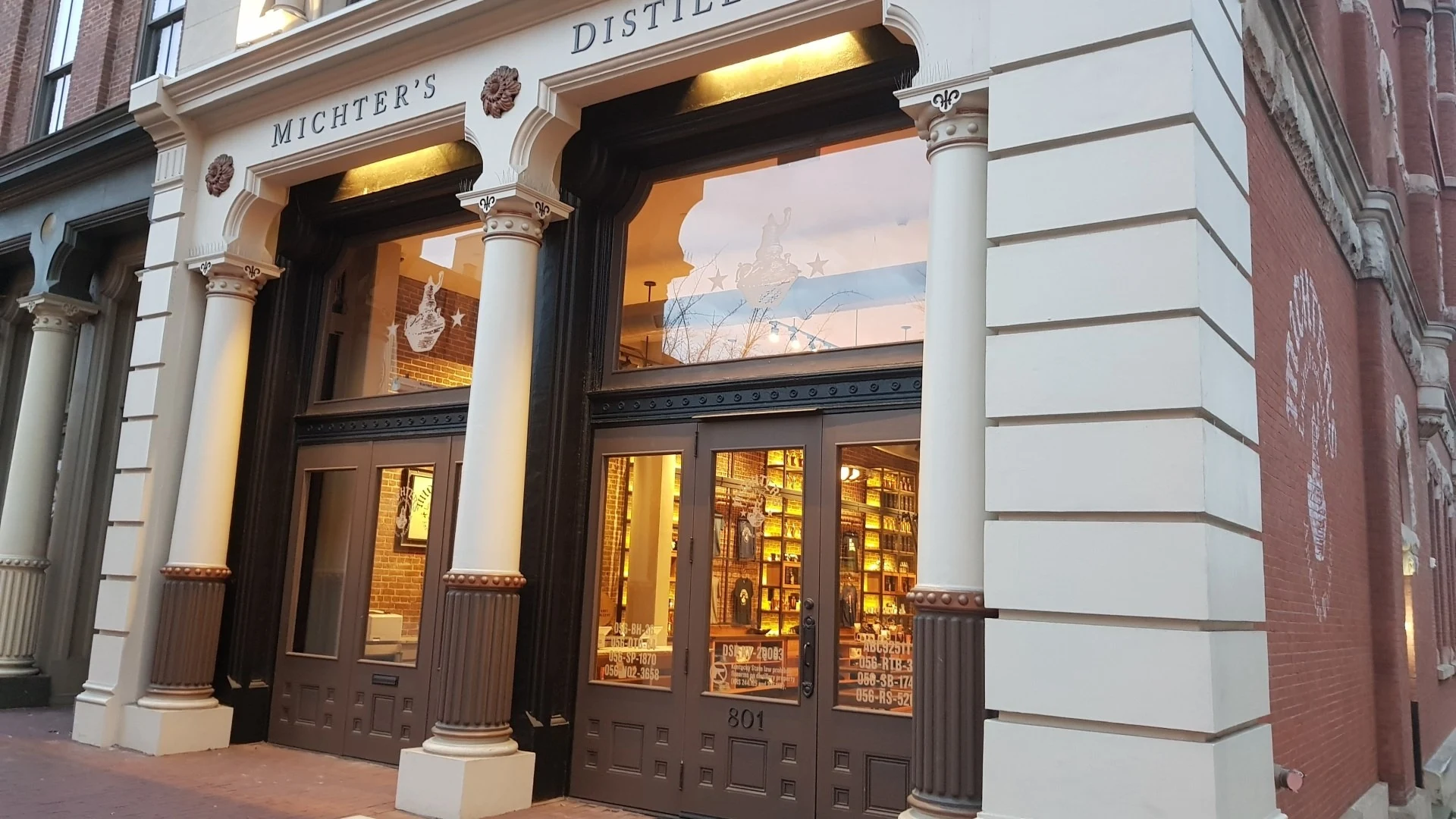
| Michter's | Louisville |
| Scarecrow | Napa |
| Vino Hvar | Hvar |
In residence
Similar places

The Sunday letter
Get the next Made By story in your inbox.
We send one email every Sunday morning with the places and people we covered that week.
See a sample of the Sunday emailOne email a week. Unsubscribe from any issue.