- Falstaff Winery - Listed · 2026
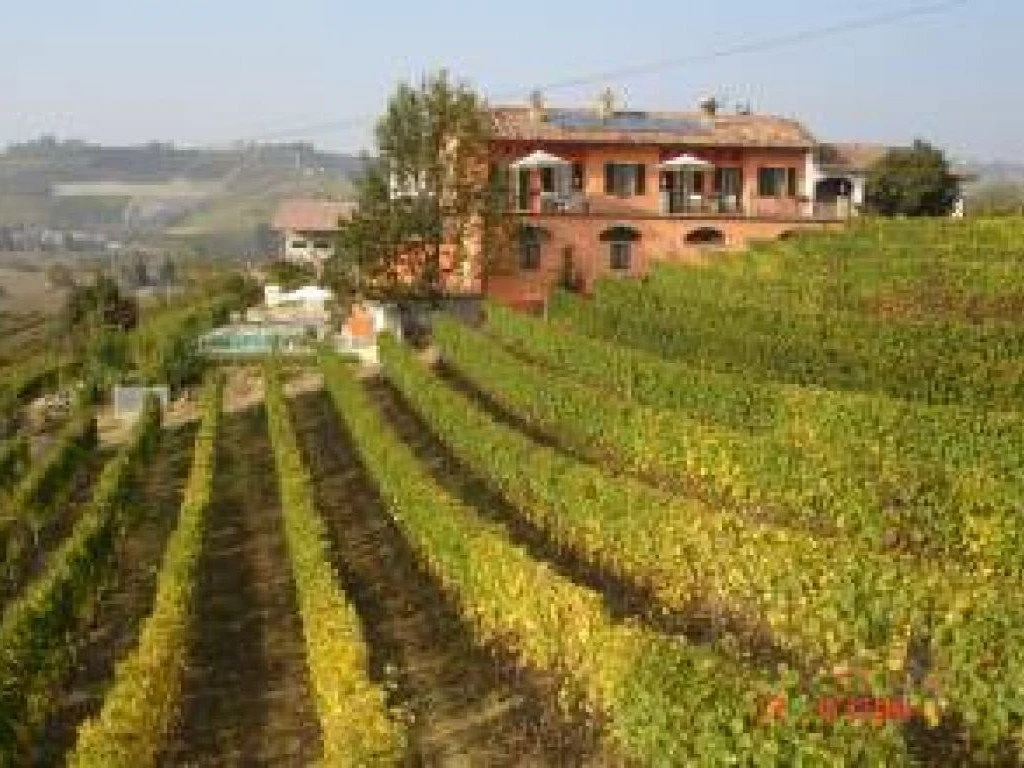
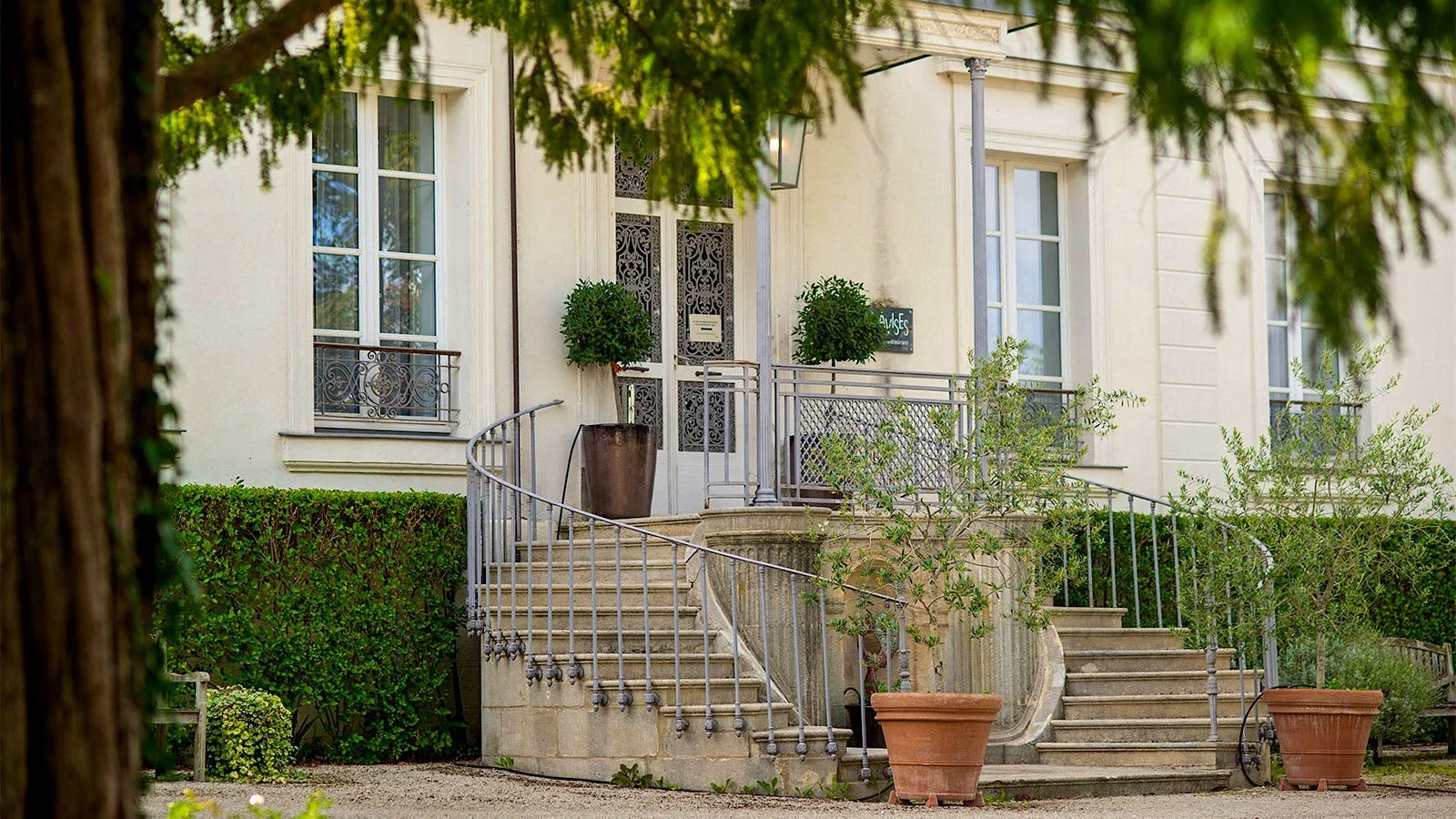
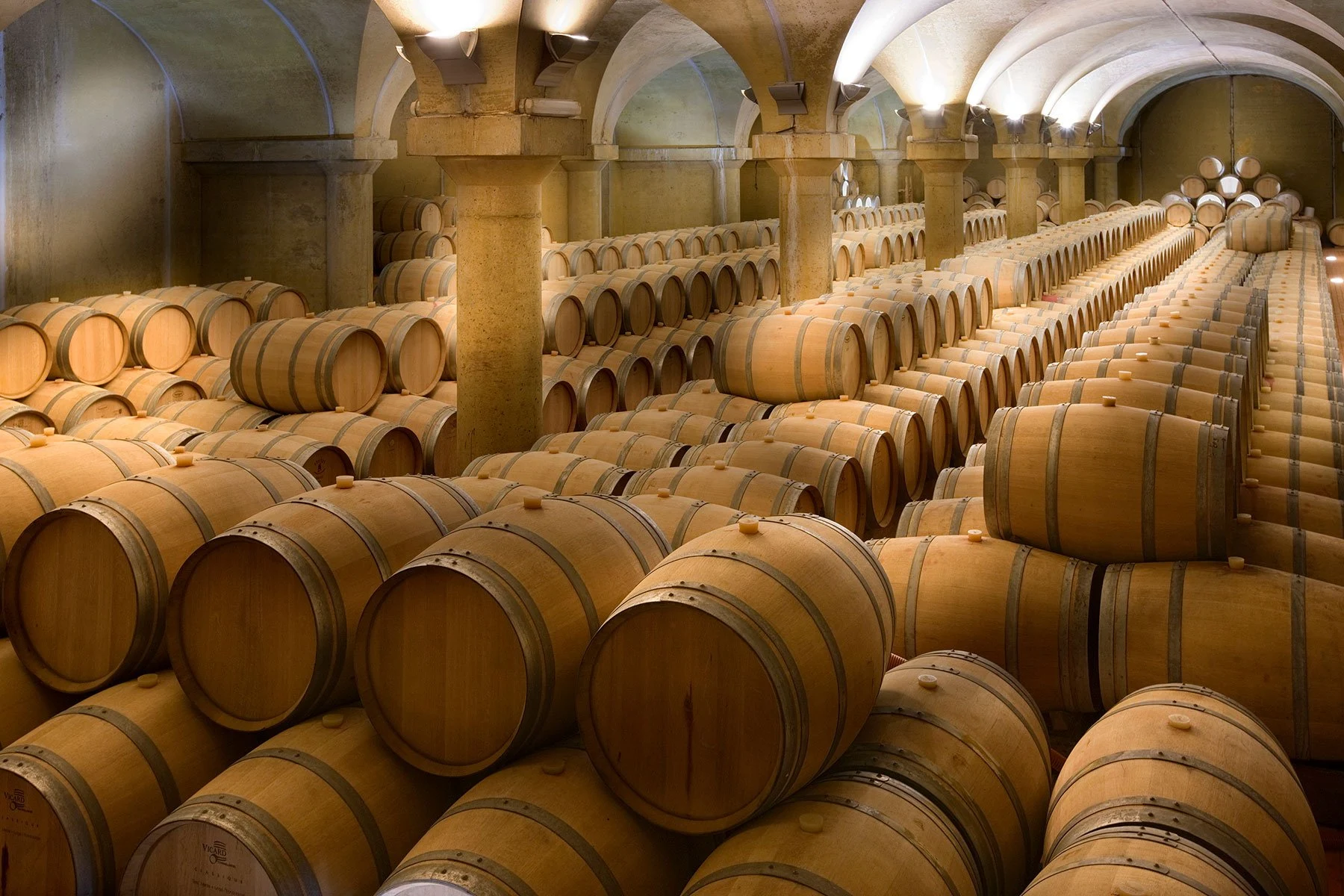
The approach to Bel Sit is defined by Piedmont’s quieter geometry: vineyard rows around an amphitheater-shaped hill, a traditional cellar, and the rural calm of Castagnole Delle Lanze. Set between Langhe and Monferrato, the estate atmosphere is focused on Barbera d’Asti and on guided tastings in a scenic countryside setting. It reads less like a place built around spectacle and more like a stop where the structure of the land, the cellar, and the local wine identity do the work. The first impression is therefore regional and restrained: a winery shaped by its position in the countryside and by the particular importance of Barbera d’Asti here.
Bel Sit is best understood as a wine stop rather than as a restaurant-style venue. The draw is the setting: a historic Piedmont winery with a cellar visit atmosphere, quiet views, and a Barbera d’Asti focus. Pricing is listed at $30 per person. That framing matters, because it sets expectations correctly. This is not presented as a meal-led destination or as a broad hospitality complex, but as a focused estate visit where the value is in the guided tasting, the cellar context, and the sense of being in Castagnole Delle Lanze rather than in a generic tasting room.
Barbera from an amphitheater-shaped hill
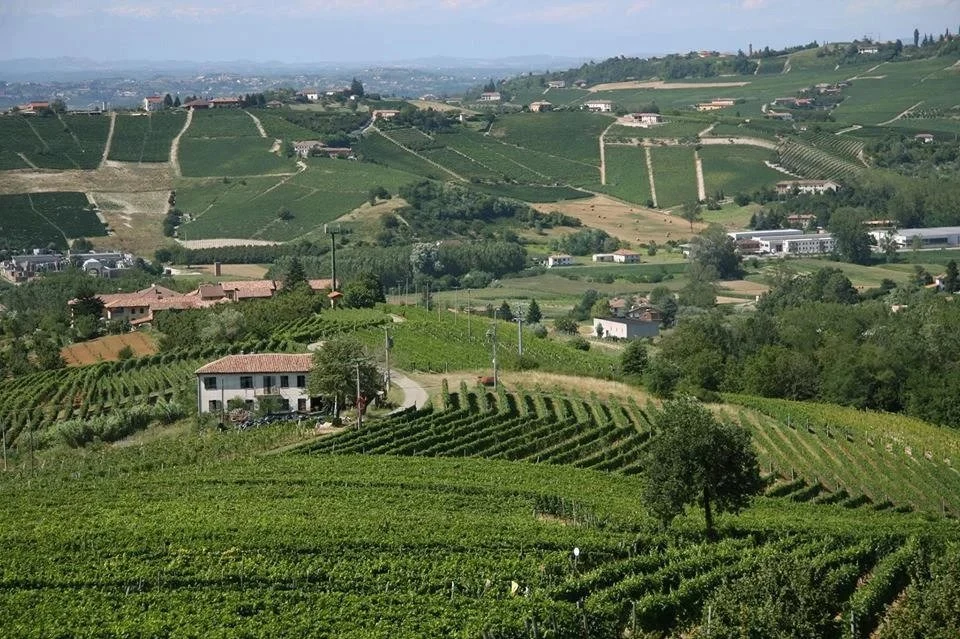
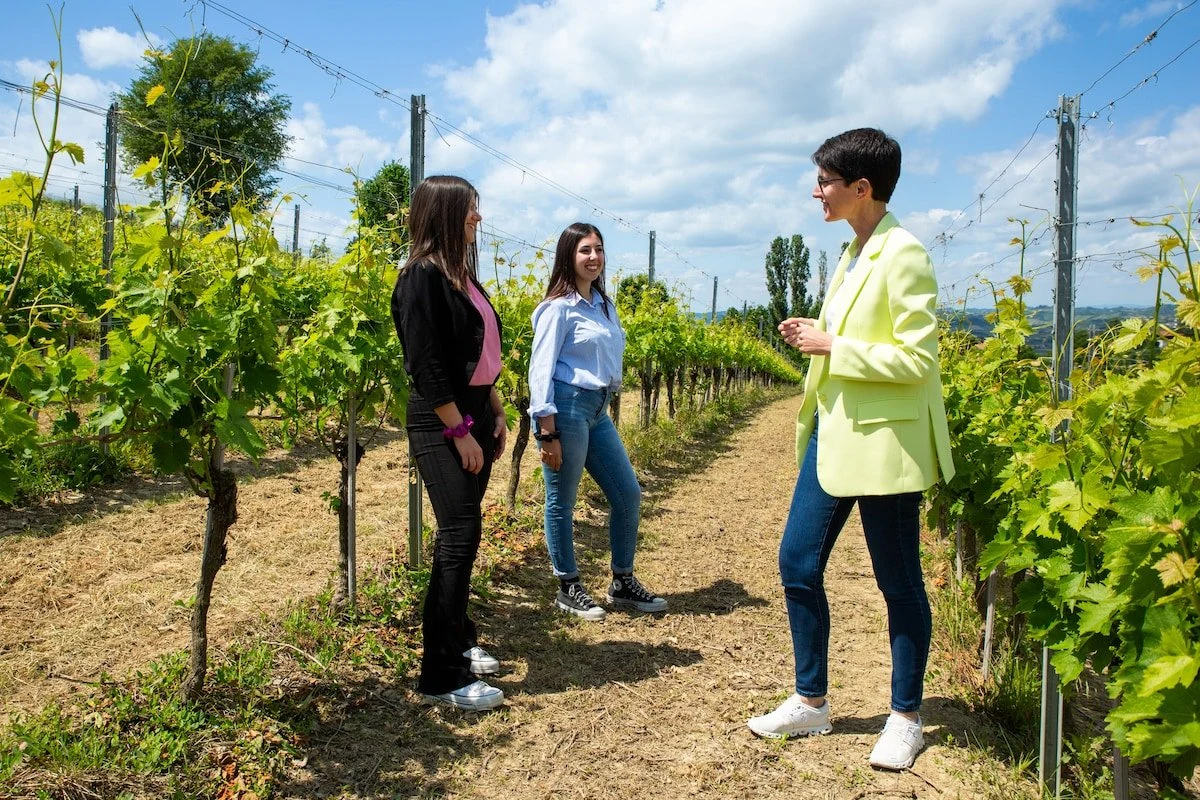
The strongest reading of Bel Sit is through its landscape. The estate is set on an amphitheater-shaped hill in Castagnole Delle Lanze, between Langhe and Monferrato, which gives the visit a clear regional frame. Rather than presenting a broad, generic tasting-room identity, the experience is centered on Barbera d’Asti and the surrounding countryside. The amphitheater-shaped hill is not just a visual detail; it helps explain why the place feels so tied to its immediate setting, with vineyard rows and rural quiet forming the backdrop to the visit.
What can be stated confidently is that Bel Sit presents a historic winery setting with a traditional cellar and a guided tasting format focused on Barbera d’Asti. That combination gives the experience a direct structure: arrive for the estate atmosphere, move through the cellar context, and taste with Barbera d’Asti as the central reference point. The historical and traditional elements are important because they support the sense that this is a wine visit rooted in place rather than a polished concept detached from its surroundings.
That makes the venue useful for travelers who want a slower Piedmont stop built around place, scenery, and the local wine identity of Castagnole Delle Lanze. The appeal is not a documented fine-dining format or a confirmed restaurant menu; it is the estate atmosphere and the guided wine experience. Visitors looking for an expansive restaurant description should treat that absence as meaningful rather than as a gap to fill in. Bel Sit’s strength, based on the available information, is narrower and clearer: countryside, cellar, and Barbera d’Asti.
A guided cellar visit with a clear regional lesson
The hospitality is described through guided tastings rather than casual walk-through service. That suggests a visit with some interpretation built into it, where the tasting is not simply a pour in isolation but part of a cellar-led encounter with the estate. Within the limits of what is known, the guided format is one of the most important practical details, because it helps define the pace and purpose of the stop.
For visitors who arrive in Piedmont with Barbera d’Asti in mind, Bel Sit offers a grounded way to connect the wine to Castagnole Delle Lanze itself. The quiet countryside setting is part of the experience, as is the sense of a historic estate between Langhe and Monferrato. The location gives the tasting a useful geographic clarity: the wine is not being encountered abstractly, but in the rural landscape that frames the estate and gives the visit its mood.
The atmosphere is scenic and countryside-based. It is best imagined as calm rather than busy, with the emphasis falling on the winery environment, the traditional cellar, and the surrounding views. That restraint is central to the venue’s identity. Bel Sit does not need to be overstated to make sense; its appeal is precisely that it offers a composed Piedmont wine stop where the setting and the Barbera d’Asti focus remain in the foreground.
How to place it in a Castagnole Delle Lanze itinerary
Castagnole Delle Lanze rewards a slower itinerary, especially for travelers interested in wineries and countryside views. Bel Sit can anchor that kind of day with a guided Barbera d’Asti tasting in a traditional cellar setting, leaving meals, lodging, and other plans to be arranged around the wider local area. It is the sort of stop to build around a deliberate pause rather than a rushed checklist item, because the available appeal is tied to scenery, cellar atmosphere, and the pleasure of being in a quieter rural part of Piedmont.
For comparison, keep the focus on Bel Sit itself and on other Castagnole Delle Lanze venues in general terms. The information here supports Bel Sit as a scenic historic winery stop, not a basis for ranking it against named outside venues or making unsupported claims about specific nearby wineries. In practical terms, that means treating Bel Sit as a clear, focused inclusion for travelers seeking Barbera d’Asti and a traditional cellar visit, while avoiding assumptions about dining, broader amenities, or competitive standing that the available description does not establish.
Questions
Frequently asked
Who works at Bel Sit?
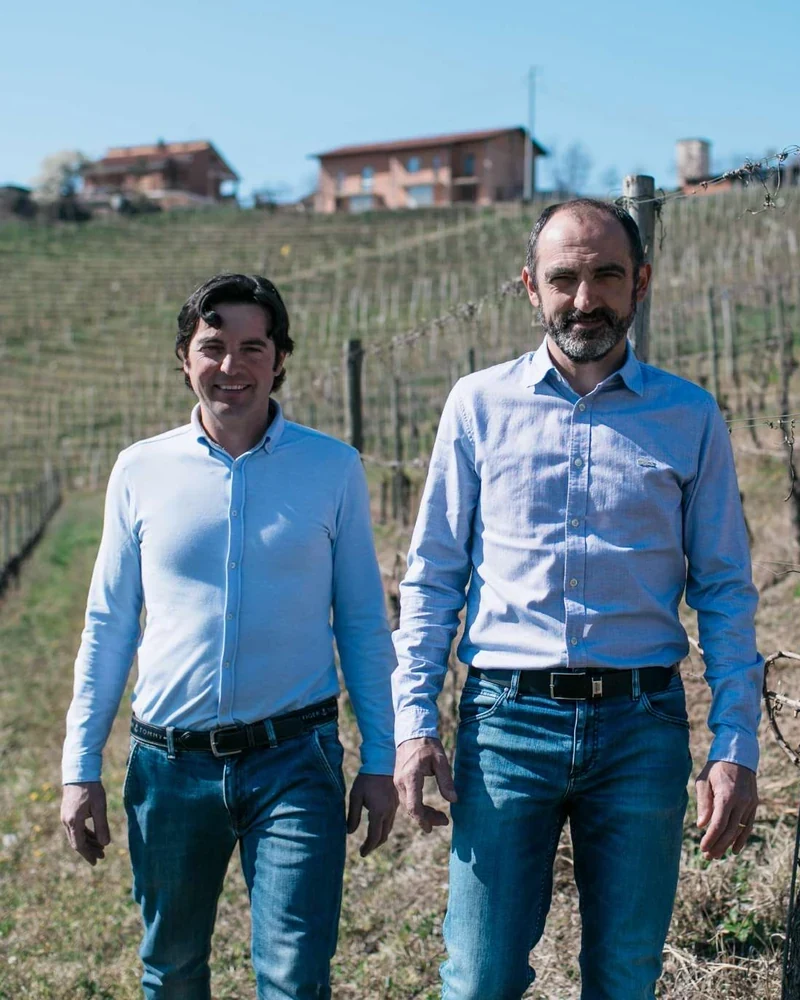
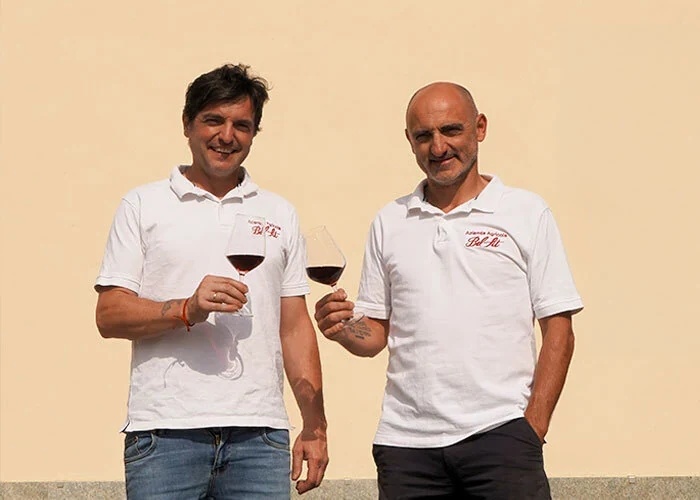
Made By profiles Andrea Scavino (Winemaker) and Gianpiero Scavino (Winemaker) at Bel Sit.
How expensive is Bel Sit?
Bel Sit is listed at a price level of $$.
The field
How it compares
| Place | Notes |
|---|---|
| Bel Sit | Castagnole delle Lanze, $$ |
| Cascina Galarin | Castagnole Delle Lanze |
| Criolin | Castagnole Delle Lanze |
| Dogliotti 1870 | Castagnole Delle Lanze |
| Gianni Doglia | Castagnole Delle Lanze |
| Jacques Selosse | Avize |
| La Spinetta | Castagnole Delle Lanze |