- Falstaff Winery - Listed · 2026
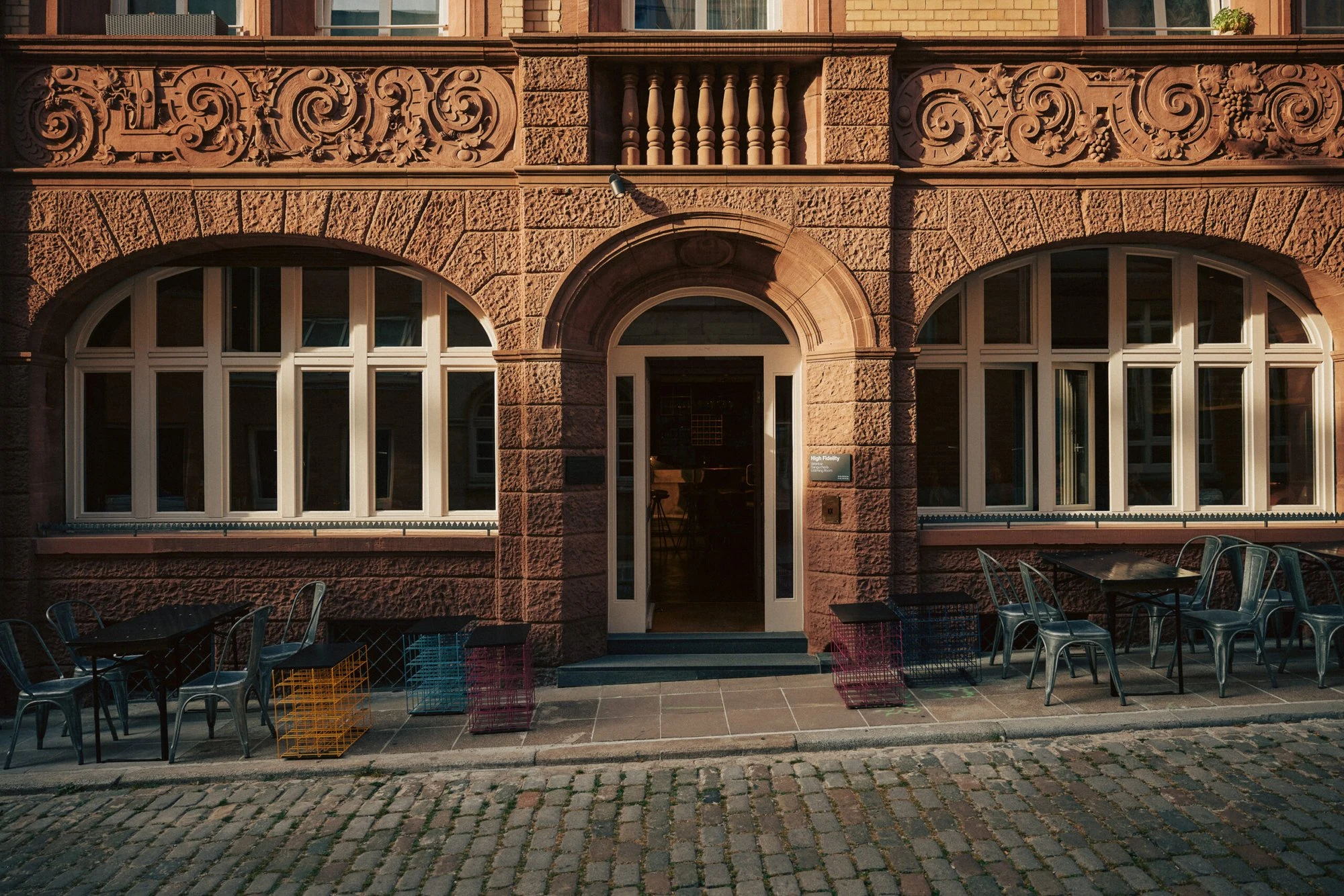
Bernd Kreis in Stuttgart is best described as a compact, design-forward urban wine shop rather than a traditional dining room. The picture is spare and social: custom minimalist shelving, a small wine-bar-style area, and a room shaped as much by conversation as by bottles. Instead of reading like a formal restaurant, it comes across as an urban wine address where the physical setting, the pace of browsing and the possibility of lingering all matter. The mood is modern, iconic and trendy without needing a formal restaurant script.
Music is part of the atmosphere. Jazz, rock, salsa, blues and punk may all sit within the room’s character, giving the shop a more relaxed, conversational energy than a hushed retail setting. That range also helps explain why the venue feels less like a silent display of bottles and more like a compact social space built around wine, taste and informal exchange. For visitors planning a Stuttgart stop, the useful frame is simple: Bernd Kreis is a wine-focused urban venue with $$ pricing and a distinctive design sensibility.
A compact Stuttgart wine-shop identity
Bernd Kreis is a Stuttgart wine shop with a compact, contemporary format and a social wine-bar-style area.
That makes it a useful option for guests who want a wine-oriented setting without the formality of a full restaurant description. The shelves, the smaller wine-bar-style area and the curated music all point to a place where browsing, talking and spending time on site are part of the appeal. The compactness is important: it suggests an experience defined by proximity, by the way guests move through a focused room, and by the way a wine shop can become a social stop without turning into a conventional dining venue.
The strongest confirmed identity is atmospheric rather than biographical: design-forward, urban, modern and conversational. Bernd Kreis should be approached as a Stuttgart wine shop with a distinctive room and a relaxed social tone, not as a page built around accolades or detailed inventory claims. Its appeal is therefore less about a long list of external markers and more about how a carefully shaped space can support a particular kind of visit: informal, wine-led, design-conscious and easy to fold into a broader day or evening in the city.
A wine shop that behaves like a social bar
The design is central to the experience. Custom minimalist shelving gives the venue a clean, contemporary feel, while the small wine-bar-style area brings guests closer together than a conventional retail layout might. The result is compact and social, suited to conversation rather than ceremony. Nothing in the description requires a heavy dining-room narrative; the venue’s character comes from the balance between retail clarity and the more relaxed rhythm of a place where people may pause, talk and engage with wine in a less formal way.
Music sharpens that identity. A mix that can include jazz, rock, salsa, blues and punk keeps the mood open and informal. Those genres imply a space comfortable with contrast: polished in its design language, but not stiff in its atmosphere. In Stuttgart, Bernd Kreis stands out less through a documented menu or service format than through this combination of wine-shop function, modern design and conversational atmosphere. The point is not volume or spectacle, but texture, a backdrop that makes the room feel alive while still leaving wine and social exchange at the centre.
For travellers, the practical reading is direct: come expecting a compact urban wine shop with $$ pricing, a curated musical backdrop and a setting that encourages social exchange. It is best understood as a stop for people who value atmosphere as well as bottles, and who are looking for a place that feels contemporary without becoming formal. Details beyond that should be confirmed directly with the venue before planning around them.
How to place it within a Stuttgart wine itinerary
Bernd Kreis can sit naturally within a Stuttgart wine-focused itinerary as a design-led urban wine shop. It works especially well in that mental category because the description is clear about mood and format: compact, modern, social and wine-oriented, with enough bar-like energy to make it more than a simple retail errand.
When comparing it with other dining or drinking options in Stuttgart, the differentiator is not a confirmed award, chef, menu or seat count. It is the compact shop format, minimalist shelving, small wine-bar-style area, curated music and social, conversational feel. Travellers should place it accordingly: not as a restaurant substitute built on a detailed food offering, and not as a purely transactional shop, but as an urban wine venue whose identity comes from the meeting point of design, bottles, music and conversation.
Questions
Frequently asked
Who works at Bernd Kreis?
Made By profiles Bernd Kreis (Winemaker) at Bernd Kreis.
How expensive is Bernd Kreis?
Bernd Kreis is listed at a price level of $$.
The field
How it compares
| Place | Notes |
|---|---|
| Bernd Kreis | city centre / Schillerplatz, $$ |
| Collegium Wirtemberg | Stuttgart |
| Ruxwein | Stuttgart |
| Weinfactum Bad Cannstatt GmbH | Stuttgart |
| Weingärtnergenossenschaft Rohracker | Stuttgart |
| Weingut Schwarz | Stuttgart |
| Weingut Warth | Stuttgart |