- Falstaff Winery - Listed · 2026
Approaching wine in the Weinviertel begins with agricultural space rather than cellar theatre: open vineyard ground, working farms, and a sense that the region’s identity is still tied to soil before style. Bioweingut Johannes Zillinger belongs to that register. The point here is not a grand hospitality complex, but a biodynamic estate where the vineyard is treated as a living system and the cellar is kept deliberately restrained.
That matters in Austria because the Weinviertel can be read too narrowly through easy Grüner Veltliner shorthand. The stronger contemporary argument is broader: a generation of growers has pushed the region toward farming-led wines that show site, texture, and method. This estate sits firmly inside that movement, with Demeter biodynamics, organic farming that dates to 1984, and a family history reaching back to 1673. Those numbers are not decorative; they explain why the place feels less like a trend adoption and more like a long agricultural correction.
Weinviertel terroir read through biodynamics, not polish
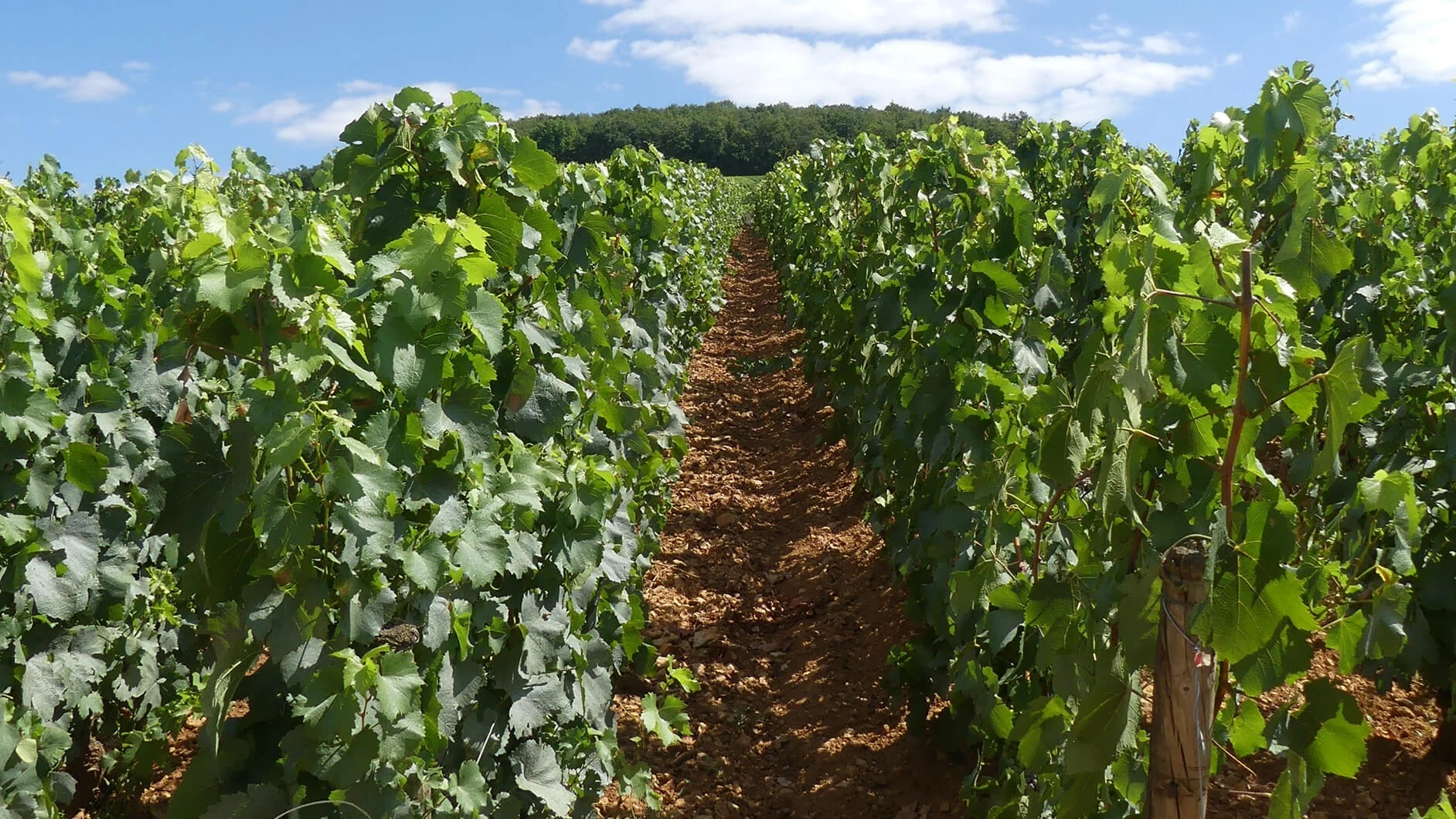
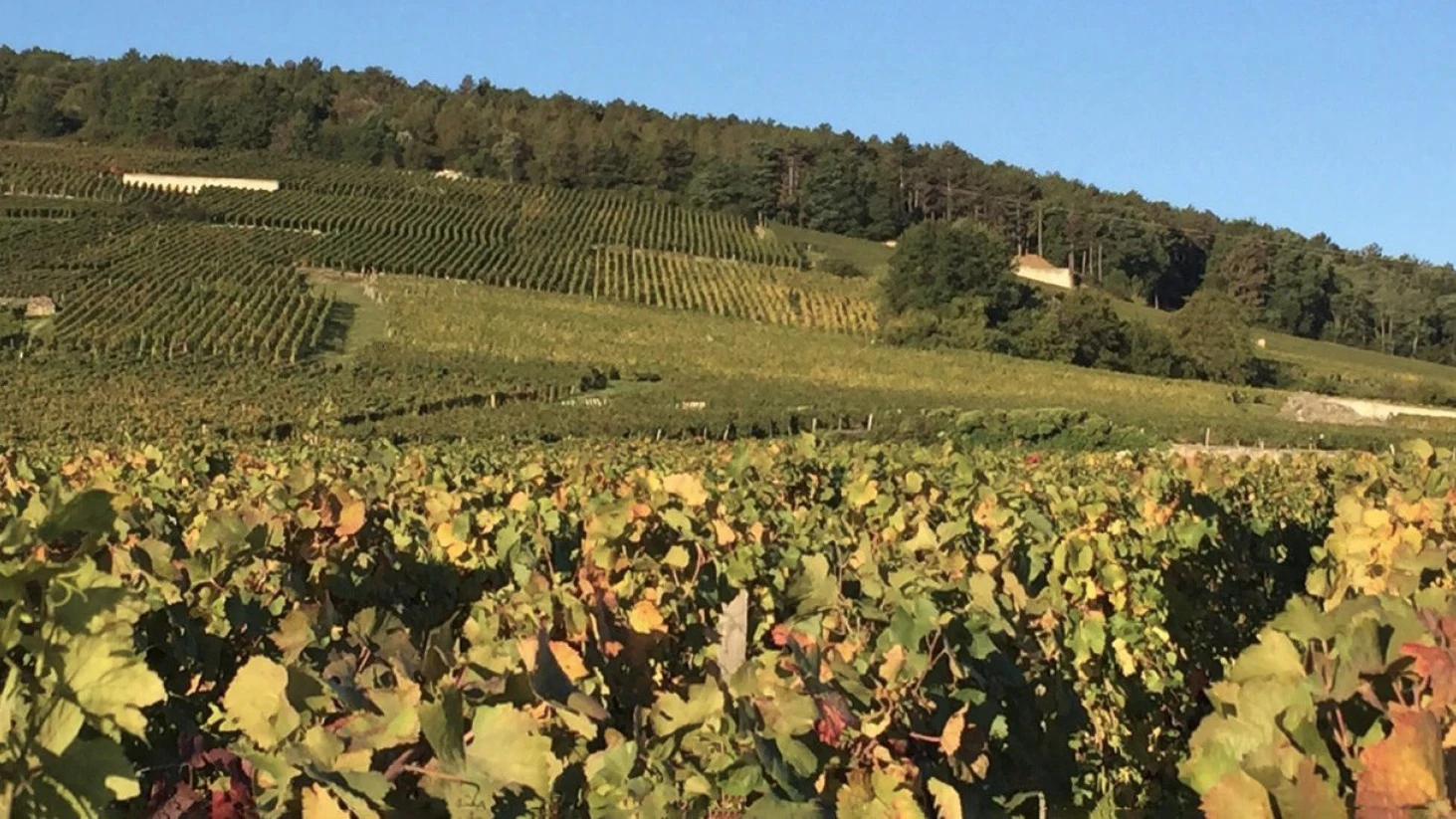
The estate’s strongest editorial case is terroir expression through farming. In a region defined by slope, loam, clay, limestone, and Central European climatic tension, Zillinger’s approach makes the vineyard the source of structure rather than relying on cellar cosmetics. The estate works 20 hectares, with Muskateller, Sauvignon Blanc and Chardonnay among the whites, and Zweigelt, Merlot and Regent among the reds. The range also includes still white, still red, sparkling and orange styles, which gives the farming philosophy several different frames.
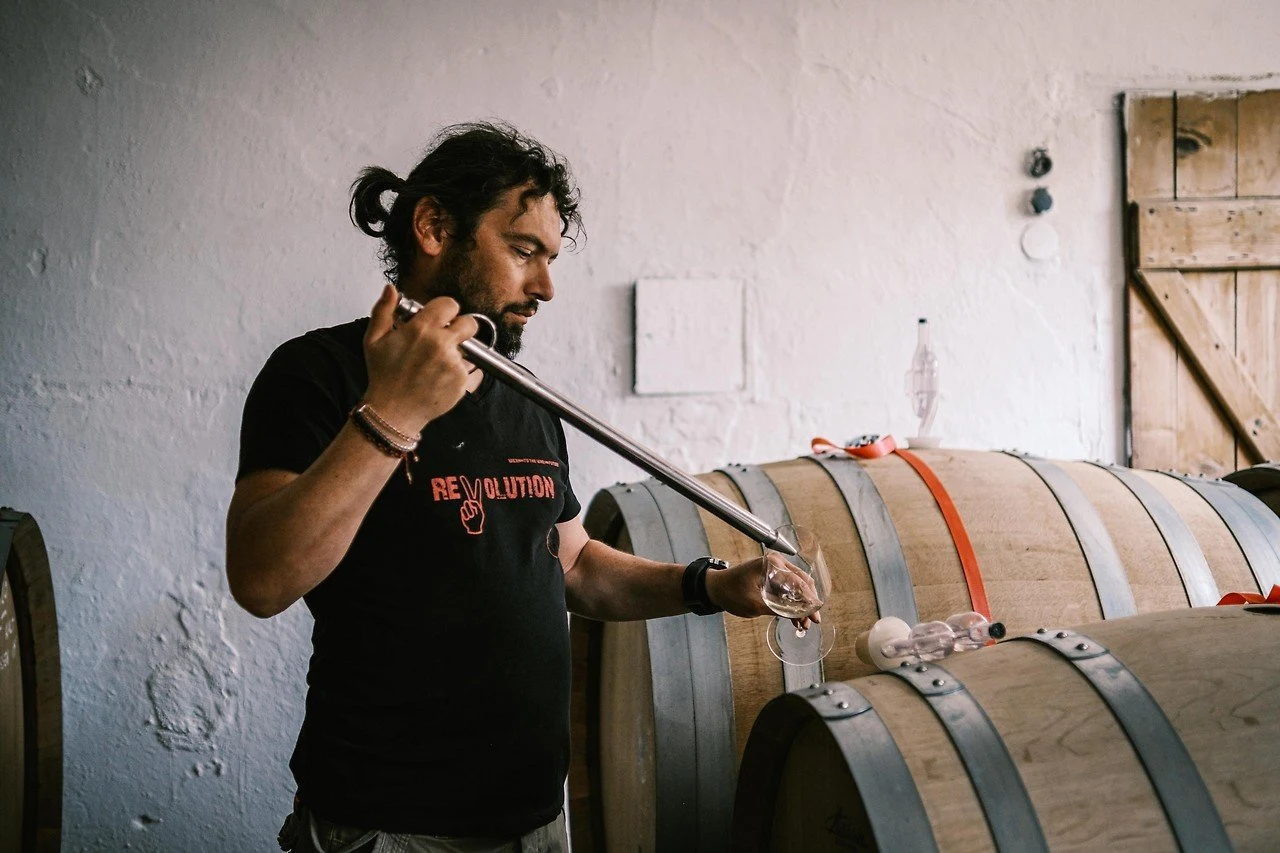
The production choices are consistent with that premise. More than 60 percent of the wines are made in amphorae and large wooden casks, with spontaneous fermentation and a low-intervention cellar approach. The REVOLUTION wines use a solera method, while the NUMEN line includes sulphite-free ageing. Those methods can become gimmicks elsewhere; here they make more sense when read against the circular farm system: herbs grown for vineyard preparations, animals in the vines, trees and shrubs used to build biodiversity and moderate vineyard conditions.
Johannes Zillinger is best understood as a credential inside this broader regional shift, not as the whole story. He joined the family business in 2000 and took full control in 2013, the same year the estate moved formally into Demeter-certified biodynamics. The father’s earlier conversion to organic viticulture in 1984 gives the estate a longer sustainability timeline than many natural-wine labels that arrived with the market fashion. In practical terms, that history supports wines built around patience, texture, and agricultural coherence.
A small estate experience for drinkers who care how wine is grown
The atmosphere is quiet, rustic, and educational in the old sense of the word: the interest comes from seeing how a working wine estate thinks, not from being entertained. The setting suits solo exploration, wine education, and a more focused special-occasion visit, especially for drinkers who want to understand why biodynamics changes the conversation around Austrian wine. It is not designed around group energy, food-pairing theatre, or resort-style leisure.
The 350-year cellar context adds weight to the experience, but the better reason to pay attention is the contrast between tradition and experiment. A family winery dating to the seventeenth century now works with amphorae, large casks, solera ageing, orange wine, and biodynamic preparations. That combination is where the estate earns its place in the Austrian natural-wine conversation: old land, old cellar culture, modern farming discipline.
For Velm Gotzendorf, this is also a useful corrective to the idea that serious wine travel has to orbit famous villages. The draw is quieter: a small-production estate in Lower Austria where biodiversity, soil health, and cellar restraint sit at the center of the visit. Readers mapping a wider local itinerary can pair this page with Our full Velm Gotzendorf wineries guide, while nearby context across categories sits in Our full Velm Gotzendorf restaurants guide, Our full Velm Gotzendorf hotels guide, Our full Velm Gotzendorf bars guide, and Our full Velm Gotzendorf experiences guide.
How to read the portfolio
The portfolio is broad enough to reward drinkers who think in categories rather than labels. The PARCELLAIRE wines point toward site specificity, the REVOLUTION series toward controlled experimentation, and the NUMEN wines toward a more patient, low-sulphur expression of fruit and structure. Entry-level pricing signals sit in the moderate range for the category, while the estate’s overall price level is marked as $$.
The editorial recommendation is simple: treat the wines as an argument about farming first. The whites are not merely regional whites, and the orange and solera bottlings are not just natural-wine signifiers. They are part of a system that links soil, livestock, herbs, cellar vessel, and time. That is the reason to prioritize this estate over a more conventional tasting stop if the goal is to understand where Austrian low-intervention wine is heading.
For broader wine-travel planning, useful external points of comparison by format and geography include Meisterbetrieb Alfred Lehner, »der Steiner« Hans Steiner in Podersdorf am See, ®walzer in Gneixendorf Bei Krems, 1516 Brewing Company Distillery in Vienna, A-Nobis Sektkellerei in Zurndorf, Abfindungsbrennerei Franz in Leithaprodersdorf, Achs-Wendelin Weine in Gols, Aeijst Distillery in Sankt Nikolai im Sausal, & Handwein in Mannheim, and 00 Wines in Carlton.
Questions
Frequently asked
Who works at Bioweingut Johannes Zillinger?
Made By profiles Johannes Zillinger (Winemaker) at Bioweingut Johannes Zillinger.
How expensive is Bioweingut Johannes Zillinger?
Bioweingut Johannes Zillinger is listed at a price level of $$.
The field
How it compares
| Place | Notes | Awards |
|---|---|---|
| Bioweingut Johannes Zillinger | Velm-Götzendorf, $$ | · |
| Domaine Bonneau du Martray | Pernand-Vergelesses | · |
| Domaine Emmanuel Rouget | Flagey-Echézeaux | · |
| Harlan Estate | Napa | · |
| Masseto | Castagneto Carducci | · |
| Meisterbetrieb Alfred Lehner | Velm Gotzendorf | · |
| Mission Hill Family Estate | West Kelowna | World's 50 Best |