- Falstaff Winery - Listed · 2026
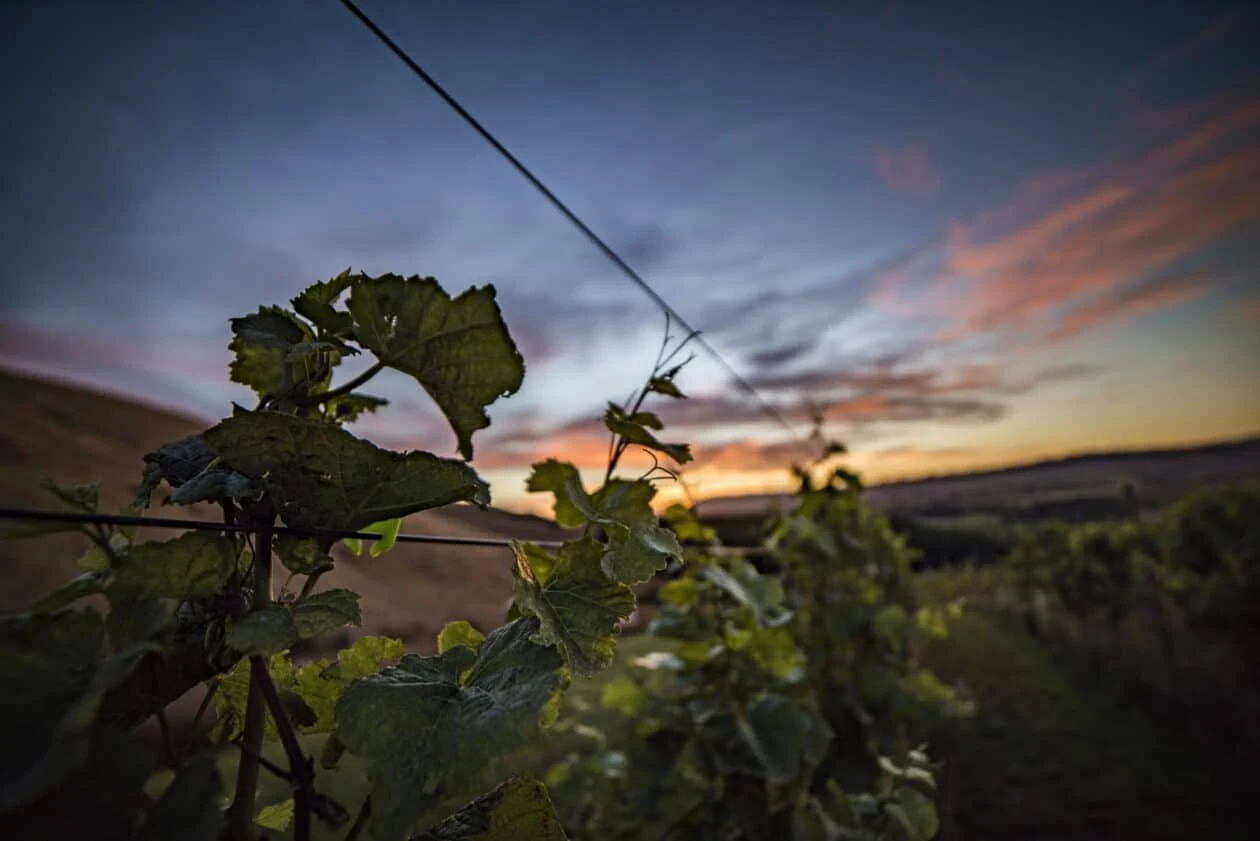
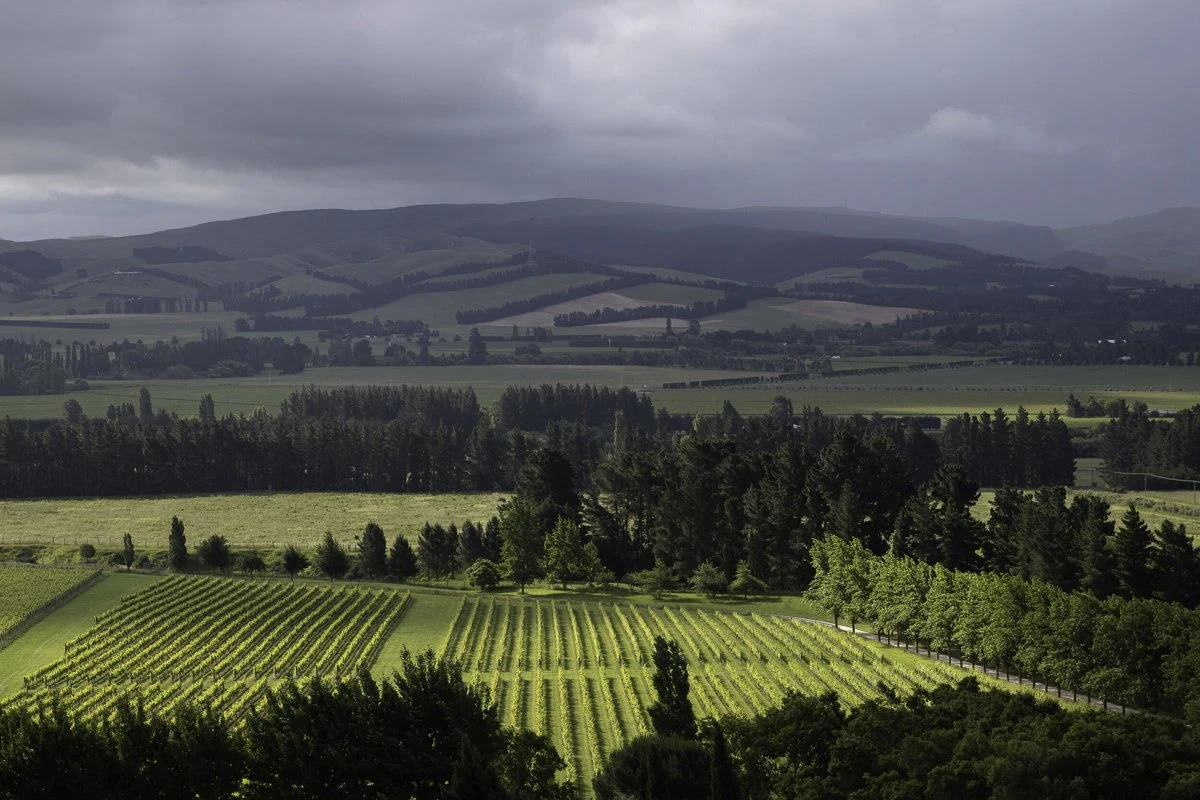
Waipara’s vineyard country rewards a slower kind of visit, and Bishops Head fits that mood: a small, family-run Waipara Valley winery with a relaxed, personal feel. The appeal is direct rather than overbuilt: guests taste wines grown and made on site, in scenic vineyard surroundings, with the chance to meet and chat with the owners and winemaker. It is the kind of place where the value of the stop comes from proximity, to the vines, to the people doing the work, and to the wines as expressions of that immediate setting.
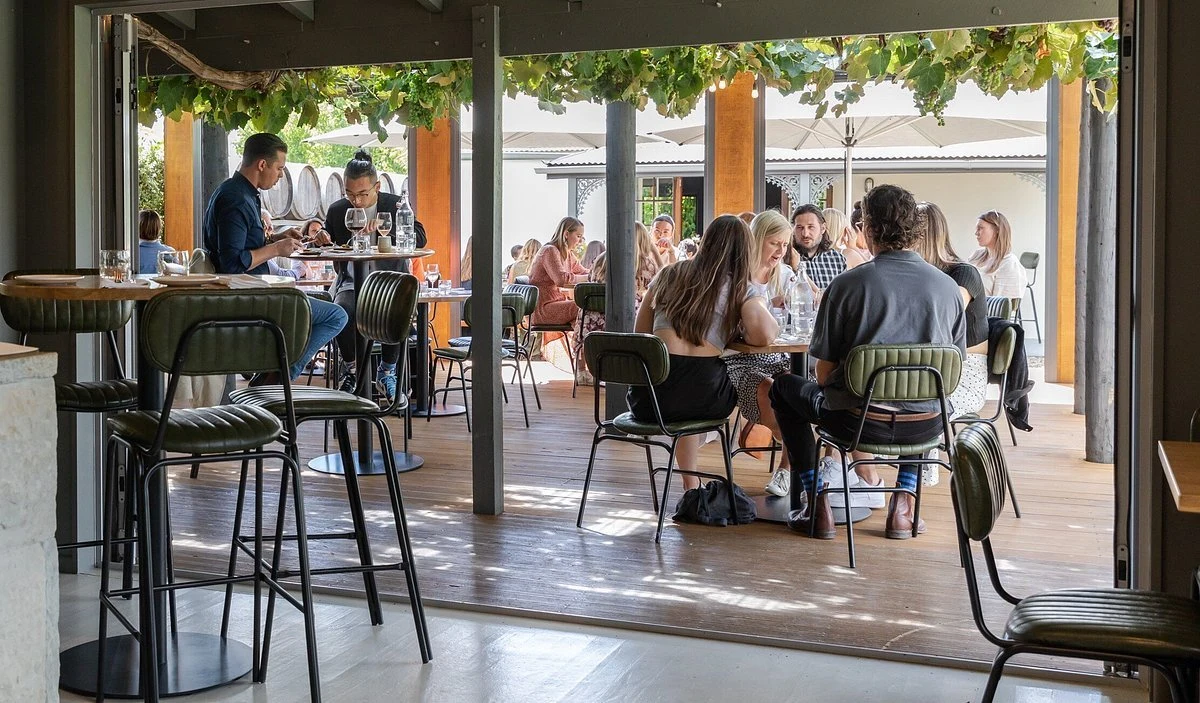
That makes Bishops Head best understood as an intimate winery stop rather than a large hospitality venue. The setting is rustic, scenic and slightly hidden-feeling, with the focus on the vineyard, the people behind the wines and the direct experience of tasting at the source. Nothing about the confirmed character of the place suggests a heavily staged or high-volume visit; its strength is that it feels smaller, calmer and more personally grounded than that. For travellers moving through Waipara, this gives Bishops Head a clear role: it is a stop for slowing down, looking around and letting the tasting unfold through conversation rather than ceremony.
Waipara, experienced through a small winery visit
Bishops Head sits within Waipara’s wine landscape as a compact, personal winery experience. Rather than framing it around grape varieties, awards or formal service details, the strongest confirmed reason to visit is the direct connection between place and glass: the wines are grown and made on site, and the tasting experience is shaped by conversation with the people involved. That connection matters because it keeps the visit anchored in the vineyard itself. Guests are not simply sampling a product in a generic room; they are tasting in the surroundings that give the visit its sense of place.
For visitors who prefer polished scale, Bishops Head may feel understated. For those looking for a relaxed, owner-led Waipara winery visit, that understatement is the point. The atmosphere is informal, scenic and personal, with the vineyard setting doing much of the work. The experience is less about being impressed by scale and more about being allowed into the rhythm of a small winery. In that sense, Bishops Head suits the traveller who values texture over spectacle: the quiet visual appeal of vineyard country, the directness of a family-run operation, and the chance to ask questions of the people closest to the wines.
A small winery tasting, not a production-line visit
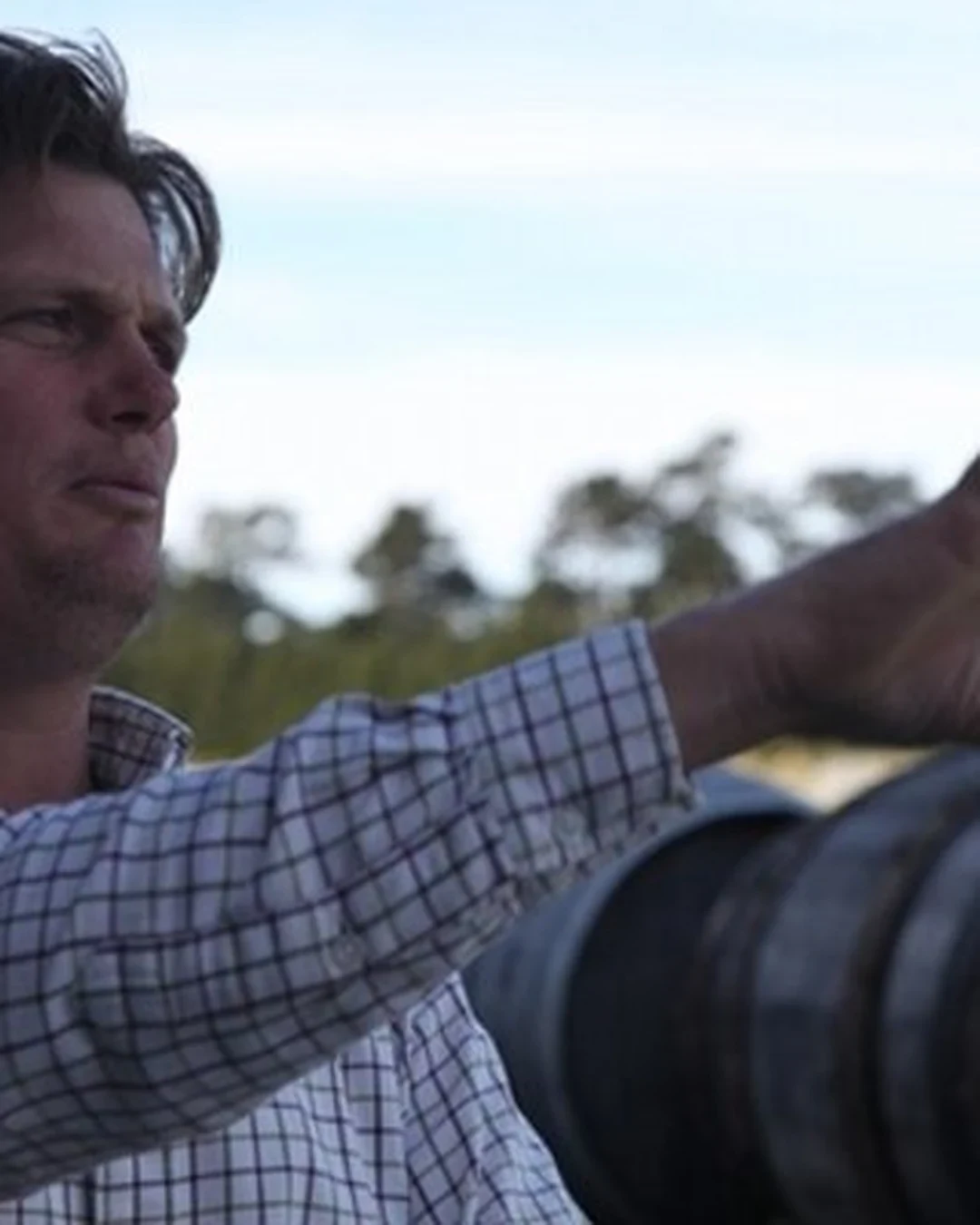
The confirmed character of Bishops Head is small, family-run and personal. Guests can meet and chat with the owners and winemaker while tasting wines from the property, which gives the visit a more intimate rhythm than a high-volume winery experience. That conversational element is central. It changes the feel of the tasting from something transactional into something more grounded, where the wines can be understood in relation to the place they come from and the people responsible for them.
That personal format is the main editorial hook. Bishops Head is not best described through claims about a particular menu, seat count, appointment policy or named wine range. It is better described as a relaxed Waipara Valley winery where the experience centres on wines grown and made on site, scenic surroundings and direct conversation. The restraint is important: the appeal does not need embellishment. A small winery can be compelling precisely because it avoids the feeling of a production line, leaving more room for a guest to notice the setting, listen to the story of the wines and experience the tasting at an unhurried pace.
For that reason, Bishops Head is most appealing when approached with the right expectations. It should not be treated as a catch-all destination promising every possible winery feature. Its confirmed strengths are narrower and clearer: a family-run scale, a rustic and scenic vineyard context, wines made from the place being visited, and the ability to speak with the people behind them. Those qualities give the visit its warmth and make it feel distinct from more formal or impersonal cellar-door experiences.
How to place it within a Waipara wine trip
Bishops Head is a good fit for a Waipara itinerary when the goal is a quieter, more personal winery visit. The draw is not spectacle or luxury staging, but a rustic and intimate vineyard setting where guests can engage with the people behind the wines. It works especially well as a counterpoint to busier or more structured stops, because its emphasis is on directness: the property, the tasting, the conversation and the sense of being in vineyard country.
For broader planning, compare Bishops Head with other Waipara wineries and dining options generically rather than assuming a like-for-like experience. Its specific strength is the relaxed family-run setting, the scenic vineyard environment and the chance to taste wines grown and made on site. Visitors building a Waipara route should think of it as a small, characterful stop rather than a large-scale destination. In practical editorial terms, that is the clearest way to position Bishops Head: not as the most elaborate expression of the region, but as a personable, place-led winery visit that reflects the quieter pleasures of Waipara’s vineyard landscape.
Questions
Frequently asked
Who works at Bishops Head?
Made By profiles Peter Saunders (Winemaker) at Bishops Head.
How expensive is Bishops Head?
Bishops Head is listed at a price level of $$.
The field
How it compares
| Place | Notes | Awards |
|---|---|---|
| Bishops Head | Waipara Valley, $$ | · |
| Fancrest Estate | Waipara | · |
| Greystone Wines | Waipara | World's 50 Best |
| Mountford Estate | Waipara | · |
| Muddy Water | Waipara | · |
| Southern Boundary Wines | Waipara | · |
| Waipara Hills Winery | Waipara | · |