Outdoor ferments, estate Pinot Noir
- Falstaff Winery - Listed · 2026
Pruning held to one pair of hands
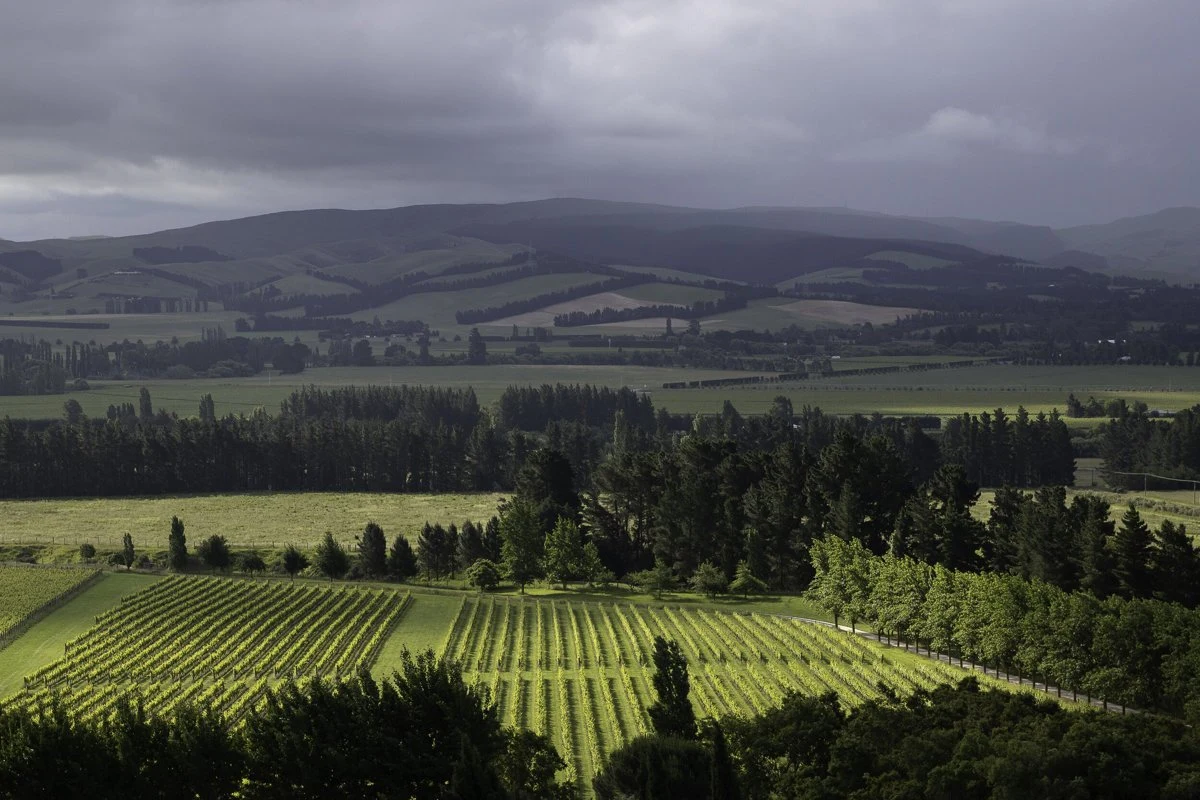
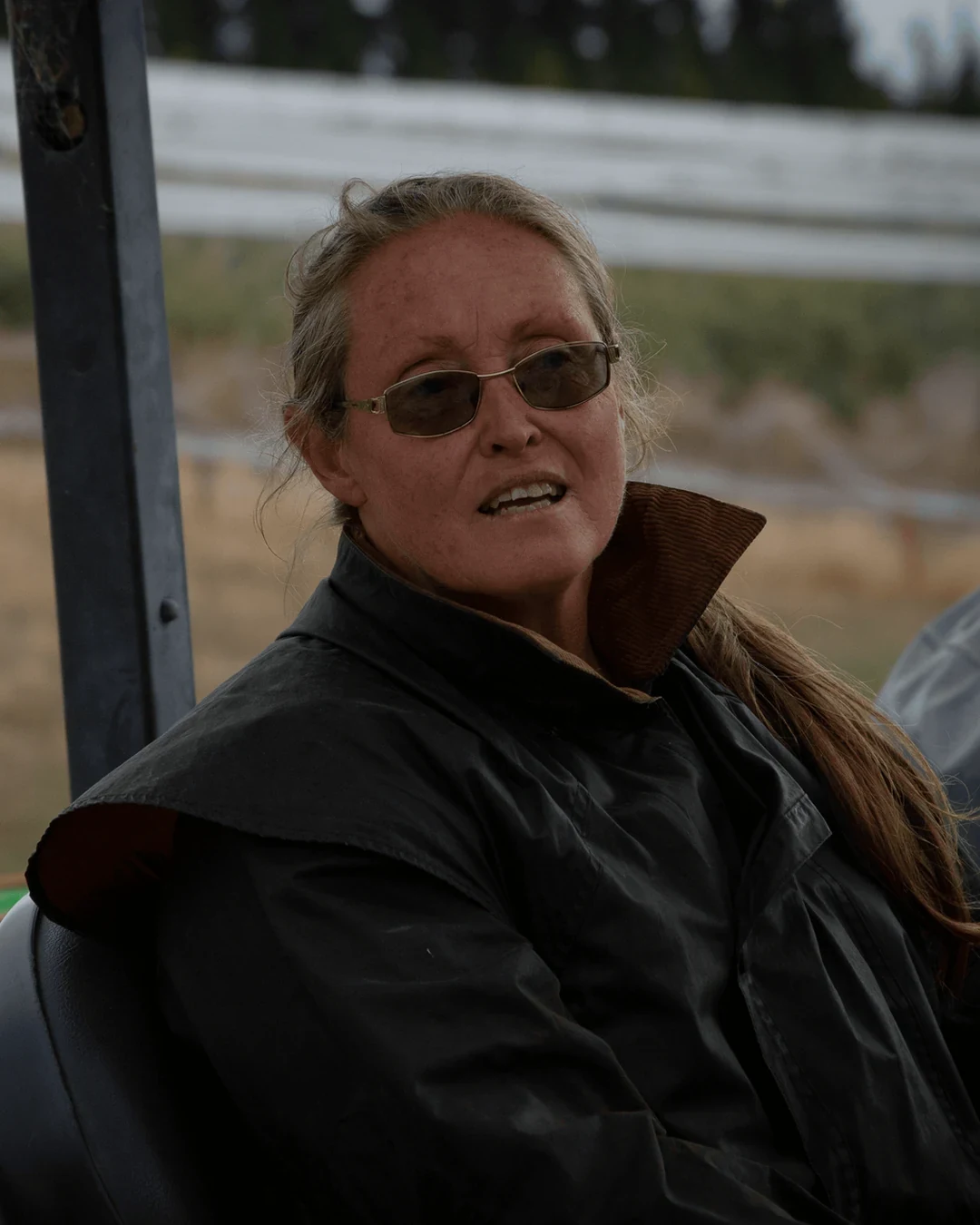
Diane Holding prunes 27,000 Pinot Noir vines herself as winemaker at Fancrest Estate in Waipara Valley. She has carried the property since 2002, when she and Ian Holding bought a North Canterbury hillside after her search for a site suited to Pinot Noir. Her titles there, owner, director and winegrower, sit close together because the work does: vineyard decisions, estate direction, and the daily care of vines all return to the same hands. Ian Holding’s role is quieter and structural, as company director of Fancrest Estate Limited and supporter of Diane’s venture, tied to the formal side of a small property whose identity rests on one grape. The estate is 13.8ha, with 5.6ha under vine, planted mainly between 2002 and 2004, with a small additional hillside area planted in 2008. Fancrest does not stretch itself across varieties. It farms Pinot Noir, then follows it into still red wine and rosé.
Outdoor ferments beside the vines
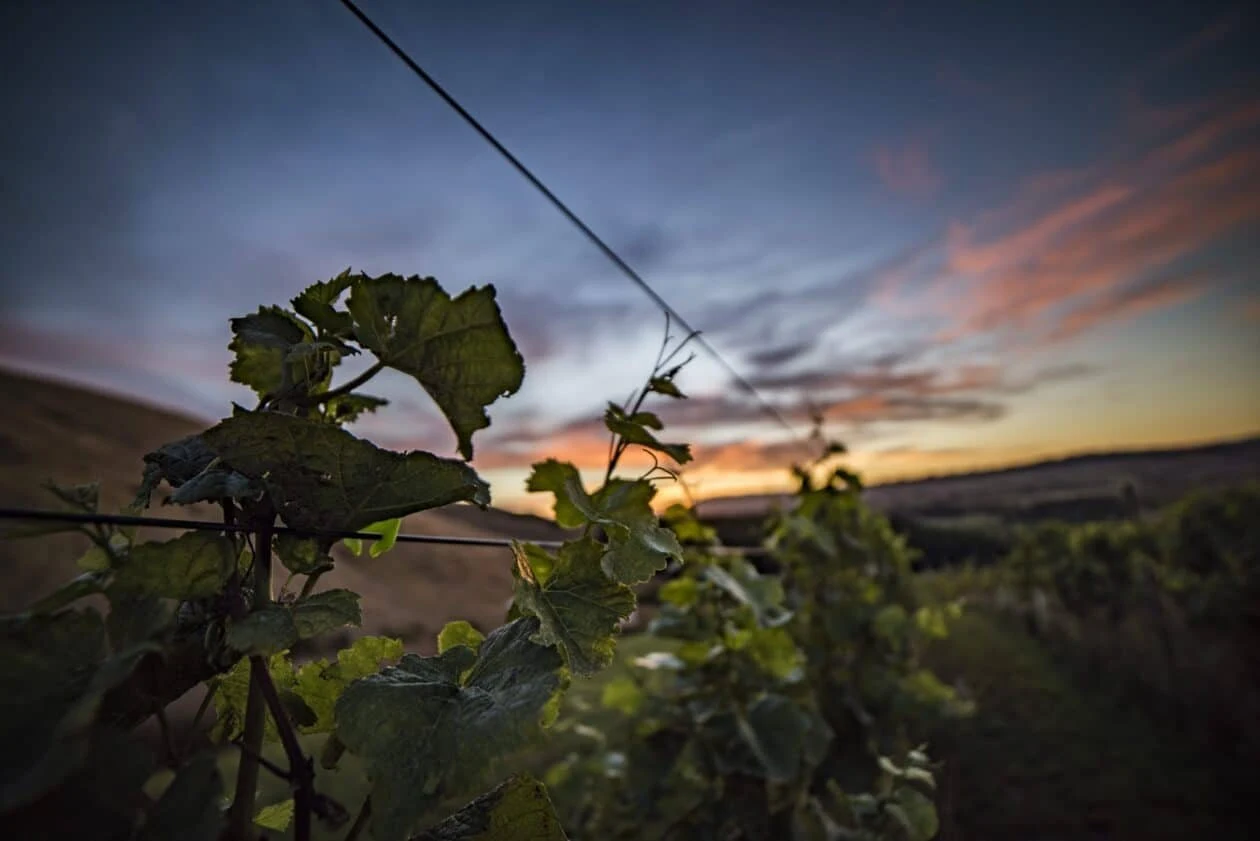
The method keeps the cellar close to the paddock. Fancrest hand-picks its own fruit, works in small batches outdoors near the vineyard, and starts fermentation with indigenous yeast populations from the site. The ferments proceed without additions, heating, or refrigeration; after fermentation, the wine goes through a gentle basket press and into seasoned French oak barrels for just under two years. The estate is certified organic by BioGro, under BioGro #5124, and farms regeneratively rather than as a narrow viticultural system. Sheep and Highland cattle work through the vineyard understory, guinea fowl assist with bug control, dung beetles return manure to the soil, and around five bee hives sit within the larger farm ecology. Cropping stays under 2 tonnes per hectare. Fancrest neither buys nor sells grapes, so the program begins and ends with its own vines on Waipara’s limestone Golden Mile.
A cellar without a building
The place feels more like a working farm than a visitor address. There is no polished tasting room and no conventional cellar door; production gathers in an open-air pop-up winery close to the rows. The permanent winery building that had been planned was abandoned after the 2010/11 Christchurch Earthquakes revealed the Omihi Faultline running through the chosen site. That absence became part of the method. Without an established winery building carrying its own resident strains, each vintage relies on vineyard yeasts carried in from the fruit and the air around it. On the hillside, limestone, stock, cover, birds, insects, barrels, and baskets form the working room.
Two bottles keep the line clear
Fancrest’s range is named through Pinot Noir rather than breadth. Diane Holding’s associated signatures include Fancrest Estate Pinot Noir 2016 and Pink Perfection; Ian Holding’s work is also tied to Pinot Noir 2017 and Pinot Noir Rosé. The estate sells after ageing, with no need to translate the farm into a hospitality performance. At Fancrest Estate, Pinot Noir grown on 5.6ha is fermented outdoors, basket pressed, and left in seasoned French oak.
Questions
Frequently asked
Who is behind Fancrest Estate?
Diane Holding is the winemaker, owner, director and winegrower at Fancrest Estate, and Ian Holding supports the venture as company director of Fancrest Estate Limited.
What does Fancrest Estate make?
The estate farms Pinot Noir and turns it into still red wine and rosé.
What is the winemaking approach at Fancrest Estate?
Fancrest hand-picks its fruit, ferments in small batches outdoors beside the vineyard, and uses indigenous yeast from the site. The ferments are made without additions, heating or refrigeration, then the wine is basket pressed and aged in seasoned French oak barrels for just under two years.
Is Fancrest Estate open for regular walk-in visits?
No regular cellar door is described. The venue operates by appointment only, and the production setup is an open-air pop-up winery close to the vines.
Does Fancrest Estate hold any certification?
Fancrest Estate is certified organic by BioGro, under BioGro #5124, and it farms regeneratively.
The field
How it compares
| Place | Notes | Awards |
|---|---|---|
| Fancrest Estate | Waipara Valley, $$$ | · |
| Bishops Head | Waipara | · |
| Greystone Wines | Waipara | World's 50 Best |
| Mountford Estate | Waipara | · |
| Muddy Water | Waipara | · |
| Southern Boundary Wines | Waipara | · |
| Waipara Hills Winery | Waipara | · |