Bistecca Tuscan Steakhouse
In Residence
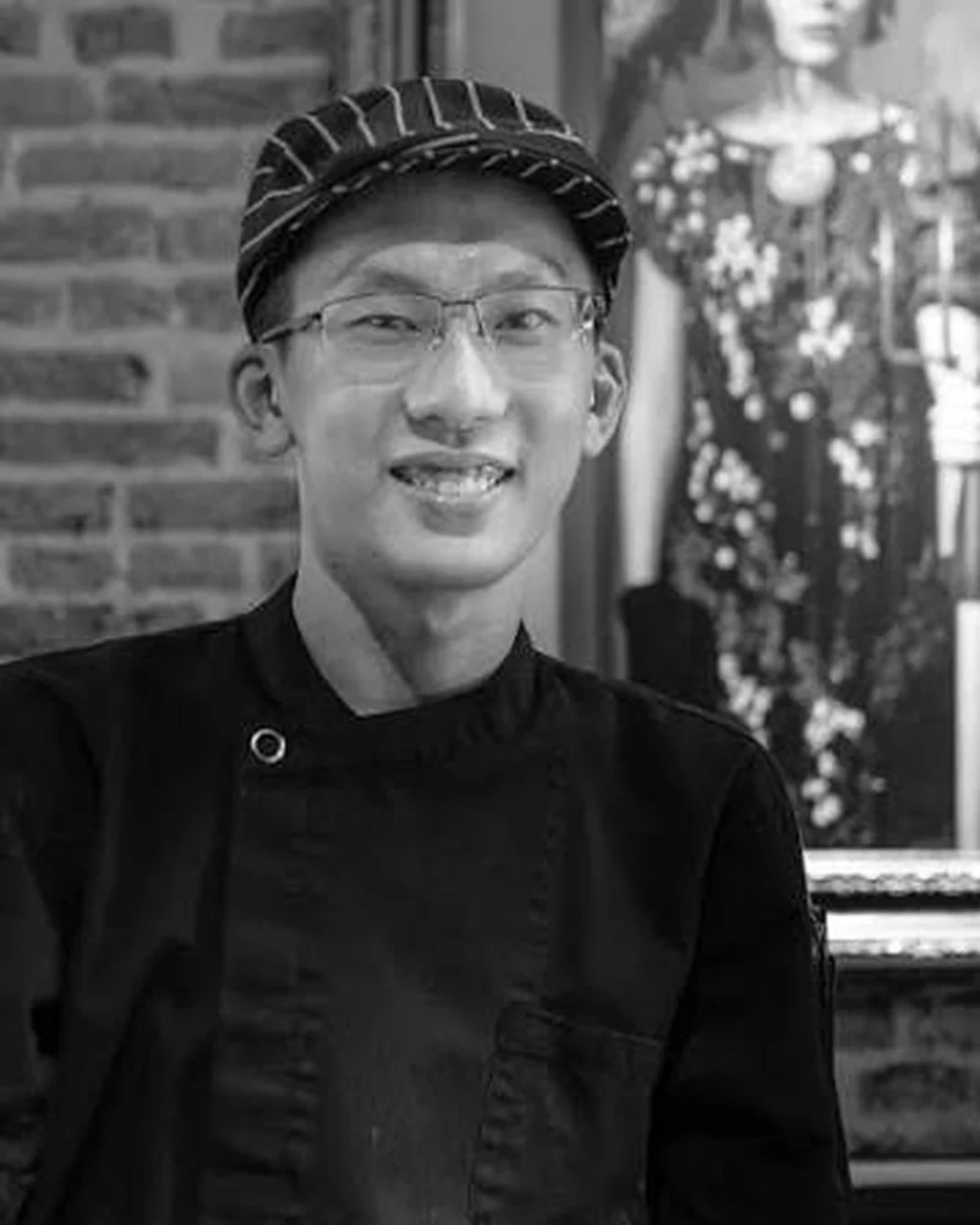
Chef Ping
Chef
- 01CuisineTuscan Steakhouse
- 02CitySingapore, Singapore
- World's Best Steaks 101 Best Steak Restaurants #88 · 2026
- World's Best Steaks 101 Best Steak Restaurants #53 · 2025
Where the Fire Leads
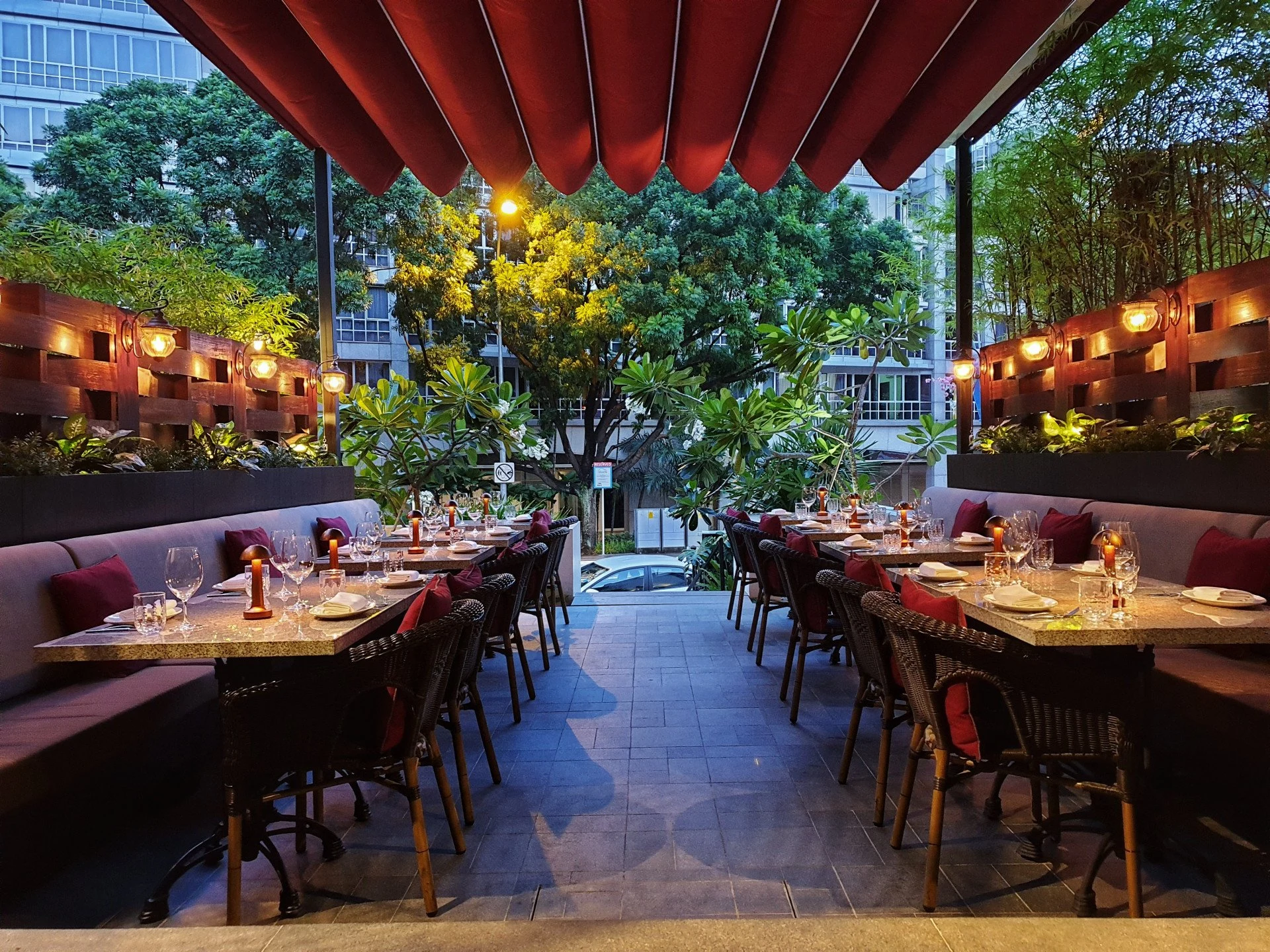
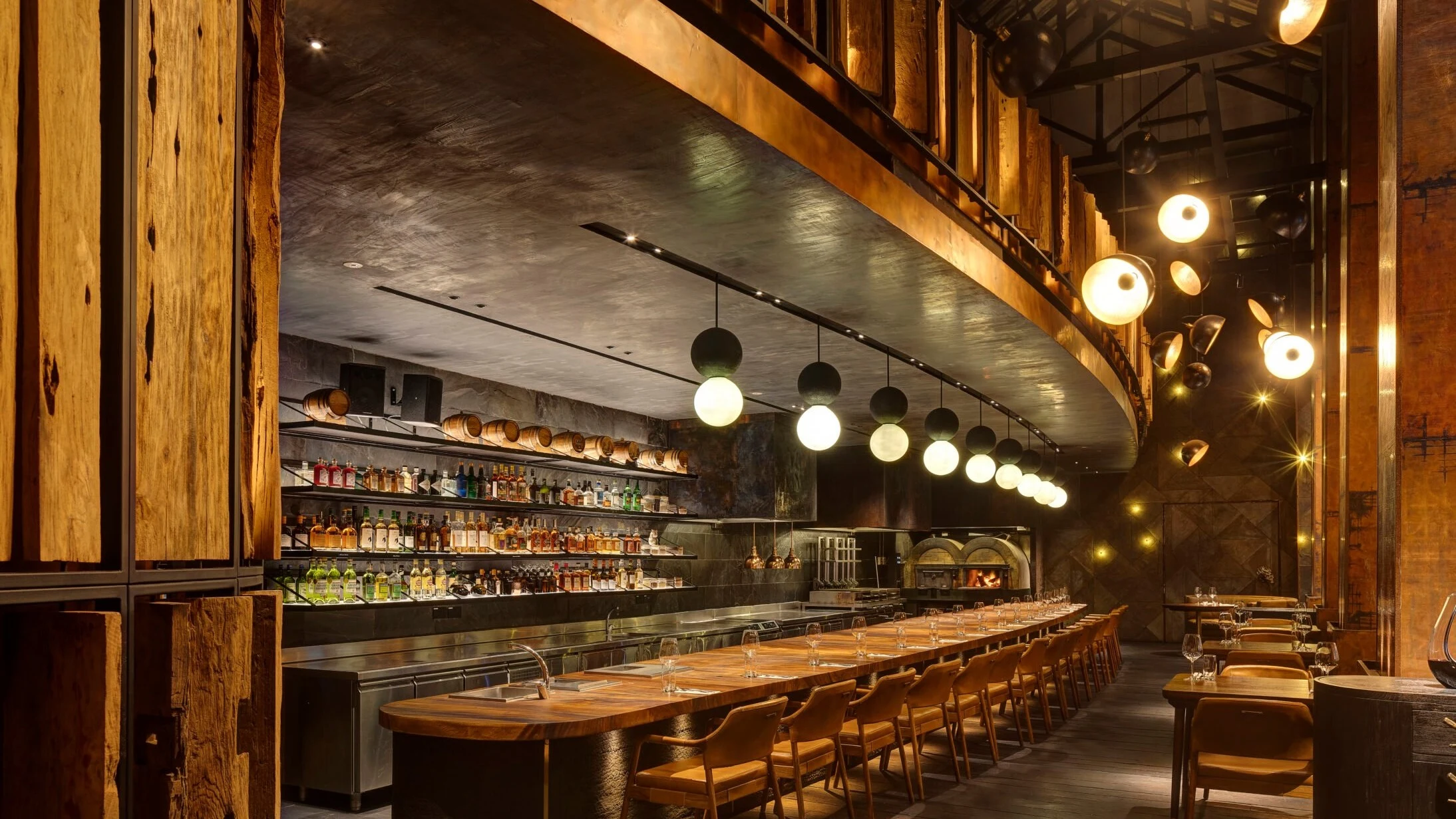
Mohamed Sultan Road has long operated as one of Singapore's more characterful dining corridors, sitting between the conservation shophouses of Robertson Quay and the denser restaurant blocks of Clarke Quay. Bistecca Tuscan Steakhouse has held its position at number 26 long enough to understand this, and its interior does the persuading before the food arrives: exposed brick, dark wood, candlelight, and low ceilings that compress the atmosphere into something closer to a Florentine trattoria than a Southeast Asian steakhouse. The instinct is to linger, and the room is built for it.
Singapore's premium steakhouse tier has broadened considerably over the past decade. Australian beef programmes, Japanese Wagyu imports, and American dry-aged cuts now compete across price points from casual grill formats up through omakase-adjacent tasting experiences. Within that spread, Tuscan-inflected steakhouses occupy a narrower corner: they are defined less by the beef's origin country than by the cooking method and the menu logic around it. Wood fire, olive oil, salt, and a bone-in cut cooked rare are the anchors. Bistecca works within that framework and takes it seriously.
The Sunday letter
Find new places through the people who run them.
Our Sunday email brings you the chefs, winemakers and hoteliers behind our newest stories. See a sample before you subscribe.
See a sample of the Sunday emailOne email a week. Unsubscribe from any issue.
The Grill as Reference Point
At the centre of Bistecca's menu is the Bistecca alla Fiorentina, a 1.1kg bone-in T-bone sourced from purebred F1 Wagyu raised in Australia and dry-aged in-house. In Florence, the Fiorentina is a civic institution: it is cut from the short loin of Chianina cattle, cooked over oak or olive wood, and served rare to the point of being almost cold at the bone. The Bistecca version adapts the Tuscan template to Australian Wagyu genetics, which introduces higher fat marbling than the lean Chianina, producing a richer result while the wood-fired grill at high temperature still delivers the surface char the tradition demands. Tuscan salt and good olive oil finish it, keeping the final presentation in the canonical register.
The grill type matters here in ways that distinguish the kitchen's approach from much of Singapore's broader steakhouse offering. High-temperature wood-fired cooking creates a different surface chemistry than gas or electric grills: the smoke penetrates lightly, the char forms faster, and the cook needs to read the fire rather than set a dial. The kitchen also rotates specials featuring heritage and grass-fed breeds, which allows the wood-fired format to demonstrate range across fat levels and cut profiles beyond the flagship T-bone. Other regular cuts include bone-in ribeye and tenderloin, each framed within the same Tuscan simplicity of fat, smoke, and salt.
The Supporting Cast
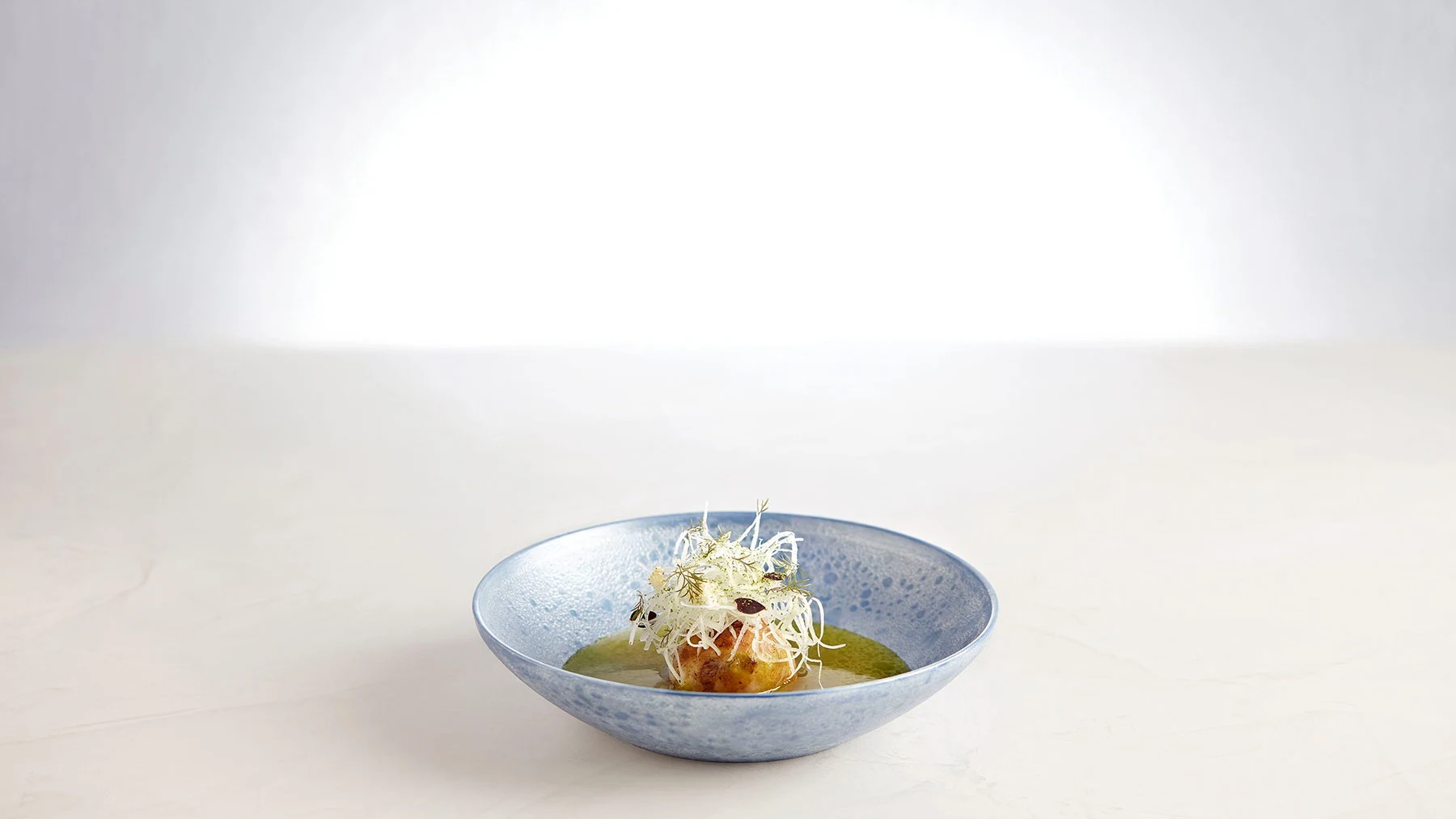
The menu logic around the steak reflects the Tuscan instinct to keep accompaniments honest. Antipasti include burrata with eggplant caponata, charred octopus, and hand-cut steak tartare: none of these try to compete with the main event, but each is substantial enough to establish that the kitchen has range. The contorni, sides like creamy spinach and rosemary-seasoned Tuscan fries with sea salt, sit in the Italian tradition of simple vegetable preparations that exist to balance rather than distract from the protein.
This supporting architecture is where the team dynamic becomes visible. The front-of-house at Bistecca works within an Italian hospitality philosophy that prioritises warmth without formality. It is a difficult register to maintain, particularly in a city like Singapore where premium dining rooms often default to ceremony. Here, service is designed to feel attentive but not transactional, with staff moving through the room in ways that make the guest feel attended to rather than processed. That sensibility extends to the sommelier team, whose wine programme is one of the more considered in the city's Italian-focused dining sector.
The Wine Programme as Editorial Statement
Italy's wine regions map naturally onto the Tuscan steakhouse format, but the depth of a list tells you how seriously a room takes that alignment. Bistecca's wine selection runs verticals from Chianti, Barolo, and Brunello, which places it in the same conversation as specialist Italian wine programmes rather than generalist restaurant lists with a few Italian options appended. Brunello di Montalcino in particular carries structural weight that pairs directly with the fat content of Wagyu and the char from wood fire; Barolo's tannins serve a similar function with leaner cuts. The sommeliers are described as approachable rather than prescriptive, which matters in a room where the food is already doing something assertive.
This approach to wine service illustrates a broader pattern in how premium steakhouses differentiate. At the top of Singapore's fine dining circuit, places like Zén and Odette build wine programmes that function as independent editorial statements. At Bistecca, the wine list is specific in a different way: it is a direct complement to a single culinary tradition rather than a broad expression of the sommelier's range. That specificity is a commitment. It also means the pairing guidance from the sommelier team carries more authority than in a room where wine and food operate in separate registers.
Where Bistecca Sits in the Singapore Dining Circuit
Singapore's Michelin-starred tier is anchored by European tasting menus: Les Amis for French classicism, Jaan by Kirk Westaway for British contemporary cooking, Meta for innovative approaches. Bistecca operates in a different register: it is a steakhouse, not a tasting menu, and its authority comes from technical execution within a defined tradition rather than from multi-course narrative. The closest point of comparison in Singapore's grill-focused sector is Burnt Ends, which holds a Michelin star for its own wood-fired format in an Australian barbecue idiom. The two share a grill philosophy but work in entirely different culinary vocabularies.
Globally, the wood-fired steakhouse format has generated serious critical attention in cities from New York to San Francisco. Restaurants like Lazy Bear in San Francisco and Emeril's in New Orleans demonstrate how fire-centred cooking can carry distinct regional identity. Bistecca's Italian frame gives it a specific identity within that broader category: it is less about spectacle and more about adherence to a culinary tradition that has been practised in Tuscany for generations.
The Chef's Role in the Room
Chef Ping leads the kitchen at Bistecca. Beyond that attribution, what the kitchen produces is the more meaningful signal: a focused menu built around a high-temperature wood-fired grill, in-house dry-ageing of the signature cut, and a clear understanding of when Tuscan restraint serves the beef better than elaboration. In the steakhouse format, the chef's authority is expressed through sourcing, ageing decisions, and fire management rather than through complex technique, and those decisions are embedded in every plate that arrives at the table.
Planning Your Visit
Bistecca Tuscan Steakhouse is at 26 Mohamed Sultan Road, Singapore 238970. The address puts it in the Robertson Quay corridor, accessible from the Fort Canning MRT station or by taxi from the central hotel districts. For a table, advance booking is advisable given the room's size and the consistent demand the format attracts on weekends. The wine programme warrants a conversation with the sommelier team at the point of ordering rather than treating it as an afterthought, particularly if the table is ordering across multiple cuts.
What dish is Bistecca Tuscan Steakhouse famous for?
Bistecca Tuscan Steakhouse is most closely associated with its Bistecca alla Fiorentina: a 1.1kg bone-in T-bone cut from purebred F1 Australian Wagyu, dry-aged in-house and cooked over a high-temperature wood-fired grill. The format follows the Florentine tradition of serving the cut rare, finished with Tuscan salt and olive oil. Chef Ping's kitchen also runs bone-in ribeye and tenderloin alongside rotating specials, but the T-bone Fiorentina remains the anchor of the menu and the primary reason the restaurant draws a consistent following among Singapore's steak-focused dining crowd.
Questions
Frequently asked
Who works at Bistecca Tuscan Steakhouse?
Made By profiles Chef Ping (Chef) at Bistecca Tuscan Steakhouse.
How expensive is Bistecca Tuscan Steakhouse?
Bistecca Tuscan Steakhouse is listed at a price level of $$$$.
Where is Bistecca Tuscan Steakhouse and what does it serve?
Bistecca Tuscan Steakhouse is in INSTITUTION HILL, Singapore, serving Tuscan Steakhouse.
The field
How it compares
| Place | Cuisine | Notes | Awards |
|---|---|---|---|
| Bistecca Tuscan Steakhouse | Tuscan Steakhouse | INSTITUTION HILL, $$$$ | · |
| Born | Contemporary Fusion Fine Dining | Singapore | Michelin 1 Star, World's 50 Best |
| Burnt Ends | Modern Australian Barbecue | Singapore | Michelin 1 Star, World's 50 Best |
| Jaan by Kirk Westaway | Modern British Fine Dining | Singapore | Michelin 2 Stars, World's 50 Best |
| Les Amis | Classic French Haute Cuisine | Singapore | Michelin 3 Stars, World's 50 Best |
| Odette | Modern French Fine Dining | Singapore | Michelin 3 Stars, World's 50 Best |
| Zén | Neo-Nordic with Japanese Influences | Singapore | Michelin 3 Stars, World's 50 Best |
In residence
Similar places
Contemporary Fusion Fine Dining
Born
Singapore, Singapore
★ · 50 Best
Modern Australian Barbecue
Burnt Ends
Singapore, Singapore
★ · 50 Best
Modern British Fine Dining
Jaan by Kirk Westaway
Singapore, Singapore
★★ · 50 Best
Classic French Haute Cuisine
Les Amis
Singapore, Singapore
★★★ · 50 Best
Modern French Fine Dining
Odette
Singapore, Singapore
★★★ · 50 Best
Neo-Nordic with Japanese Influences
Zén
Singapore, Singapore
★★★ · 50 Best
The Sunday letter
Get the next Made By story in your inbox.
We send one email every Sunday morning with the places and people we covered that week.
See a sample of the Sunday emailOne email a week. Unsubscribe from any issue.