BISTRO GLOUTON
- 01CuisineFrench Bistro
- 02CityTokyo, Japan
Classical bistro work, eight seats
- Michelin Bib Gourmand · Michelin Guide
- Michelin Bib Gourmand · 2026
- Michelin Bib Gourmand · 2024
Restraint at an eight-seat counter
A sauce lands lightly beside the wagyu steak, and the plate stays on its classical line. Kobuke Koji leads the kitchen at BISTRO GLOUTON in Ikejiri, Tokyo, having worked in grand maison establishments before opening this counter in October 2014. His base is contemporary French technique shaped by regional French cookery learned abroad, then adapted to Tokyo's seasonal bounty for plates that stay precise and concentrated.
The most telling decision he has made is a negative one: the menu rarely changes, deliberately, to protect execution and sourcing in a city known for fast culinary turnover. Consistency is chosen over novelty. His earlier time in French kitchens equipped him for slow braises, exacting reductions and searing, and those are the techniques that lift bistro staples such as hamburger steak and croquettes above their category.
Classical dishes kept light
The program leans traditional, with a curated wine list and a natural-wine focus set around the food rather than above it. The named signatures are wagyu steak and duck pate, both useful tests of a bistro kitchen because neither forgives excess. Wagyu asks for heat, timing and restraint; duck pate asks for seasoning held in the right register, fat given shape, and service that does not smother the appetite before the next plate.
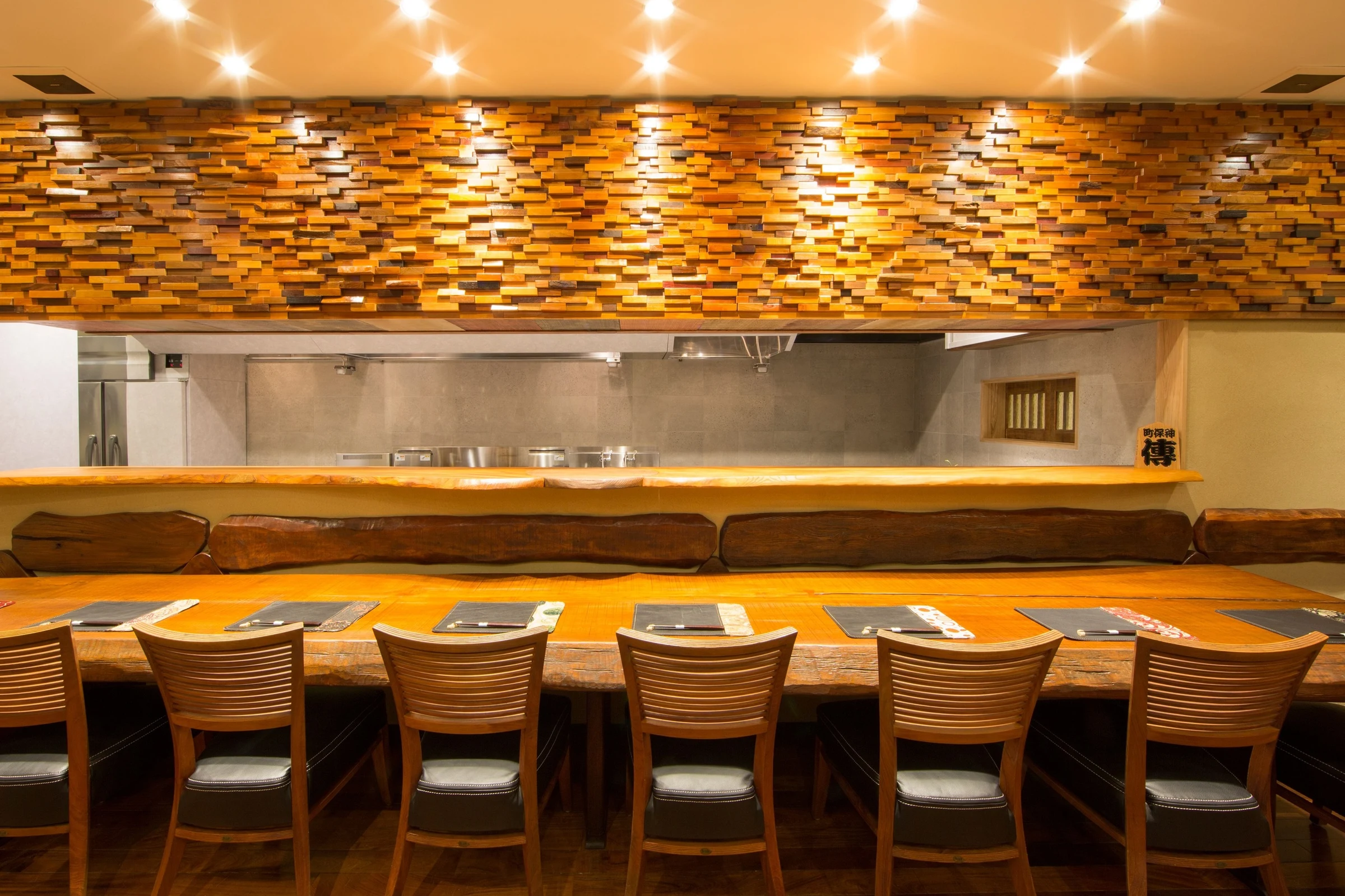
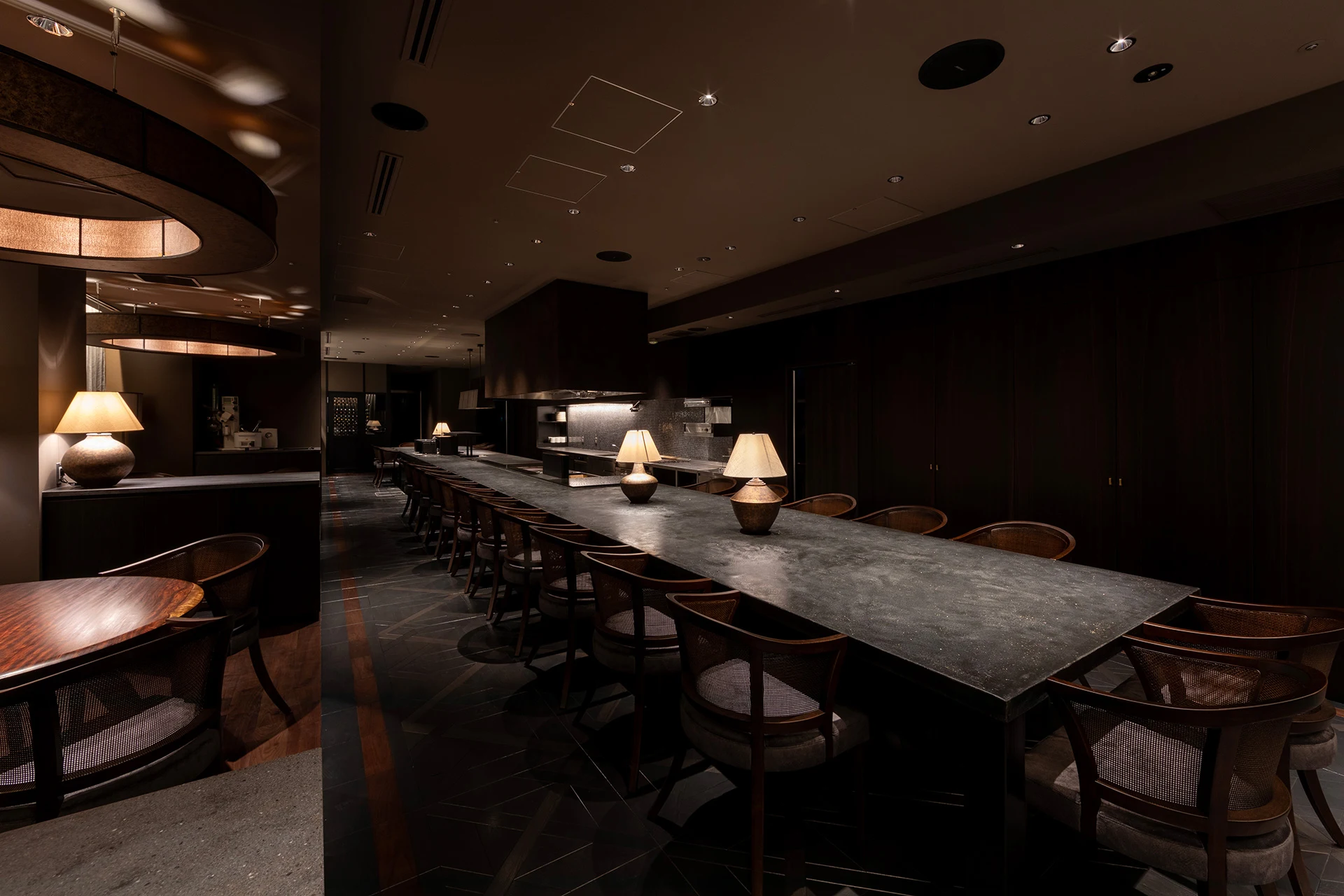
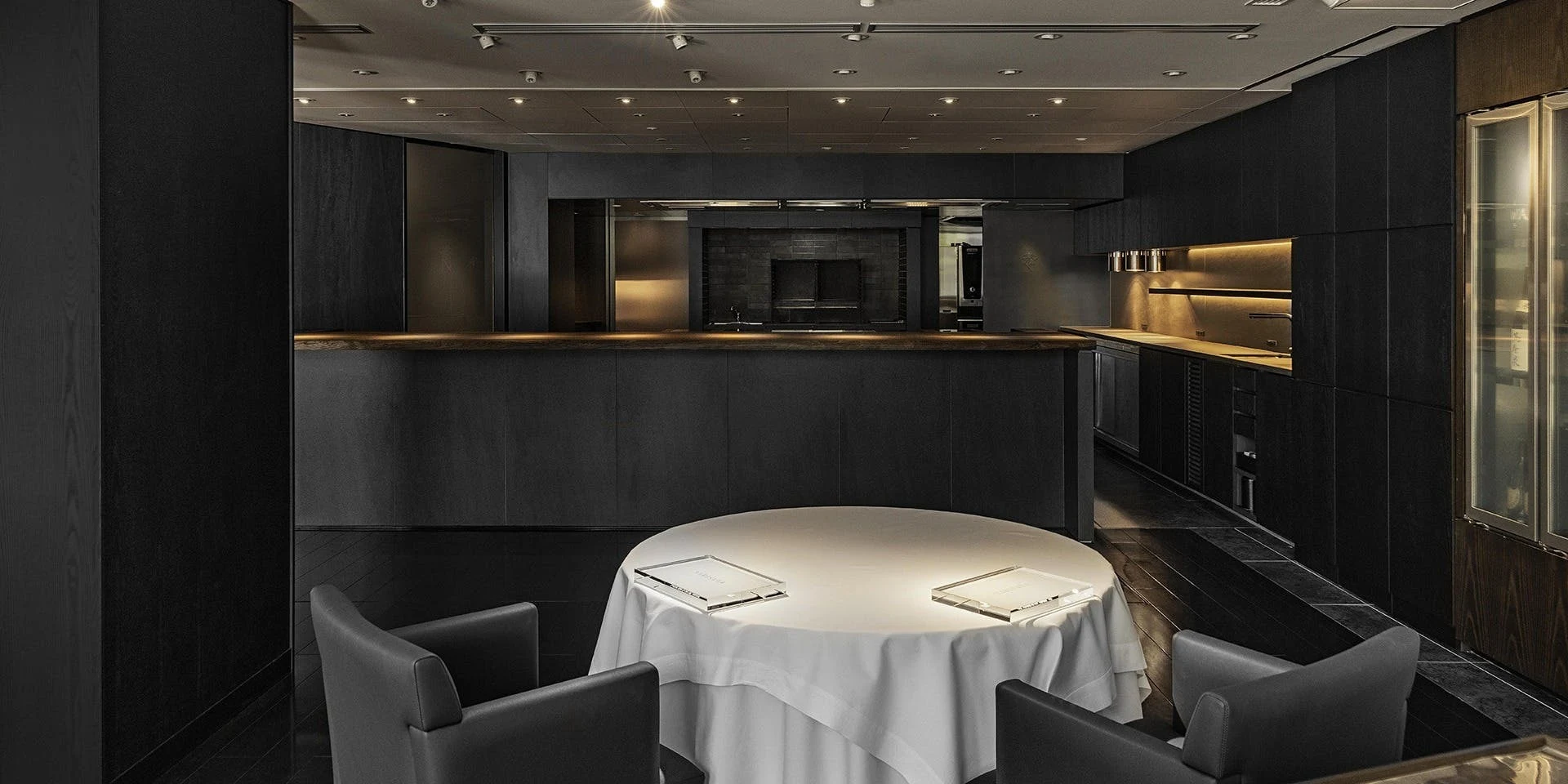
The house works at an intimate scale, eight counter seats facing a minimalist setting. That number matters. At this size, the pass has no anonymity; the cook’s decisions move almost directly from pan to guest. A stable menu can become a discipline rather than a limitation, because repetition sharpens the reduction, the sear, the slice, the pause before garnish. The bistro format keeps the plates à la carte, but the craft sits closer to a bench-side exchange: sauce, wine, heat, and guest all inside the same narrow rhythm.
The room holds the work close
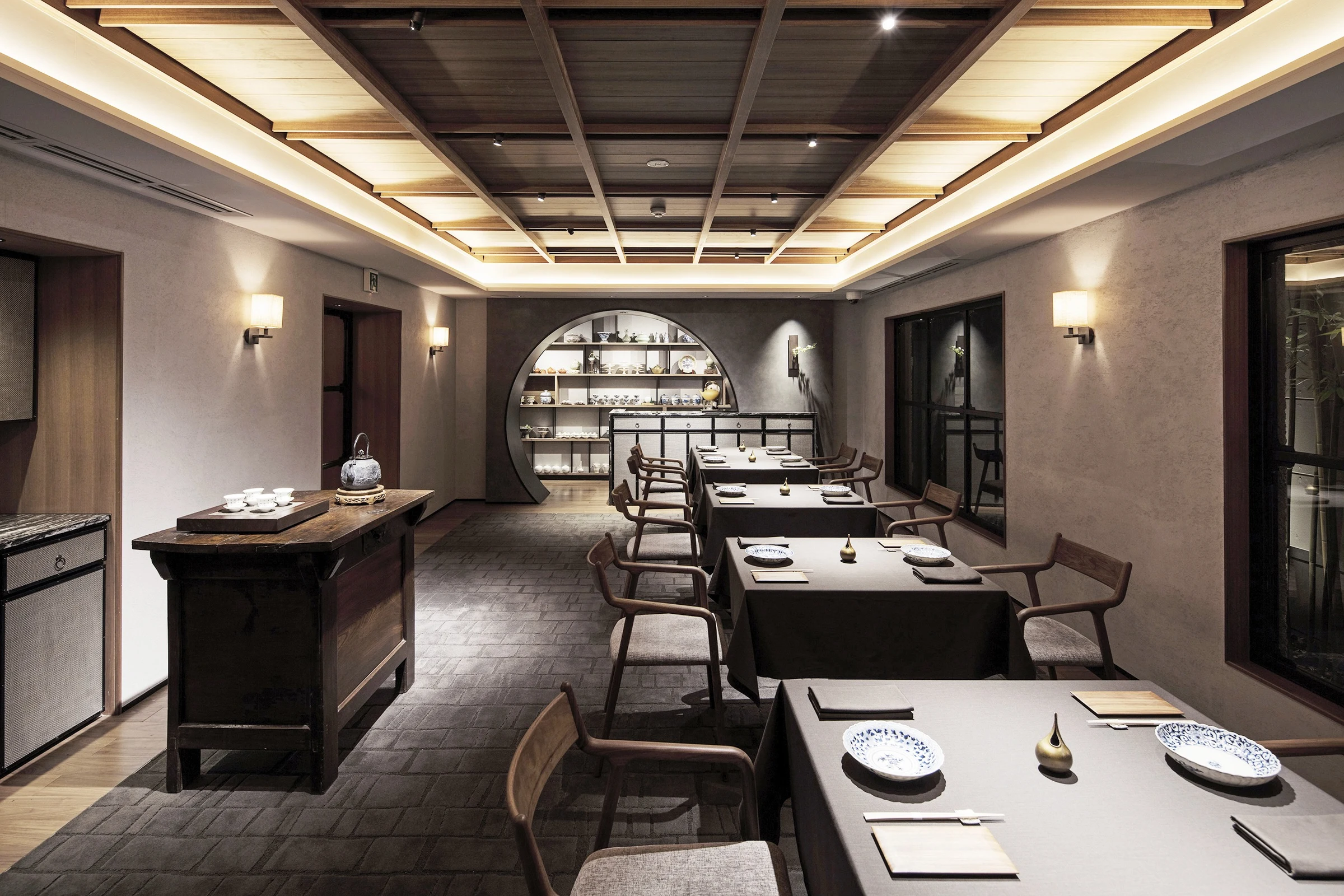
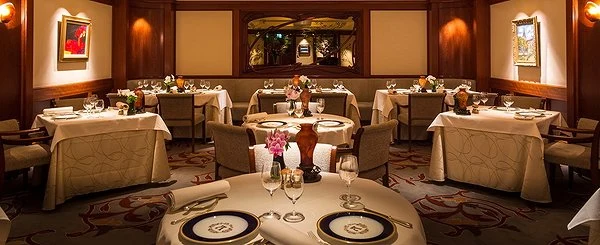
The room is relaxed but professional, with warm lighting and a counter that makes distance difficult. Conversation stays at counter level. The kitchen does not need theater when the station is already in view; a plate crossing the pass is enough movement. In Ikejiri, where the restaurant sits within Tokyo’s residential grain, that closeness gives the meal its shape. Guests read the work through small things: how the duck pate is set down, how the wagyu rests before it leaves the kitchen, how the next glass from the natural-wine list finds the dish rather than competing with it.
Upscale casual service can become vague in larger rooms. Here it stays physical. The counter fixes the scale, the light softens the edges, and the bistro vocabulary remains plain: steak, pate, wine, sauce, bread, appetite. The cooking is best understood in that register, where classical technique keeps its bones and the plate still feels light.
A small house with a steady measure
BISTRO GLOUTON holds a Michelin Bib Gourmand. Awards do not change the work at the pass, but they can confirm what a small counter has already earned from repetition: a consistent bistro method, a compact room, and a menu that trusts its own returning gestures. If there is a future to follow here, it is not a spectacle; it is the next plate of duck pate leaving the counter at BISTRO GLOUTON.
Questions
Frequently asked
Who is behind the kitchen at BISTRO GLOUTON?
Kobuke Koji leads the kitchen at BISTRO GLOUTON. He had worked in grand maison establishments before opening the counter in October 2014.
What kind of place is it?
BISTRO GLOUTON is an eight-seat French bistro counter in Ikejiri, Tokyo. The room is relaxed but professional, with warm lighting and counter seating facing the kitchen.
What does the menu focus on?
The menu leans traditional and rarely changes, with contemporary French technique shaped by regional French cookery and Tokyo’s seasonal produce. Named signatures include wagyu steak and duck pate.
What recognition does the restaurant have?
BISTRO GLOUTON holds a Michelin Bib Gourmand.
What should a visitor know about reservations and opening hours?
Reservations are recommended, and bookings are made through Omakase. The restaurant is open Monday to Saturday from 6pm to 10pm and is closed on Sunday.
The field
How it compares
| Place | Cuisine | Notes | Awards |
|---|---|---|---|
| BISTRO GLOUTON | French Bistro | Setagaya, $$$ | · |
| Den | Modern Japanese Kaiseki | Tokyo | Michelin 2 Stars, World's 50 Best |
| Florilège | Modern French-Japanese Plant-Based Fine Dining | Tokyo | Michelin 2 Stars, World's 50 Best |
| Narisawa | Modern Japanese Satoyama Fine Dining | Tokyo | Michelin 2 Stars, World's 50 Best |
| Quintessence | Modern French Fine Dining | Tokyo | Michelin 3 Stars |
| Sazenka | Modern Chinese Fine Dining | Tokyo | Michelin 3 Stars, World's 50 Best |
| Sézanne | Modern French Fine Dining | Tokyo | Michelin 3 Stars, World's 50 Best |
Similar places
Modern Japanese Kaiseki
Den
Tokyo, Japan
★★ · 50 Best
Modern French-Japanese Plant-Based Fine Dining
Florilège
Tokyo, Japan
★★ · 50 Best
Modern Japanese Satoyama Fine Dining
Narisawa
Tokyo, Japan
★★ · 50 Best
Modern French Fine Dining
Quintessence
Tokyo, Japan
★★★
Modern Chinese Fine Dining
Sazenka
Tokyo, Japan
★★★ · 50 Best
Modern French Fine Dining
Sézanne
Tokyo, Japan
★★★ · 50 Best