Bistrot Vivienne
- 01CuisineFrench Bistro
- 02CityTokyo, Japan
Pâté en croûte, bistro restraint
- Michelin Bib Gourmand · Michelin Guide
- Michelin Bib Gourmand · 2026
- Michelin Bib Gourmand · 2024
Control before ornament
The cooking begins with restraint: sealed, timed, protected from excess. Bistrot Vivienne in Tokyo is a French bistro whose pleasures are deliberately direct, founded by the sommelier and owner Junko Saito, who majored in French literature before moving to France and came back wanting the everyday conviviality of a bistro in Ginza. The kitchen is led by Chef Takada, whose experience was built in France, and the house calls the result bistronomy: high-end gastronomy expressed casually, through a bistro format rather than a tasting-menu one. Classic French technique carries a Japanese inflection, with fresh local ingredients doing most of the deciding. A bistro plate should know what it is, and should not ask garnish to do the work of product. The restaurant’s own frame is traditional French bistro cooking, à la carte, with local sourcing and a wine-led rhythm: pâté en croûte, homemade charcuterie, roasted sole, roasted baby pigeon, dishes that depend on seasoning, timing, and the hand at the pass.
A bistro built around the cellar
Junko Saito, the sommelier-owner, founded Bistrot Vivienne from a wine-first understanding of French bistro culture, after studying French literature and living in France. Her cellar gives the room much of its shape: nearly 500 varieties, with French bottles across regions, vintages, and price points. The list is not a decoration beside the food. It is the program the kitchen answers to. Charcuterie comes with the salt and fat a glass can cut through; pâté en croûte asks for structure; roasted sole keeps its place beside wines that would overwhelm a heavier hand. The restaurant holds Michelin Bib Gourmand recognition, with 2 awards recorded across the current and previous year, and that matters here because the format stays bistro rather than ceremony. The cooking can be generous, seasonal, and precise without turning into a tasting-menu performance. Game appears in colder months, including pigeon and bécasse, while staples such as cassoulet, quenelle, oysters, smoked salmon, and cheese keep the table close to the French repertory Saito wanted to make everyday in Tokyo.
The room behind Kabukiza
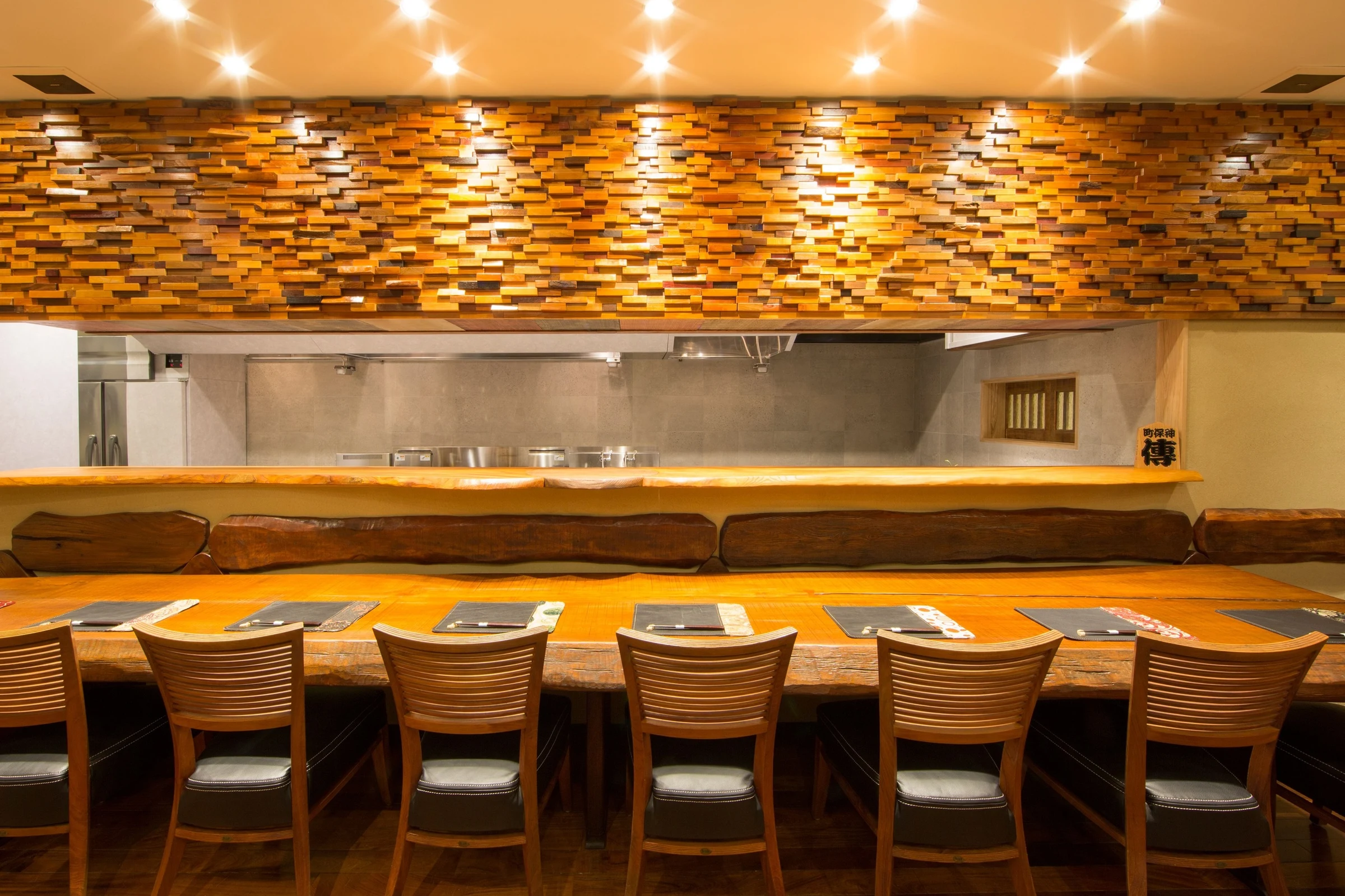
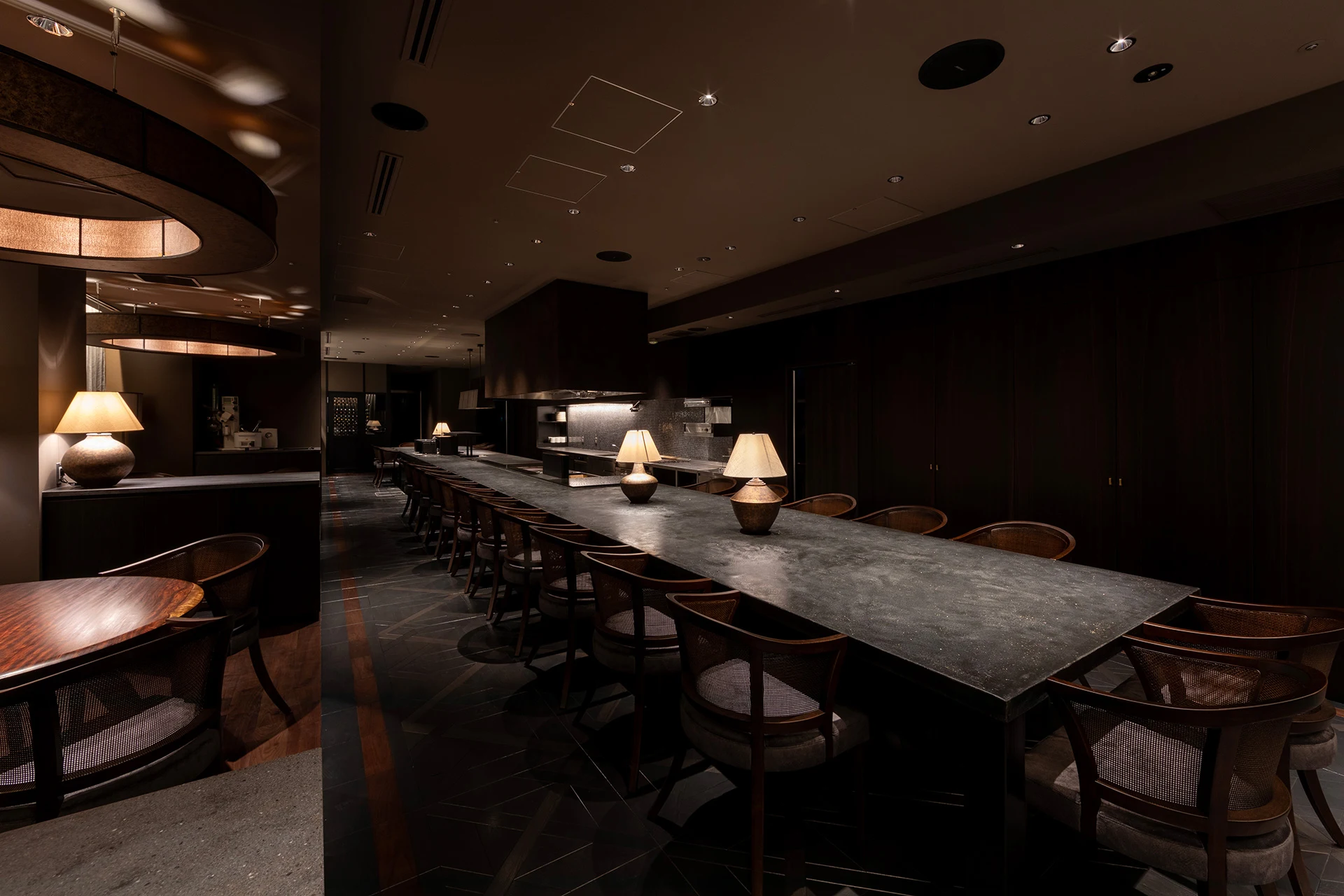
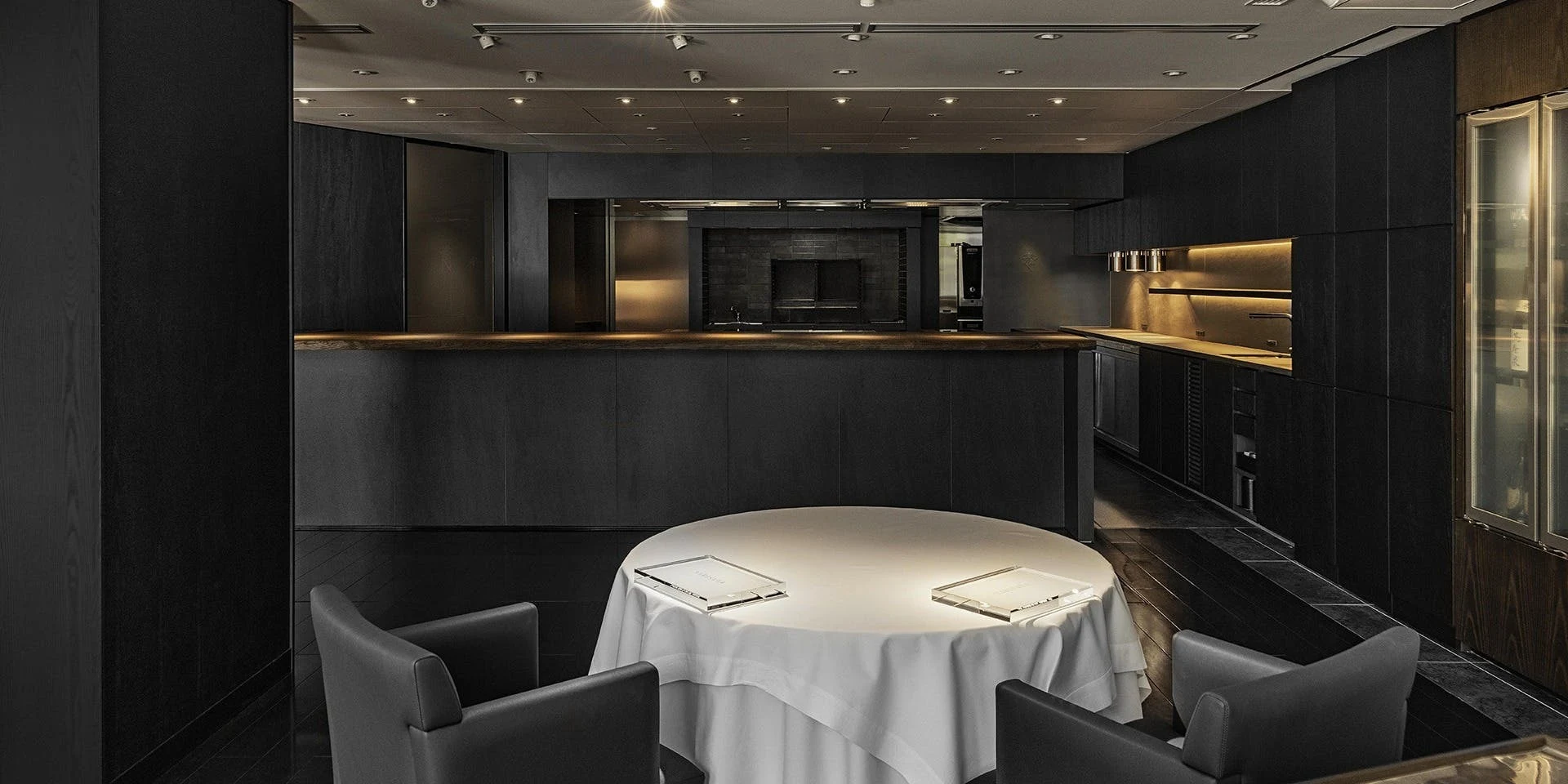
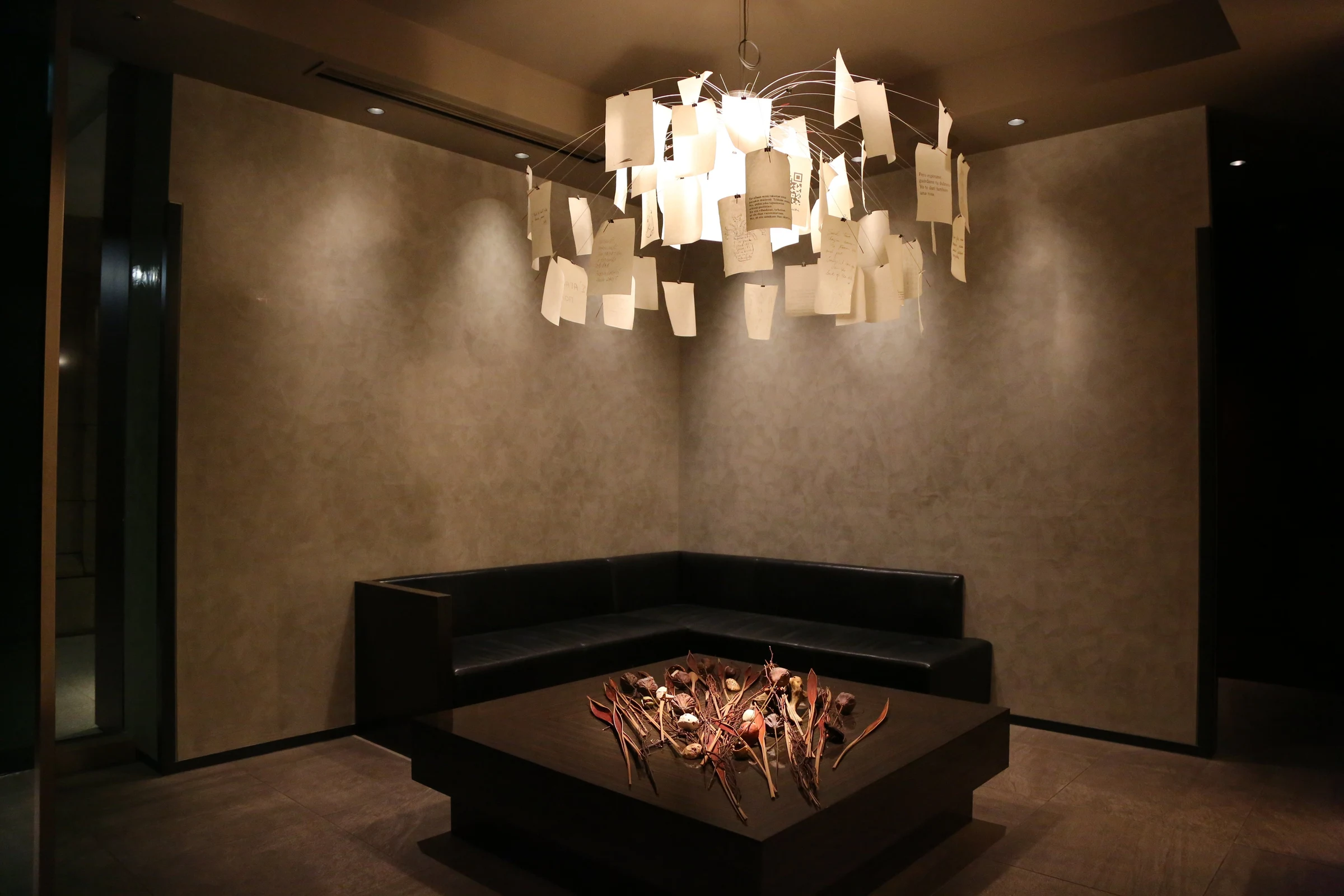
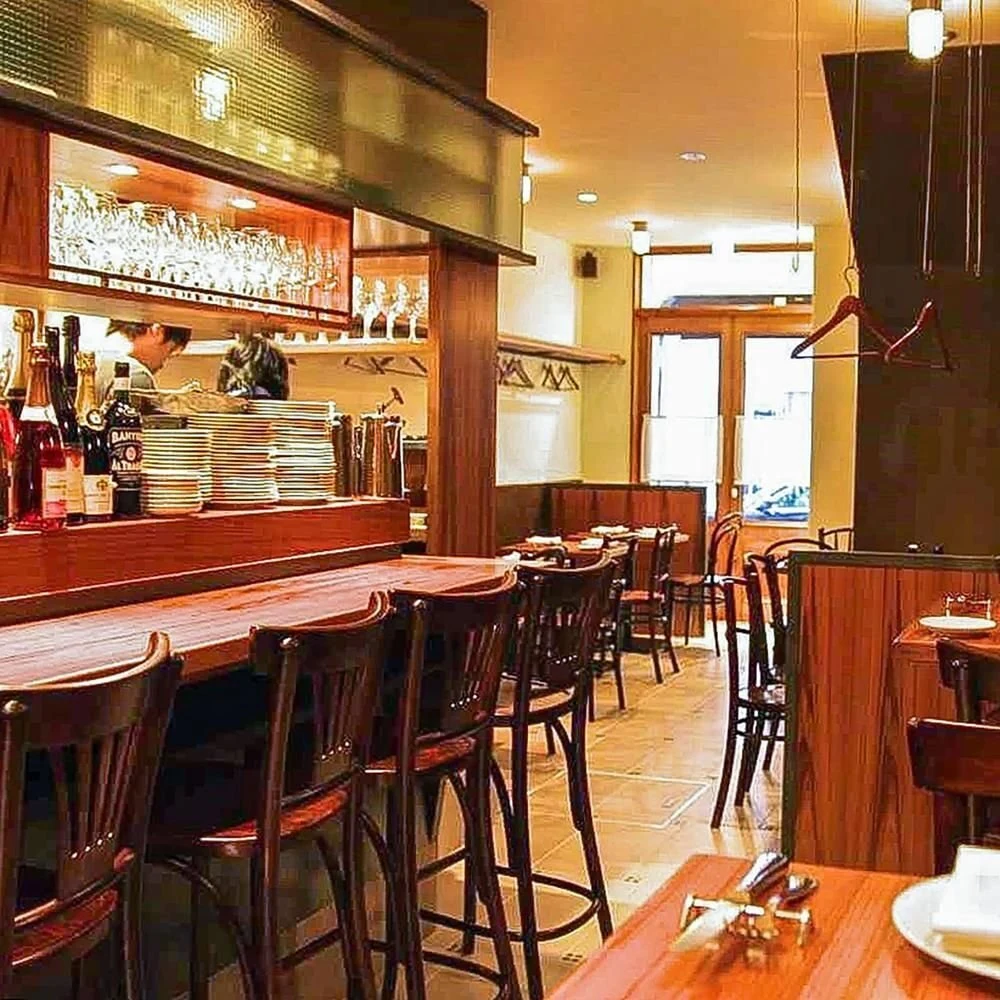
The room sits at 4-13-19 Ginza, in Ginrin Building 1F, near Higashi-Ginza Station and behind Kabukiza Theatre. Inside, warm lighting does the quiet work: it softens the counter, the tables, the glassware, and the distance between a bottle being opened and a plate arriving from the pass. The atmosphere is intimate rather than hushed, elegant without becoming stiff. This is a small bistro in an expensive district, yet the tone resists spectacle. The room is built for conversation over wine, for a shared charcuterie plate, for the pause before a roasted bird is carved. Ginza can make dining feel like a performance viewed from outside the craft. Bistrot Vivienne narrows the field back to the bench, the bottle, the plate, and the hands moving between them.
What the house keeps in view
The place matters because its discipline is not imported as nostalgia. Saito’s French immersion gives the wine program its confidence, and the kitchen answers with a language of restraint. Together, they keep the bistro form legible in Tokyo: local ingredients, French technique, a cellar with depth, and plates that leave enough space for the wine to speak. If the next service changes by season, the grammar stays fixed. The closing argument is still pâté en croûte at Bistrot Vivienne.
Questions
Frequently asked
What kind of restaurant is Bistrot Vivienne?
Bistrot Vivienne is a French bistro in Ginza, Tokyo, with a wine-led, bistronomy approach. The kitchen is led by Chef Takada, and the food is served à la carte rather than as a tasting menu.
Who opened Bistrot Vivienne?
The restaurant was founded by the sommelier and owner Junko Saito. She studied French literature, lived in France, and returned to Tokyo wanting to bring everyday bistro conviviality to Ginza.
What is the restaurant known for?
The menu is built around traditional French bistro cooking and local sourcing, with dishes such as pâté en croûte, homemade charcuterie, roasted sole, and roasted baby pigeon. The cellar is also central to the room, with nearly 500 wine varieties.
What recognition does Bistrot Vivienne hold?
Bistrot Vivienne holds Michelin Bib Gourmand recognition.
What are the opening hours and booking policy?
Bistrot Vivienne is open Monday to Friday from 6 to 9 PM and is closed on Saturdays and Sundays. Reservations are essential.
The field
How it compares
| Place | Cuisine | Notes | Awards |
|---|---|---|---|
| Bistrot Vivienne | French Bistro | Chūō, $$$ | · |
| Den | Modern Japanese Kaiseki | Tokyo | Michelin 2 Stars, World's 50 Best |
| Florilège | Modern French-Japanese Plant-Based Fine Dining | Tokyo | Michelin 2 Stars, World's 50 Best |
| Narisawa | Modern Japanese Satoyama Fine Dining | Tokyo | Michelin 2 Stars, World's 50 Best |
| Quintessence | Modern French Fine Dining | Tokyo | Michelin 3 Stars |
| Sazenka | Modern Chinese Fine Dining | Tokyo | Michelin 3 Stars, World's 50 Best |
| Sézanne | Modern French Fine Dining | Tokyo | Michelin 3 Stars, World's 50 Best |
Similar places
Modern Japanese Kaiseki
Den
Tokyo, Japan
★★ · 50 Best
Modern French-Japanese Plant-Based Fine Dining
Florilège
Tokyo, Japan
★★ · 50 Best
Modern Japanese Satoyama Fine Dining
Narisawa
Tokyo, Japan
★★ · 50 Best
Modern French Fine Dining
Quintessence
Tokyo, Japan
★★★
Modern Chinese Fine Dining
Sazenka
Tokyo, Japan
★★★ · 50 Best
Modern French Fine Dining
Sézanne
Tokyo, Japan
★★★ · 50 Best