Blue Apple Beach
- 01CityCartagena, Colombia
From the people index
Recommended by
One trusted voice points here.
- Michelin Selected · 2025
An Island Remove That Changes the Equation
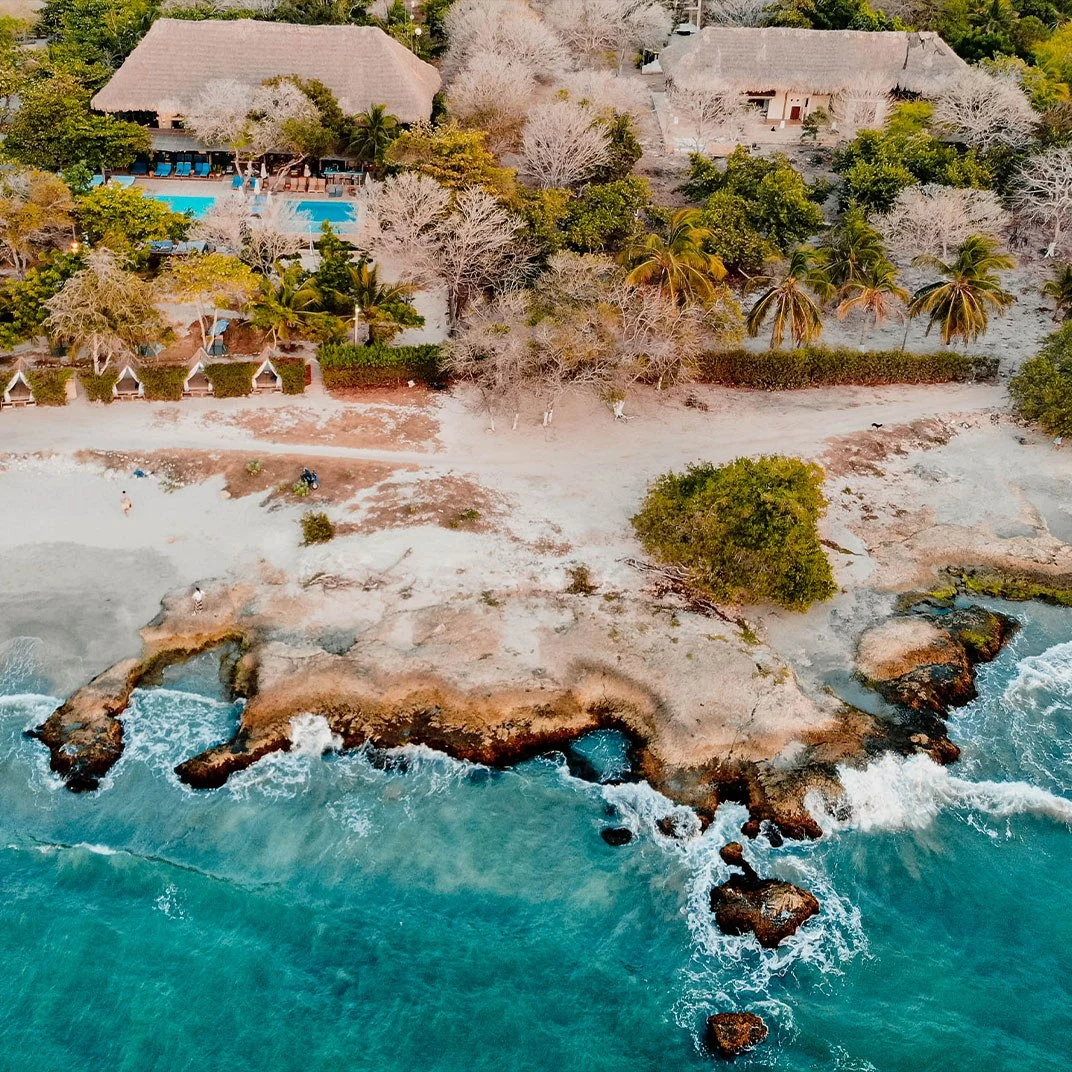
The standard Cartagena hotel sits behind colonial walls, facing cobblestones and the noise of the old city. Blue Apple Beach operates on a different premise entirely. The property is on Isla Tierra Bomba, in the Bocachica area, which means arriving requires a boat crossing rather than a taxi. That threshold matters. The moment the city skyline recedes behind the water, the pace of the stay begins to recalibrate. This is not an abstract amenity, it is the defining condition of the guest experience here, and everything about the property's service orientation follows from it.
In Colombian coastal hospitality, there is a growing divide between properties that compete on colonial grandeur, thick walls, courtyard fountains, gilded restoration, and those that compete on access to the natural coast. Blue Apple Beach sits firmly in the second category, carrying a 2025 MICHELIN Selected distinction that places it in a credentialed comparable set despite its low-volume, island-access format.
Service at a Distance From the City
Island properties in the Caribbean tend to resolve service challenges in one of two ways: either they scale down expectations to match isolation, or they build systems specifically to compensate for it. The approach at Blue Apple Beach leans toward the latter. Reaching Bocachica from central Cartagena involves coordinating a boat transfer, a logistical layer that self-selects for guests who have already committed to a more deliberate kind of stay. The staff's role, then, is less about managing arrivals from a busy reception desk and more about sustaining a contained, consistent environment once guests are on the island.
That model of contained hospitality, where the property functions as its own ecosystem rather than a waypoint between city attractions, aligns with how a handful of smaller Caribbean island properties have separated themselves from mainland competition. Properties like NAIO HOTEL & VILLAS in Palomino and The Boato Hotel in Guatapé operate on similar logic in different Colombian landscapes: the remove is part of the product, and anticipatory service matters more than proximity to external infrastructure.
Where It Sits in Cartagena's Accommodation Field
Cartagena's premium hotel market is dominated by restored colonial mansions in the walled city, properties like Casa San Agustin, Casa Pestagua, and Casa La Cartujita represent that tradition at its most polished. Larger formats like Charleston Santa Teresa Cartagena Hotel and Hotel Boutique Santo Domingo offer more rooms with institutional consistency. Blue Apple Beach occupies a genuinely separate niche: it is not competing on colonial architecture or city-centre access, and its MICHELIN Selected status suggests it is not trading purely on informality either.
The comparison set is more usefully drawn from beach and island properties than from walled-city boutiques. Sofitel Barú Cartagena Beach Resort in Cartagena de Indias represents the international-brand approach to Caribbean coast accommodation in the same region, larger scale, brand-standardized service, resort infrastructure. Blue Apple Beach sits at the opposite end of that spectrum: smaller in scope, independent in character, and defined by its specific island location rather than a brand architecture.
Other Cartagena properties like Hotel Boutique Casona del Colegio, Hotel Capellan de Getsemani, Hotel Casa del Coliseo, and Cinco Quintas Hotel Boutique in Centro Historico maintain the city-side approach, with different price points and neighbourhood positions.
The Broader Colombian Travel Context
Colombia's premium accommodation sector has expanded significantly across multiple cities and regions, with MICHELIN now covering properties in Cartagena, Medellín, Bogotá, and beyond. Properties like Four Seasons Hotel Bogota in Bogotá, Celestino Boutique Hotel in Medellín, and Cannúa Lodge in Marinilla reflect different expressions of that expansion across the country's geography. Blue Apple Beach's MICHELIN Selected status for 2025 places it in that national recognition framework, which matters for travelers building a longer Colombia itinerary that combines coastal and inland stops.
For those extending north along the coast, Hilton Santa Marta in Santa Marta represents the brand-hotel approach to the Caribbean coast further along; Casa Yahri in Barichara and Hotel el Prado in Barranquilla offer different regional anchors. Within coffee country, Bio Habitat Hotel in Armenia, Bio Habitat Hotel, AKEN Soul in Quindio, and Spirito by Spiwak in Cali complete a picture of credentialed accommodation across very different Colombian landscapes. Blue Apple Beach connects to that network as Cartagena's island-access option within a travel circuit that now has genuine depth.
Planning the Stay
Getting to Blue Apple Beach requires a boat transfer to Isla Tierra Bomba, particularly if flying into Rafael Núñez International Airport. Coordinating transfers, especially with luggage, works well when arranged in advance directly with the property. The island's Bocachica location means that excursions into the walled city are possible but require planning around boat schedules, which naturally encourages guests to treat the property itself as the primary environment rather than a launching point for daily city visits.
Questions
Frequently asked
How expensive is Blue Apple Beach?
Blue Apple Beach is listed at a price level of $$$$.
The field
How it compares
| Place | Notes | Awards |
|---|---|---|
| Blue Apple Beach | Tierra Bomba, $$$$ | · |
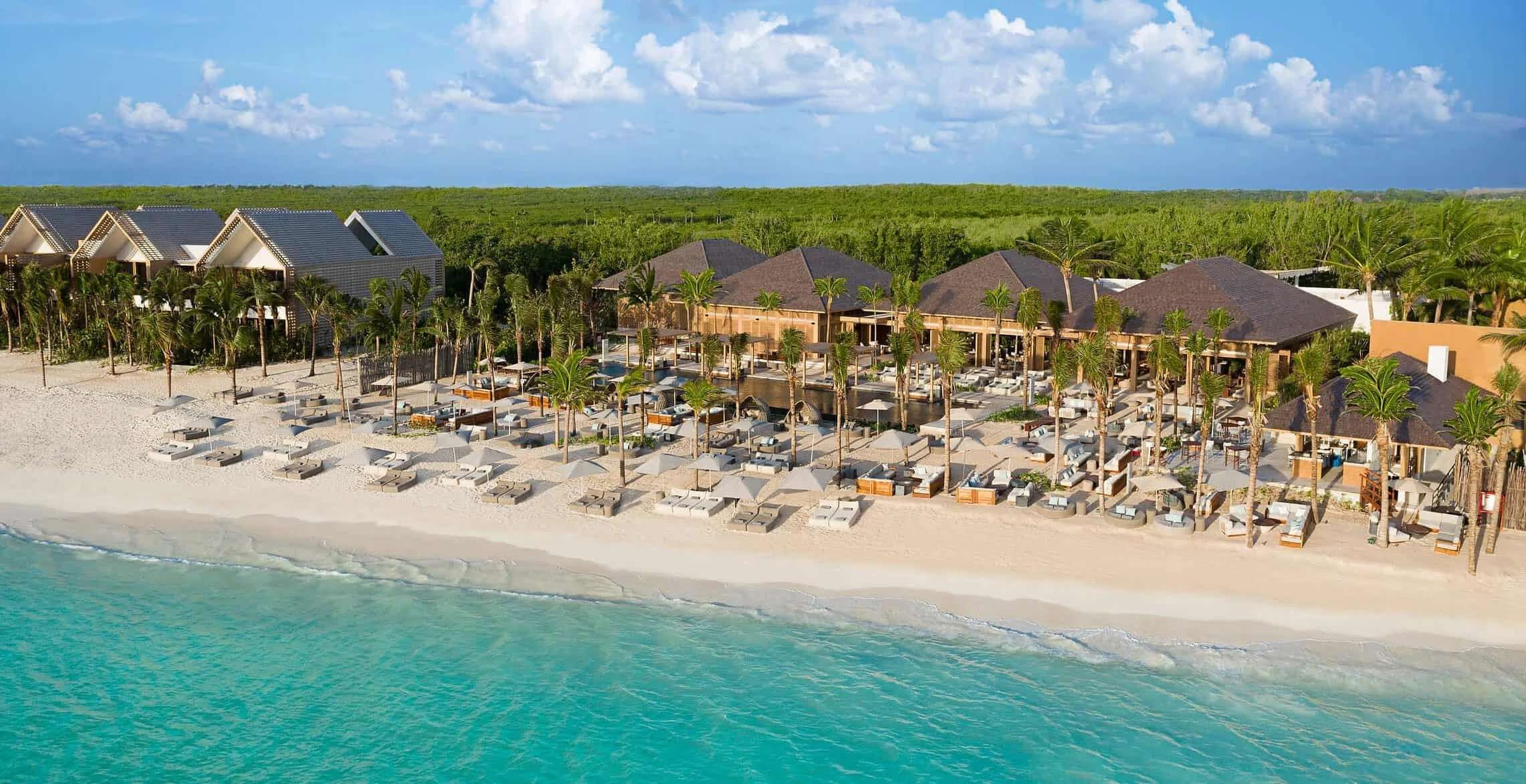
| Banyan Tree Mayakoba | Riviera Maya | Michelin 2 Keys |
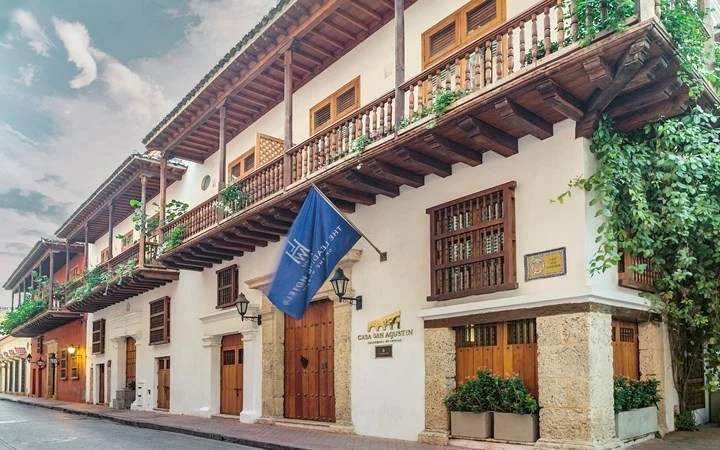
| Casa San Agustin | Cartagena | Michelin 1 Key |
| Gleneagles | Auchterarder | World's 50 Best |
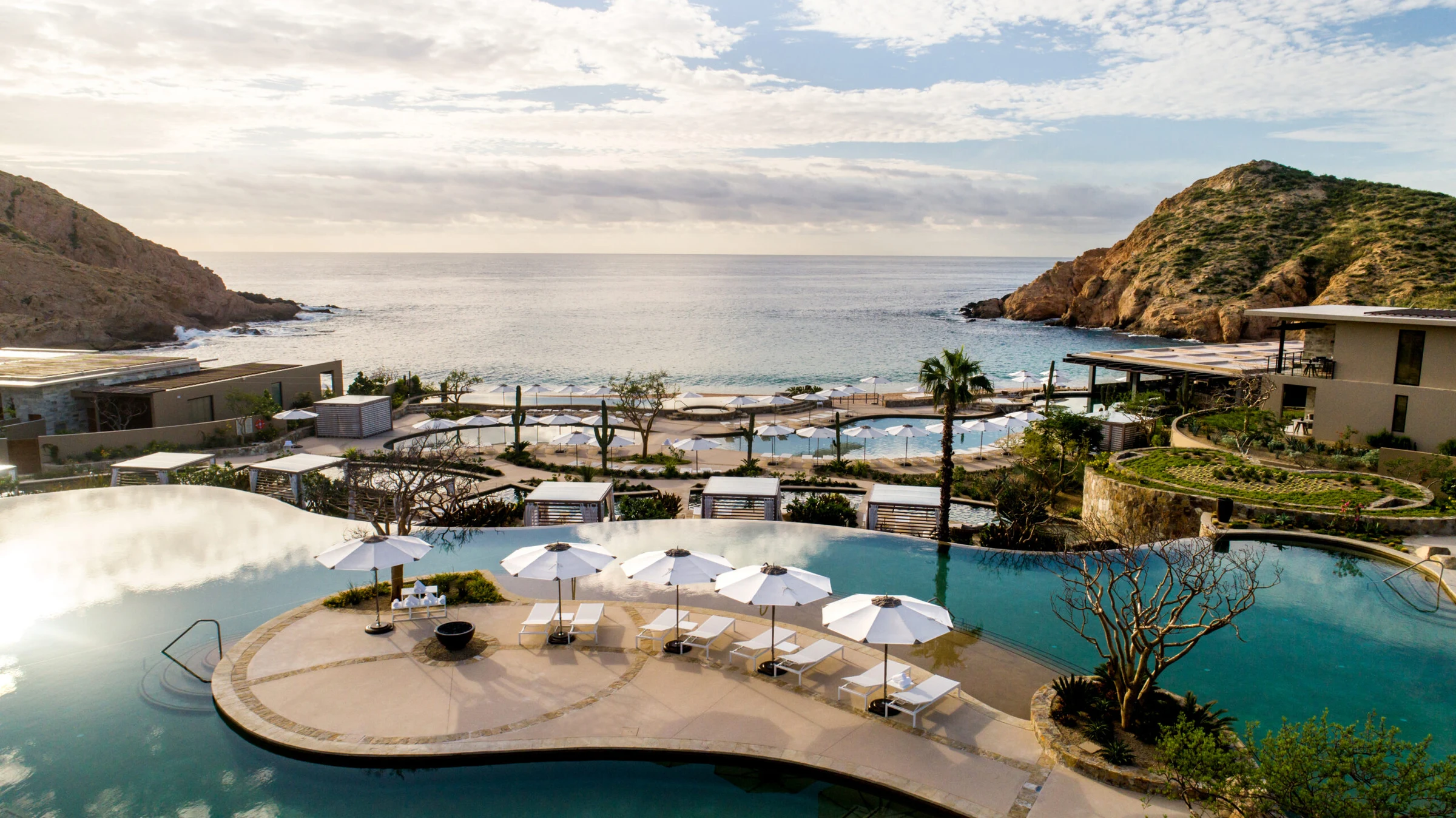
| Montage Los Cabos | Cabo San Lucas | Michelin 2 Keys, World's 50 Best |
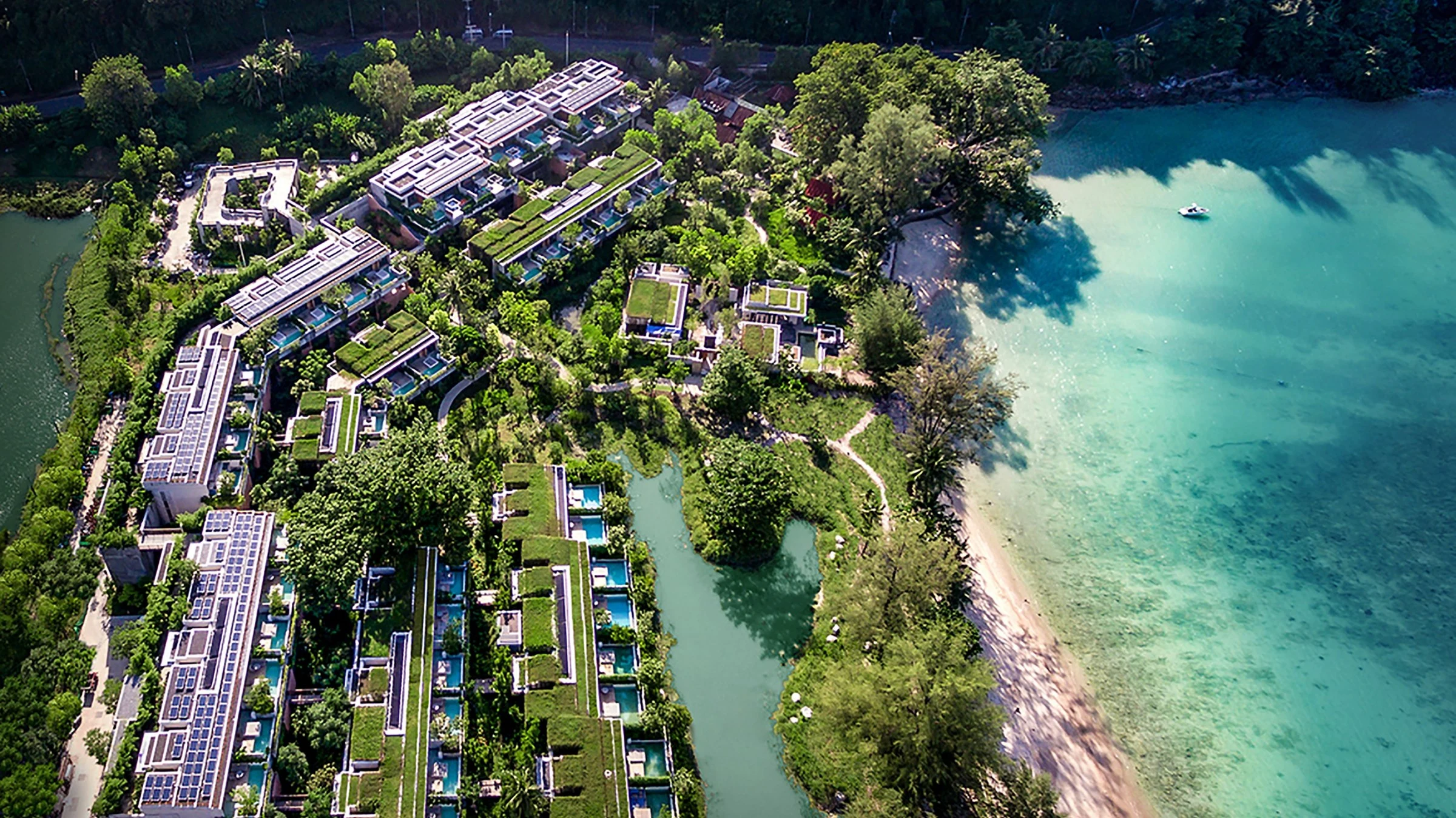
| Rosewood Phuket | Phuket | Michelin 2 Keys |
| Royal Mansour | Marrakech | Michelin 2 Keys, World's 50 Best |