Chef Jassi Bindra Opens Maati DC at the Wharf in January
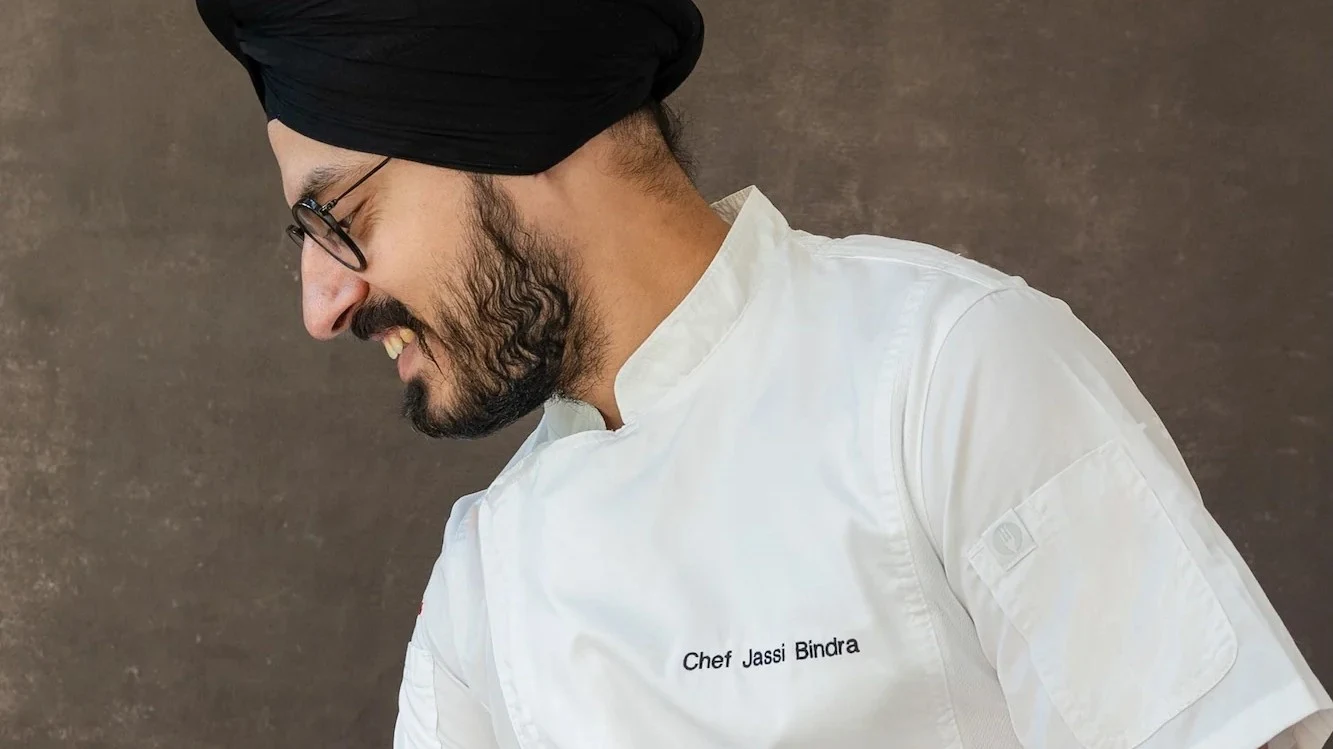
Chef Jaspratap “Jassi” Bindra returns to Washington in January with Maati, a regional Indian restaurant at the Wharf.
HM
Director of Editorial Standards
Hugo Marchetti
Filed November 10, 2026
8 min read
In January, Chef Jaspratap “Jassi” Bindra is set to return to Washington, DC with Maati DC, a regional Indian restaurant at the Wharf. The menu includes a pani puri flight with five fillings drawn from different Indian states, oysters finished southern India-style with coconut milk bechamel and Kashmiri chili mignonette, and Chettinad lamb chops built around caramelized onion and pepper.
Maati means “earth” or “soil” in Hindi, and Bindra is using the name as a working brief. After time at Punjab Grill downtown, the opening of Rania, and a 2022 move to Texas, he is coming back to the city where his cooking first entered Washington’s high-attention Indian restaurant conversation.
The Sunday email
Get new Made By stories every Sunday.
Every Sunday we send a lead story and up to four more about the chefs, winemakers, sommeliers and hoteliers behind the restaurants, bars, wineries and hotels we cover.
Free. One email a week, and you can unsubscribe from any issue.
Why Maati DC Is a Notable Wharf Opening
Maati DC enters the Wharf with a named chef, a January opening window, and a menu organized around Indian regions. Bindra is the maker behind Maati DC. Tapori, Chai Pani, Karravaan, and Malabar have all added to Washington’s South Asian dining landscape; Maati arrives into that field with Bindra’s own history already tied to the city.
The Wharf location places the restaurant in a waterfront district where openings carry visitor traffic, pre-theater timing, and the pressure of rooms that need to work for locals as well as people arriving for a night out. Maati will sit in a bright second-story space above the Anthem, with a front-and-center view of the Wharf. The room will use furniture and wallpaper imported from India, and Bindra is setting the pass around dishes with a named place of origin and a specific seasoning logic.
The Chettinad lamb chops are tied to a specific region. Chettinad belongs to a subregion of southern Tamil Nadu known for elaborate recipes, and Bindra’s version brings in caramelized onion and pepper. The kathi roll carries a different geography: chicken kebab, egg, and Bengali kasundi mustard sauce, a Kolkata street-food reference from the east.
Chef Jassi Bindra’s Return to Washington
Bindra’s return has weight because Washington already knows his cooking through Punjab Grill, the downtown restaurant he opened in 2019 with Karan Singh. He later helped open Rania, Punjab Grill’s successor, before leaving for Texas in 2022. Under Bindra’s leadership, Punjab Grill earned a Michelin Plate, a marker that put his work in front of diners who track the city’s fine-dining kitchens closely.
His own explanation of the return is direct. “I love DC,” Bindra says. “It’s where I started spreading awareness of what Indian cuisine is all about.”1 Bindra is coming back with a new station, a Wharf audience, and a menu that can move from Tamil Nadu to Kolkata to southern coastal ideas without asking one dish to explain the whole country.
He also returns to a changed set of peers. The city’s Indian food scene has grown while he has been in Texas. DC diners are encountering Indian cooking through more regional forms, more street-food references, and more chefs naming the places behind the flavors. Bindra is adding his own work to that conversation.
From Kanpur to Punjab Grill, Then Texas
Bindra grew up in Kanpur, India, watching his mother and grandmother cook Punjabi meals. That domestic apprenticeship sits beneath the later professional arc: hotel-company kitchens in India before his 2017 move to the United States, then experience across the subcontinent, including Kerala and Tamil Nadu. The southern India-style oysters draw on a chef who worked in southern states before building restaurants in Washington and Texas.
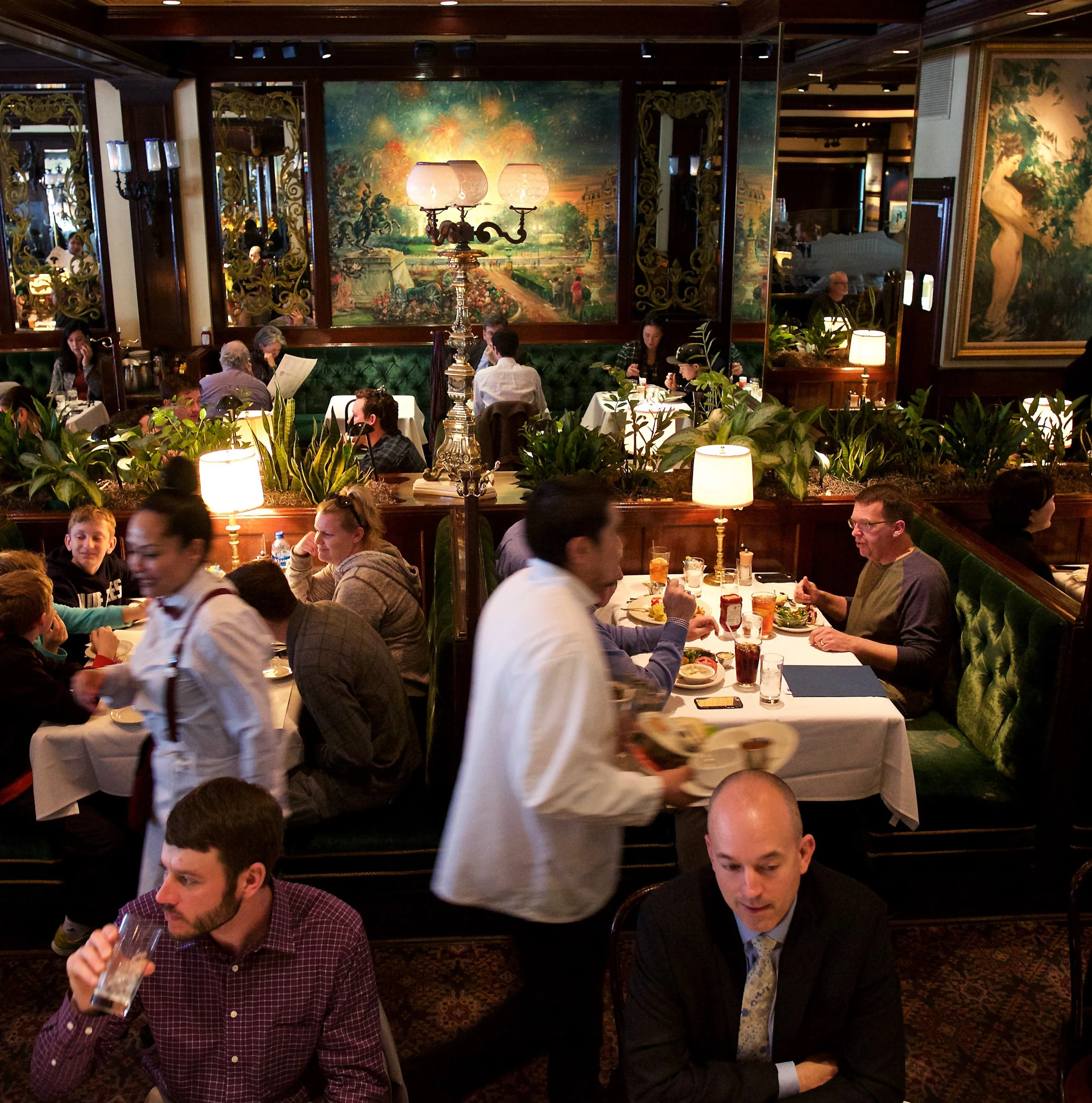
Punjab Grill introduced many Washington diners to Bindra’s fine-dining register. The restaurant opened in 2019 with Karan Singh and became known for flourishes such as gold leaf atop the leg of lamb and a cocktail program that matched the room’s polish. Rania followed as the successor. Bindra’s move to Texas in 2022 shifted his stage without cutting the thread back to DC.
Upscale restaurant dining room with ornate decor, green velvet banquettes, elaborate paintings.
In Houston, Bindra co-founded Amrina with Surpreet Singh and Preet Singh. He also filmed an episode of Chopped on Food Network in 2022 and later launched Pok Pok Po and Bol. Kitchen Rumors, another Houston project tied to Bindra, was set for 2025. His Houston-area restaurants Amrina and Kitchen Rumors won accolades including a Michelin Bib Gourmand, and that Texas period broadened the set of formats around him: fine dining, fried chicken with Indian spice at its core, and a build-your-own bowl concept. Maati brings him back to Washington with that range behind him (Chefjassi2).
What the Regional Indian Menu Aims to Do
The strongest early signal from Maati is the pani puri flight. Bindra is building a flight with five distinct fillings based on different Indian states. The flight lets diners compare fillings, textures, and regional references across multiple pieces.
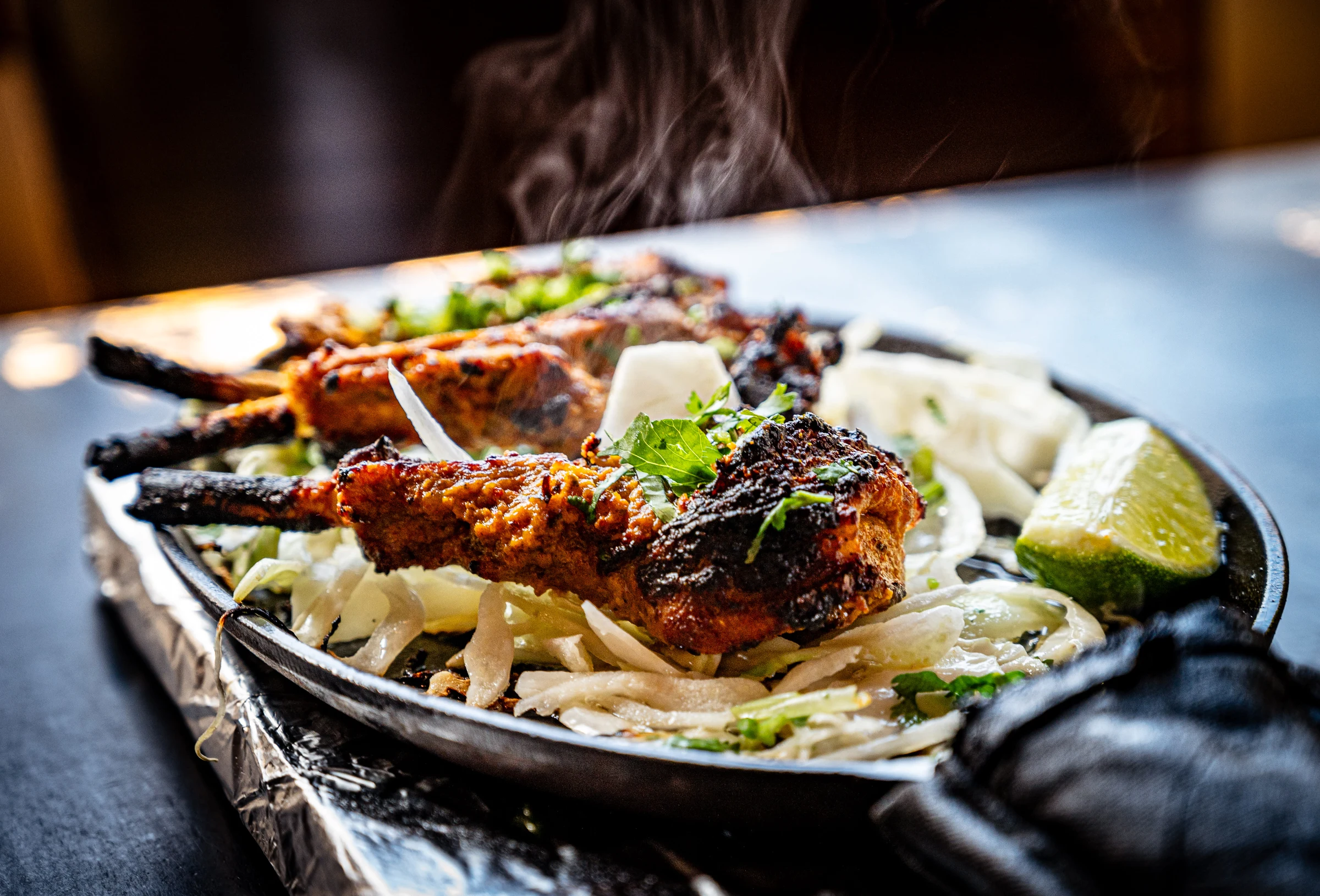
Grilled lamb chops with charred edges, served on a bed of sliced onions with lime wedges and cilantro garnish.
The oysters use a similar method. Bindra prepares them with coconut milk bechamel and Kashmiri chili mignonette. The dish combines the cold salinity of the oyster, the fat and sweetness of coconut milk, and the lift of chili in the mignonette. Bindra gives a raw-bar form familiar to Washington a regional Indian grammar.
Maati’s kathi roll keeps its street-food origin in view. Chicken kebab, egg, and Bengali kasundi mustard sauce point to Kolkata, where the roll carries its own daily logic: wrapped, seasoned, held in the hand.
The Chettinad lamb chops may become the dish many diners use to measure the kitchen early. Chettinad cooking, as represented here, brings lamb into contact with caramelized onion and pepper from southern Tamil Nadu. Bindra’s version will have to carry char, fat, and spice without losing the identity of the chop. The dish will depend on the kitchen’s timing of the meat, the balance of onion and pepper, and the plate’s heat.
The Wharf Room Above the Anthem
Maati will occupy a second-story space with a view of the Wharf from above the Anthem. Diners will arrive into a bright room with imported furniture and wallpaper from India.
The risk for any restaurant using imported design elements is that the room can become louder than the kitchen. Maati’s early details suggest Bindra wants the menu to carry the deeper work. “Earth” or “soil” is a name that points below the decorative surface, toward place, season, and origin.
The restaurant is called Maati, it is at the Wharf in Washington, DC, and it is set to open in January.
What to Watch as January Nears
The first weeks of Maati DC will show how Bindra’s regional approach behaves under service. A pani puri flight with five fillings depends on pacing and texture; the shells need to stay crisp long enough for the table to understand the sequence. Oysters with coconut milk bechamel and Kashmiri chili mignonette depend on proportion; too much fat and the oyster disappears, too little and the southern India-style idea stays theoretical. Chettinad lamb chops depend on heat management at the station, and kathi rolls depend on the wrap holding together without dulling the chicken kebab, egg, and kasundi.
The opening also gives Washington a returning chef at a moment when the city has more Indian restaurants for diners to compare, study, and revisit. Bindra’s bench has moved from Kanpur family cooking to hotel-company kitchens in India, from Punjab Grill and Rania in DC to Amrina, Pok Pok Po, Bol, and Kitchen Rumors in Texas. Maati brings that path back to the Wharf in January, with the maker’s next test set at the pass above the Anthem.
The Sunday email
Get new Made By stories every Sunday.
Every Sunday we send a lead story and up to four more about the chefs, winemakers, sommeliers and hoteliers behind the restaurants, bars, wineries and hotels we cover.