Josh and Julie Niland’s Saint Peter places 50th, wins Oceania
Saint Peter placed 50th and won Best Restaurant in Oceania, putting Josh and Julie Niland’s scale-to-tail seafood work on a global list.
HM
Director of Editorial Standards
Hugo Marchetti
Filed November 9, 2026
10 min read
At No. 50 on The World’s 50 Best Restaurants list, Saint Peter moved Josh and Julie Niland’s Sydney seafood work from a Paddington dining room into the international awards frame. Saint Peter World’s 50 Best recognition places the restaurant at No. 50 and names it The Best Restaurant in Oceania, a double notice for a house built around fish, waste, and the parts of the animal most kitchens once sent away (Hospitality Magazine1).
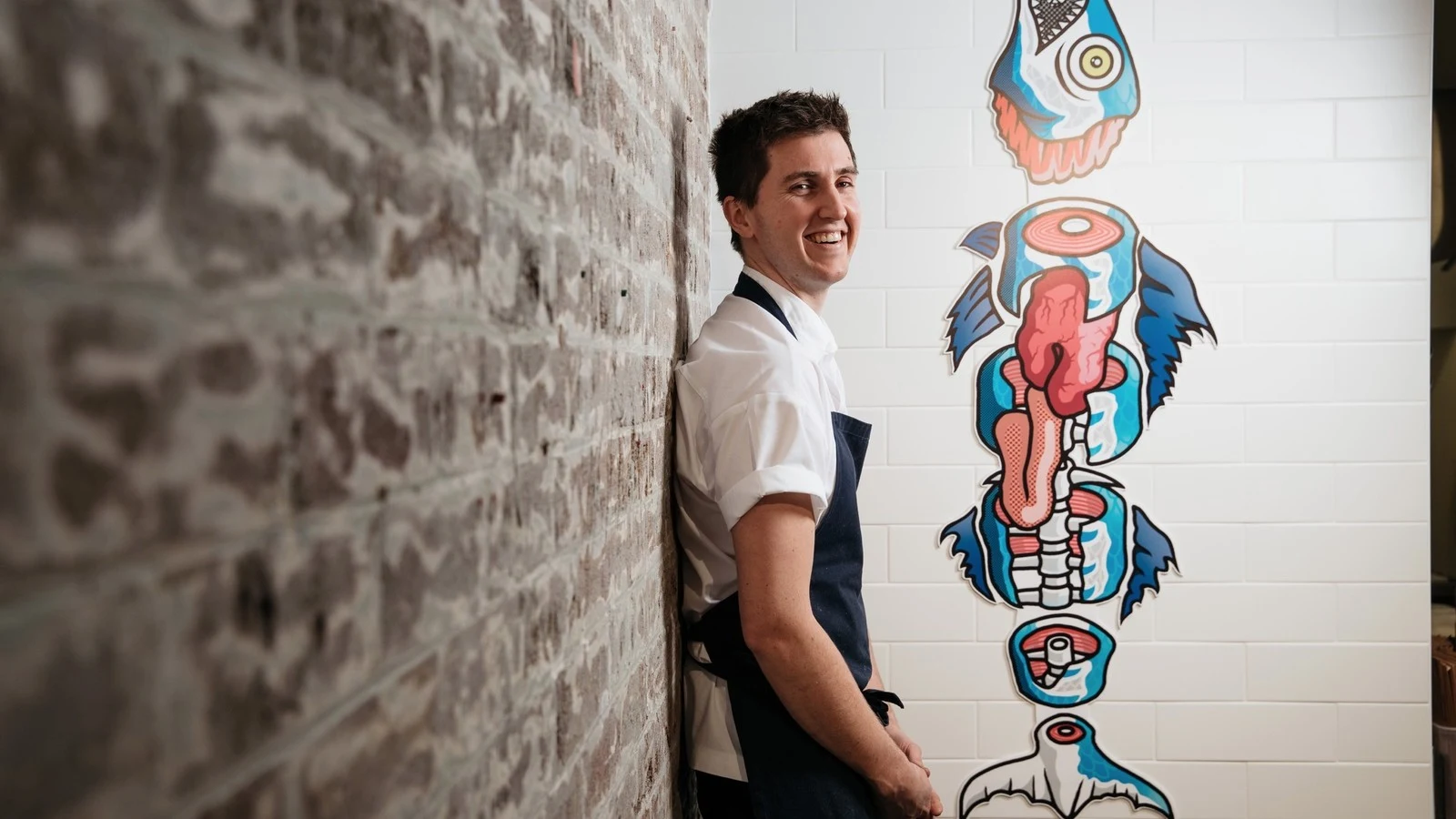
Saint Peter’s award belongs to Josh and Julie Niland. Josh Niland, born in 1988 or 1989 to Marea and Stephen Niland, grew up in East Maitland, New South Wales, with his older sister, Liz. At 12, he decided to become a chef. Three years later, he left school for an apprenticeship. By 17, he had moved to Sydney and begun work at chef Luke Mangan’s Glass Brasserie. Julie Niland came into Saint Peter as the other half of the operating discipline, with Julie tasked with management and Josh with cooking when they opened in Paddington in 2016 (Wikipedia2).
The Sunday email
Get new Made By stories every Sunday.
Every Sunday we send a lead story and up to four more about the chefs, winemakers, sommeliers and hoteliers behind the restaurants, bars, wineries and hotels we cover.
Free. One email a week, and you can unsubscribe from any issue.
The World’s 50 Best described Saint Peter as a Sydney seafood restaurant linked to the scale-to-tail movement since 2016. The restaurant moved into Paddington’s Grand National Hotel in 2024, but the recognition reaches back to the first Saint Peter, where fish bones, offal, dry ageing, terrine, sausage, and whole-animal logic shifted the work from filleting toward butchery (Hospitality Magazine1).
Why Saint Peter’s 50 Best recognition matters
Saint Peter’s No. 50 placement puts Josh and Julie Niland’s restaurant inside the 1-50 list of The World’s 50 Best Restaurants, the awards program voted on by The 50 Best Restaurants Academy. The Academy includes more than 1,100 international restaurant industry experts, has a 50/50 gender balance, and refreshes at least 25 per cent of its voters annually. For a restaurant in Sydney working in a narrow seafood register, that voting body gives the recognition a particular shape (Hospitality Magazine1).
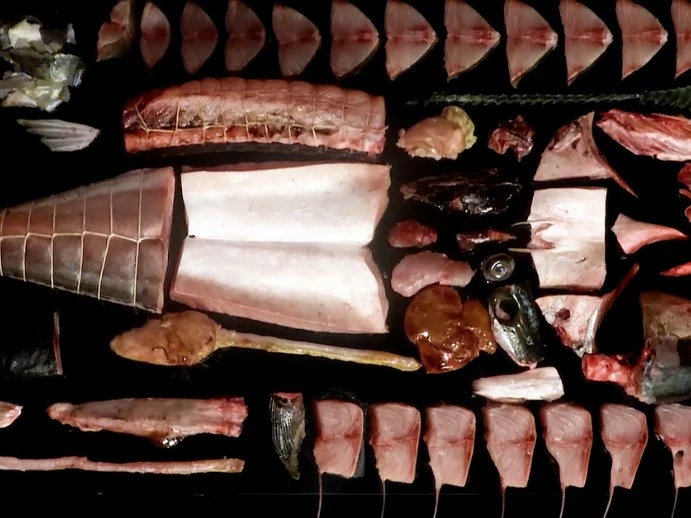
A comprehensive flat-lay display of fish butchery work showing various cuts, bones, offal.
Saint Peter is being noticed for a kitchen that treats fish with the same whole-animal seriousness that cooks apply to beef, lamb, and pork. The award follows a kitchen that has spent its public life arguing that fish should be treated with the same whole-animal seriousness that cooks apply to beef, lamb, and pork. The question attached to Niland’s work has been quoted by The World’s 50 Best itself: ‘why should whole-animal cookery only apply to meat?’
The question has a technical answer at Saint Peter: around 10 per cent of the fish is considered waste, the gills and gallbladder. In Niland’s restaurants, around 10 per cent of the fish is considered waste, the gills and gallbladder. The rest enters the program. Bones and offal appear in the logic of the menu. Fish has been dry aged by leaving it to dry out in a fridge over days and weeks. The kitchen has produced terrine and sausage from seafood, taking forms associated with butcher’s work and moving them into the fish station (Wikipedia2).
Among those debuts were Tuju in São Paulo at No. 16, Meet the Bund in Shanghai at No. 21, Al Gatto Verde in Modena at No. 24, Masque in Mumbai at No. 26, Le Coquillage in Saint-Méloir-des-Ondes at No. 34, Ru Yuan in Hangzhou at No. 36, Nuema in Quito at No. 37, Onjium in Seoul at No. 41, Bozar in Brussels at No. 42, Naar in Kasauli at No. 49, and Saint Peter in Sydney at No. 50. A restaurant built from fish butchery entered that field by one place, and by a decade of repeated method.
Josh and Julie Niland, From Apprenticeship to Paddington
Niland’s path into Saint Peter began before the language around scale-to-tail entered restaurant shorthand. Six months into his apprenticeship, he received a scholarship from a cancer charity, presented at an event catered by Est, the Sydney fine dining restaurant run by chef Peter Doyle. In 2007, Niland entered a cooking competition between apprentices run by vocational education provider TAFE NSW. Niland received a scholarship, entered a competition, and worked at Glass Brasserie during his apprenticeship.
By 2016, Josh and Julie Niland had opened Saint Peter in Paddington, Sydney. Julie managed, and Josh cooked. That division still matters because Saint Peter grew into a wider group of Sydney fish businesses around a specific refusal to treat most of the animal as discard.
By 2023, the Nilands had opened four more Sydney businesses selling fish: two Fish Butchery shops, Peterman, and Charcoal Fish. Peterman served a yellowfin tuna dish inspired by chateaubriand. Charcoal Fish served a tuna cheeseburger. Those dishes matter because they show how the Saint Peter method traveled into other formats without leaving the core material. A tuna cheeseburger reads differently when it comes from a cook who has spent years treating fish like a butcher treats primals, trim, fat, and mince.
Julie’s role widened with the group. She acted as CEO of the restaurant group, and the couple also became parents to four children. Their oldest child is ten. Saint Peter began in 2016. The World’s 50 Best notice arrives after years of service, books, openings, closures, and a 2024 move that asked the Nilands to become hoteliers as well as restaurateurs.
The Scale-to-Tail Method Behind the Award
At Saint Peter, fish is cut beyond a fillet and a frame. The kitchen used parts that had previously been discarded, including bones and offal. It made terrine and sausage. It dry aged fish over days and weeks in a fridge. The method treats a fish as a sequence of usable structures: flesh, fat, skin, bones, organs, trim, and the narrow remainder that Niland’s restaurants count as waste.
Gills and gallbladder sit outside the usable field. Everything else asks for a decision. What can be aged? What can be cut? What can be cooked as a steakhouse cut? What can become sausage? What belongs in a terrine? The awards program singled out Saint Peter's scale-to-tail identity in its description of the house.
The sensory facts attached to the Nilands’ wider work are specific enough to make the method visible. Saint Peter has served fish eyeball ice cream. Peterman served yellowfin tuna in the grammar of chateaubriand. Fysh served fish in the manner of a steakhouse. These dishes apply a kitchen argument that fish can bear curing, ageing, grinding, cutting, and serving structures usually reserved for land animals.
In 2019, Niland released The Whole Fish Cookbook, which won two James Beard Awards, including the American James Beard overall Book of the Year in 2020. His books The Whole Fish Cook Book, Take One Fish, and Fish Butchery have won multiple awards. The cookbooks give other cooks access to the method without flattening the work into a trend. They also explain why a restaurant award for Saint Peter lands beyond Sydney diners; the technique has already moved through kitchens, bookshelves, and fish counters.
The Grand National Hotel Changed the Frame
Saint Peter moved into Paddington’s Grand National Hotel in 2024 after six years of planning and organisation. The move expanded the responsibilities around the restaurant. Josh and Julie Niland assumed the role of hoteliers, with 14 rooms charged upwards of A$600, around US$393, per night. The address is 161 Underwood St, Paddington NSW 2021.
The hotel context matters because the Saint Peter method now reaches the guest before and after dinner. Seafood appears in the welcome snack, the breakfast set menu, and the amenities. The hand soap is made from fish fat. A visitor encountering that soap meets the kitchen’s central proposition outside the dining room: fat from fish has use, texture, and function. The idea leaves the plate and enters the sink.
The move did not erase the earlier Saint Peter. The move gave the Nilands a larger venue for the same method. The World’s 50 Best noted the 2024 move into the Grand National Hotel and described the restaurant’s founding ethos as unchanged. The new rooms, the hotel duties, and the broader guest experience sit on top of a method first attached to the Paddington restaurant in 2016.
There is risk in that kind of expansion. In mid-2024, Charcoal Fish and the Paddington Fish Butchery closed, and Peterman followed soon after. The group’s history includes the Fish Butchery shops, Peterman, Charcoal Fish, Fysh, and the Grand National Hotel by Saint Peter. The restaurant, the method, and the operating partnership of Josh and Julie endured.
The Wider 50 Best Field, From Etxebarri to Yiaga
Asador Etxebarri at No. 1
Asador Etxebarri was honoured as The World’s Best Restaurant 2026. Rikki Tidball, managing director of Events for The 50, said, ‘We are delighted to announce this year’s 1-50 ranking and honour Asador Etxebarri as The World’s Best Restaurant 2026.’
Yiaga and the One to Watch Award
Melbourne ’s Yiaga, led by chef Hugh Allen, received the One to Watch Award for 2026. The year has two local points of attention: Hugh Allen’s Melbourne restaurant as the future-facing award recipient, and Josh and Julie Niland’s Sydney restaurant inside the top 50 and named Best Restaurant in Oceania.
Eleven new entries in the 1-50 list
The 1-50 list included 11 new entries, a number that matters for Saint Peter because the Sydney restaurant entered alongside restaurants from São Paulo, Shanghai, Modena, Mumbai, Saint-Méloir-des-Ondes, Hangzhou, Quito, Seoul, Brussels, and Kasauli. Saint Peter’s placement at No. 50 is the final position on the list, but the culinary argument behind it is clear enough for voters across an international academy to identify the restaurant by its seafood discipline.
The Best Restaurant in Oceania recognition sits beside the global No. 50 ranking, so the restaurant holds two forms of notice at once: a place in the international list and the regional title.
What to Watch Next from the Nilands
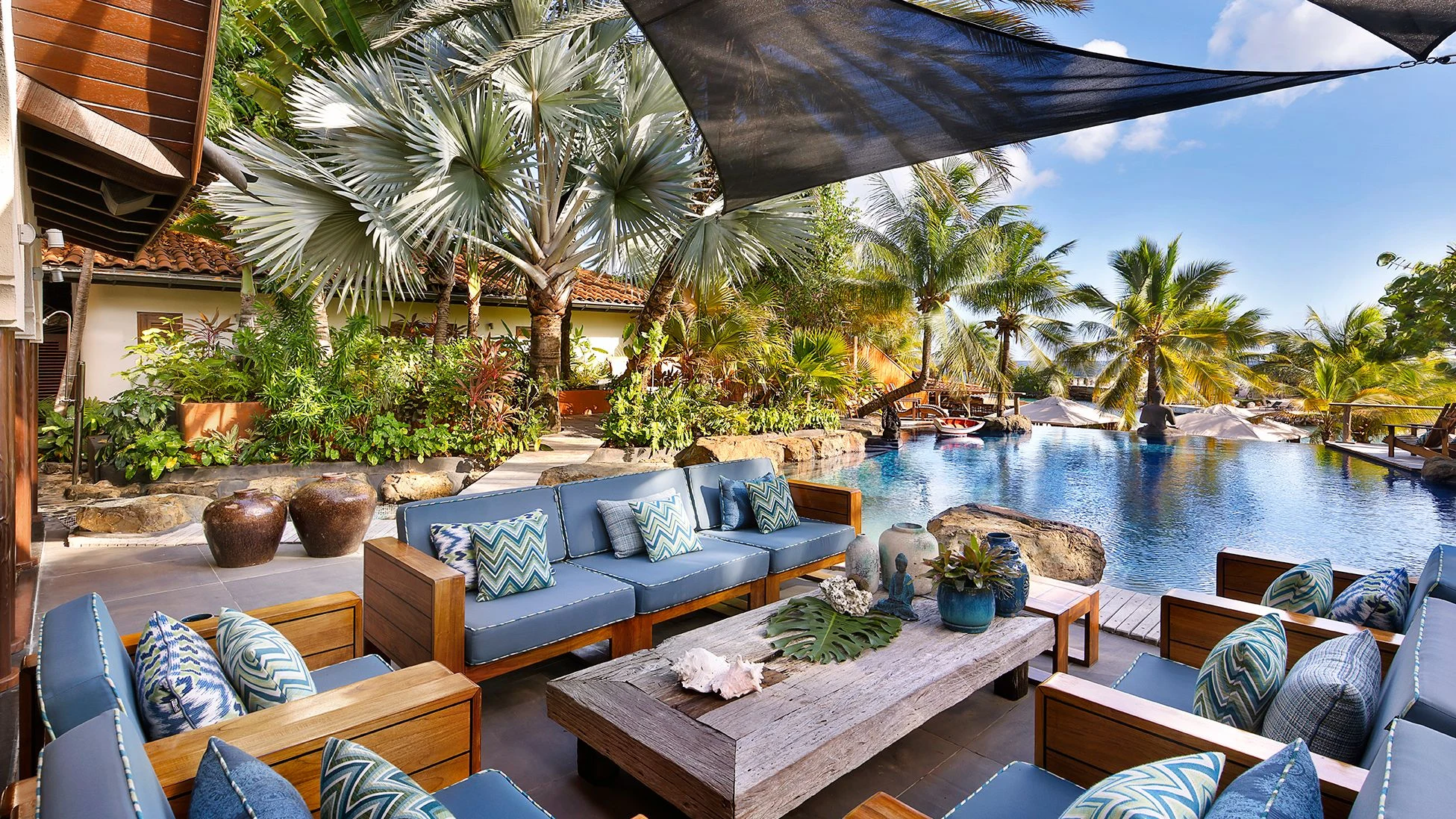
He and Julie also partnered with The Sundays for Catseye Pool Club on Hamilton Island. He holds three knives on the Best Chef list. The Saint Peter award sits inside a working life that has moved between restaurant, retail fish work, books, hotels, and resort partnership without leaving the central material.
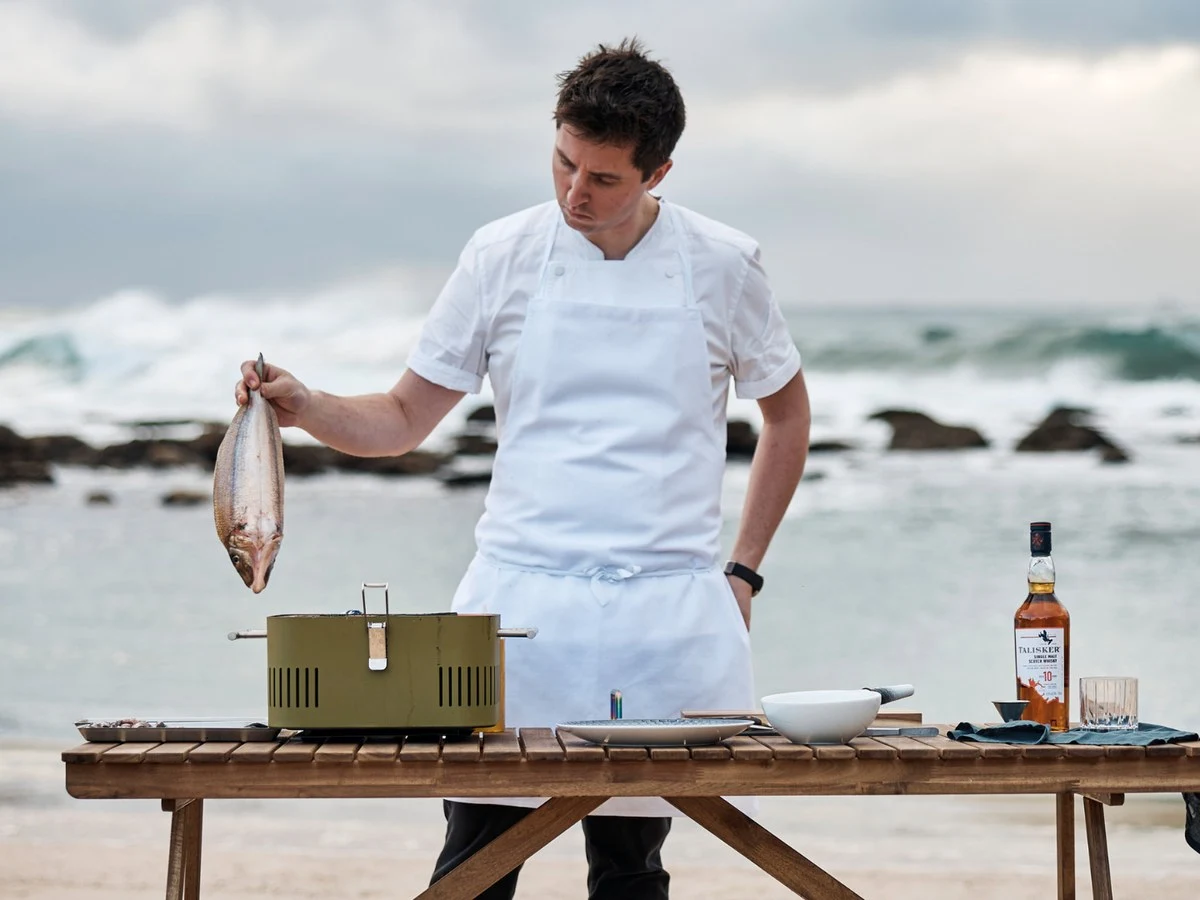
A chef in white uniform holding a fish over a portable grill on a beach with ocean in background.
Saint Peter’s current form is a scale-to-tail seafood restaurant anchoring a hotel, with fish in the welcome snack, breakfast, amenities, and hand soap. It points to a living program.
Josh and Julie Niland keep the waste number, the dry-ageing practice, and the fish butchery language intact under the attention that follows a World’s 50 Best placement and a Best Restaurant in Oceania award.
Frequently Asked Questions
What rank did Saint Peter get on the World’s 50 Best Restaurants list?
Saint Peter was ranked No. 50 on The World’s 50 Best Restaurants list. The recognition also named it The Best Restaurant in Oceania (Hospitality Magazine1).
Why is Saint Peter World’s 50 Best recognition significant for Australian seafood cooking?
The Saint Peter World’s 50 Best recognition highlights Josh and Julie Niland’s scale-to-tail seafood approach on an international stage. The award acknowledges a restaurant built around treating fish with whole-animal seriousness, including bones, offal, dry ageing, terrines, and sausages.
Where is Saint Peter located now?
Saint Peter moved into Paddington’s Grand National Hotel in 2024. The restaurant originally opened in Paddington in 2016.
Who runs Saint Peter in Sydney?
Saint Peter is run by Josh and Julie Niland. When the restaurant opened, Julie handled management while Josh led the cooking.
What does Saint Peter World’s 50 Best say about fish waste?
In Niland’s restaurants, around 10 per cent of the fish is considered waste: the gills and gallbladder. The rest is brought into the cooking program through a scale-to-tail approach.
The Sunday email
Get new Made By stories every Sunday.
Every Sunday we send a lead story and up to four more about the chefs, winemakers, sommeliers and hoteliers behind the restaurants, bars, wineries and hotels we cover.