Taqueria Ramirez Team Opens El Camarón Peludo in NYC
Tania Apolinar, Giovanni Cervantes, and chef Carlos Barrera bring Mexican seafood and global natural wines to the West Village.
HM
Director of Editorial Standards
Hugo Marchetti
Filed November 5, 2026
8 min read
Giovanni Cervantes de-shells and de-veins fresh shrimp from Sinaloa, Mexico, Ecuador, and other locales before service at El Camarón Peludo, the new seafood-focused West Village wine bar he opened this year with Tania Apolinar and chef Carlos Barrera. At this counter, they turn toward tuna tostadas, shrimp aguachile, camarones zarandeados, pescadilla, shrimp tacos, and bottles of natural wine sourced from around the world.
El Camarón Peludo opens in the West Village as a Mexican seafood room with a wine-bar spine. Barrera breaks down Spanish tuna for the tostada. Cervantes tastes salsa against the prior week’s batch. Apolinar sets chilled seafood on ice in the window and prepares wine bottles for chilled buckets during service.
The Sunday email
Get new Made By stories every Sunday.
Every Sunday we send a lead story and up to four more about the chefs, winemakers, sommeliers and hoteliers behind the restaurants, bars, wineries and hotels we cover.
Free. One email a week, and you can unsubscribe from any issue.
Inside the El Camarón Peludo Opening
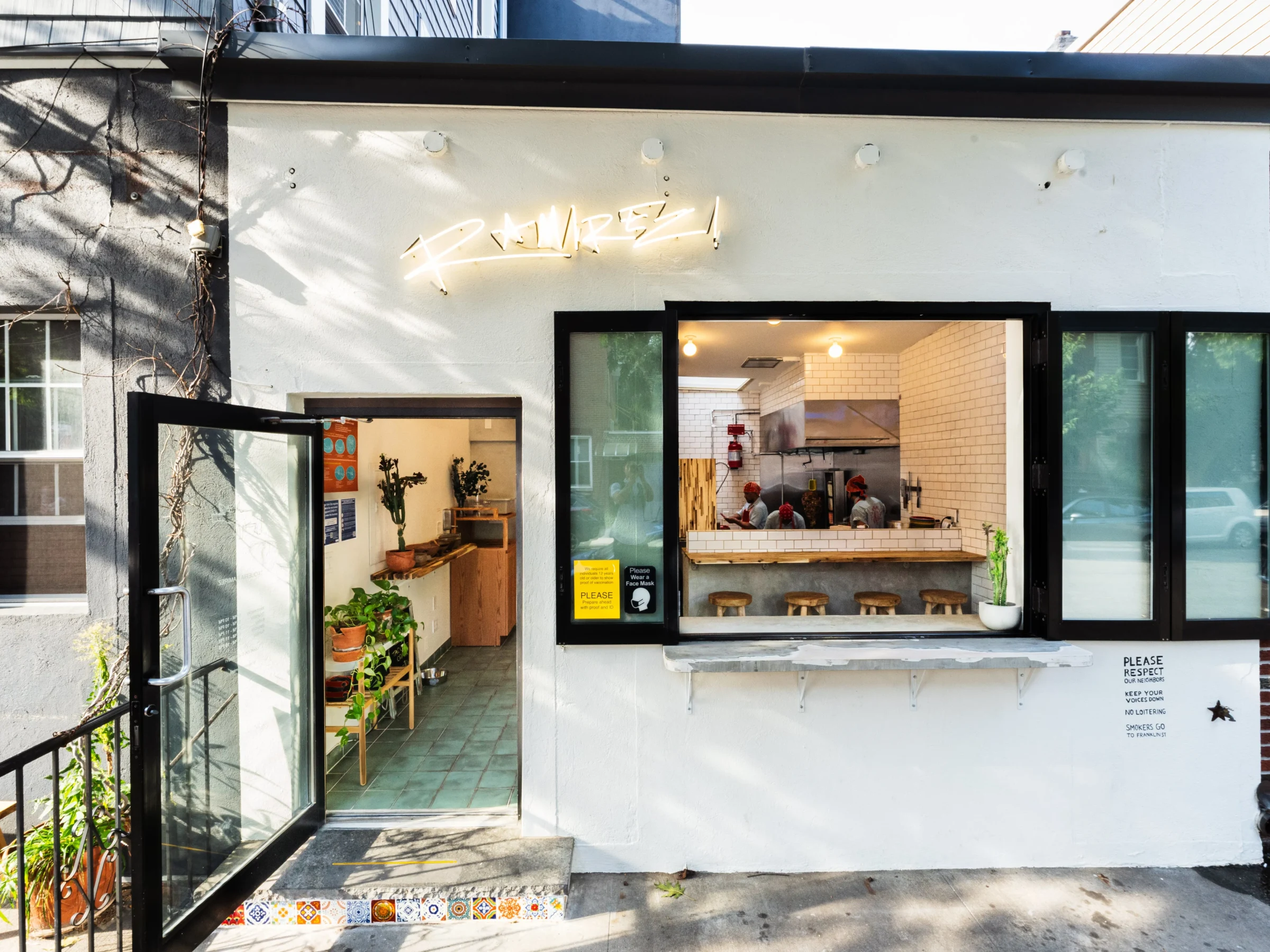
El Camarón Peludo is a New York opening from Tania Apolinar, Giovanni Cervantes, and chef Carlos Barrera that moves the Ramirez team from meat to seafood. Apolinar and Cervantes are partners in life and partners in Taqueria Ramirez in Greenpoint and Carnitas Ramirez in the East Village. They were formerly professional photographers.
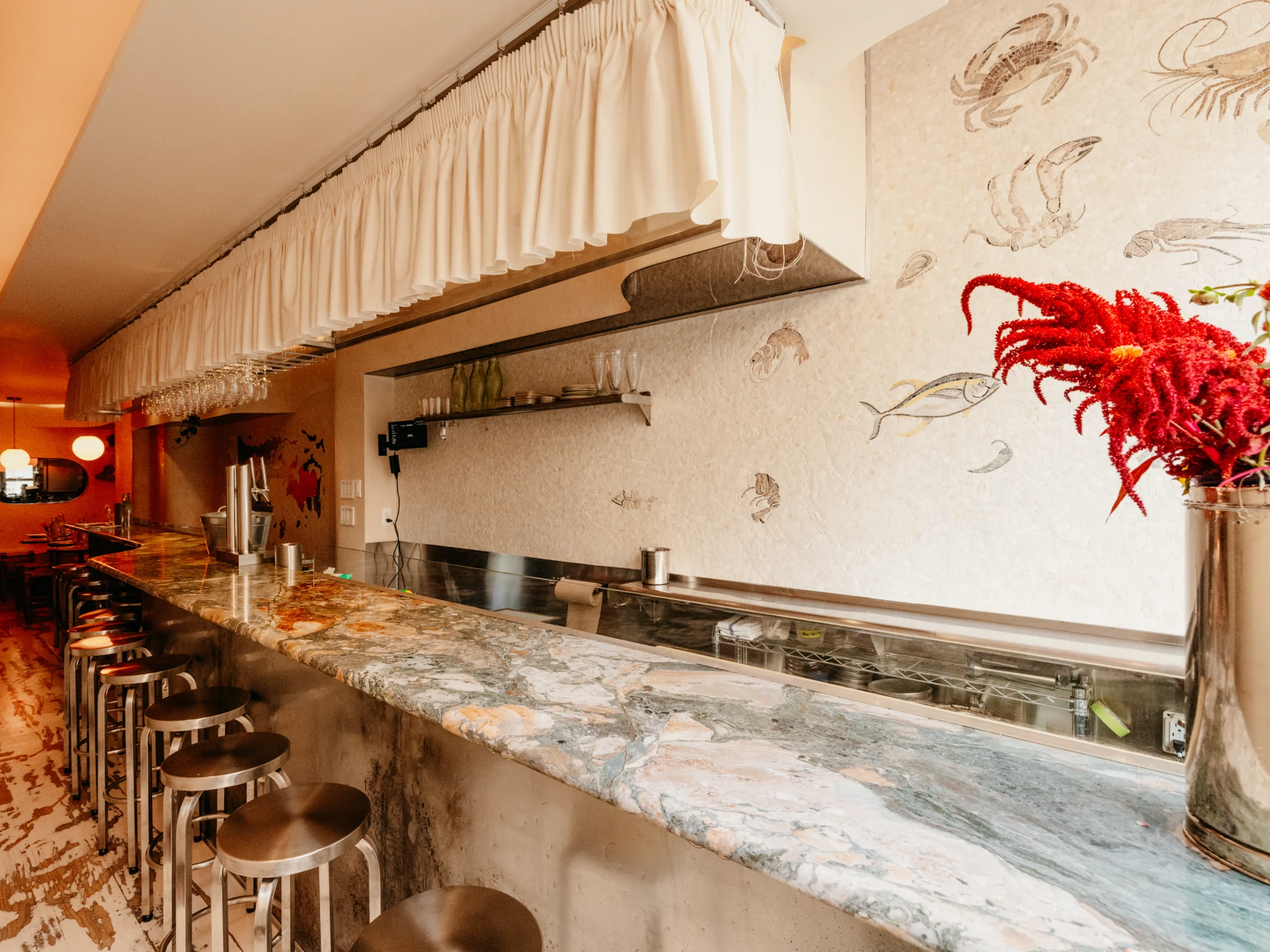
There is a long bar with a marble countertop and an open kitchen.
This wine bar puts shellfish, tuna, salsa, and fryer work at the center.
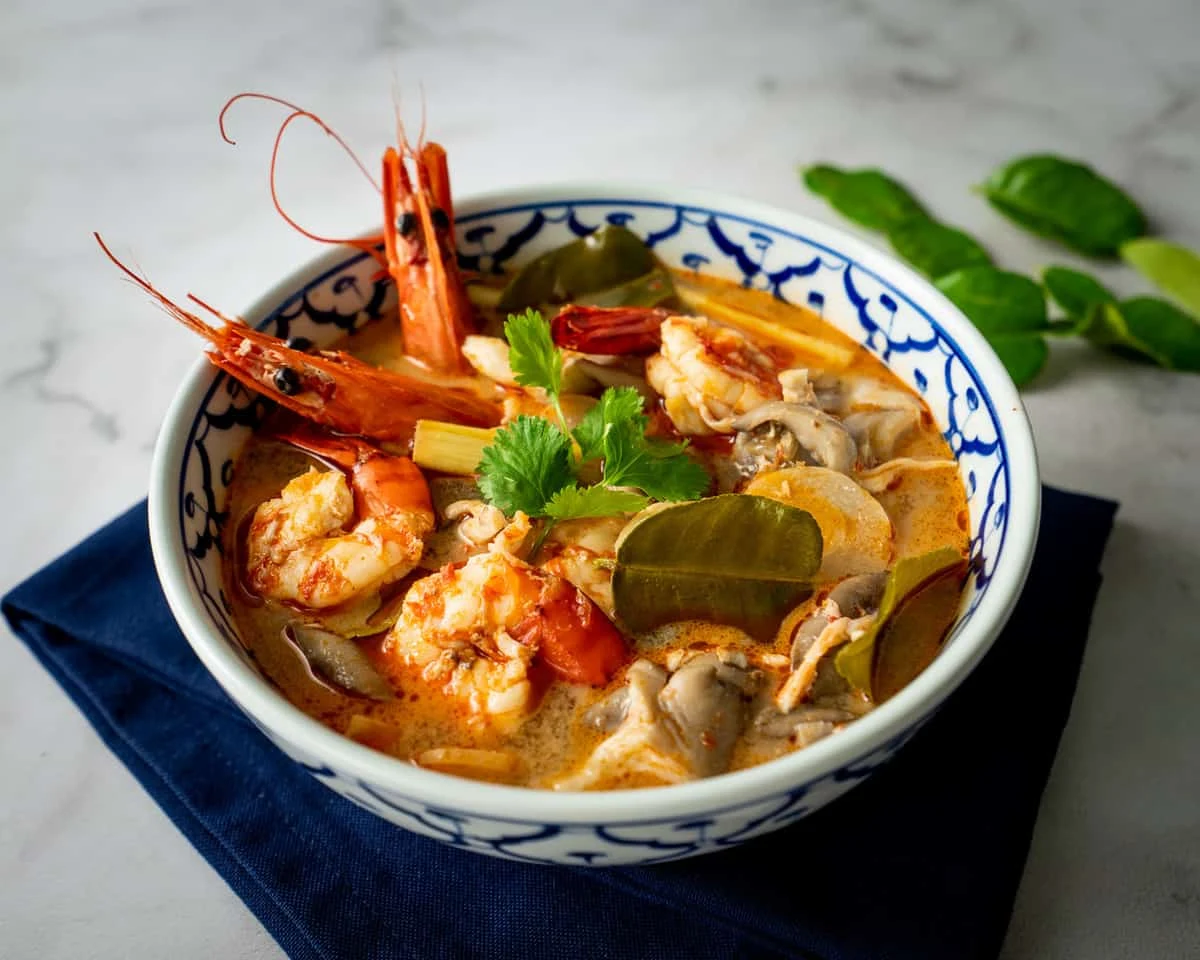
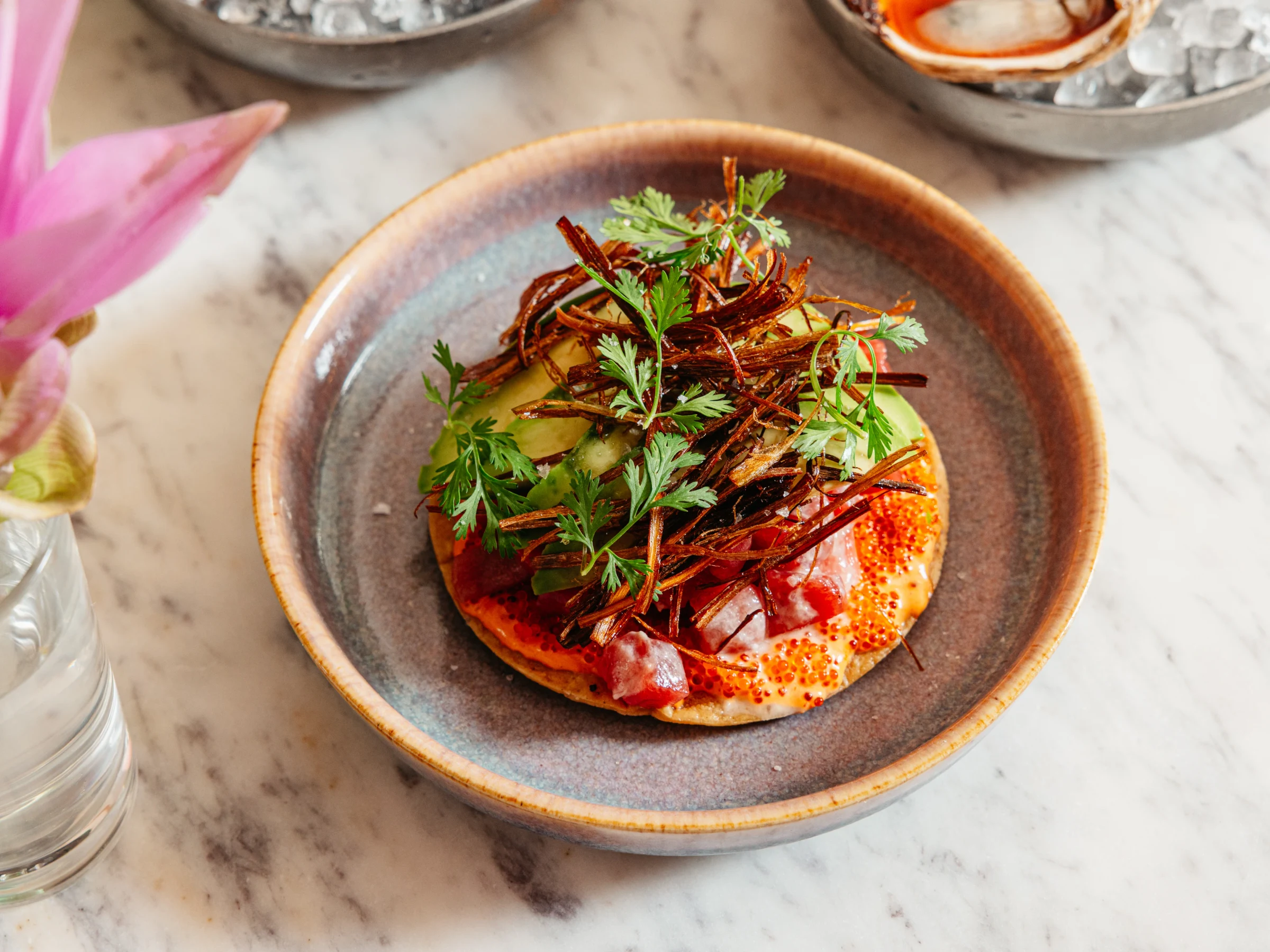
A succulent shrimp dish garnished with crispy beet strands and fresh cilantro, served in a rustic ceramic bowl at El Camarón Peludo.
Apolinar lays chilled seafood on ice in the window and readies bottles that will sit in chilled buckets. Apolinar recommends the long, winding bar for its view of bartenders and chefs at work.
The Taqueria Ramirez Hands Move From Meat to Seafood
Apolinar and Cervantes built their New York record through Taqueria Ramirez in Greenpoint and Carnitas Ramirez in the East Village. The first association is meat, roasted and slow-cooked, with the cadence of a taqueria service. The West Village project asks those same hands to manage perishability, cold holding, shellfish prep, salsa consistency, and a wine list with bottles from outside one region.
The shift means shellfish must be de-shelled and de-veined, tuna broken down, and salsa tasted against memory. Shrimp from Sinaloa, Mexico, Ecuador, and other locales need de-shelling and de-veining before they can anchor three central shrimp dishes. Spanish tuna needs breaking down before it can become a tostada layered with spicy mayo, fish eggs, habanero-lime oil, avocado, and crispy leeks. Salsa needs tasting against memory, and in Cervantes’s case, against last week’s batch. The salsa is checked against last week’s batch (Eater1).
Carlos Barrera’s role gives El Camarón Peludo its seafood focus. He is the chef partner in the project, the person working through Spanish tuna, taco prep, raw bar elements, and the dishes that turn a wine bar into a place with a point of view from the kitchen. Barrera and Cervantes prepare the raw bar area together, including salsa verde and salsa negro. The green salsa uses parsley. The black salsa brings habaneros, piquin chile, and squid ink. The green salsa uses parsley, and the black salsa uses habaneros, piquin chile, and squid ink.
The Taqueria Ramirez connection will bring diners through the door. The daily work has to keep them there. The daily work means shrimp cleaned before service, salsa checked for consistency, tuna cut for tostadas, and bottles chilled for the bar, Barrera and Cervantes moving between raw bar and taco prep.
Mexican Seafood on the Pass
The tuna tostada at El Camarón Peludo begins before the garnish. Barrera breaks down Spanish tuna, then builds the tostada with spicy mayo, fish eggs, habanero-lime oil, avocado, and crispy leeks. It is the kind of dish that asks the kitchen to control thickness, temperature, and timing; tuna handled too early or dressed too long would read differently by the time it reaches the bar.
The shrimp aguachile starts with fresh shrimp from Sinaloa. Aguachile depends on rawness, acid, chile, and speed. The kitchen serves the shrimp without long cooking.
Camarones zarandeados is a Pacific coast Mexican fish preparation usually grilled in a flat wire grill basket. At El Camarón Peludo, the sauce on the dish is a bright red salsa mixed with mayo. The shrimp version brings a coastal method into the West Village room and makes the prep visible through sauce work, shellfish handling, and service at the bar.
The taco station draws on Apolinar and Cervantes’s taqueria experience with different ingredients. The pescadilla is a deep-fried fish taco. The shrimp taco carries queso fresco, refried beans, and slices of roasted poblano peppers.
Cervantes’s salsa work sharpens the seafood. Cervantes starts the fresh salsa for the day, then taste-tests and compares each batch to the salsa from the prior week. Salsa verde uses parsley. The red salsa folds into mayo for the camarones zarandeados.
Natural Wine at the Long Bar
Cervantes first thought for the room was seafood with bubbly wine. That idea became a natural wine bar, with El Camarón Peludo sourcing bottles from around the world. El Camarón Peludo sources bottles from around the world. A global natural-wine list gives the seafood room a wider set of textures to work with: bubbles for fried fish, white wine for tuna and aguachile, chilled reds or orange wines where the kitchen’s chiles and salsas ask for something with grip. The bottles complete the meal at the table.
Seafood sits on ice in the window. The long, winding bar has a close-range view of the bartenders and chefs at work.
At El Camarón Peludo, the wine sits beside shrimp aguachile, tuna tostada with habanero-lime oil, camarones zarandeados with red salsa and mayo, pescadilla from the fryer, and shrimp tacos with queso fresco and roasted poblano. At El Camarón Peludo, natural wine sits beside seafood dishes. The list includes styles from across the world. The seafood stays Mexican in its vocabulary, and the bottles widen the table.
Cervantes checks salsa consistency. Barrera breaks down tuna. Apolinar builds the room for service with seafood on ice and bottles in buckets. El Camarón Peludo pairs Mexican seafood with natural wine.
What to Watch Next From Apolinar and Cervantes
El Camarón Peludo arrives while Apolinar and Cervantes are also working on another New York project: a second location of Taqueria Ramirez in Carroll Gardens, at 267 Smith Street at Degraw Street, set to debut in late summer. That timing puts the pair in two different modes at once. In the West Village, they are building a seafood-focused wine bar with Barrera. In Carroll Gardens, they are opening a second location of Taqueria Ramirez (Eater NY2).
Apolinar points to the long, winding bar, and the bar gives a diner the clearest view of the work: shrimp being handled for several dishes, salsa batches checked for consistency, tuna broken down for tostadas, bottles set into chilled buckets, raw bar prep moving between Cervantes and Barrera. Those stations make the room’s identity legible.
The opening adds a West Village stop where the natural-wine bottle list is tied directly to Mexican seafood. Barrera’s seafood menu draws on the Ramirez team’s taqueria discipline. Apolinar, Cervantes, and Barrera will keep managing salsas, shrimp, tuna, and global bottles during regular service.
The Sunday email
Get new Made By stories every Sunday.
Every Sunday we send a lead story and up to four more about the chefs, winemakers, sommeliers and hoteliers behind the restaurants, bars, wineries and hotels we cover.