Tannat shaped by yeast research
- Pearl 2 Star Prestige · 2025
Samples before the cellar decision
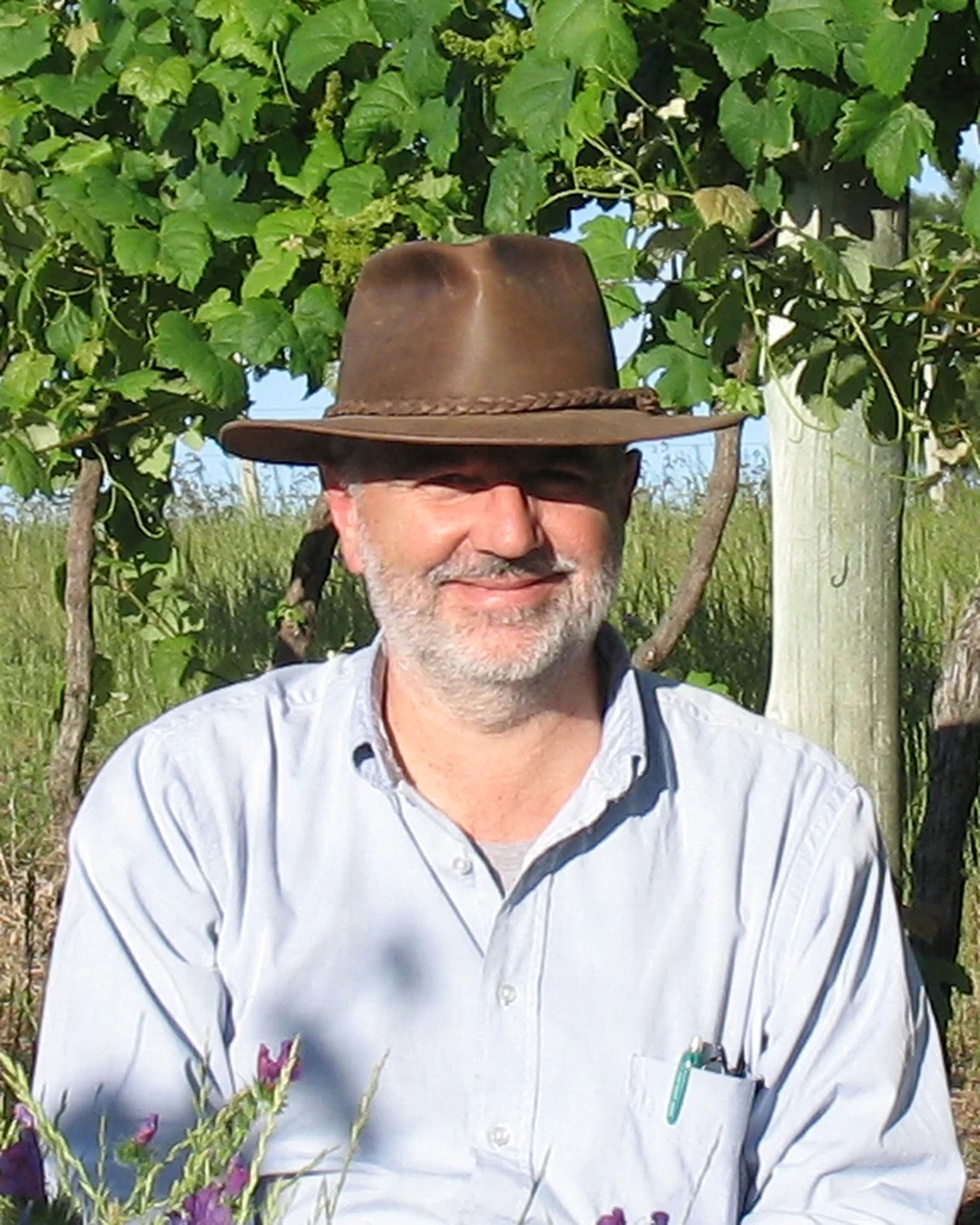
Francisco Carrau reads fermentation through samples first, then through the vat. As owner and winemaker at Bodega Carrau in Las Piedras, he works where laboratory habit and family cellar judgement meet. Francisco Carrau began with analysis in the winery lab at 18 or 19 years old, and the gesture has stayed close to him: measure, taste, wait, decide. Since 1985, his work on grape yeast has kept him near the microorganisms that determine the first shape of wine. Since 1995, his role as head professor at University of the Republic in Montevideo has run beside the cellar rather than away from it. The teaching matters because it clarifies the method. The lab matters because it slows the hand before it intervenes. At Bodega Carrau, that discipline sits inside a family house with 10 generations of winemaking tradition since 1752, not as nostalgia, but as a working inheritance. The line is carried through Tannat, through the family’s Las Violetas vineyards, and through the choices that begin before fruit becomes wine.
Yeast, Tannat, and Las Violetas
The program here turns on Tannat and on the Las Violetas terroir within Canelones, where limestone-rich soils and breezy conditions frame the fruit. The winery also works with Malbec, Merlot, Cabernet Sauvignon, Sauvignon Blanc, and Chardonnay, but its public identity has long been tied to pioneering Tannat in Uruguay. Carrau has described the variety through the observations of producers themselves: “It was producers themselves who noticed that the grape that most produced wine with the best quality, the best colour, higher alcohol and more sugar for the fermentation was Tannat.” That is a cellar sentence as much as a vineyard one. Sugar, alcohol, colour, and fermentation sit in the same chain of consequence. His yeast research gives that chain a second register, one concerned with what begins invisibly and then becomes texture, structure, and stability. The house’s signature Amat 2000 belongs to that same line of thought, a named wine where research and production meet in the bottle. The production philosophy is conventional, but the attention is not casual. Carrau’s practice keeps the scientific bench close enough to steady the sensory work.
The Sunday letter
Find new places through the people who run them.
Our Sunday email brings you the chefs, winemakers and hoteliers behind our newest stories. See a sample before you subscribe.
See a sample of the Sunday emailOne email a week. Unsubscribe from any issue.
A quiet cellar in Canelones
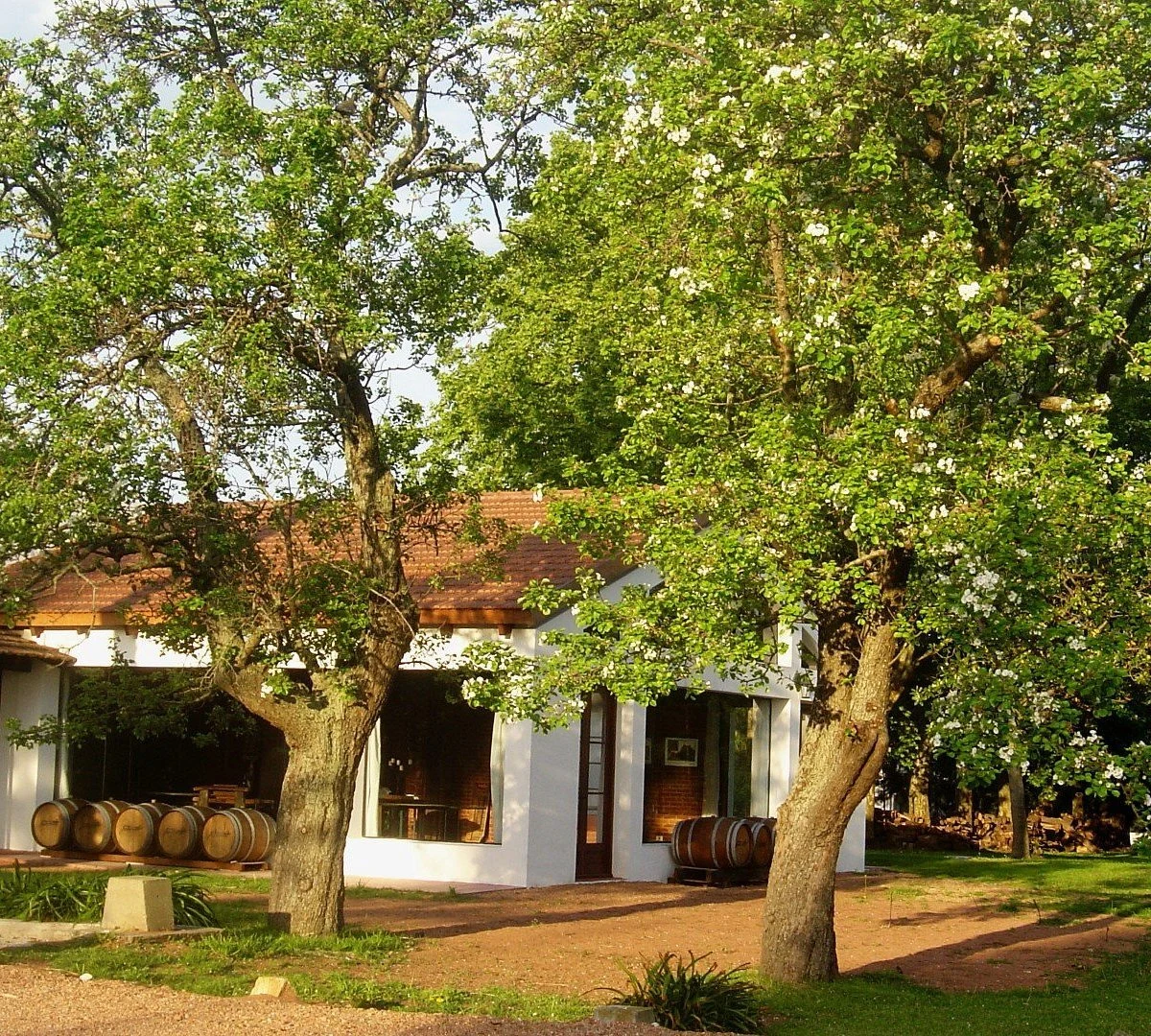
The place around the work is classic and rustic rather than polished into distance. The vineyards at Las Violetas give the house its pace: rows, wind, limestone-rich ground, and the slower rhythm of still red wine production. In the cellar and tasting room, the register stays quiet. Guided tastings draw attention back to the wines rather than to performance, with Tannat carrying much of the weight of the conversation. The room does not need to explain family continuity loudly when the cellar already holds it. Carrau’s work is most legible in the small sequence that repeats across a vintage: sample, analysis, fermentation, adjustment, patience. The hands are trained by measurement, then corrected by taste. In Las Piedras, that is the discipline behind Bodega Carrau.
Questions
Frequently asked
Who is behind Bodega Carrau?
Bodega Carrau is run by Francisco Carrau, the owner and winemaker. His work there sits between laboratory analysis and cellar judgement, and he has also been head professor at the University of the Republic in Montevideo since 1995.
What is the winery known for?
The winery is closely tied to Tannat and to the Las Violetas vineyards in Canelones, where limestone-rich soils and breezy conditions shape the fruit. Its public identity has long been linked to pioneering Tannat in Uruguay.
What other wines are made there?
Alongside Tannat, Bodega Carrau also works with Malbec, Merlot, Cabernet Sauvignon, Sauvignon Blanc, and Chardonnay.
How is a visit arranged?
Visits are by appointment only, and the winery has an on-site lot for parking. The dress code is casual.
What kind of place is it?
It is a family winery in Las Piedras with 10 generations of winemaking tradition since 1752. The setting is described as classic and rustic rather than polished.
The field
How it compares
| Place | Notes | Awards |
|---|---|---|
| Bodega Carrau | Las Piedras, $$ | · |
| Bodega Spinoglio | Las Piedras | · |
| Castello Banfi | Montalcino | World's 50 Best |
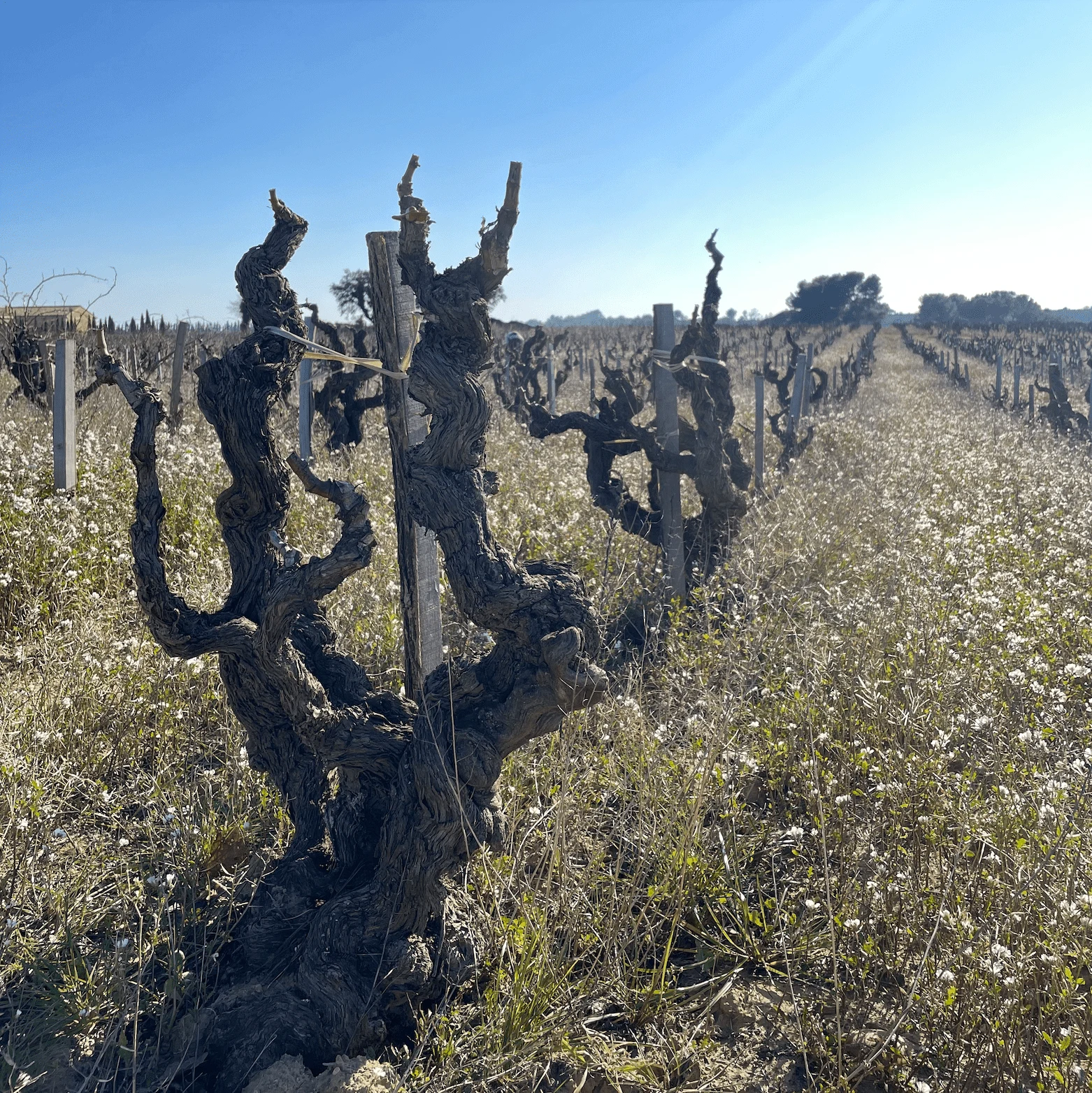
| Domaine La Barroche | Châteauneuf-du-Pape | · |
| Harlan Estate | Napa | · |
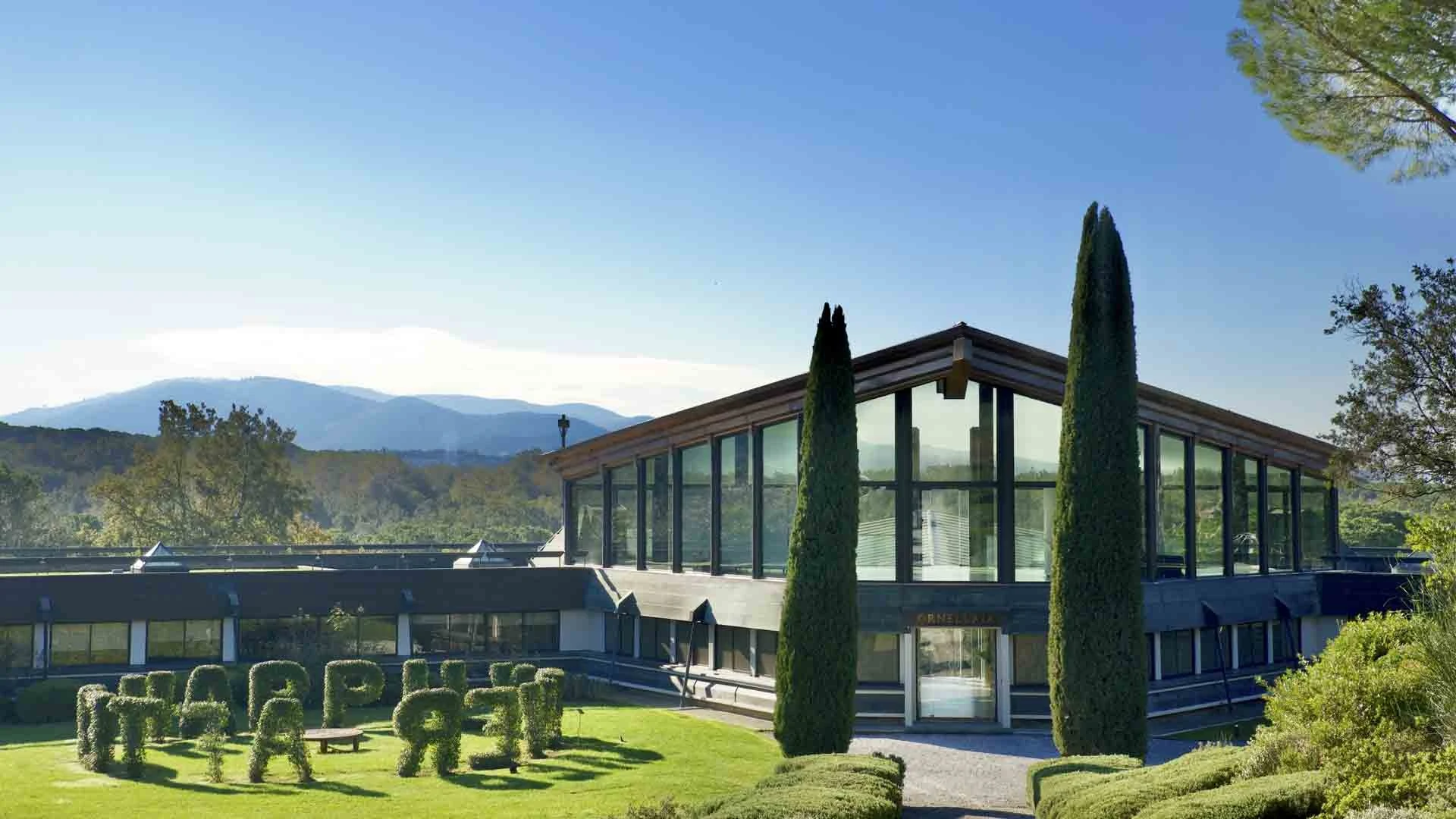
| Ornellaia | Castagneto Carducci | · |
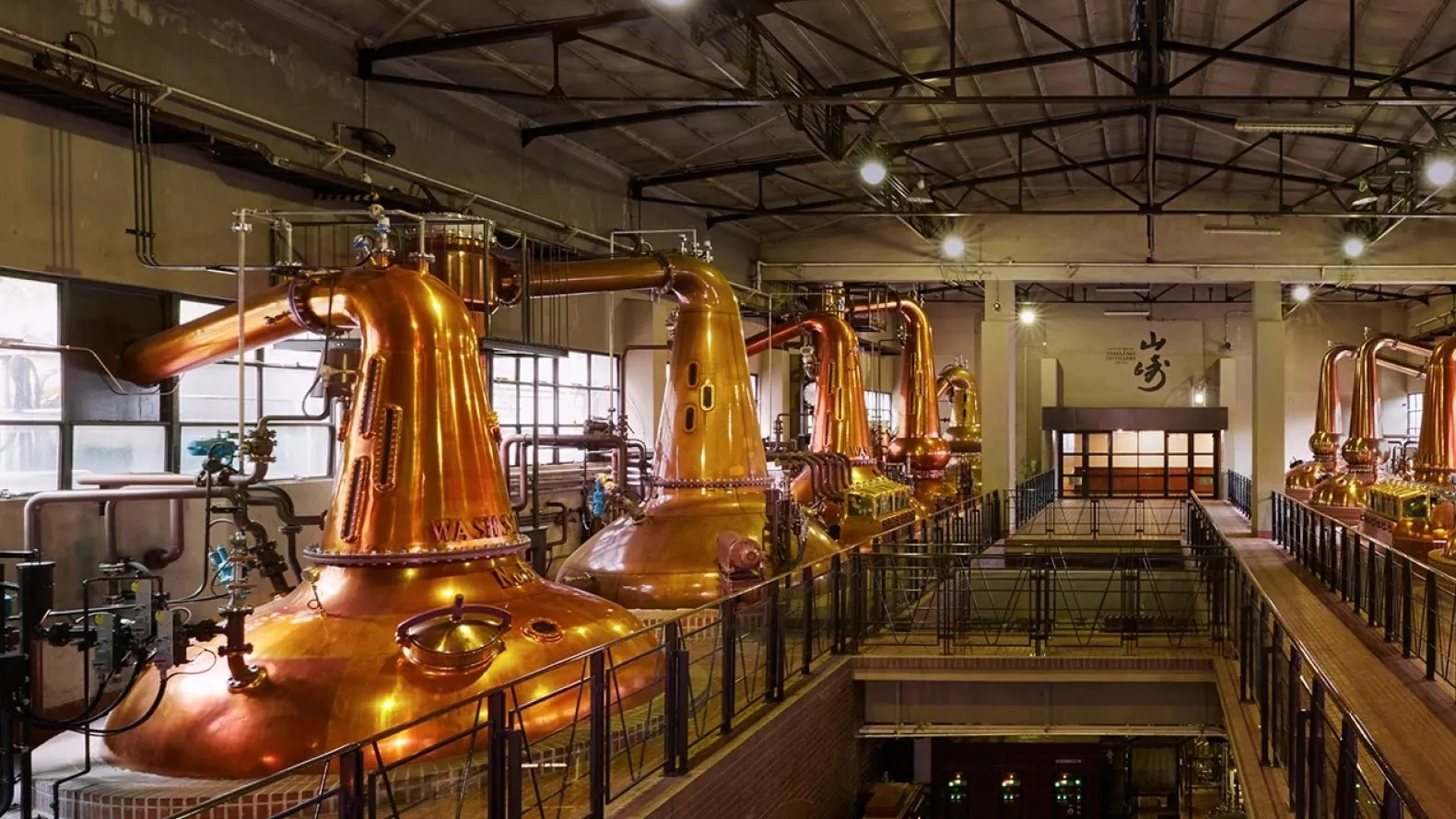
| Yamazaki (Suntory) | Shimamoto | · |
In residence
Similar places

The Sunday letter
Get the next Made By story in your inbox.
We send one email every Sunday morning with the places and people we covered that week.
See a sample of the Sunday emailOne email a week. Unsubscribe from any issue.