Century-old Grenache in concrete tanks
- Pearl 5 Star Prestige · 2025
Grenache carried by gravity
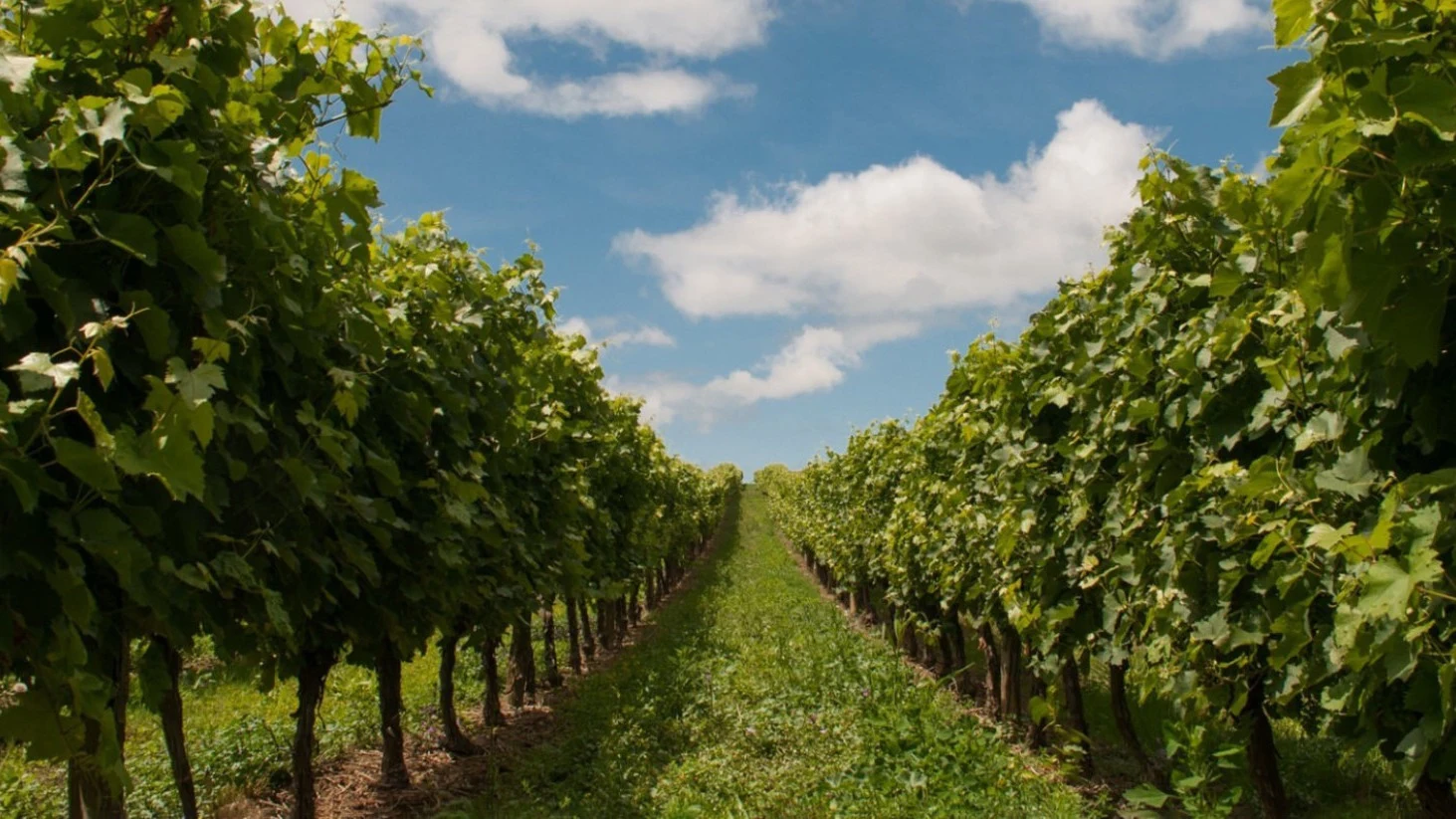
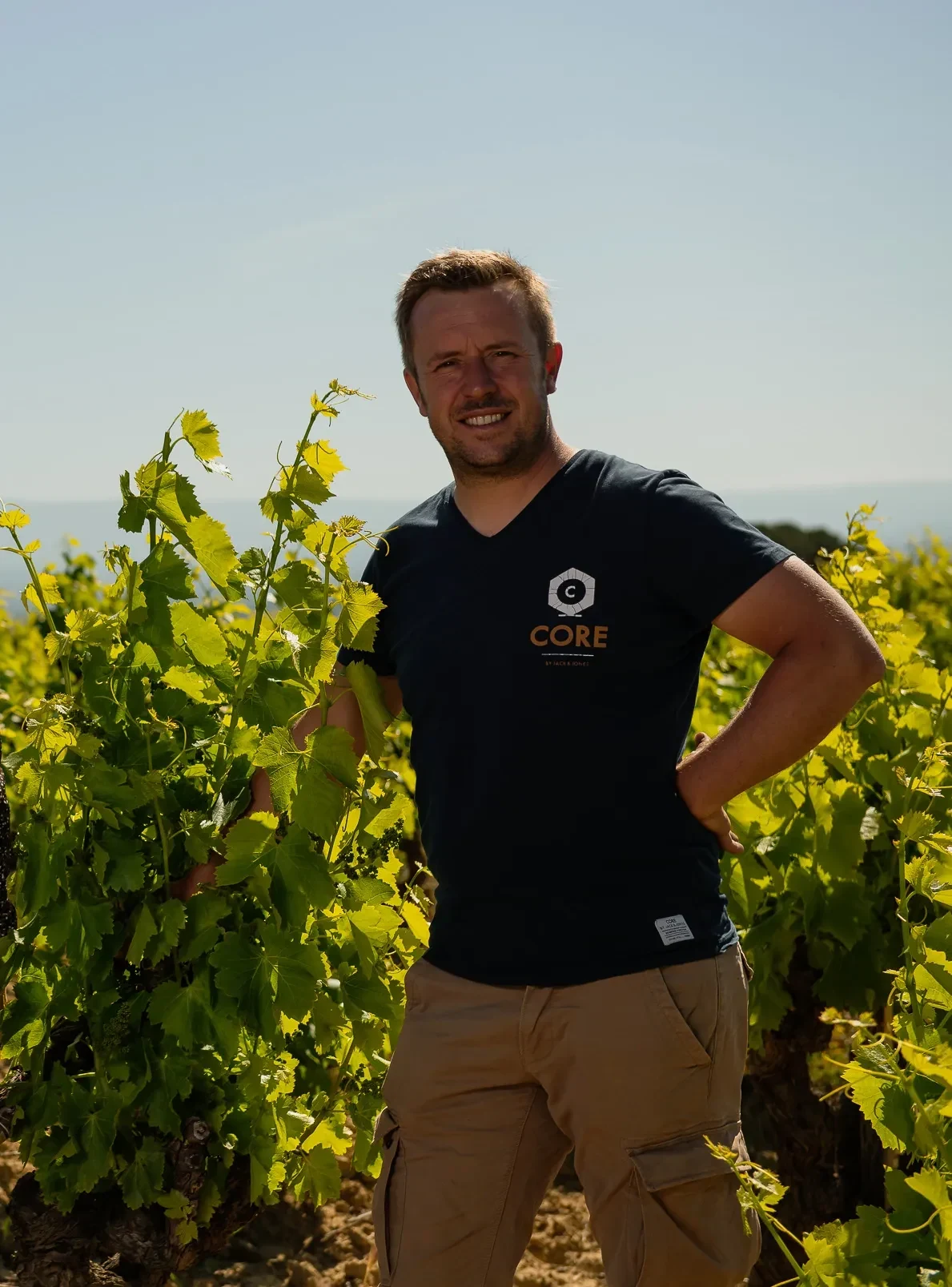
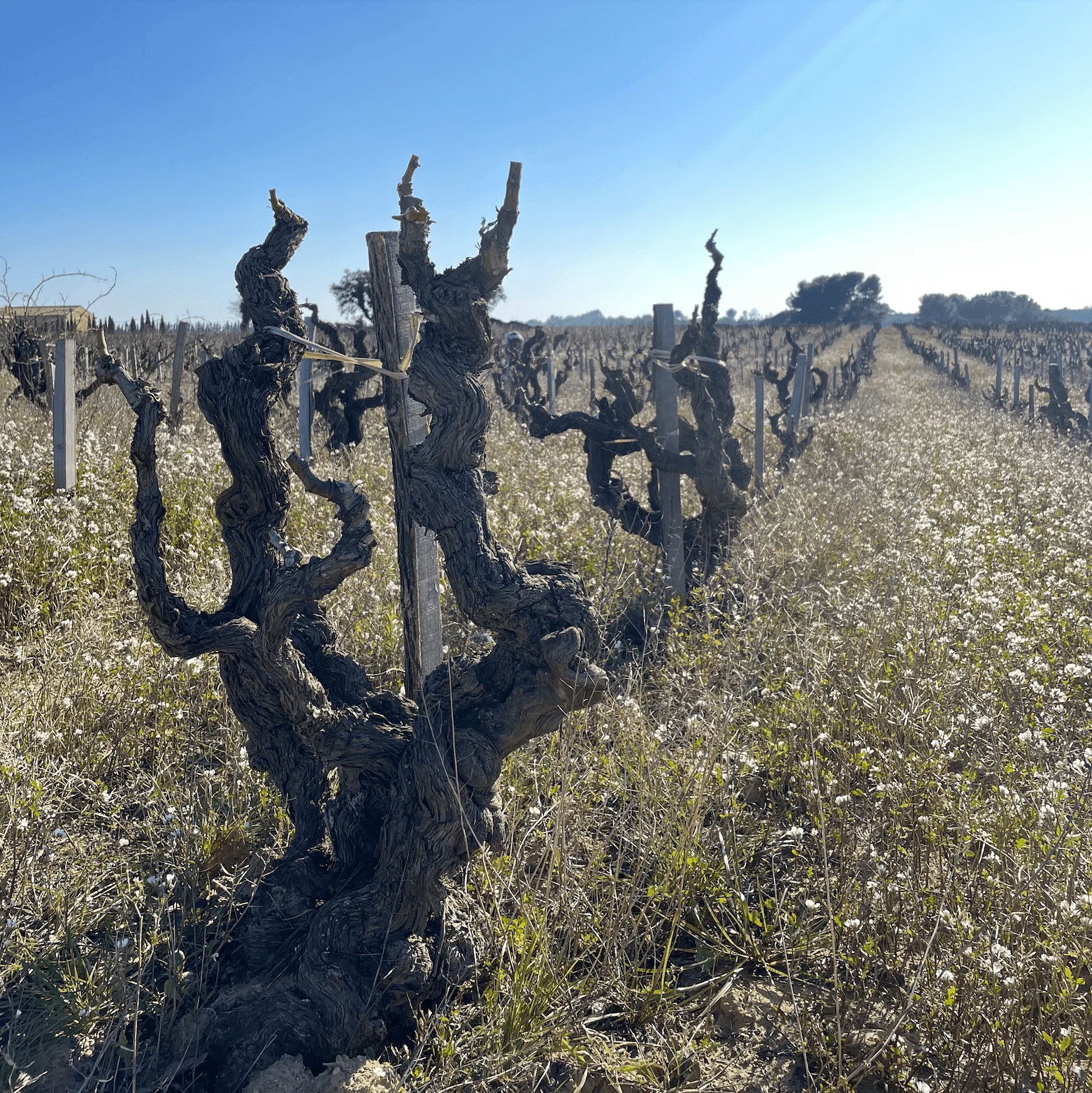
Century-old Grenache sets the first terms for Julien Barrot, winemaker at Domaine La Barroche in Châteauneuf-du-Pape. He works from a family-owned estate whose holdings reach back to 1703, with his sister Laetitia alongside him on a 12.5-hectare property of sandy soils and old vines. Barrot joined the domaine in 2002 after studies in oenology and business, then began estate bottling with the first vintage in 2003. That move changed the work from growing and inheritance into a house language, carried through the cellar under his own name. The lineage here is not ornamental. It sits in the parcels, in the decision to keep the estate small, and in the way Grenache remains the center of gravity while Mourvèdre, Syrah, Cinsault, Clairette Blanche, and Vaccarèse stay available to the blend. Barrot oversees cuvées including Julien Barrot, Pure, Fiancée, and Liberty, each one held close to the estate rather than stretched into scale.
Tulip tanks and old-vine fruit
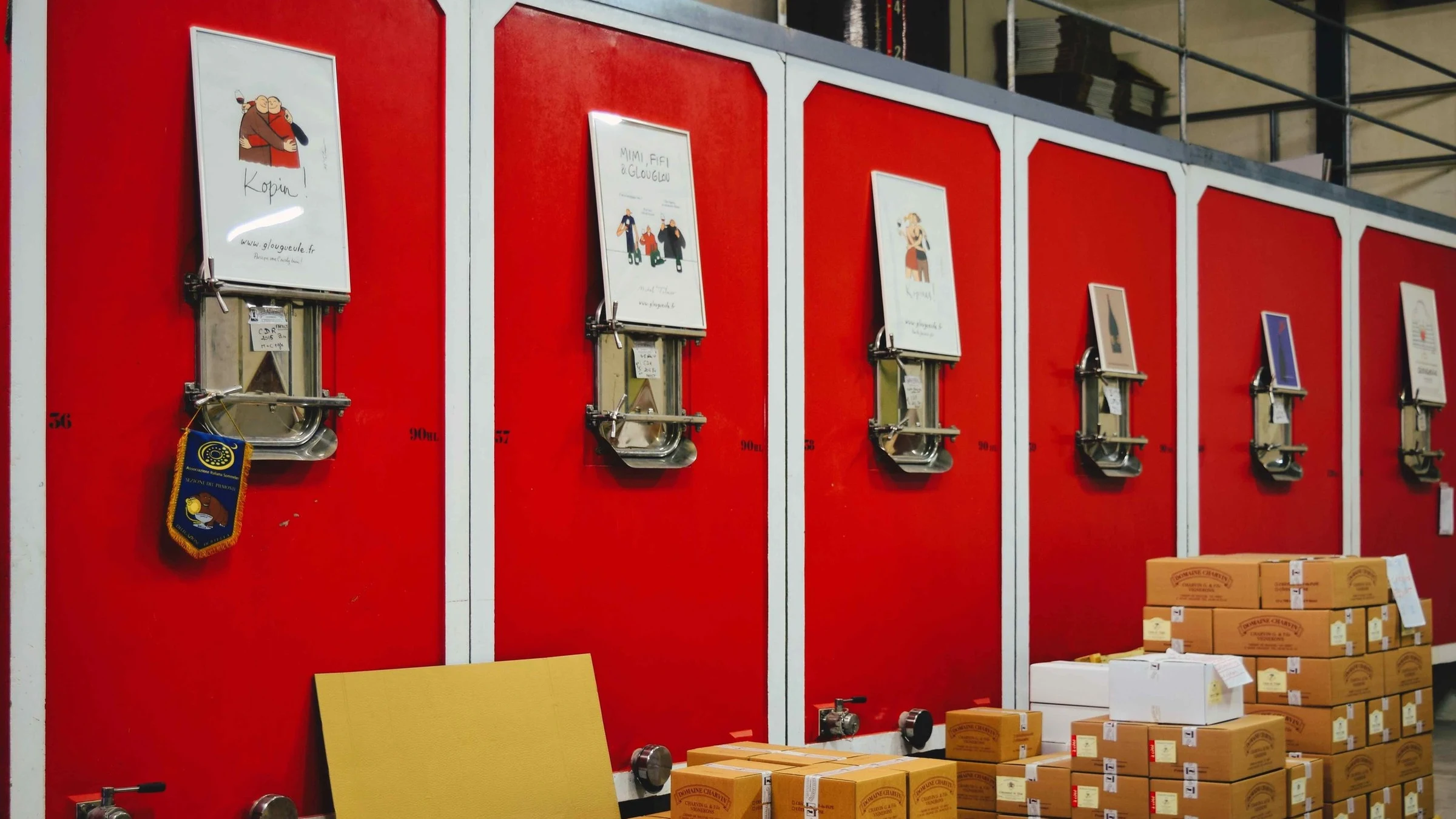
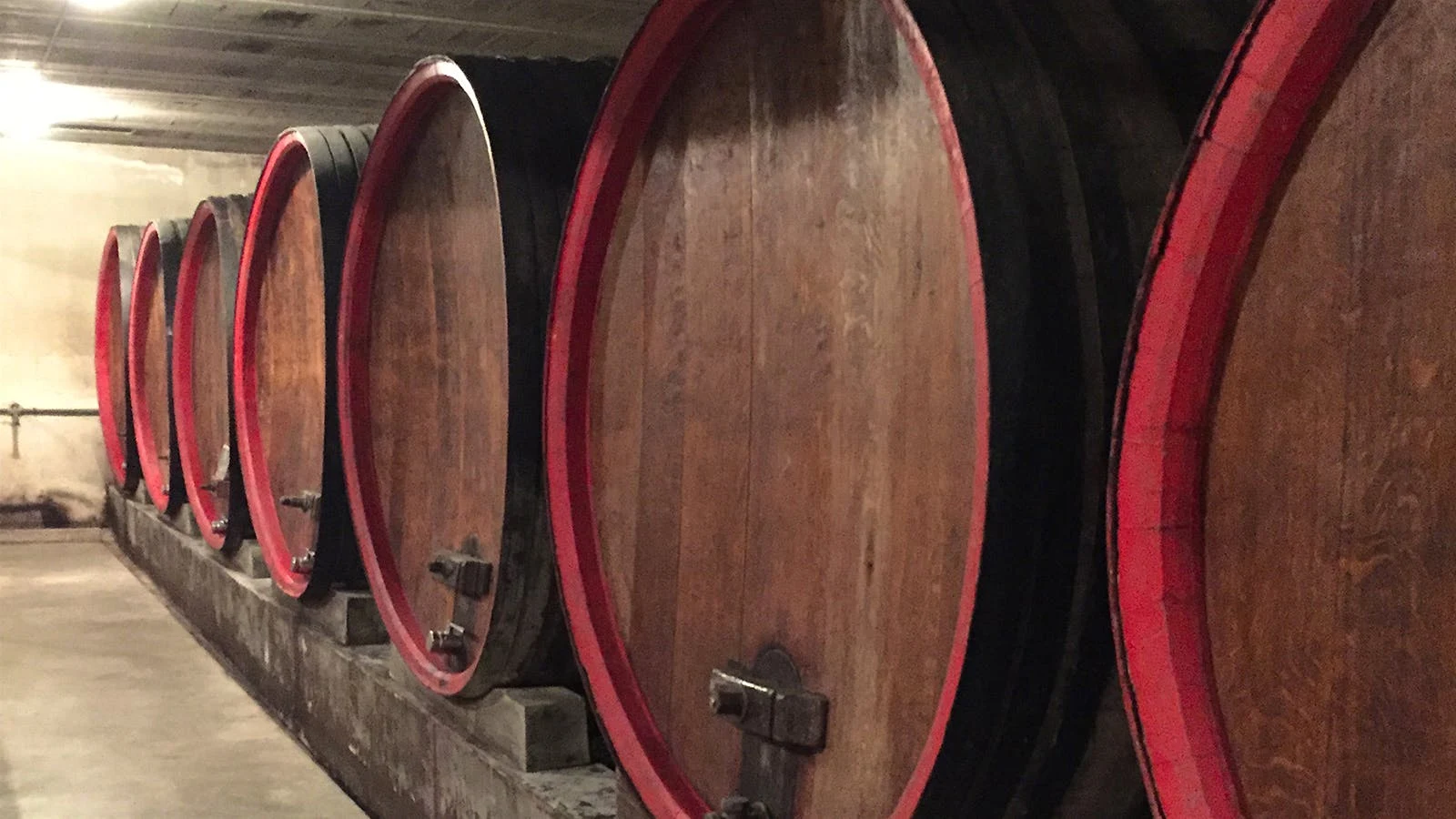
The method at Domaine La Barroche begins with fruit from Châteauneuf-du-Pape AOC and a sustainable approach to the vineyard. The standout material is Grenache from century-old vines rooted in sand, a combination that gives the wines their line: red and white still wines built less on weight than on clarity, lift, and the quiet persistence of old wood in the ground. After a 2015 renovation, Barrot added gravity-fed cellars and tulip-shaped concrete tanks, tools that suit a cellar where movement matters. Gravity lets the fruit travel with less force. Concrete keeps the work close to temperature, texture, and timing without making oak the first voice in the wine. The house does not turn those tools into theatre; they are part of the discipline of the place. Pure, Fiancée, Liberty, and the Julien Barrot cuvée all come from that same station, where the hand is measured by what it chooses not to press too hard.
A quiet cellar above sandy soils
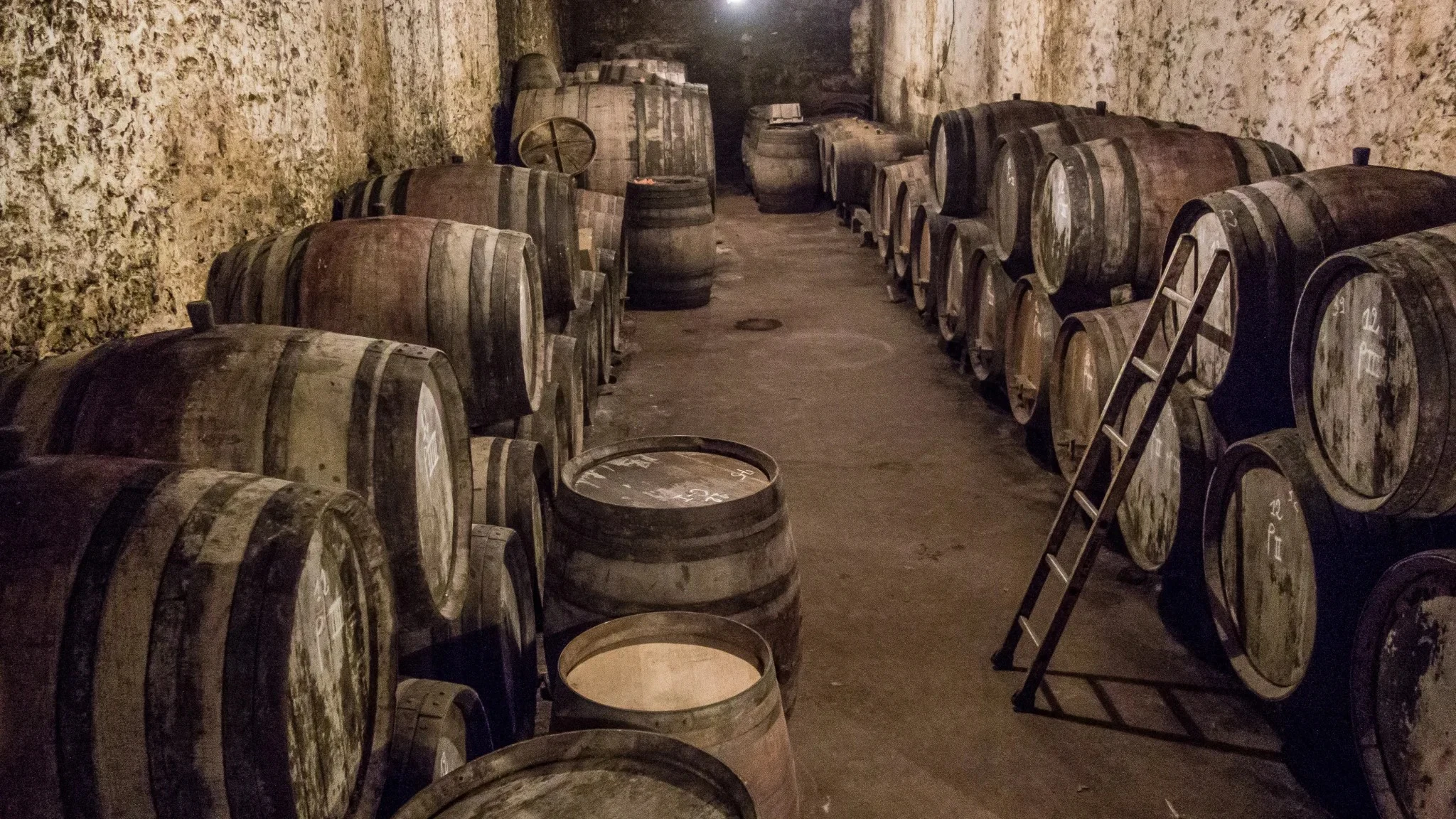
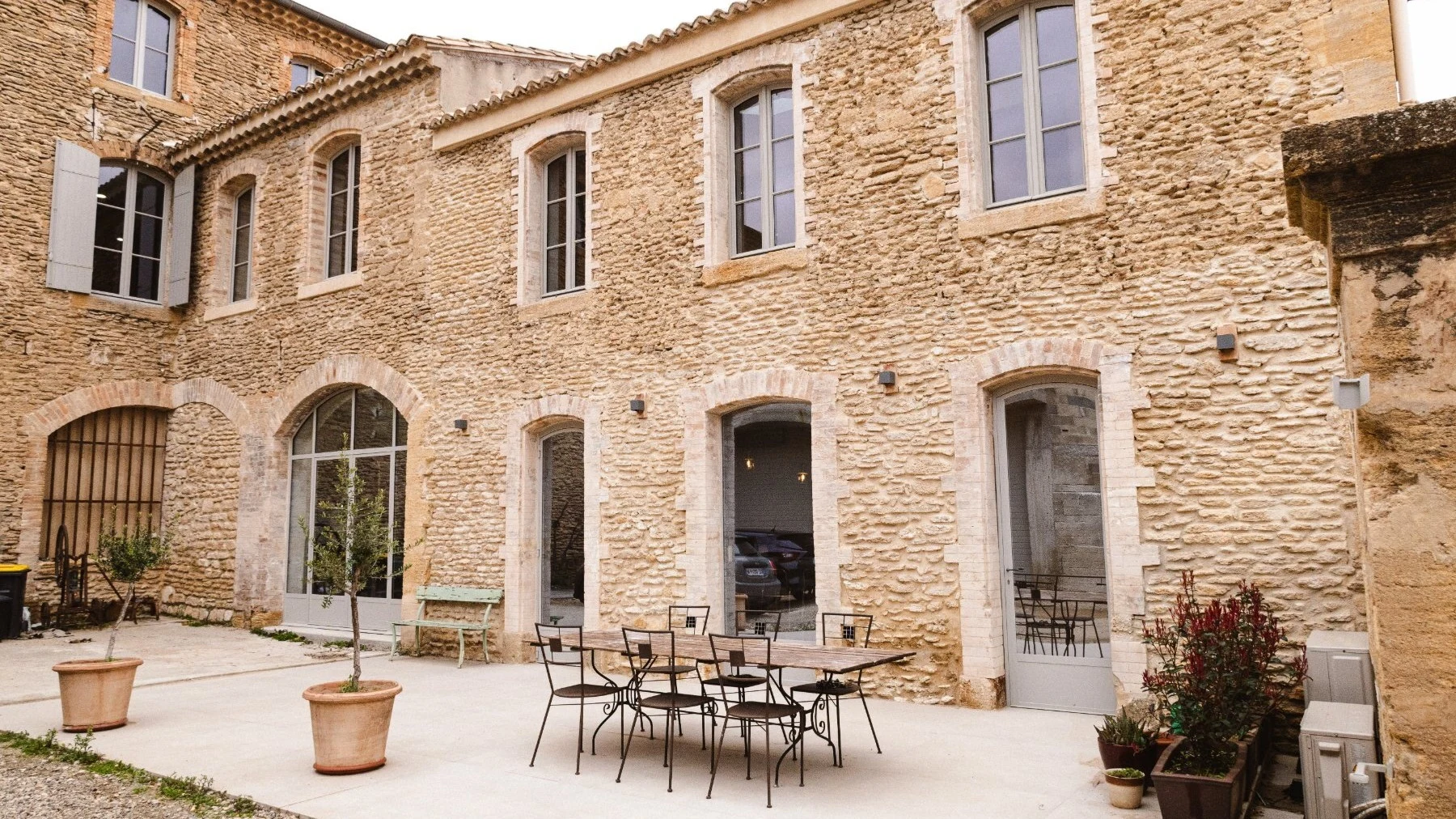
The tasting room sits within the vineyard estate rather than apart from it, and the room takes its cue from the cellar: quiet, intimate, rustic in the useful sense. Its restraint feels deliberate, because sandy soils and old vines are not backstory here; they are the material outside the door, the reason the wines can speak in a lower register. A cave tasting at Domaine La Barroche keeps the attention on the glass and on the path from parcel to tank, not on performance or display. Châteauneuf-du-Pape can carry heat, color, and force, but Barrot’s station asks for purity first, with nothing hurried around it. The concrete tanks, the gravity-fed cellar, and the century-old Grenache vines give the place its final measure: Pure is not a claim, it is a cuvée Julien Barrot has to answer to each vintage.
Questions
Frequently asked
Who makes the wines at Domaine La Barroche?
Julien Barrot is the winemaker, working alongside his sister Laetitia on the family-owned estate.
What is Domaine La Barroche known for?
The domaine is centred on Grenache, especially century-old vines rooted in sandy soils, with Mourvèdre, Syrah, Cinsault, Clairette Blanche, and Vaccarèse also used in the blends.
What does the cellar work look like there?
After a 2015 renovation, the estate added gravity-fed cellars and tulip-shaped concrete tanks, and the work is kept close to temperature, texture, and timing rather than oak-led.
Can you visit the tasting room without an appointment?
Visits are by appointment only, and the tasting room sits within the vineyard estate.
Is there parking at the estate?
There is an on-site car park at Domaine La Barroche.
The field
How it compares
| Place | Notes |
|---|---|
| Domaine La Barroche | Châteauneuf-du-Pape, $$$$ |
| Château Rayas | Châteauneuf-du-Pape |
| Clos des Papes | Châteauneuf-du-Pape |
| Domaine Charvin | Châteauneuf-du-Pape |
| Domaine du Pegau | Châteauneuf-du-Pape |
| Domaine du Vieux Donjon | Châteauneuf-du-Pape |
| Domaine Pierre Usseglio | Châteauneuf-du-Pape |