
- Pearl 4 Star Prestige · 2025
Châteauneuf-du-Pape and the Weight of a Long Lineage
Few wine appellations carry as much accumulated reputation as Châteauneuf-du-Pape. The name alone triggers a set of expectations: garrigue-scented reds built on Grenache, stony soils that retain daytime heat through cool Rhône Valley nights, and a density of serious producers that makes even a modest-looking property worth investigating. Within that context, the estates that have been producing continuously since mid-century occupy a particular position. They predate modern appellation marketing, predate the international critical apparatus that remade Châteauneuf's global reputation from the 1980s onward, and they carry institutional memory that younger projects simply cannot replicate.
Domaine Pierre Usseglio belongs to that longer arc. Its first vintage dates to 1949, which places its founding in the immediate post-war reconstruction period, well before the appellation had achieved the international recognition it holds today. Winemaker Gregory Usseglio now oversees production, representing the continuity that characterises particularly durable family estates in the southern Rhône.
Where It Sits Among Its Peers
Châteauneuf-du-Pape's producer landscape is more stratified than its relatively compact geographical boundaries might suggest. At the apex sit estates whose wines trade on the secondary market at multiples of their release prices and whose allocations are managed through waiting lists. Below that, a substantial group of family domaines produce wines of genuine quality that reach collectors through direct sales, specialist importers, and carefully curated retail channels. Domaine Pierre Usseglio operates in that second tier in terms of accessibility, while its award recognition places it at the upper end of quality signalling.
To calibrate against the appellation's internal hierarchy: Chateau Rayas occupies a category of its own, with Clairette and Grenache-dominant wines that consistently generate secondary market activity at levels few Châteauneuf producers match. Clos Des Papes and Domaine Charvin represent the precision-led, terroir-focused approach that has drawn critical attention over the past two decades. Domaine de la Solitude and Domaine du Clos Saint Jean each offer different windows into how the appellation's diverse soil types and permitted grape varieties play out in practice. Usseglio fits within this group as a historically anchored producer whose wines reflect long experience with the appellation's specific terroir rather than any recent recalibration toward critical favour.
The Appellation's Character and What It Demands of Its Producers
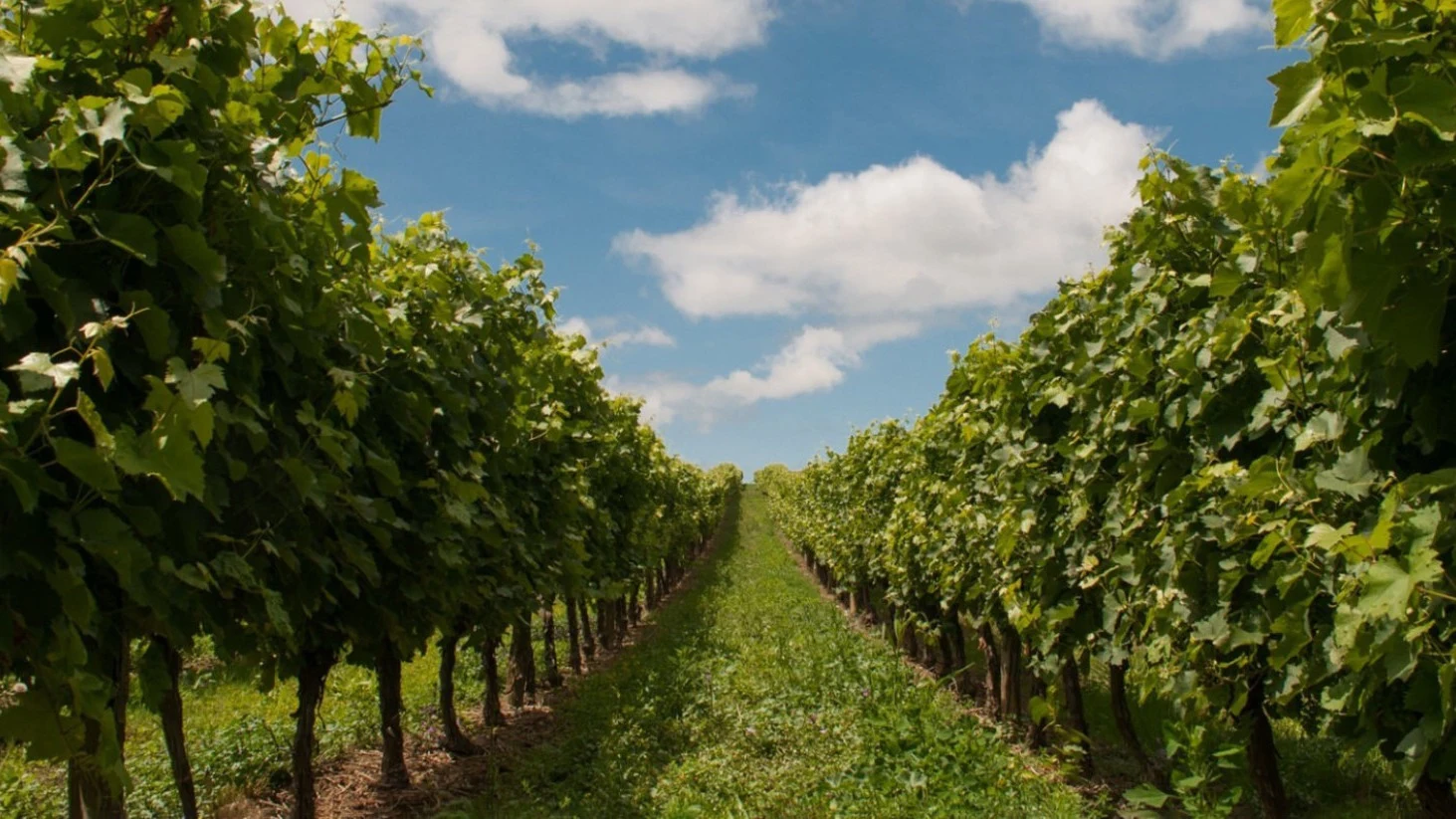
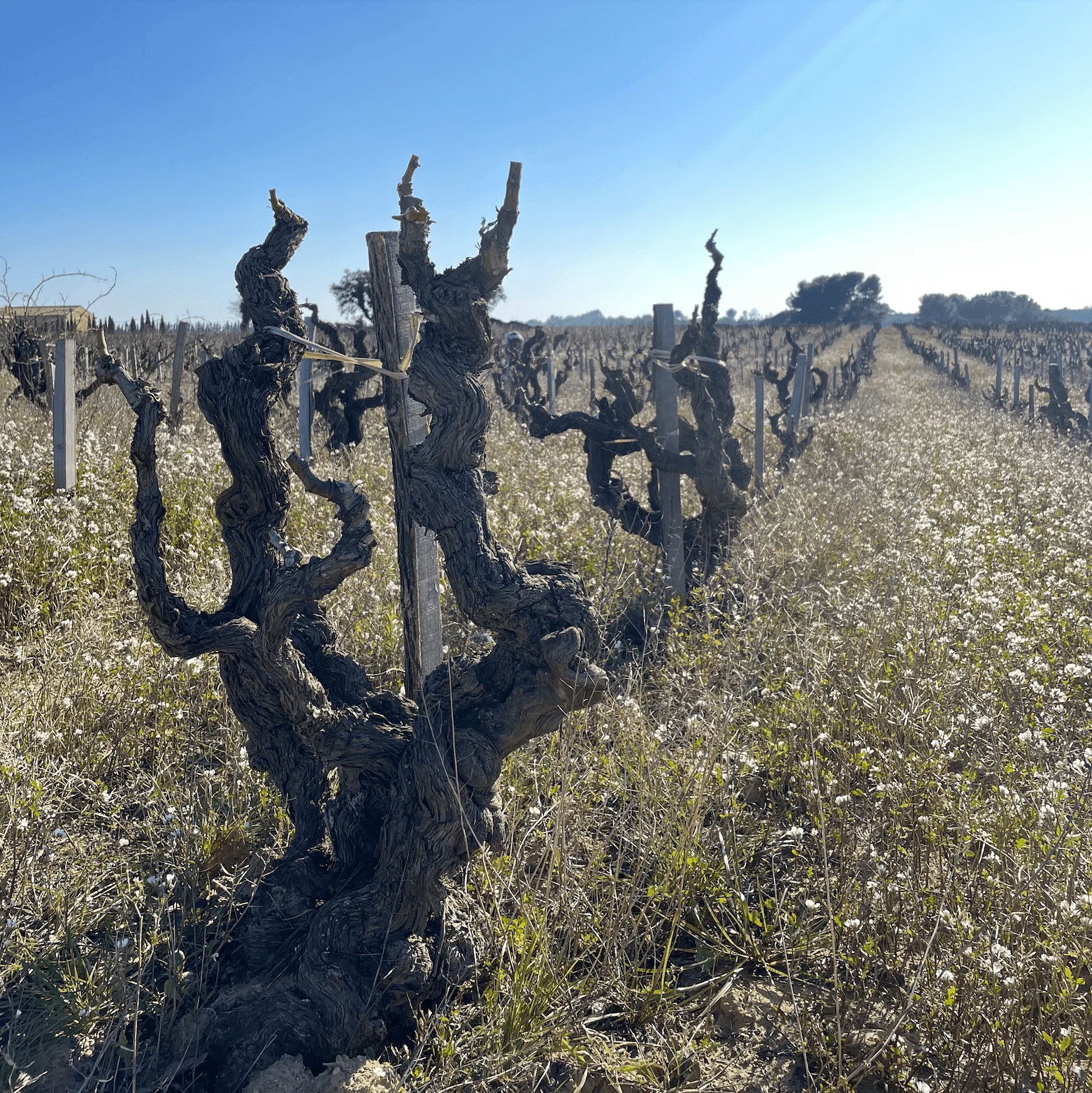
Understanding why a domaine like Pierre Usseglio matters requires some engagement with what Châteauneuf-du-Pape actually asks of its producers. The appellation permits up to eighteen grape varieties, though Grenache Noir dominates most serious red blends. The famous galets roulés, the large rounded stones covering much of the plateau, function as thermal regulators: absorbing sun during the day and releasing warmth after sunset, extending the ripening window in ways that allow Grenache to develop complexity without losing structure. The Mistral wind, which sweeps down the Rhône Valley with enough regularity to define the climate, keeps humidity low and disease pressure minimal, giving producers the latitude to farm with less intervention than many wetter European regions allow.
Within these shared conditions, individual domaines differentiate through the specific parcels they farm, the age of their vines, their approach to extraction, and their decisions about oak ageing. Estates with continuous history since the mid-twentieth century often have access to old-vine material that younger operations have had to build gradually or purchase at premium prices. A domaine first vinifying in 1949 has had decades to identify which parcels consistently produce the interesting fruit, and that accumulated knowledge is not easily replicated.
Visiting the Domaine
Châteauneuf-du-Pape village sits roughly 15 kilometres north of Avignon, making it accessible as either a day trip from a city base or the anchor of a longer southern Rhône itinerary. The village itself is compact, the ruins of the papal castle visible from most approaches, with the plateau vineyards extending in every direction. The domaine is located on the D68, which runs through the heart of the appellation's production zone.
Visitor infrastructure at family domaines in this appellation varies considerably. Some operate formal tasting rooms with set appointments; others receive visitors by arrangement with less ceremony. Visitor access is by appointment only.
Usseglio in the Wider French Wine Context
Southern Rhône estates like Domaine Pierre Usseglio occupy an interesting position in the broader map of French fine wine. The appellation sits outside the prestige frameworks that dominate Burgundy and Bordeaux coverage, yet its leading producers have achieved consistent critical attention and secondary market activity over decades. Compared to the meticulous single-vineyard bottlings driving conversation in Burgundy, or the en primeur allocation system structuring access to leading Bordeaux, Châteauneuf operates with less institutional scaffolding. Producers like Château Batailley in Pauillac, Château Branaire Ducru in St-Julien, or Château Bélair-Monange in Saint-Emilion exist within classification systems that pre-sort collector attention. Châteauneuf producers earn recognition through the wines themselves, which places the burden of discovery more directly on the engaged drinker.
Across other French regions, similar family-continuity stories play out in different idioms. Albert Boxler in Niedermorschwihr represents Alsace's multigenerational tradition of working grand cru sites with patient precision. Château Bastor-Lamontagne in Preignac offers a different angle on French wine continuity through Sauternes. And further afield, Chartreuse in Voiron and Aberlour in Aberlour show how long production histories shape identity in categories beyond wine entirely. Even in California, Accendo Cellars in St. Helena and Château Boyd-Cantenac in Cantenac reflect how the logic of estate identity transcends geography. Pierre Usseglio's 1949 founding sets it alongside these longer-tenured producers in any conversation about where institutional knowledge and time in the vineyard translate into a genuinely differentiated product.
Planning Your Visit
Visits are best planned for spring through early autumn, when the vineyards are in active growth. Harvest, typically running through September and into October depending on vintage conditions, gives concentrated sense of the appellation in production mode, though domaine availability for casual visits is understandably reduced during that window. Spring visits, when the vines are flowering and the garrigue is at its most aromatic, offer a quieter window with more attention available from winemaking teams.
Questions
Frequently asked
Who works at Domaine Pierre Usseglio?
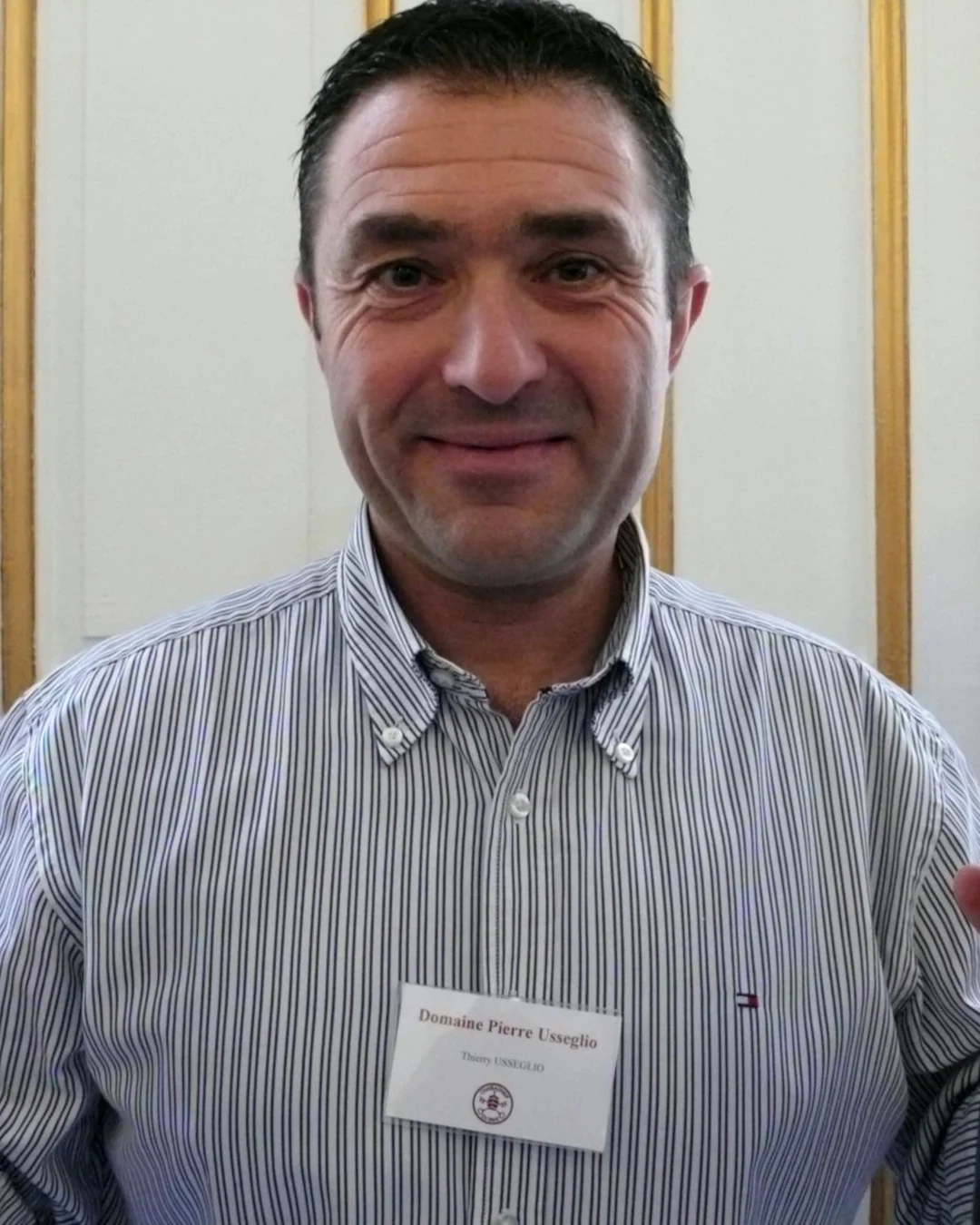
Made By profiles Gregory Usseglio (Winemaker) and Thierry Usseglio (Winemaker) at Domaine Pierre Usseglio.
How expensive is Domaine Pierre Usseglio?
Domaine Pierre Usseglio is listed at a price level of $$$.
The field
How it compares
| Place | Notes |
|---|---|
| Domaine Pierre Usseglio | Châteauneuf-du-Pape, $$$ |
| Château Rayas | Châteauneuf-du-Pape |
| Clos des Papes | Châteauneuf-du-Pape |
| Domaine Charvin | Châteauneuf-du-Pape |
| Domaine du Vieux Donjon | Châteauneuf-du-Pape |
| Domaine La Barroche | Châteauneuf-du-Pape |
| Domaine Saint Préfert | Châteauneuf-du-Pape |