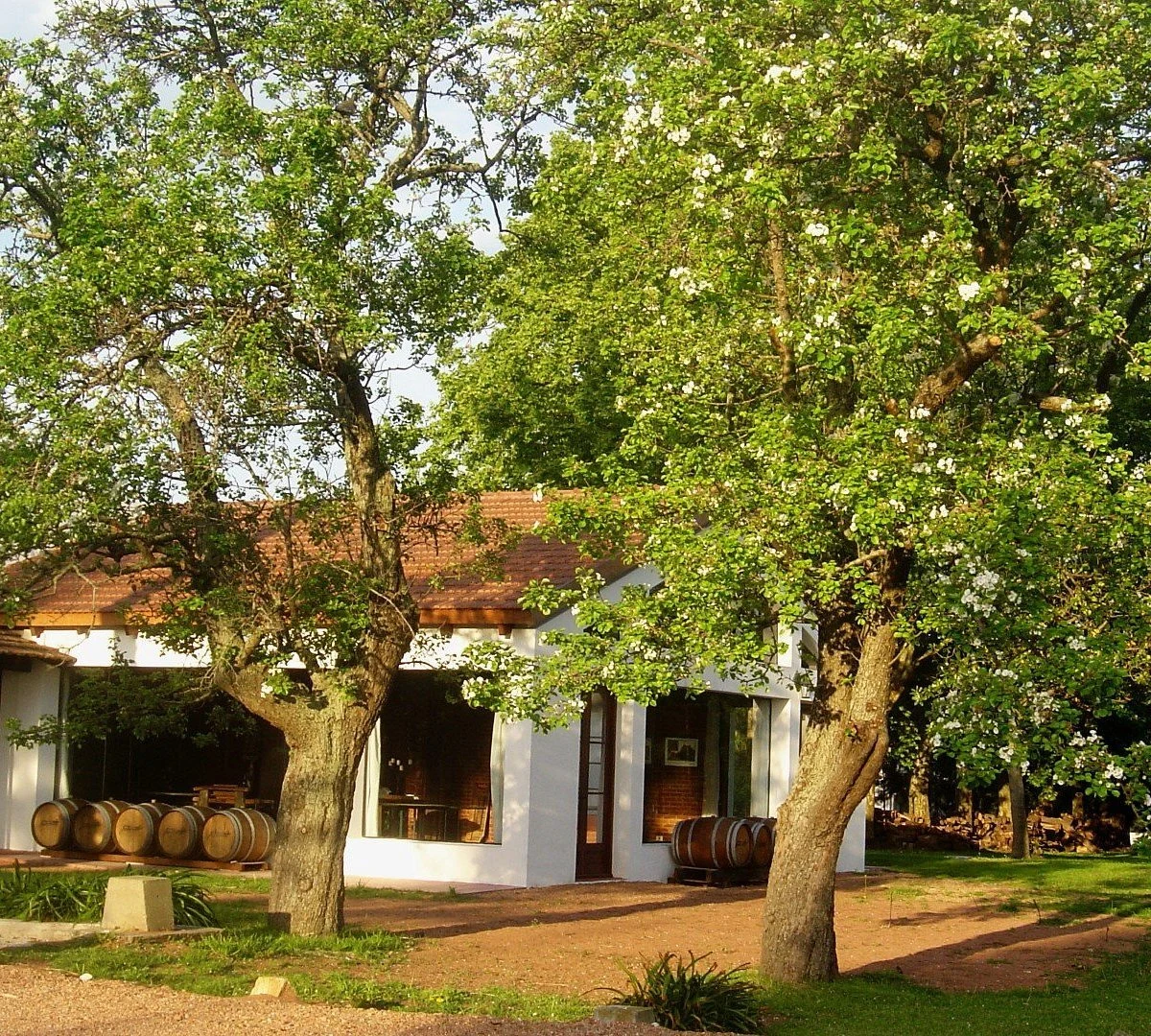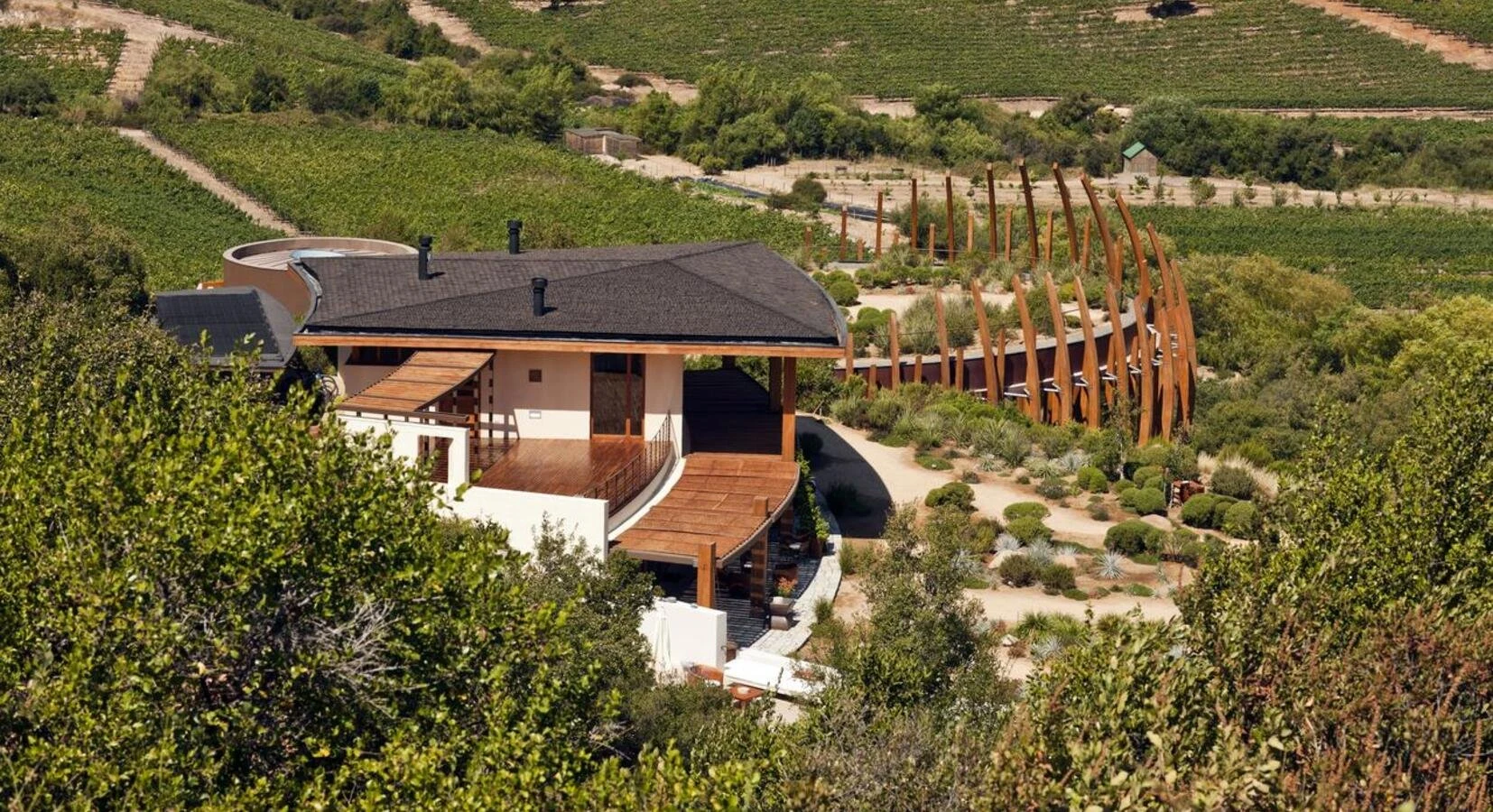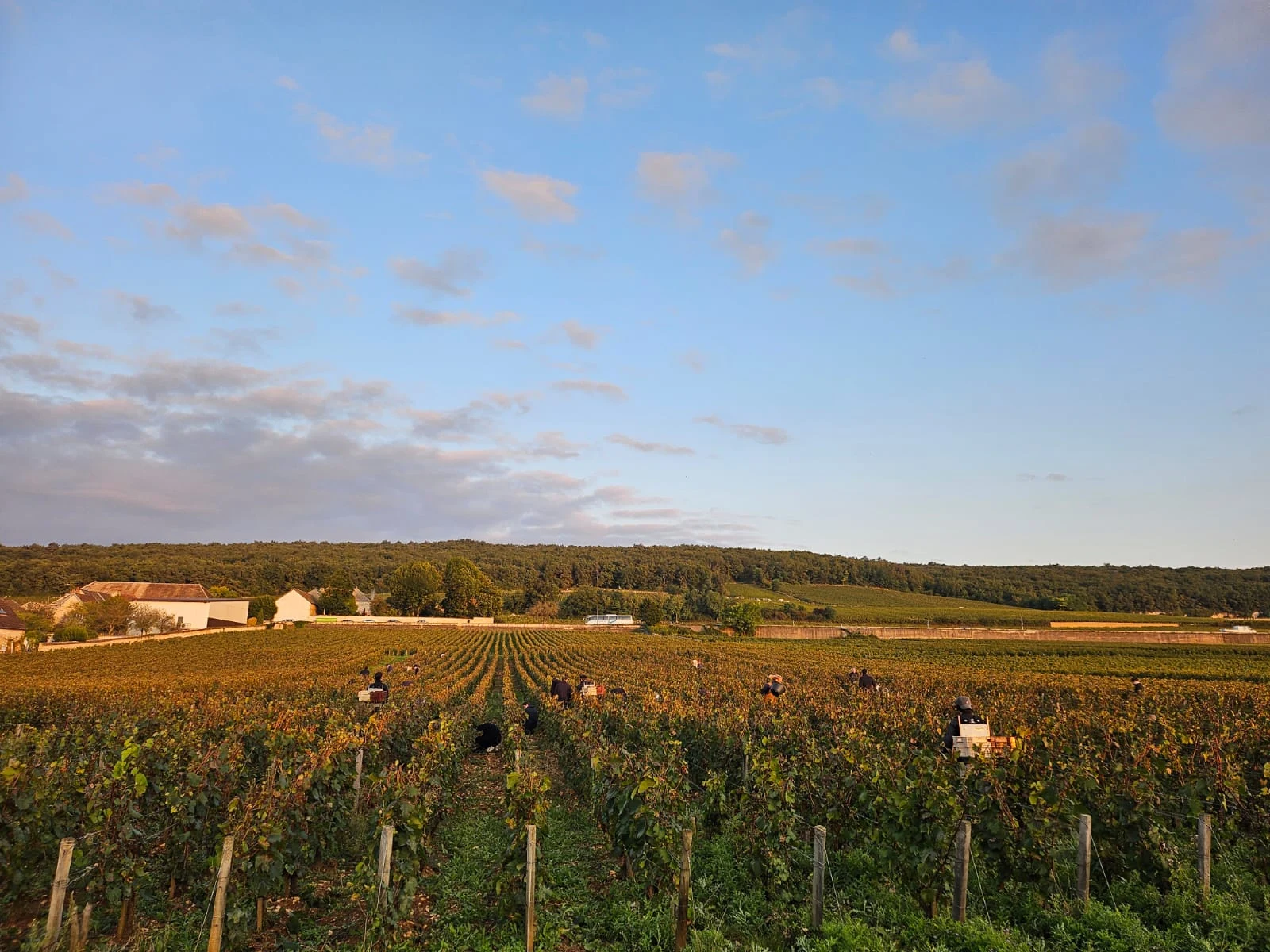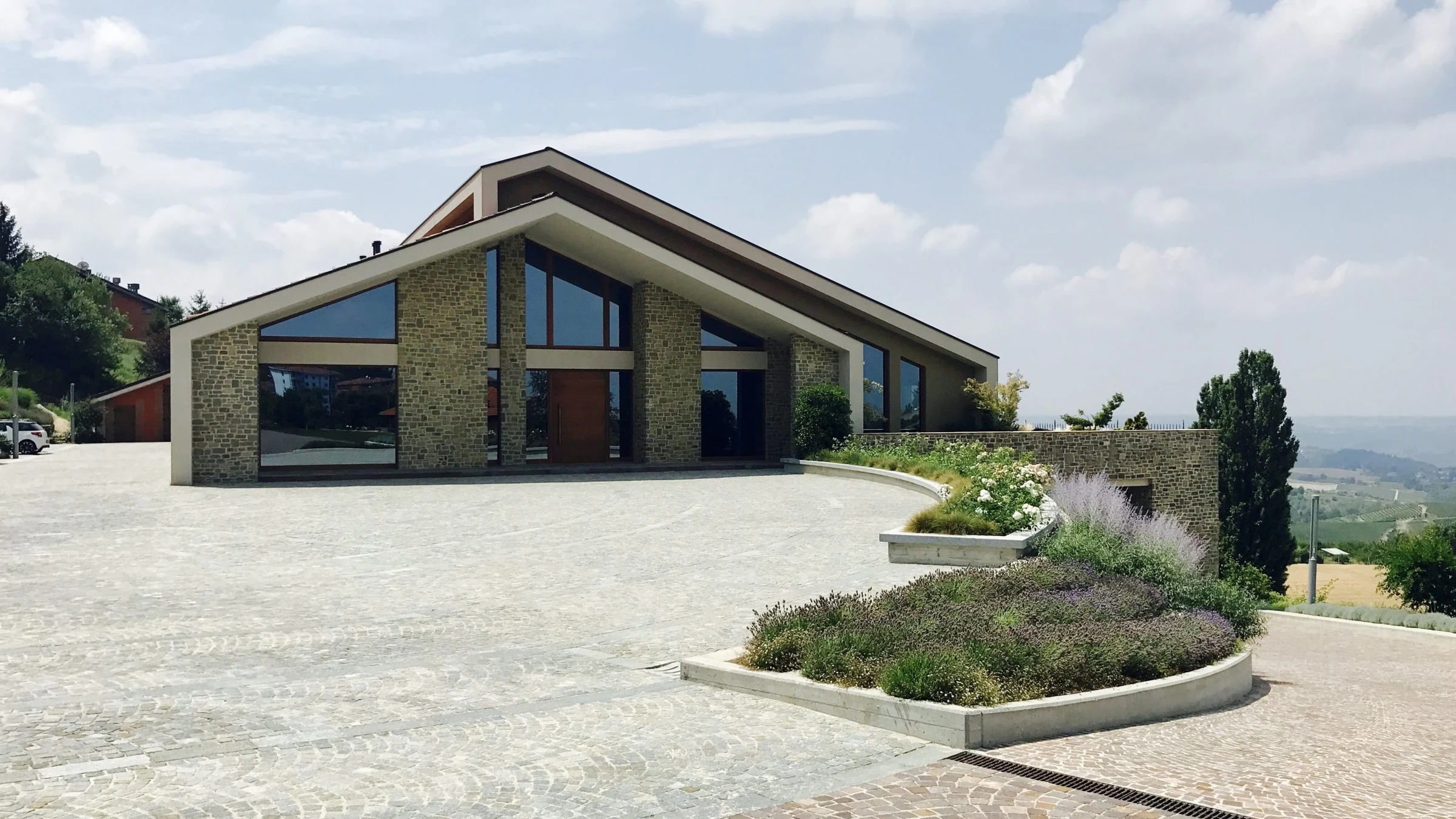
Bodega Spinoglio holds a Pearl 2 Star Prestige rating (2025) and sits in Las Piedras, one of Uruguay's most established wine-producing corridors outside Montevideo. The address on Av. Don Pedro de Mendoza places it within a department that has supplied fruit to the country's wine industry for over a century, making it a logical stop for anyone tracing Uruguayan viticulture from its roots.
<h2>Las Piedras and the Quiet Weight of Uruguayan Wine Country</h2><p>The wine corridor running through the Departamento de Montevideo does not announce itself with signage or tourist infrastructure. The roads narrow, the land flattens into low-lying clay-and-loam terrain, and the bodegas appear between residential streets and light industry with very little ceremony. This is Las Piedras, and it has been producing grapes longer than most of Uruguay's newer, more internationally marketed wine regions. The soil here is heavy, the humidity maritime, and the variety that thrives where others struggle is Tannat, thick-skinned, high-tannin, demanding in the cellar and capable of producing wines that sit somewhere between the structured rusticity of Madiran and a rounder, more extracted New World profile when handled with patience.</p><p>Bodega Spinoglio, addressed at Av. Don Pedro de Mendoza 8238, sits inside this tradition. It carries a Pearl 2 Star Prestige rating for 2025, the venue's only listed award, and a marker of its quality intent. That rating matters in context: Las Piedras does not have the global marketing presence of, say, Canelones or the boutique cachet of producers near the coast, so recognition here tends to be earned through the wine rather than the setting.</p><h2>A Region That Predates the Marketing</h2><p>Uruguay's wine narrative internationally has been shaped largely by producers who invested in export infrastructure and English-language communications, which means the Las Piedras corridor often gets compressed into a footnote behind glossier names. That is a skewed picture. The department has been a working wine zone since Italian and Spanish immigrant families established bodegas in the late nineteenth and early twentieth centuries, and many of the vine stocks planted then still contribute to production today. Old-vine Tannat in this part of Uruguay has a density and structural character that younger plantings in newer regions have not yet replicated.</p><p> <a href="https://www.enprimeurclub.com/wineries/bodega-carrau-las-piedras-winery">Bodega Carrau</a> operates in Las Piedras with a multigenerational pedigree and a strong export profile. Further afield, <a href="https://www.enprimeurclub.com/wineries/varela-zarranz-canelones-winery">Varela Zarranz in Canelones</a> and <a href="https://www.enprimeurclub.com/wineries/bodega-bouza-montevideo-winery">Bodega Bouza in Montevideo</a> represent the more urbanised, visitor-facing end of the Montevideo department's wine production. Coastal producers like <a href="https://www.enprimeurclub.com/wineries/bodega-oceanica-jose-ignacio-maldonado-winery">Bodega Oceánica José Ignacio in Maldonado</a> and <a href="https://www.enprimeurclub.com/wineries/bodega-cerro-del-toro-piriapolis-winery">Bodega Cerro del Toro in Piriápolis</a> work with different maritime influences and have cultivated distinct tourism propositions. Spinoglio's position in Las Piedras aligns it more with the working-bodega tradition than with the design-led wine tourism model, which shapes the kind of visit it offers.</p><h2>What the Pearl 2 Star Rating Signals</h2><p>EP Club's Pearl 2 Star Prestige award (2025) places Bodega Spinoglio within a cohort of producers where quality is not incidental. In Uruguay's wine field, that cohort is smaller than the total number of operating bodegas suggests, because the country's production spans everything from industrial co-operatives to micro-estates with a few thousand bottles annually. The 2 Star level implies a sustained standard across the range rather than a single standout bottle.</p><p>For the visitor or buyer approaching the Uruguayan category from outside, this rating functions as a filter. Uruguay has a long list of registered wineries, producing across a range that varies enormously in ambition and execution. Pearl 2 Star Prestige narrows the field to producers where the expectation of quality is substantiated rather than aspirational. In that sense, Spinoglio belongs to a tier that includes some of the country's more considered producers, even if it operates with less visibility than peers who have invested in export marketing or wine tourism facilities.</p><p>Across Uruguay more broadly, the regional spread of recognised producers gives some indication of where quality clusters. <a href="https://www.enprimeurclub.com/wineries/bodega-los-cerros-de-san-juan-colonia-del-sacramento-winery">Bodega Los Cerros de San Juan in Colonia del Sacramento</a> and <a href="https://www.enprimeurclub.com/wineries/el-legado-carmelo-winery">El Legado in Carmelo</a> represent the Colonia corridor, where older-family estate production has maintained consistent recognition. <a href="https://www.enprimeurclub.com/wineries/cerro-chapeu-carrau-rivera-winery">Cerro Chapeu (Carrau) in Rivera</a>, near the Brazilian border, demonstrates how altitude and latitude shift the character of Uruguayan Tannat toward a cooler-climate profile. Spinoglio's Las Piedras base produces wine in a warmer, more humid register, different evidence of what the country's vineyards can do.</p><h2>Approaching Spinoglio: Practical Considerations</h2><p>The bodega address on Av. Don Pedro de Mendoza places it within the broader Montevideo department, accessible from central Montevideo along routes that take roughly 30 to 40 minutes depending on traffic. Las Piedras itself is a working municipality rather than a wine tourism hub, so the experience of arriving at a bodega here differs from visiting a purpose-built estate. The visit is, by local convention, oriented toward the wine and the production rather than a curated hospitality sequence.</p><p> Making contact in advance is the practical approach. This is not a deterrent, it is characteristic of the working-bodega model that defines Las Piedras, where the priority is production rather than presentation.</p><p>For broader context on visiting the area, the surrounding neighbourhood includes food and drink options in the vicinity. Those combining a wine itinerary across Uruguay's south might also consider <a href="https://www.enprimeurclub.com/wineries/gin-pinares-sacramento-spirits-punta-del-este-winery">Gin Pinares (Sacramento Spirits) in Punta del Este</a> as part of a wider circuit that takes in the country's expanding spirits production alongside its established wine corridors.</p><p> <a href="https://www.enprimeurclub.com/wineries/accendo-cellars">Accendo Cellars in St. Helena</a>, <a href="https://www.enprimeurclub.com/wineries/adelaida-vineyards">Adelaida Vineyards in Paso Robles</a>, and <a href="https://www.enprimeurclub.com/wineries/adelsheim-vineyard-newberg-winery">Adelsheim Vineyard in Newberg</a> each represent regional wine traditions where the interplay of terroir, variety, and winemaking approach has produced a distinct identity over decades. Spinoglio's recognition in a region with comparable long-term vine stocks and a clearly defined grape identity puts it in recognisable company at the level of intent, even if the scale and international profile differ significantly. Further afield, producers like <a href="https://www.enprimeurclub.com/wineries/aberlour-aberlour-winery">Aberlour in Aberlour</a> and <a href="https://www.enprimeurclub.com/wineries/achaia-clauss-patras-winery">Achaia Clauss in Patras</a> illustrate how old-world production traditions across different categories carry their own form of earned authority.</p>
Spinoglio sits within the wine corridor of the Departamento de Montevideo, where the roads narrow and the infrastructure is minimal by design. This is not a showcase property built for Instagram stops — the bodega's Pearl 2 Star Prestige rating (2025) from EP Club reflects substance over spectacle. Expect a producer-led atmosphere where the wine does the work.
Bodega Spinoglio is located at Av. Don Pedro de Mendoza 8238, 12400 Montevideo, Departamento de Montevideo, Las Piedras.
Bodega Spinoglio has received recognition including: Pearl 2 Star Prestige (2025).
Specific current offerings are best confirmed directly with the bodega, as production details are not publicly documented here. What the Pearl 2 Star Prestige (2025) from EP Club does confirm is that Spinoglio operates at a level of quality that warrants attention across whatever the house is pouring. Uruguay's Tannat-driven tradition and Atlantic-influenced whites are the regional reference points worth exploring during any visit to Las Piedras.
The EP Club Pearl 2 Star Prestige award (2025) places Spinoglio among a select cohort of Uruguayan producers where quality is a considered outcome, not incidental to volume. Las Piedras sits within a wine corridor that predates Uruguay's export-driven marketing era, making Spinoglio part of a regional tradition with depth. Producers at this rating tier in Uruguay's Montevideo department are not numerous.
Visiting policies are not publicly documented for Spinoglio. Given its location on Av. Don Pedro de Mendoza in the Departamento de Montevideo, and its standing as a Pearl 2 Star Prestige (2025) producer, contacting the bodega directly before arrival is the practical approach — small production estates in this corridor typically operate on appointment.
EP Club's Pearl 2 Star Prestige (2025) positions Spinoglio within the upper tier of recognised Uruguayan producers, a cohort that remains small given how few estates in the Departamento de Montevideo have attracted structured critical evaluation. Las Piedras as a wine-producing zone is underrepresented in international coverage relative to its actual output, which means a rating at this level carries more contextual weight here than it might in a better-documented region.
Av. Don Pedro de Mendoza 8238, 12400 Montevideo, Departamento de Montevideo
Cuchilla Pereyra
Bodega Juanicó (Familia Deicas)