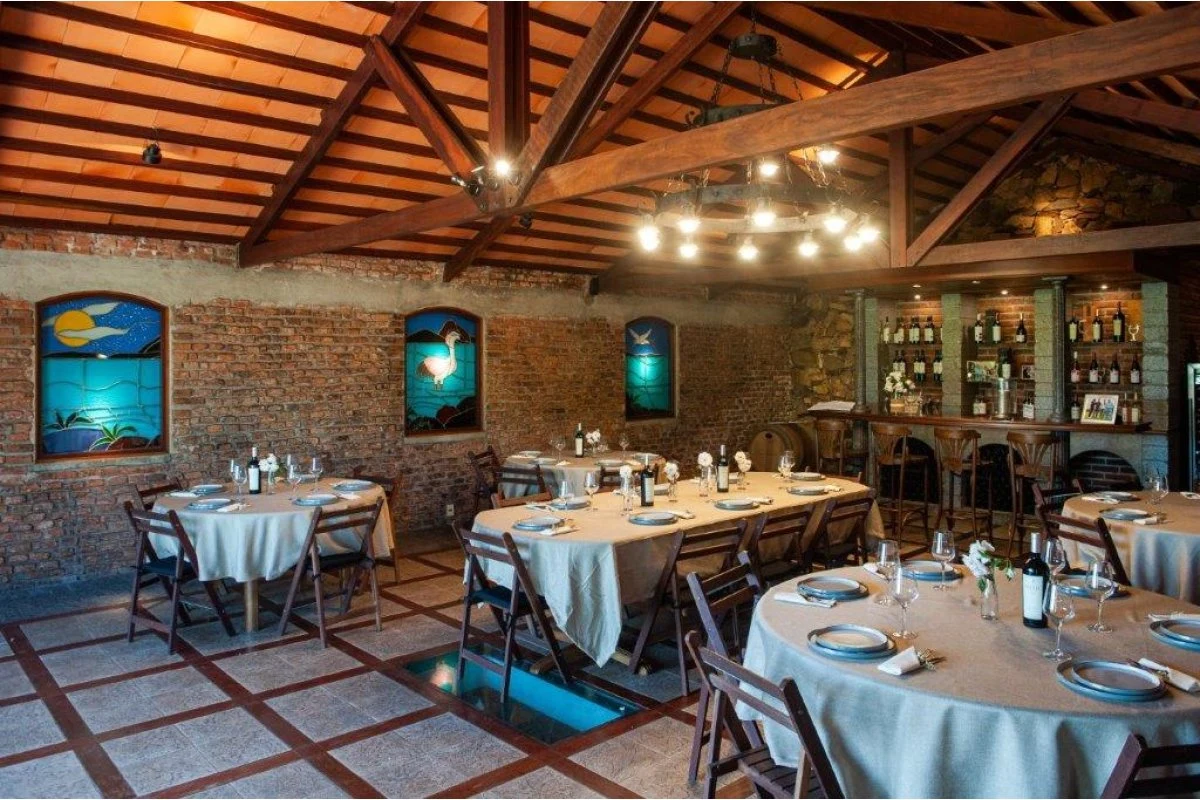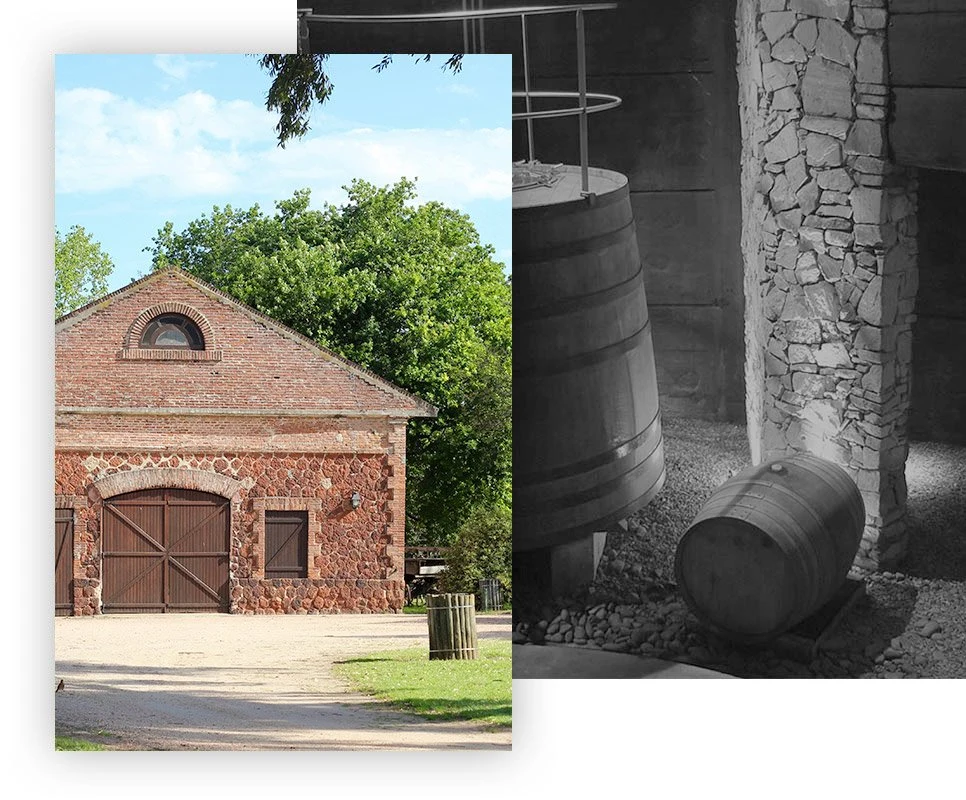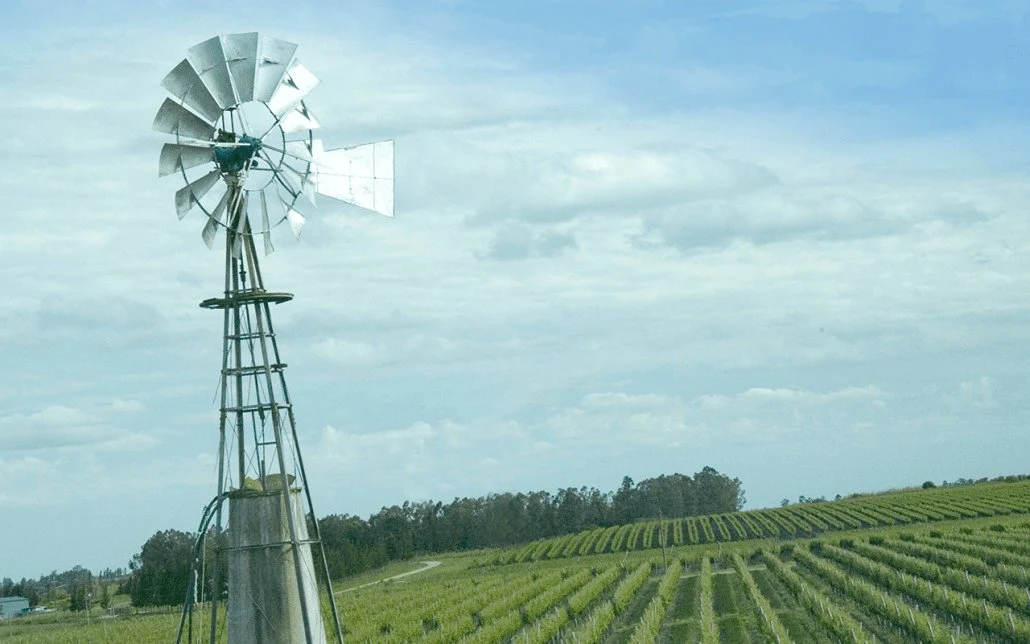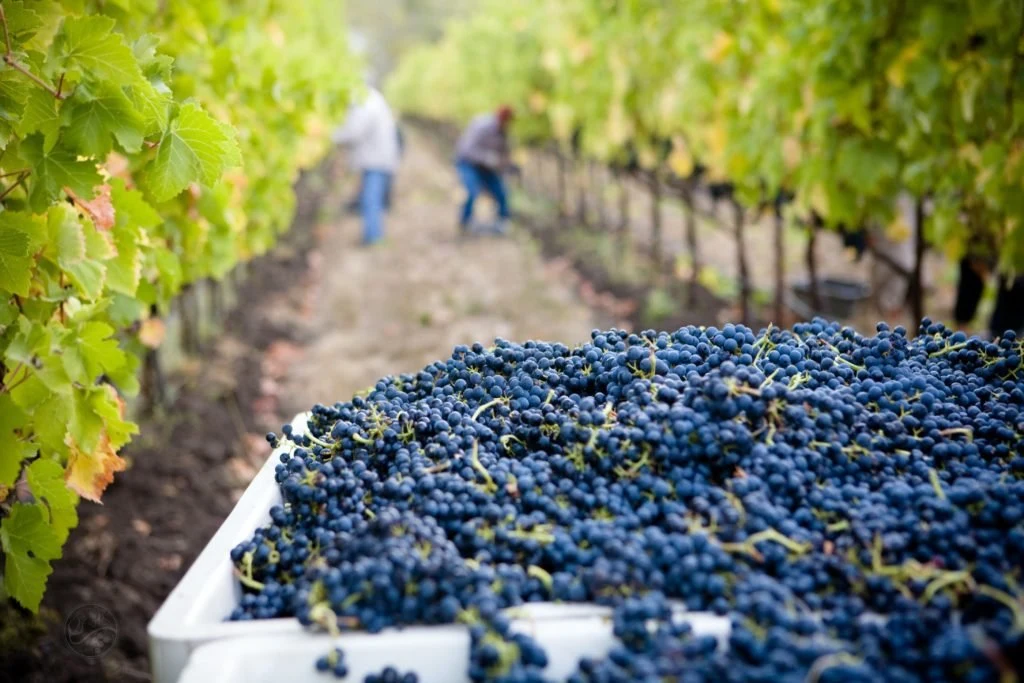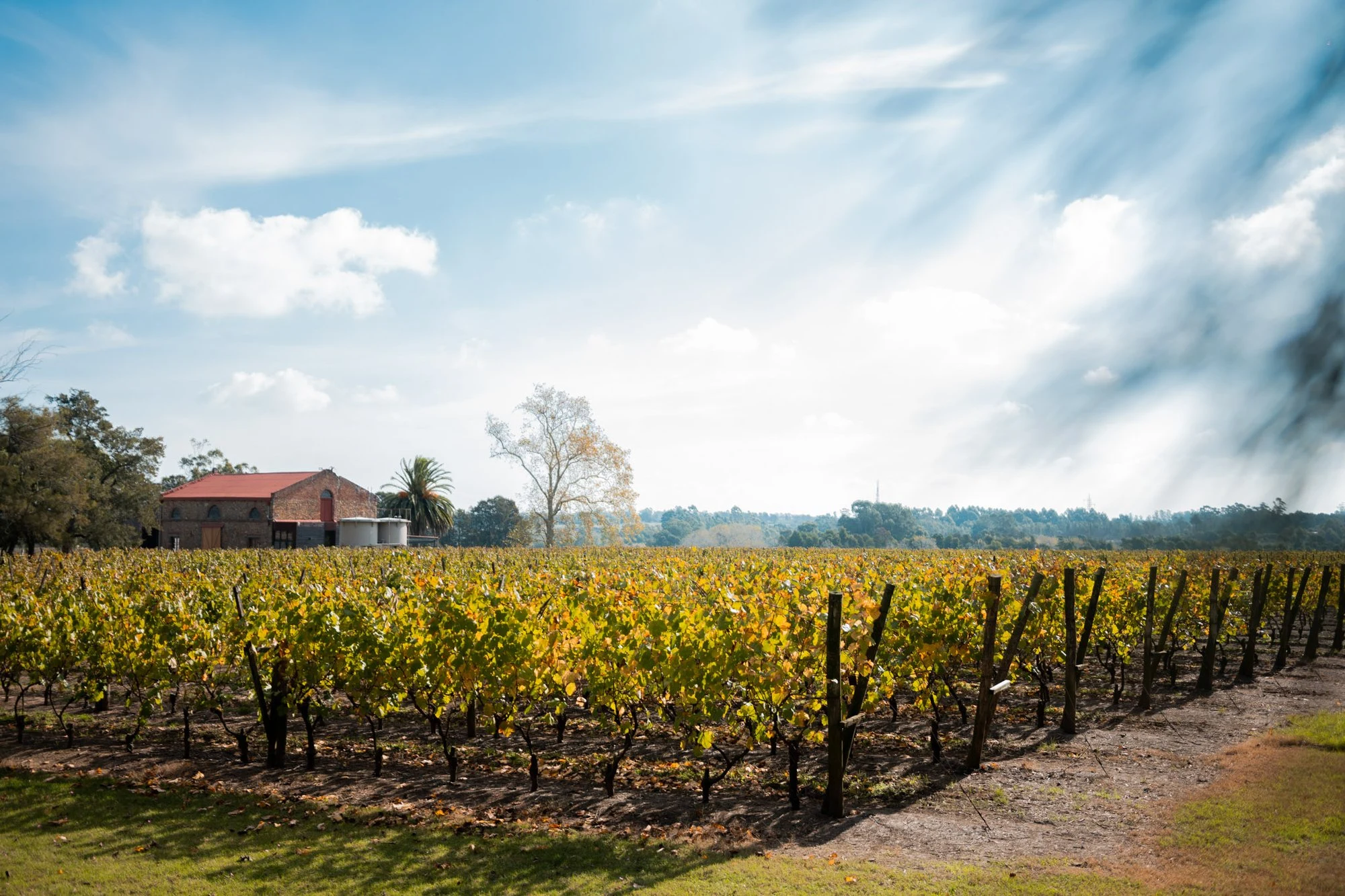
Bodega Pisano sits on Ruta 68 in the Canelones wine belt, holding a Pearl 2 Star Prestige rating for 2025 and representing one of the department's established family-run estates. The winery places Canelones in a regional conversation that now reaches well beyond Uruguay's borders, with viticulture shaped by the department's Atlantic-influenced clay and loam soils.
<h2>Canelones at Km 29: Where Uruguay's Wine Belt Takes Shape</h2><p>The road south from Montevideo toward Progreso passes through a stretch of Canelones that has quietly become one of South America's most consequential wine-growing corridors. The topography is undramatic by Andean standards: gently rolling terrain, red-clay and loam soils, and an Atlantic maritime influence that moderates temperatures across the growing season. What the department lacks in visual grandeur it compensates for in terroir specificity, and the wineries clustered along Ruta 68 have spent decades learning exactly what those conditions allow. Bodega Pisano, at Km 29 just outside Progreso, sits inside that corridor and carries a Pearl 2 Star Prestige rating for 2025, placing it among Canelones' credentialed tier of producers.</p><p>Understanding Pisano's position requires first understanding what Canelones means to Uruguayan wine as a whole. The department accounts for the majority of Uruguay's wine production by volume, yet its identity has never been as singular or export-facing as, say, Napa's Cabernet monoculture or Mendoza's Malbec brand. Instead, Canelones operates as a pluralist zone: Tannat anchors the serious red offering, as it does across Uruguay, but Albariño, Viognier, and Pinot Noir have all found advocates among producers willing to test Atlantic-climate assumptions. That openness to variety-level experimentation is one of the things that keeps the department's wine conversation more dynamic than regions locked to a single flagship grape.</p><h2>Soil, Vine, and the Logic of Atlantic Viticulture</h2><p>The case for Canelones as a serious wine region rests substantially on its soils and its maritime proximity. The clay-loam profiles dominant around Progreso retain moisture through dry periods while draining sufficiently to avoid waterlogging during Uruguay's wet winters, a balance that benefits vine stress management without requiring intensive intervention. Atlantic air from the Río de la Plata estuary and the open ocean beyond moderates summer heat, extending the ripening window and preserving natural acidity in the fruit. Those conditions make the argument for lower-intervention viticulture almost agricultural common sense: if the climate already provides temperature regulation and the soils already buffer water stress, the case for chemical correction diminishes.</p><p>Across Canelones, the producers who have pursued more deliberate sustainability practices have tended to do so not as marketing positioning but as a response to what the terroir asks of them. Reduced fungicide reliance, cover cropping between rows, and careful canopy management to maximize natural airflow are recurring features among the department's more considered estates.</p><p>Canelones also benefits from a density of producers that makes lateral comparison relatively direct. Within the same geographic corridor, estates like <a href="https://www.enprimeurclub.com/wineries/varela-zarranz-canelones-winery">Varela Zarranz</a>, <a href="https://www.enprimeurclub.com/wineries/antigua-bodega-stagnari-canelones-winery">Antigua Bodega Stagnari</a>, <a href="https://www.enprimeurclub.com/wineries/artesana-canelones-winery">Artesana</a>, <a href="https://www.enprimeurclub.com/wineries/bodega-de-lucca-canelones-winery">Bodega De Lucca</a>, and <a href="https://www.enprimeurclub.com/wineries/bodega-juanico-familia-deicas-canelones-winery">Bodega Juanicó (Familia Deicas)</a> each occupy distinct positions within the department's producer spectrum, ranging from high-volume co-operative-style operations to small-parcel specialists. That peer density means a day in Canelones can function as a structured tasting survey rather than a single-destination visit, and Pisano's location on Ruta 68 slots naturally into a route that covers multiple estates without unnecessary backtracking.</p><h2>The Regional Tannat Question</h2><p>No serious engagement with Canelones wine avoids the Tannat question. The grape arrived in Uruguay via Basque immigrants in the nineteenth century and has since become the country's vinous calling card to a degree that occasionally flattens the conversation about what else the region produces. Tannat in its Uruguayan expression tends to be softer and less tannic than its Madiran forebears, a function of the maritime climate and a century of selection toward wines that drink better young, though the most ambitious producers now make age-worthy versions that reward cellaring.</p><p>At the Pearl 2 Star Prestige level, Pisano sits in a tier where Tannat is expected to demonstrate that ambition rather than simply represent the category. Two-star prestige recognition in EP Club's framework signals a producer operating with consistency and clear positional intent within its competitive set. Within Canelones, that means the wines are being assessed not just against local benchmarks but against the broader Southern Hemisphere premium red market where Tannat competes with Malbec, Cabernet Sauvignon, and Carménère for serious wine buyers' attention.</p><h2>Beyond Canelones: Uruguay's Wider Wine Geography</h2><p>Canelones dominates Uruguay's wine production, but the country's wine geography extends to several other departments worth knowing for any serious visitor. <a href="https://www.enprimeurclub.com/wineries/bodega-bouza-montevideo-winery">Bodega Bouza in Montevideo</a> demonstrates that the capital's urban fringe remains viable wine country. Further afield, <a href="https://www.enprimeurclub.com/wineries/bodega-carrau-las-piedras-winery">Bodega Carrau in Las Piedras</a> and <a href="https://www.enprimeurclub.com/wineries/bodega-cerro-del-toro-piriapolis-winery">Bodega Cerro del Toro in Piriápolis</a> map the Atlantic coastal influence across different terrains. In the west, <a href="https://www.enprimeurclub.com/wineries/bodega-los-cerros-de-san-juan-colonia-del-sacramento-winery">Bodega Los Cerros de San Juan in Colonia del Sacramento</a> and <a href="https://www.enprimeurclub.com/wineries/el-legado-carmelo-winery">El Legado in Carmelo</a> operate in the Río de la Plata-facing zone that shares geographic logic with Argentine Colonia across the river. The north produces its own signals: <a href="https://www.enprimeurclub.com/wineries/cerro-chapeu-carrau-rivera-winery">Cerro Chapeu (Carrau) in Rivera</a> pushes Uruguayan viticulture to its continental extreme, at altitude and latitude that produce a noticeably different wine character. For Atlantic-facing variety, <a href="https://www.enprimeurclub.com/wineries/bodega-oceanica-jose-ignacio-maldonado-winery">Bodega Oceánica José Ignacio in Maldonado</a> works close to the ocean in Uruguay's resort-adjacent wine country.</p><p>That geographic spread contextualizes why Canelones, and Pisano within it, operates as a productive entry point into Uruguayan wine rather than the whole story. The department offers accessibility, producer density, and a range of price tiers that no other part of the country replicates at the same scale.</p><h2>Planning a Visit to Progreso</h2><p>Ruta 68 runs directly north from Montevideo, making the drive to Km 29 direct from the capital, typically around 30 to 40 minutes depending on traffic out of the city. The practical approach for most visitors is to treat Canelones as a day trip from Montevideo, combining two or three estate visits along the route. Given its appointment-only policy, contacting the estate in advance is advisable rather than arriving without notice.</p><p>For visitors whose wine travel extends beyond South America, the Atlantic-influenced, lower-intervention viticulture that defines much of Canelones has counterparts in places as far apart as coastal Galicia and parts of New Zealand's Marlborough region. The comparison is not exact, but the underlying logic of maritime moderation and its implications for acidity retention and phenolic ripeness translates across hemispheres. For more internationally framed reference points, producers like <a href="https://www.enprimeurclub.com/wineries/accendo-cellars">Accendo Cellars in St. Helena</a> or the scotch whisky heritage of <a href="https://www.enprimeurclub.com/wineries/aberlour-aberlour-winery">Aberlour in Aberlour</a> offer a useful point of comparison, even across entirely different categories.</p>
Bodega Pisano is located at Ruta 68 Km 29, 90300 Progreso, Departamento de Canelones, Canelones.
Bodega Pisano has received recognition including: Pearl 2 Star Prestige (2025).
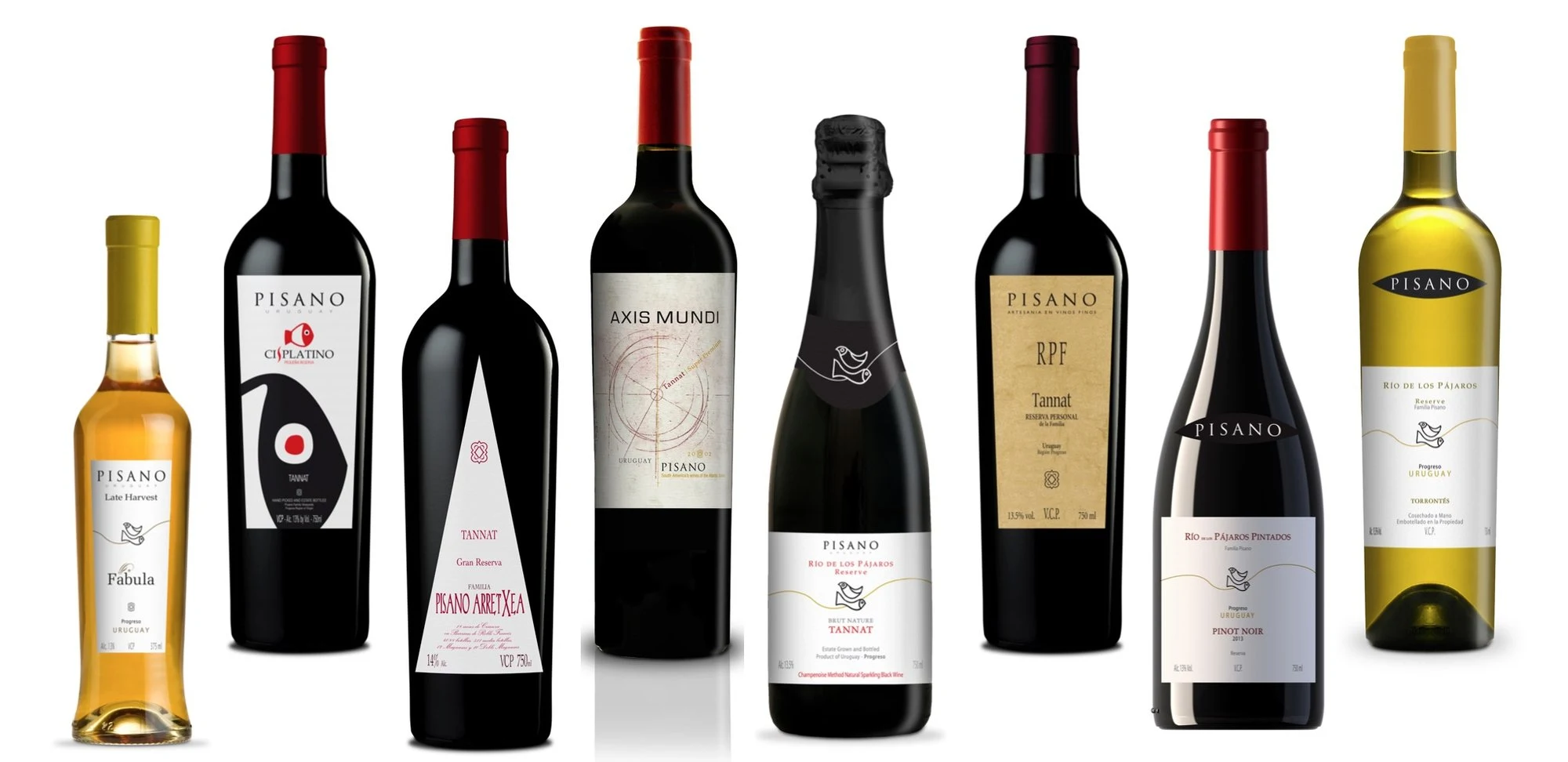
Canelones is Tannat country, and Pisano operates within a region where that Basque-origin grape has been planted for well over a century. As a Pearl 2 Star Prestige recipient (2025), the estate is recognised for serious wine production, so the red wine lineup is the logical starting point. Confirm current pour availability directly with the bodega before visiting, as tasting room offerings vary by season.
Bodega Pisano is a Canelones estate located at Ruta 68 Km 29, in the Progreso corridor that has become one of Uruguay's most concentrated zones of commercial wine production. The estate earned a Pearl 2 Star Prestige rating in 2025, placing it among the recognised producers within South America's Atlantic-facing wine belt. Its position in Canelones links it to the clay-loam soils and maritime-tempered growing conditions that define the region's profile.
Bodega Pisano sits roughly 30 to 40 minutes north of Montevideo via Ruta 68, making it accessible as a day trip from the capital. Contact details are not currently listed publicly, so the practical step is to reach out through available channels before committing travel dates, particularly if you want a guided tasting rather than a self-directed visit. High season around harvest typically increases demand at Canelones estates.
Bodega Pisano holds a Pearl 2 Star Prestige rating awarded in 2025, a tier that denotes recognised quality within the Pearl prestige evaluation framework. In a country where Canelones accounts for the majority of national wine output, that distinction helps differentiate Pisano within a crowded producer field. For context, Canelones's proximity to the Atlantic and its clay-loam soils underpin the region's case as a serious growing area, and a 2 Star Prestige places the estate toward the higher end of that regional conversation.
Bodega Pisano suits visitors who want direct engagement with Canelones terroir rather than a polished resort-style wine experience. The Progreso location at Km 29 on Ruta 68 keeps it within easy reach of Montevideo, and the 2025 Pearl 2 Star Prestige recognition gives it a documented credential within Uruguay's wine production hierarchy. It fits well into a broader Canelones circuit alongside other Ruta 68 producers.
Ruta 68 Km 29, 90300 Progreso, Departamento de Canelones
Progreso
Bodega Juanicó (Familia Deicas)