Bodega Valleyglesias
- 01CityMadrid, Spain
- Falstaff Winery - Listed · 2026
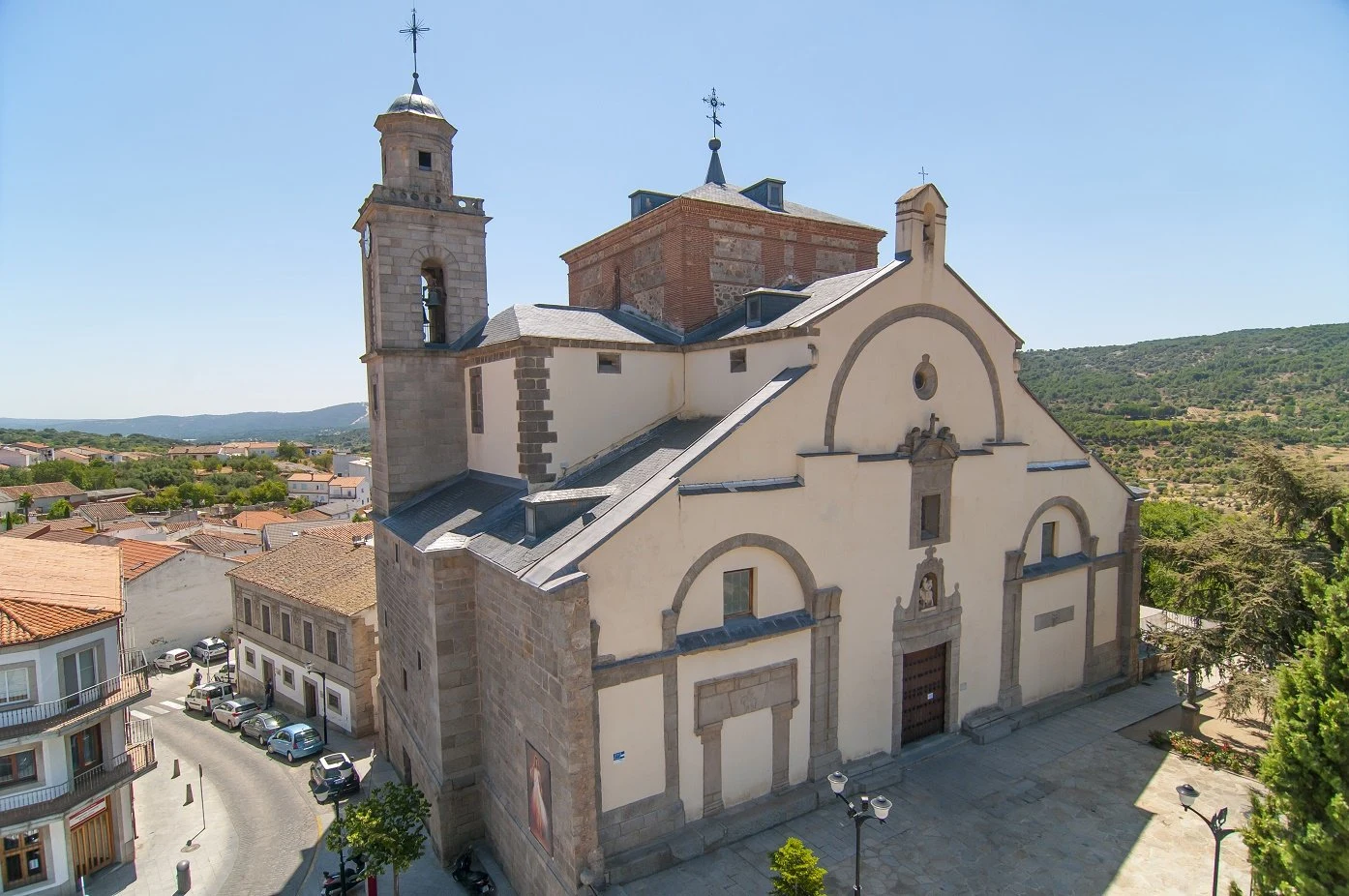
The approach to San Martín de Valdeiglesias changes the rhythm of a Madrid wine day. The city gives way to the Sierra Oeste, where vineyards sit against granitic ground and the Sierra de Gredos foothills pull the conversation away from urban dining and toward altitude, soil and old viticultural habits. Bodega Valleyglesias belongs to that smaller Madrid wine story: not the capital as restaurant city, but Madrid as a D.O. with rural edges, mountain influence and producers working to make origin legible in the glass.
That matters because Madrid wine is often treated as a side note to Ribera del Duero, Rioja or Priorat by international visitors. The better reading is more specific. Around San Martín de Valdeiglesias, Garnacha has a serious regional role, while Albillo Real gives the white-wine side local identity. Valleyglesias works with both, and its cellar language is built around place: village, site and plot categories. That hierarchy tells the reader how to think about the wines before any tasting note does. It is a producer asking to be judged by granularity, not by broad regional branding.
Granitic soils and a Madrid wine identity built by parcel
The defining idea here is terroir expression in a region still earning attention from travelers who know Spain’s larger appellations first. Granitic soils are not decorative context in this part of Madrid; they shape the way producers talk about vineyard character, drainage, exposure and the tension between rusticity and precision. Valleyglesias folds that into an origin-led structure, moving from village to site to plot rather than presenting a flat cellar-door lineup.
The project is family-run and boutique in scale, with an open year listed as 2002 and a production philosophy described as sustainable. Its stronger public signals are format-based rather than trophy-based: D.O. Madrid appellation, small production, a wine club, and a visitor program tied directly to vineyard and cellar interpretation. Formal awards are not the story here. The better trust signal is regional placement, plus the fact that the winery exports more than half of its production, which puts it beyond a purely local hospitality circuit.
That export detail is useful because it separates the property from a casual countryside tasting stop. A winery can be charming and still commercially slight; this one presents itself as a small producer with reach. The wines are framed around still reds and still whites, with Garnacha and Albillo Real named in the varietal set. For travelers building a Madrid wine itinerary, that gives the visit a clear purpose: use it to understand how the Sierra Oeste differs from the city’s restaurant cellars and from Spain’s more familiar regions.
A private tasting model with food, cellar context and rural movement
Madrid’s premium wine experiences now split between easy urban tastings and destination formats that require leaving the capital. Valleyglesias sits in the second camp. The experience tags tell the story plainly: vineyard tour, private tasting and design destination. The tasting styles include guided tasting, commented tasting and food-pairing tasting, while the listed tour duration is 150 minutes. That length is long enough for a proper vineyard-to-cellar explanation rather than a short pour-and-photo stop.
The hospitality model is also broader than a counter tasting. Food pairing is part of the offer, group outings are supported, children are allowed, and the noise level is conversational. Dress is casual, which fits the rural setting better than a formal dining-room code. Accessibility is listed for wheelchair users, payment options include cards and contactless, and the setting remains more vineyard-facing than resort-like. The absence of outdoor seating as a listed amenity is worth reading literally: the main value is the guided wine format, not a long terrace lunch framed as a tasting.
The private-club and event layer adds another dimension, with tastings, live music and vineyard-based gatherings part of the wider program. That does not turn the winery into a nightlife venue. It places it in a modern Spanish wine-tourism pattern, where small producers supplement bottle sales with education, food, events and rural leisure. Electric-bike routes among vines sharpen that point: the estate is selling an understanding of place through movement as well as through the glass.
How to place it in a Madrid itinerary
For a traveler staying in Madrid, the decision is not whether this replaces the city’s dining and bar scene. It does something different. Pair it with a city day built around Our full Madrid restaurants guide, then use Our full Madrid bars guide and Our full Madrid hotels guide for the urban portion. The winery day belongs to Our full Madrid wineries guide and, for travelers building around culture rather than meals alone, Our full Madrid experiences guide.
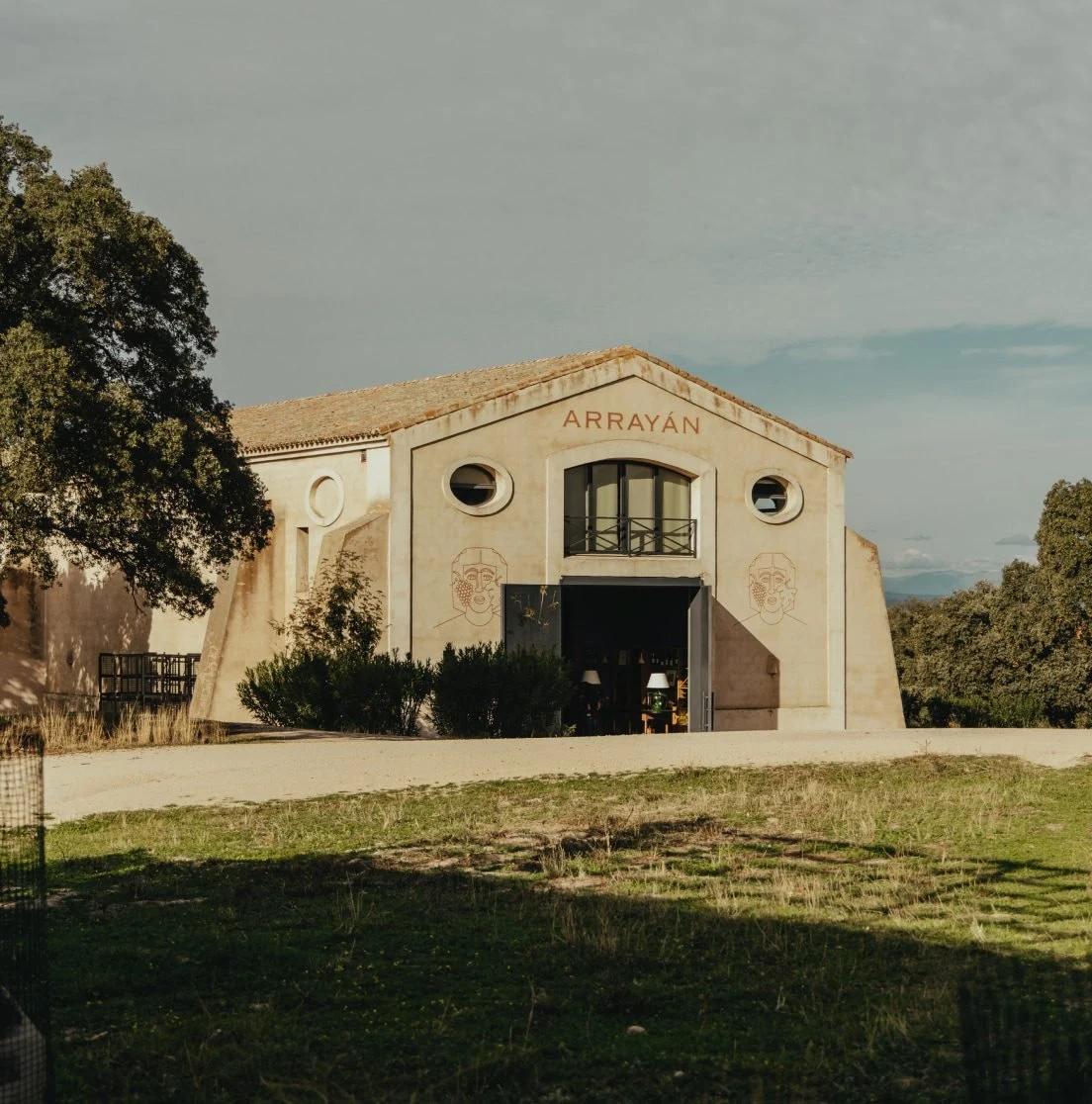
Within a broader wine itinerary, the useful lens is contrast rather than ranking. Madrid’s countryside cellars can sit alongside other Spanish and European producers without needing to mimic them. Readers comparing styles can bookmark Atlan & Artisan, Baša vino, Bodegas Arrayán, S.L. Bodegas Bernabeleva and Bodegas Calar for additional Madrid-area research, then widen the map with 3 Ases Bodegas y Viñedos in Quintanilla De Arriba, 4Kilos Vinícola in Felanitx, Aalto Bodegas y Vinedos in Quintanilla De Onesimo Valladolid, »der Steiner« Hans Steiner in Podersdorf am See and & Handwein in Mannheim.
The editorial case for Valleyglesias is strongest for drinkers who want Madrid wine explained through land and format. It is not an awards-led pageant or a luxury cellar built around spectacle. It is a small D.O. Madrid producer using Garnacha, Albillo Real, parcel language, food-pairing tastings and vineyard access to make the Sierra Oeste readable. That is a more interesting reason to go than scenery alone.
Questions
Frequently asked
How expensive is Bodega Valleyglesias?
Bodega Valleyglesias is listed at a price level of $$.
The field
How it compares
| Place | Notes |
|---|---|
| Bodega Valleyglesias | San Martín de Valdeiglesias, $$ |
| Bodegas Arrayán, S.L. | Madrid |
| Bodegas y Viñedos Ausàs | Madrid |
| Bodegas y Viñedos Rodrigo Méndez | Madrid |
| Bosque de Matasnos, S.A. | Madrid |
| Pazo de San Mauro | Madrid |
| Uvas Felices | Madrid |