Made ByWinery
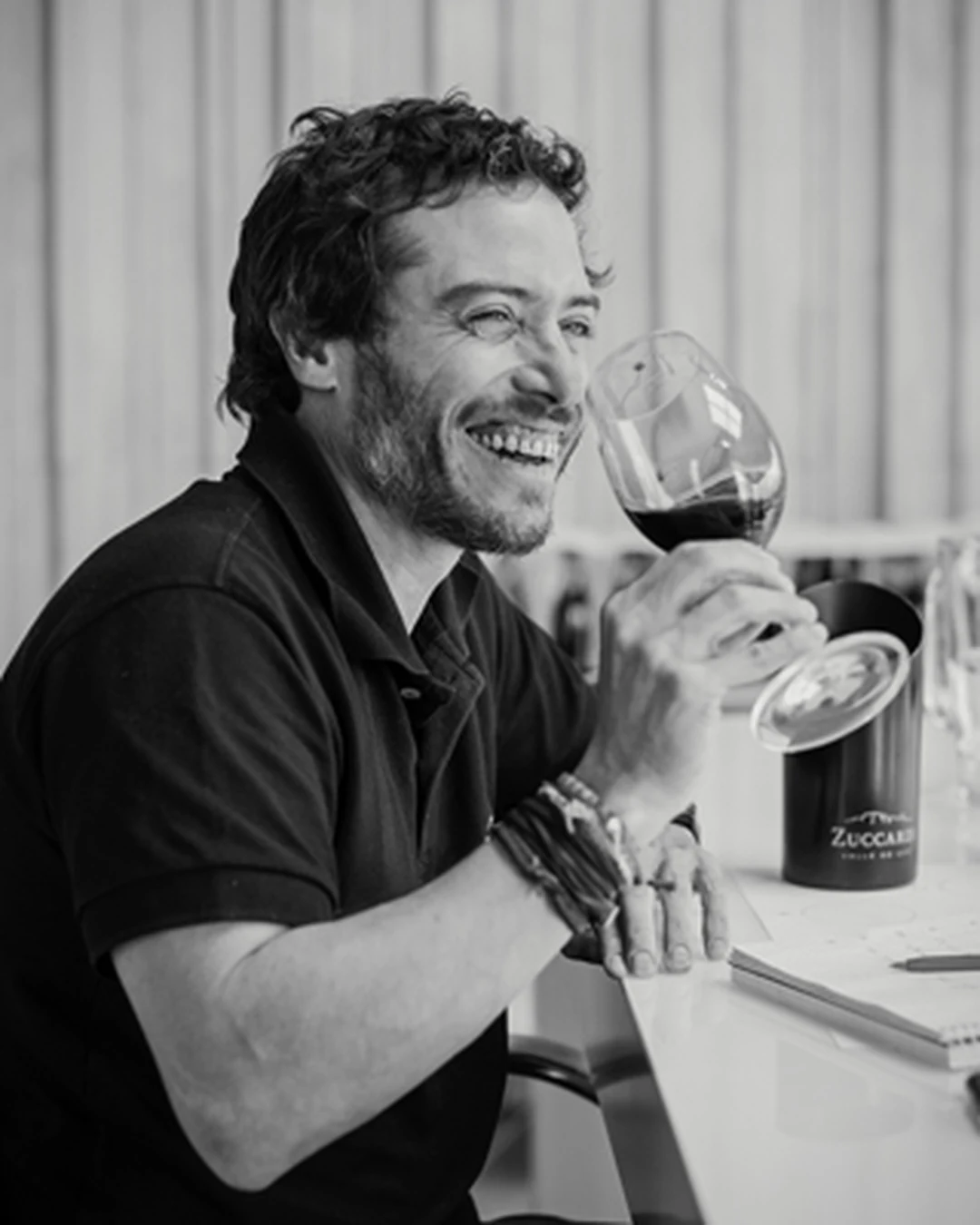
Sebastian Zuccardi, owner at Bodega Zuccardi in Mendoza, keeps the Uco Valley estate trained on site-first mountain wine.
At a glance
- Price
- $$$$
- Per person
- $150
- Neighborhood
- Paraje Altamira, San Carlos
Concrete before oak
Concrete takes the first impact of the must here, not new oak. Sebastian Zuccardi, owner at Bodega Zuccardi in Mendoza, keeps that choice tied to the vineyard rather than to cellar signature. The winery stands in Paraje Altamira, San Carlos, in the Uco Valley, where the family opened this mountain-built house in 2016 as a place for site before style. Zuccardi works as the third generation of a Mendoza wine family whose first vines were planted in 1963, and he treats that inheritance as a question still under study. His stated order is soil, exposure, climate, mountain condition, then wine. Malbec remains in the frame, but not as a fixed old model of Argentine wine. The grape becomes one route into origin, alongside Cabernet Sauvignon, Cabernet Franc, Chardonnay, Sauvignon Blanc, Semillon, Bonarda, Tempranillo, Torrontés and Verdejo. At this station, lineage is not a polish applied at the end. It is the discipline of returning to the same valley with narrower attention.
Vineyards divided by soil
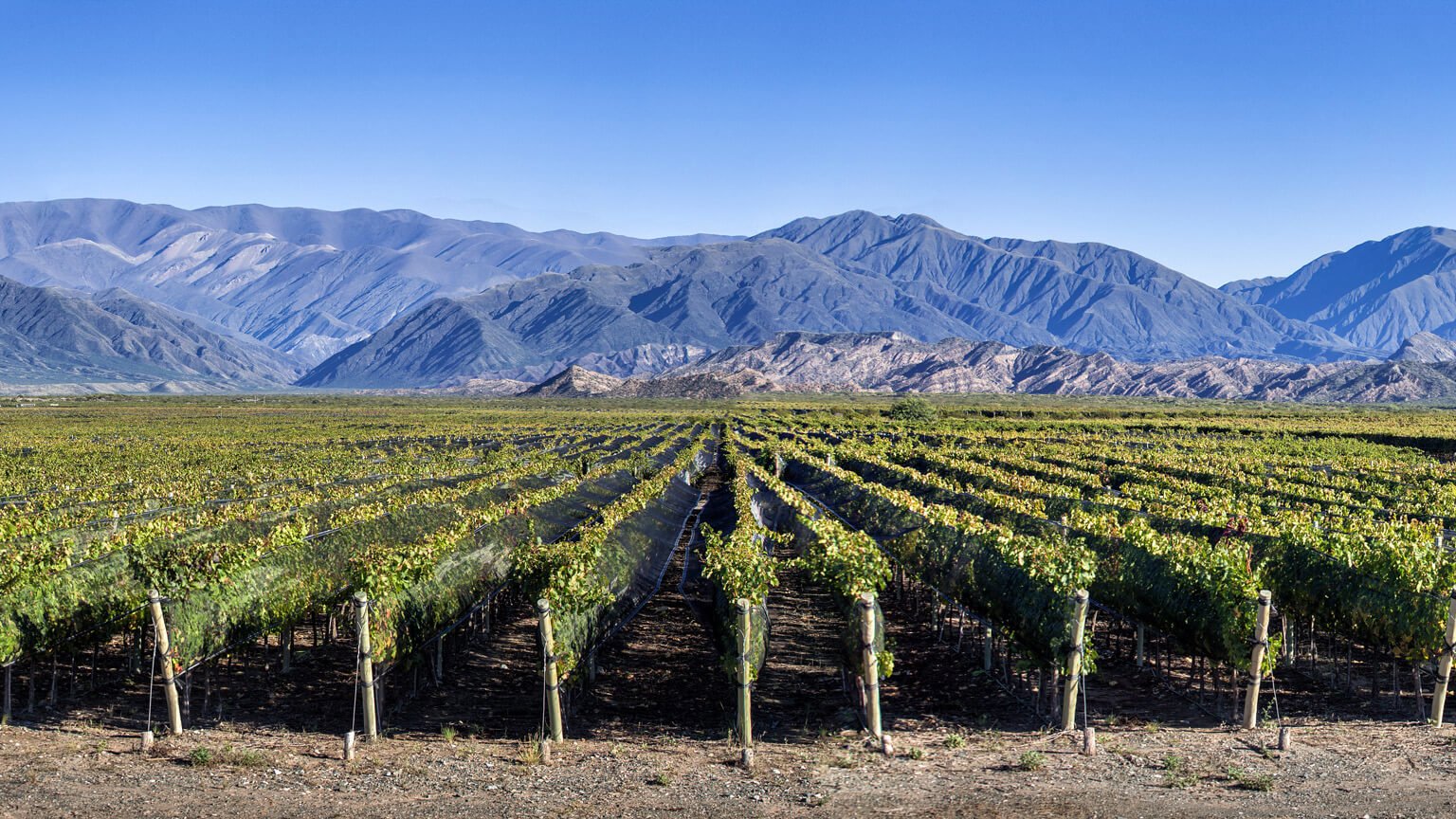
The work begins in high-altitude mountain desert, with alluvial soils, large stones and calcium carbonate at 1,100 meters in Paraje Altamira. The family divides vineyards by soil type, a practice refined before the winery was built, so the cellar can receive smaller distinctions rather than broad categories. Inside, concrete vessels carry the method. The house uses uncoated concrete, including conical vessels, because the material does not add wood flavor and gives thermal stability while allowing small micro-oxygenation. Gravity guides the handling where possible. Used French oak remains in the program, in 225L and 500L barrels, but it serves the wine rather than taking command of it. The phrase Zuccardi uses for the aim is direct: he does not want to make a perfect wine, but one that talks about his vision of the area. That sentence explains the restraint. The cellar is built to leave less of itself behind.
A winery shaped like the mountain
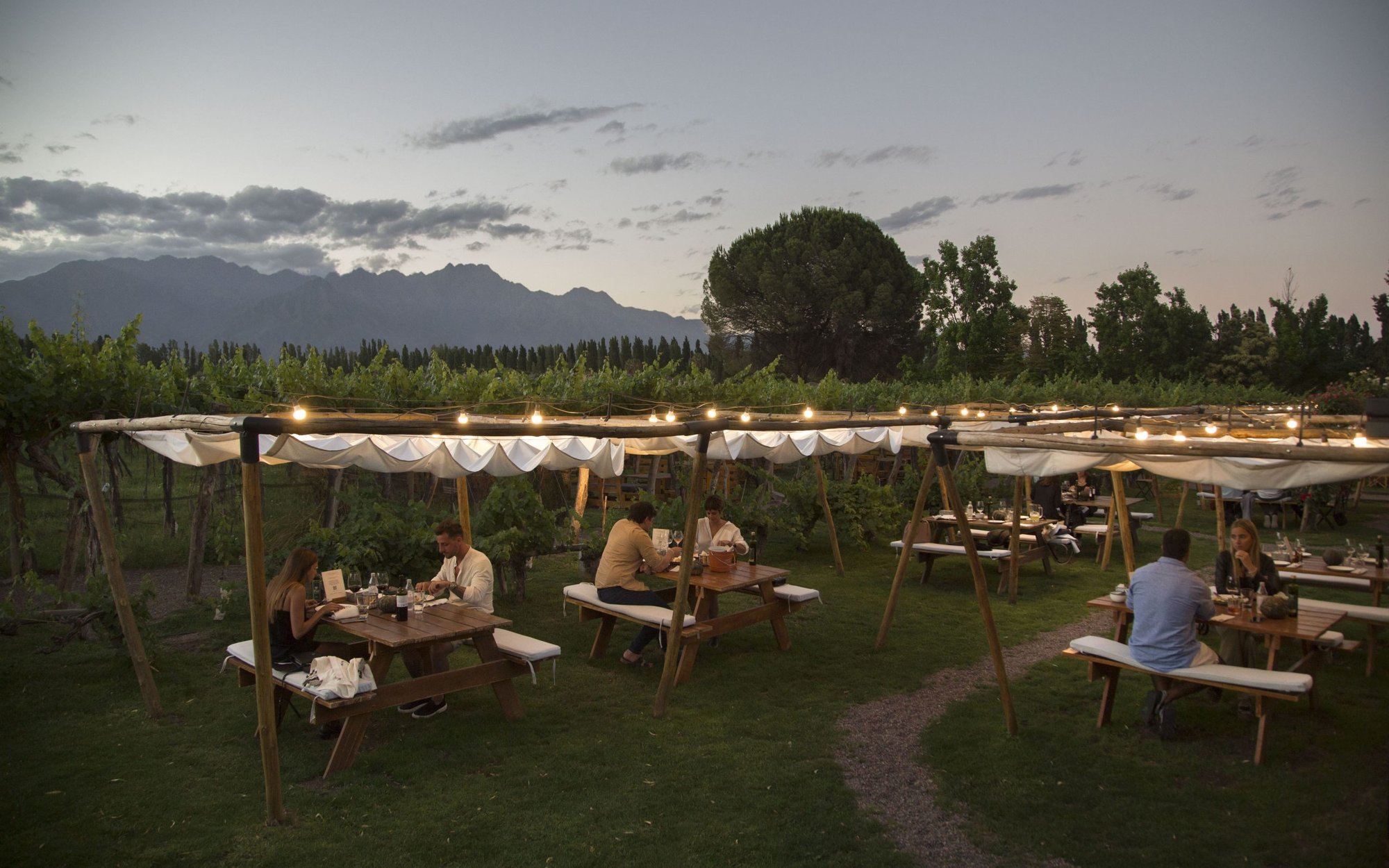
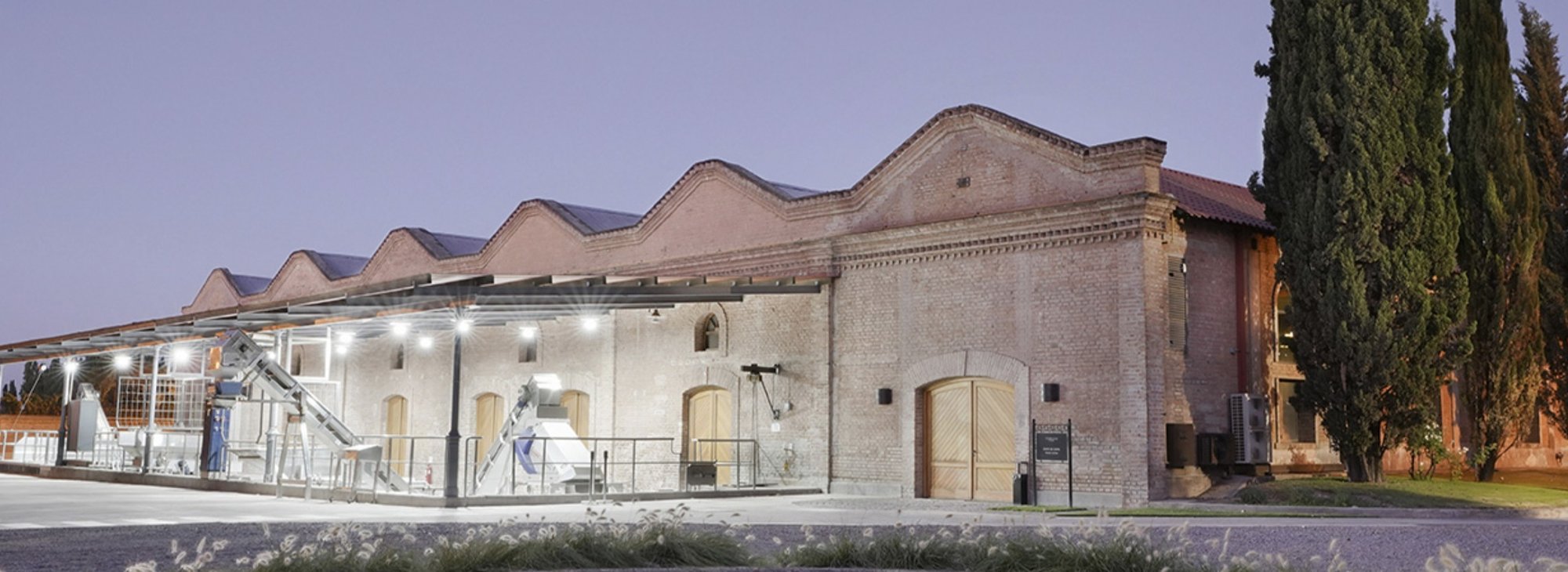
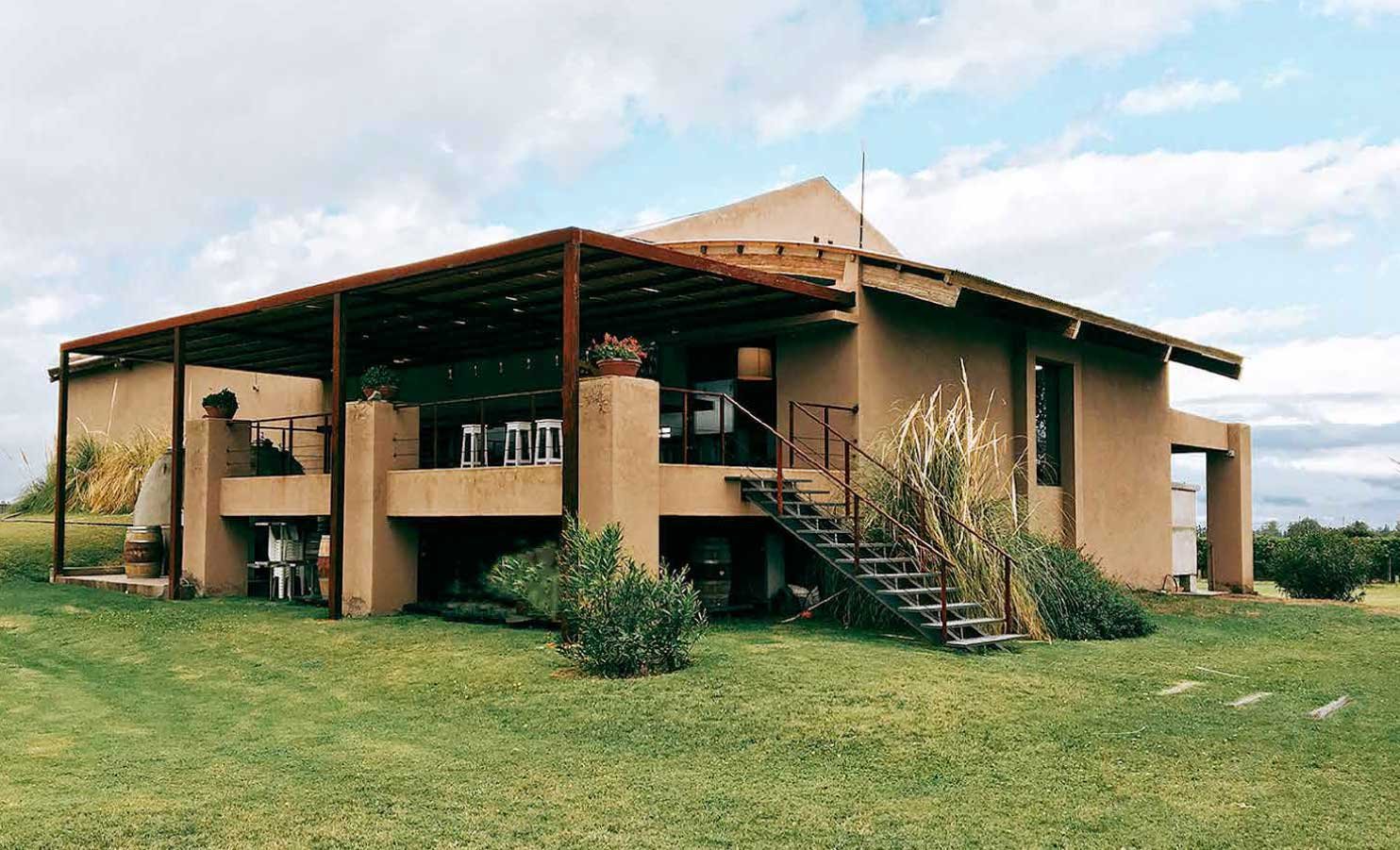
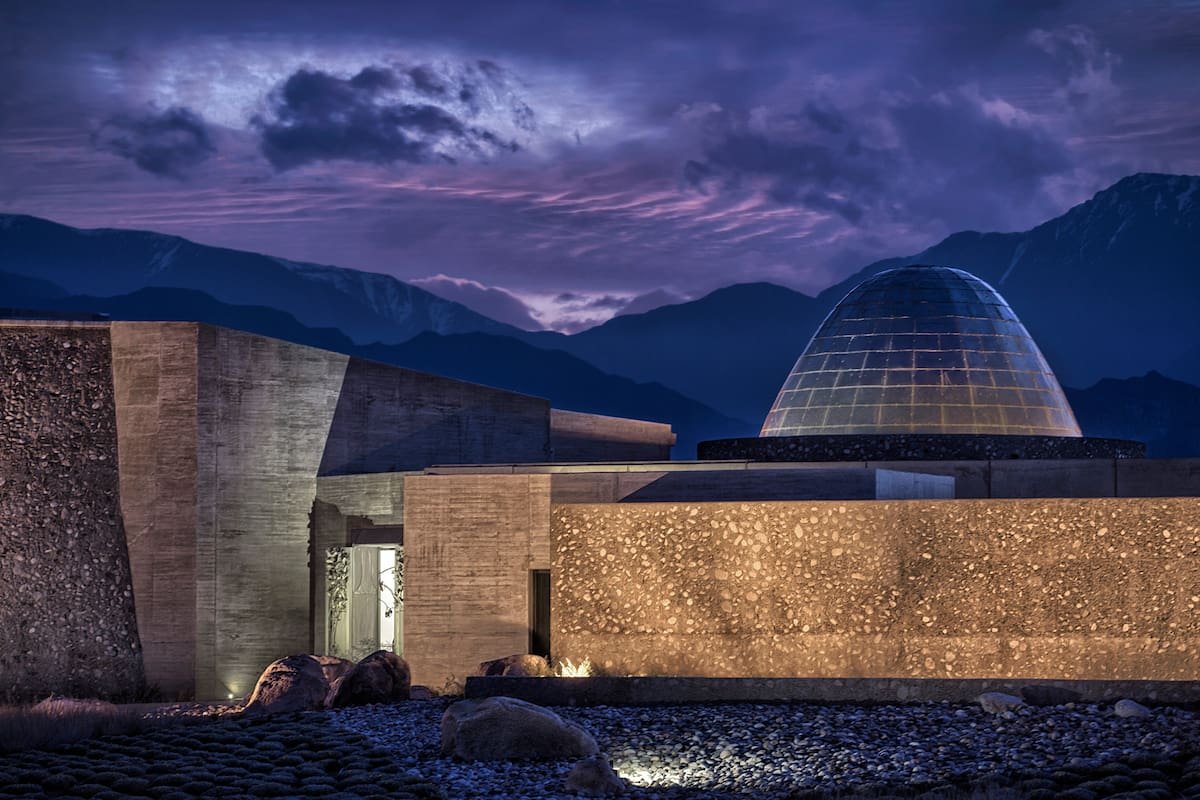
The building does not hide its weight. Concrete, stone, sand and water from the area give Bodega Zuccardi its mass, with clean lines set against vineyards, native vegetation and the Andes beyond the glass. The tasting room and restaurant look outward, but the room’s real center is the cellar logic below it: vessels chosen for stability, movement reduced, fruit kept close to its site. Conversation stays low because the place invites looking, not performance. In the vineyard, the mountain is not scenery. It sets the exposure, the cold, the stones underfoot, and the tension that Sebastian Zuccardi wants the wines to keep.
Identity as unfinished work
The family project is still described from within as generational and unfinished, with continuing study across different areas of the Uco Valley. That makes the next movement here less a new label than another pass through the vineyards. Finca Canal Uco 2020, El Camino de las Flores 2024 and Concreto carry the shared question of place, identity and Mendoza source.
Know before you go
- Dress code
- smart_casual
- Reservations
- essential
- Parking
- on_site_lot
- Payment
- cash, credit_card, debit_card
- Outdoor seating
- Yes
- Groups
- Welcomed
Address
Mendoza, Argentinien
Paraje Altamira, San Carlos